
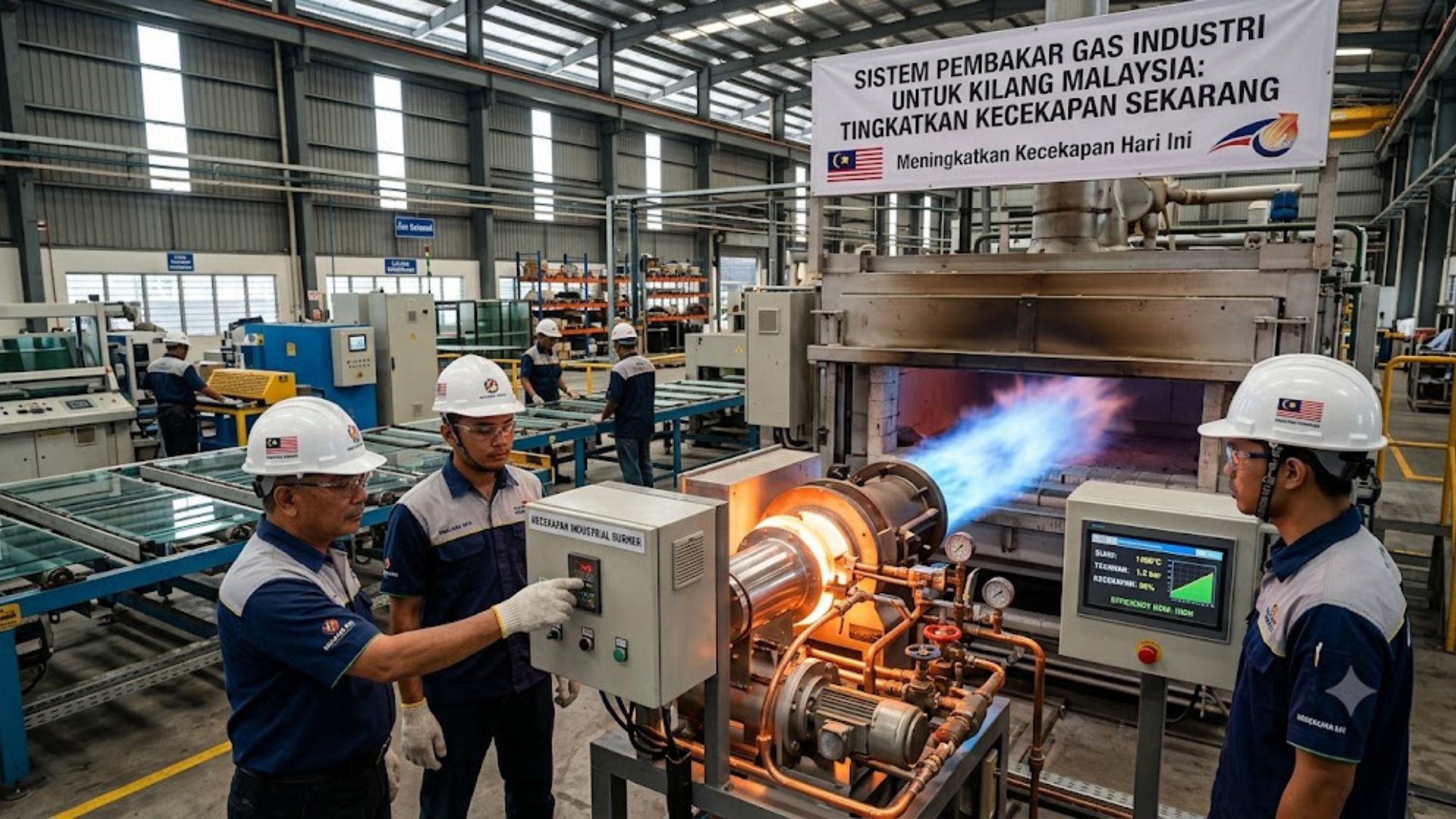
If you run a manufacturing plant in Malaysia, you know how crucial reliable heat sources are to keep your operations running smoothly. Industrial gas burners are the heart of many manufacturing processes, delivering precise and efficient heat where you need it most.
But how do you choose the right burner for your plant? And how can the right system boost your productivity while cutting energy costs? You’ll discover everything you need to know about industrial gas burners designed specifically for Malaysian manufacturing plants.
Get ready to unlock better performance, greater safety, and smarter energy use for your facility. Keep reading to find out how these powerful tools can transform your manufacturing process.
For different manufacturing and process heating requirements, explore our range of industrial infrared gas burners designed for drying, curing, coating, baking, and other industrial applications.
Credit: press.siemens.com
Industrial Gas Burners In Malaysia
Industrial gas burners are vital in Malaysia’s manufacturing sector. They provide controlled heat for many industrial processes. These burners help maintain product quality and ensure smooth operation. Malaysia’s growing industries rely on efficient and reliable burners to meet production demands.
Choosing the right burner type impacts energy use and emissions. Many factories in Malaysia focus on upgrading to modern gas burners. These upgrades support better fuel economy and reduce environmental impact. Understanding the key applications and types of burners helps manufacturers select the best options.
Manufacturers looking for dedicated infrared heating solutions can also explore our industrial infrared gas burner supplier solutions in Malaysia for different industrial heating requirements.
Key Applications In Manufacturing
Gas burners heat boilers, furnaces, and ovens used in factories. They support processes like metalworking, food production, and chemical manufacturing. Drying lines and hot air generators also depend on these burners. They deliver consistent heat that keeps production stable and safe.
Industrial burner requirements can vary depending on the production process and heating method. Explore the applications of infrared gas burners in industrial heating to learn more about drying, curing, baking, coating, and other manufacturing uses.
Role In Energy Efficiency
Industrial gas burners improve fuel use by burning gas cleanly and fully. Efficient burners lower fuel costs and reduce waste. Many burners include controls to adjust flame size and temperature. This control helps save energy during low production times. Energy-efficient burners also cut down harmful emissions.
Energy efficiency is becoming increasingly important for modern manufacturing operations. Learn more about energy efficient industrial infrared burners in Malaysia and their role in industrial heating applications.
Common Burner Types
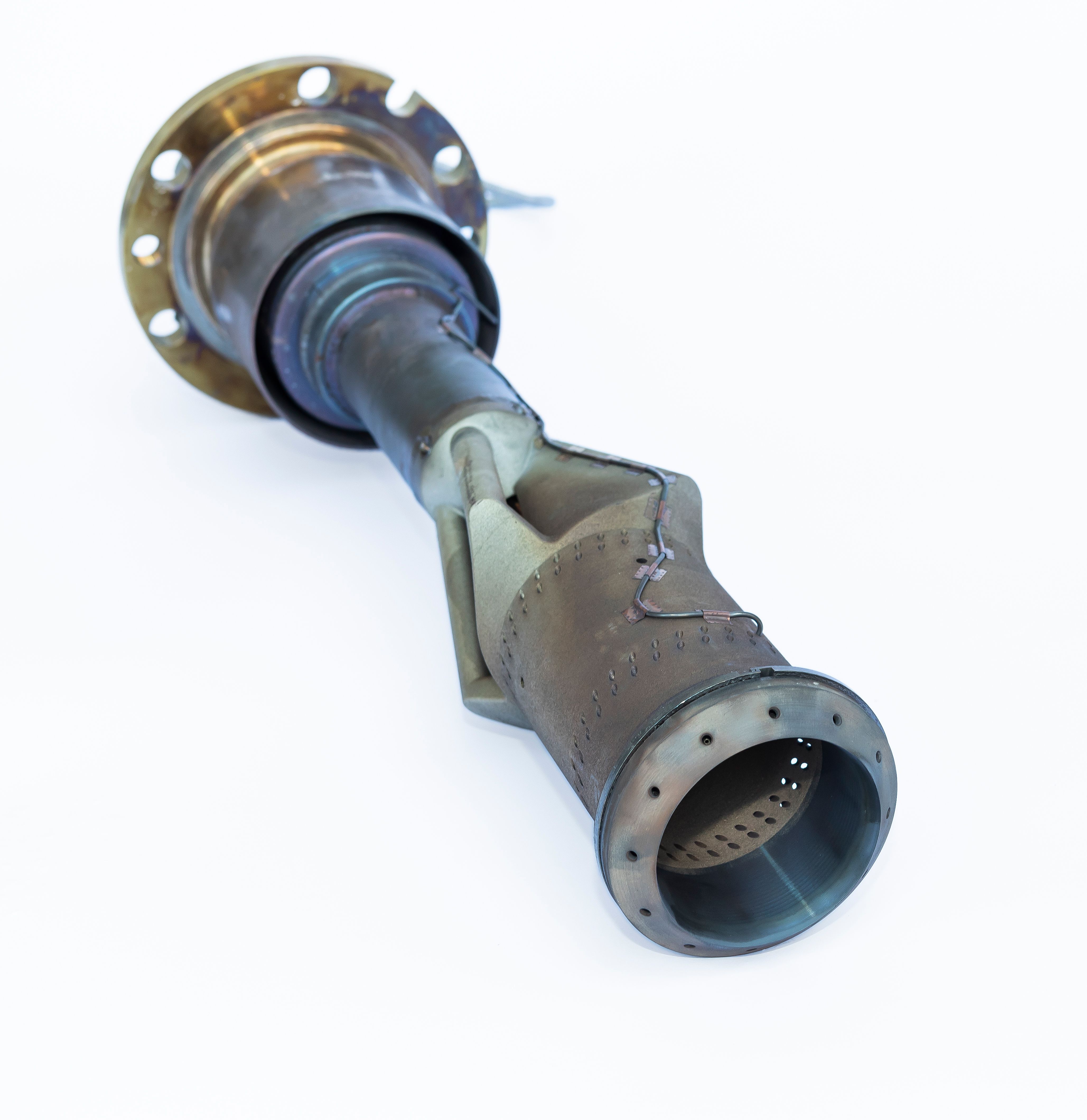
Common types include atmospheric burners, forced draft burners, and premix burners. Atmospheric burners mix gas and air naturally without fans. Forced draft burners use fans to supply air for better combustion. Premix burners blend gas and air before ignition for a cleaner flame. Each type suits different manufacturing needs and scales.

Credit: www.ebay.com
How Industrial Gas Burners Work
Industrial gas burners play a vital role in Malaysian manufacturing plants. They convert fuel into heat energy used in various industrial processes. Understanding how these burners work helps improve efficiency and safety in factories.
These burners mix fuel and air precisely to create a stable flame. The flame then produces controlled heat needed for operations like drying, melting, or heating. The process involves several key steps.
For manufacturing operations involving industrial drying and coating processes, explore our guide to infrared burners for powder coating lines in Malaysia.
Fuel And Air Mixing Process
Fuel, often natural gas or propane, flows through a valve at a controlled rate. Air is supplied by a blower or compressor. The burner mixes fuel and air in exact proportions. This mix ensures complete combustion and reduces waste. Proper mixing avoids excess fuel or oxygen that can lower efficiency.
For factories using gas-based heating systems, selecting the right burner technology and configuration is important for efficiency and process performance. Learn more about natural gas infrared burners for industrial heating systems.
Ignition And Flame Control
The burner ignites the fuel-air mixture using a spark or pilot flame. Sensors monitor the flame to keep it stable. Flame control systems adjust fuel and air to maintain steady burning. This control prevents dangerous flame outs or overheating. It also helps meet safety standards and emissions limits.
Heat Generation Mechanisms
The burning fuel produces heat through a chemical reaction called combustion. This reaction releases energy in the form of hot gases and flames. The burner transfers this heat to the manufacturing process. Heat may be used directly or through a heat exchanger. Efficient heat transfer saves energy and improves plant output.
Materials And Design
Choosing the right materials and design in industrial gas burners greatly affects their performance in Malaysian manufacturing plants. These components must withstand high heat and harsh conditions. A strong build ensures longer service life and reliable operation. Efficient design helps reduce energy use and increase productivity. Safety features protect workers and equipment from hazards. This section covers essential materials and design aspects for industrial burners.
Durable Burner Materials
Burners use metals that resist heat and corrosion. Stainless steel is common for its strength and rust resistance. Cast iron also appears in some parts for durability. Special alloys handle extreme temperatures without warping. Ceramic materials insulate and protect burner parts. Quality materials reduce wear and tear. They help maintain performance over time.
Design Features For Efficiency
Designs focus on mixing fuel and air perfectly. This creates a stable flame with less waste. Burners have adjustable nozzles to control fuel flow. Some include sensors for precise temperature control. Compact shapes improve heat transfer and reduce fuel use. Proper airflow paths avoid smoke and emissions. Efficient design lowers operational costs and environmental impact.
Safety Considerations
Burners include safety valves to stop gas flow if needed. Flame detection systems prevent unburned gas leaks. Overheat protection avoids damage and fire risk. Proper insulation protects nearby equipment and workers. Easy maintenance access helps spot issues early. Safety is critical in busy manufacturing environments to prevent accidents.
Benefits For Malaysian Plants
Industrial gas burners offer clear advantages for Malaysian manufacturing plants. They help plants operate more efficiently and meet stricter environmental rules. The technology supports stable production and lowers costs in daily operations.
Improved Fuel Efficiency
Gas burners use fuel in a controlled way. This control reduces waste and saves money. Plants consume less fuel while keeping the same output. Efficient fuel use also means fewer shutdowns for maintenance.
Reduced Emissions
Modern burners produce less smoke and harmful gases. This helps plants meet Malaysia’s environmental standards. Cleaner air improves worker safety and community health. Lower emissions also reduce the risk of fines and shutdowns.
Enhanced Process Reliability
Industrial burners provide steady heat for manufacturing processes. This steady heat prevents product defects and downtime. Reliable burners help plants maintain consistent quality. They also reduce the need for costly repairs.
Choosing The Right Burner
Choosing the right industrial gas burner is crucial for Malaysian manufacturing plants. The right burner ensures efficient fuel use and stable heat output. It supports smooth production and reduces operational costs. Several factors must be considered to select the best burner.
Assessing Plant Requirements
Start by understanding your plant’s heating needs. Determine the type of fuel available and its cost. Check the size of the equipment needing heat. Consider the temperature range required for your processes. Also, evaluate emission limits and environmental regulations. This step helps narrow down burner options.
Matching Burner Types To Applications
Industrial burners come in different types like atmospheric, forced draft, and low-NOx burners. Atmospheric burners suit low to medium heat applications. Forced draft burners work well for high heat and larger plants. Low-NOx burners reduce harmful emissions and improve air quality. Match the burner type to your process for best results.
Vendor Selection Tips
Choose vendors with a strong local presence and good support. Look for suppliers offering customized solutions. Check their experience with Malaysian manufacturing industries. Ask for case studies or references from similar plants. Ensure they provide reliable after-sales service and spare parts. This ensures long-term burner performance and peace of mind.
Installation And Maintenance
Installing and maintaining industrial gas burners in Malaysian manufacturing plants ensures safe and efficient operations. Proper installation sets the foundation for burner performance. Regular maintenance keeps systems running smoothly and prevents costly downtime. Understanding common problems helps solve issues quickly and maintain productivity.
Proper Installation Practices
Choose a location with enough space for the burner and service access. Check that gas supply lines meet local safety codes. Install burners according to manufacturer guidelines. Use the correct tools and materials to avoid leaks. Secure all connections tightly to prevent gas escapes. Test the burner after installation for proper ignition and flame stability. Ensure ventilation systems work well to remove combustion gases safely.
Routine Maintenance Tasks
Inspect burners regularly for signs of wear and damage. Clean burner nozzles and air filters to avoid blockages. Check and adjust fuel and air ratios for efficient combustion. Replace worn or damaged parts promptly. Monitor flame patterns and listen for unusual noises. Test safety devices such as flame sensors and shut-off valves. Keep detailed maintenance records to track performance and repairs.
Troubleshooting Common Issues
Identify common problems like flame instability, noisy operation, or poor ignition. Check fuel supply pressure and quality first. Inspect burner components for dirt, corrosion, or damage. Adjust air settings to correct flame shape and color. Reset or replace faulty sensors and controllers. Consult burner manuals for specific error codes and solutions. Contact qualified technicians for complex repairs or persistent issues.
Future Trends
Industrial gas burners in Malaysian manufacturing plants are evolving fast. New technologies aim to boost efficiency and reduce pollution. These future trends will shape how factories manage heat and energy.
Upgrading to advanced burners helps plants meet stricter environmental rules. Smart systems improve control and safety. Integrating with modern digital tools makes operations smoother and more reliable.
Low-nox And Ultra-low Emission Burners
Burners that produce low nitrogen oxides (NOx) help reduce air pollution. Malaysia’s factories need these to meet environmental standards. Ultra-low emission burners limit harmful gases even further. They use precise fuel and air mixing to burn cleaner. This lowers health risks and environmental damage.
Smart Burner Controls
Smart controls offer better management of burner performance. Sensors monitor temperature and fuel use in real-time. Automated systems adjust flame size and fuel flow instantly. This saves energy and reduces waste. Operators get alerts for maintenance needs, preventing breakdowns. Smart controls improve safety and reduce downtime.
Integration With Industry 4.0
Industry 4.0 connects machines through the internet for smarter factories. Gas burners link to central systems for data sharing. This allows remote monitoring and faster troubleshooting. Data analytics optimize burner efficiency and fuel consumption. Integration supports predictive maintenance, lowering costs. Malaysian plants become more competitive with these digital upgrades.
Direct radiant heating can help reduce unnecessary heat loss in suitable industrial processes. To understand this technology better, learn what an infrared gas burner is and how it works.

Credit: www.siemens-energy.com
Frequently Asked Questions
How Does An Industrial Gas Burner Work?
An industrial gas burner mixes fuel and air in precise ratios. A valve controls fuel flow, and a blower supplies air. Ignition occurs via a spark or pilot flame, creating heat for boilers, furnaces, and other industrial processes.
Which Material Is Used To Make A Gas Burner?
Gas burners are commonly made from cast iron and aluminum alloy due to their durability and heat resistance.
What Are Industrial Burners Used For?
Industrial burners generate controlled heat by burning fuel for processes like steam boilers, drying, asphalt production, and hot air generation.
What Are Industrial Gas Burners Used For?
Industrial gas burners provide controlled heat for manufacturing processes. They power boilers, furnaces, and drying systems, ensuring efficient energy use and production consistency in Malaysian plants.
Looking for an Industrial Gas Burner for Your Malaysian Manufacturing Plant?
Choosing the right industrial burner depends on your manufacturing process, heating area, fuel type, required temperature, production capacity, and equipment design. If you need technical specifications or a customized infrared heating solution, contact our team to discuss your requirements.
Conclusion
Industrial gas burners boost efficiency in Malaysian manufacturing plants. They provide steady, controlled heat for many industrial processes. Choosing the right burner saves energy and reduces costs. Proper maintenance keeps burners safe and reliable over time. Investing in quality burners supports growth and sustainability.
Malaysian industries can improve production with these essential tools.