
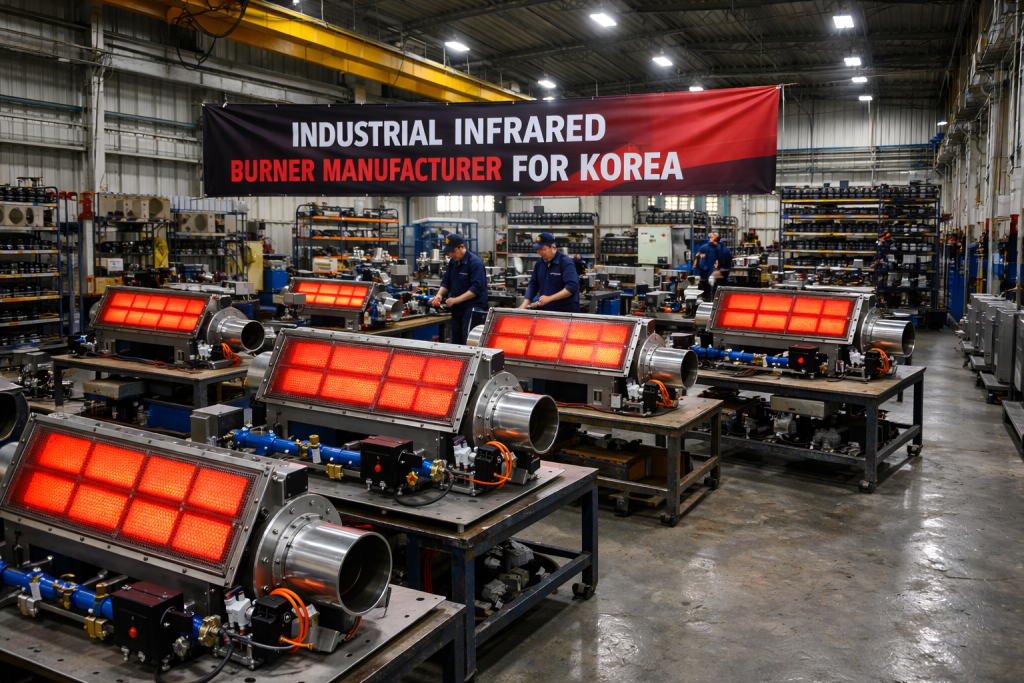
If you’re involved in Korean manufacturing, you know how crucial efficient heating solutions are to your production process. Industrial infrared burners offer a powerful way to boost your operations with stable, consistent heat that saves time and energy.
But how do you choose the right burner that fits your unique needs and keeps your equipment running smoothly? You’ll discover why industrial infrared burners are a game-changer for Korean manufacturers. You’ll learn what makes them stand out and how they can improve your production quality and efficiency.
Keep reading to find out how these burners can transform your manufacturing line and give you a competitive edge.
Credit: hengyiburners.com
Benefits Of Infrared Burners
Infrared burners offer many advantages for Korean manufacturing companies. These burners use infrared radiation to heat objects directly. This method improves overall production efficiency and lowers costs. Below are some key benefits that make infrared burners a smart choice for industries.
Energy Efficiency Gains
Infrared burners use energy more effectively than traditional burners. They deliver heat directly to the product, reducing wasted energy. This means less fuel consumption and lower energy bills. Many factories see a significant drop in operating costs after switching.
Enhanced Heat Transfer
Heat transfer with infrared burners is faster and more uniform. The burners heat surfaces without needing to warm the surrounding air. This improves product quality and shortens heating times. Faster heating helps increase production speed and output.
Reduced Emissions
Infrared burners produce fewer harmful emissions compared to conventional burners. They burn fuel more completely, reducing pollutants like carbon monoxide and nitrogen oxides. This cleaner operation supports environmental regulations and creates a safer workplace.
Credit: www.twothousand.com
Applications In Korean Manufacturing
Industrial infrared burners play a vital role in various Korean manufacturing sectors. They provide efficient heating solutions that improve productivity and reduce energy costs. These burners offer precise temperature control and fast heat-up times. Korean companies use them to enhance product quality and streamline production processes.
Many industries benefit from the consistent and uniform heat that infrared burners deliver. This technology supports high-volume manufacturing while maintaining strict quality standards. Korean manufacturers value infrared burners for their reliability and eco-friendly operation.
Metal Processing
Infrared burners heat metals quickly and evenly. This process is crucial for tasks like annealing, tempering, and drying coatings. The burners ensure metals reach the right temperature without overheating. Korean metal factories rely on this technology to increase efficiency and reduce waste. The precise heat improves the strength and durability of metal products.
Automotive Production
Automotive manufacturers use infrared burners for paint drying and curing. The burners provide uniform heat that speeds up the process. This reduces production time and lowers energy use. Infrared burners also help in plastic forming and bonding parts. Korean car makers achieve consistent finishes and better product quality with this heat source.
Electronics Assembly
Infrared burners supply controlled heat for soldering and curing in electronics. They prevent damage to sensitive components by offering gentle, even heat. Korean electronics companies use these burners to improve assembly precision and reliability. The technology supports faster production cycles and reduces defects. Infrared heat ensures strong connections and longer device life.
Types Of Industrial Infrared Burners
Industrial infrared burners play a key role in many manufacturing processes in Korea. These burners provide efficient, intense heat for drying, curing, and heating materials. Different types of infrared burners suit various industrial needs. Understanding each type helps companies choose the best option for their operations.
Ceramic Infrared Burners
Ceramic infrared burners use ceramic materials to emit heat. They produce radiant heat that penetrates materials evenly. These burners are energy-efficient and have a long lifespan. They work well in applications requiring consistent and uniform heat.
Gas-fired Infrared Burners
Gas-fired infrared burners burn natural gas or propane to generate infrared heat. They provide high heat intensity and fast response times. These burners are common in heavy industrial use due to their power and cost-effectiveness. They also offer stable combustion and easy control.
Electric Infrared Heaters
Electric infrared heaters use electricity to produce infrared radiation. They are clean, with no emissions or flames. These heaters are ideal for precise temperature control and smaller-scale applications. Maintenance is simple, and they operate quietly.
Key Features To Consider
Choosing the right industrial infrared burner is crucial for Korean manufacturing companies. These burners must offer reliable performance and meet specific production needs. Understanding key features helps in selecting a burner that fits well with your operations. Focus on combustion stability, heat output control, and durability to ensure efficiency and safety.
Combustion Stability
Stable combustion guarantees consistent heat output. It reduces the risk of flame failure and unsafe conditions. A burner with good combustion stability uses precise air and fuel mixing. This feature helps maintain a steady flame under varying conditions. It also lowers emissions and fuel consumption. Reliable combustion is vital for smooth manufacturing processes.
Heat Output Control
Accurate heat output control allows fine-tuning of the burner’s temperature. It ensures the process temperature stays within required limits. Adjustable heat output improves product quality and reduces waste. Look for burners with easy-to-use controls and fast response times. Good heat control supports energy savings and operational flexibility.
Durability And Maintenance
Durability is important for long-term use in harsh industrial environments. Choose burners made from high-quality materials resistant to corrosion and wear. Low maintenance requirements reduce downtime and operational costs. Check if the burner design allows quick access for cleaning and repairs. A durable burner keeps your production running smoothly and safely.
Leading Manufacturers And Suppliers
Choosing the right industrial infrared burner is critical for Korean manufacturing companies. The market offers many manufacturers and suppliers. Both global brands and local companies provide quality options. Understanding these sources helps businesses make informed decisions.
Global Brands Serving Korea
Several global manufacturers supply infrared burners to Korea. These brands have proven technology and reliability. They offer products designed for high efficiency and long life. Many global brands meet international safety and environmental standards. Their burners suit various industrial heating applications. Companies like Selas, Infratec, and Hengyi serve Korean factories with advanced solutions.
Local Korean Manufacturers
Local Korean manufacturers produce infrared burners tailored for domestic needs. They focus on customization and quick service. Local companies often provide better support and faster delivery. They understand Korean industry standards and regulations well. These manufacturers compete by offering cost-effective and reliable burners. Choosing a local supplier can simplify maintenance and spare parts sourcing.
Supplier Selection Tips
Check the supplier’s experience in industrial infrared burners. Verify product certifications and compliance with Korean standards. Assess the quality of combustion technology and burner efficiency. Look for suppliers offering good after-sales service and technical support. Request references or case studies from similar industries. Compare prices but prioritize long-term reliability and safety. A well-chosen supplier contributes to smoother operations and cost savings.
Installation And Integration
Installing and integrating industrial infrared burners in Korean manufacturing plants requires careful planning. Proper setup ensures efficient operation and long-term reliability. It also helps to meet production goals while maintaining safety standards.
Each step during installation influences the overall performance of the burner system. Coordination between equipment and existing systems is critical. This section covers key factors to consider for smooth integration.
System Compatibility
Check compatibility between infrared burners and existing equipment. Confirm fuel types and supply systems match burner specifications. Verify electrical and control systems can support the new burners. Choose models that fit the plant’s size and production needs. Proper matching prevents operational issues and reduces downtime.
Safety Measures
Install burners following all local safety codes and regulations. Use proper ventilation to avoid gas buildup. Equip systems with flame detectors and automatic shutoff valves. Train staff on emergency procedures related to infrared burners. Prioritize safety to protect workers and equipment.
Optimizing Burner Layout
Design the burner layout to maximize heat distribution and efficiency. Position burners for even heating across surfaces. Avoid placing burners too close to avoid overheating. Consider space constraints and maintenance access. A well-planned layout improves fuel use and extends burner life.
Cost And Return On Investment
Choosing industrial infrared burners involves careful consideration of costs and potential returns. Korean manufacturing companies must weigh initial expenses against future savings. Smart investment decisions lead to better budget management and operational efficiency.
Initial Investment Factors
The cost of industrial infrared burners depends on burner type and size. Installation charges vary based on factory setup and existing infrastructure. Quality and brand reputation also influence pricing. Some models include advanced features that may increase initial costs. Factoring in maintenance equipment and training adds to the upfront budget.
Operational Savings
Infrared burners use fuel efficiently, reducing energy expenses. They offer faster heat-up times, cutting production delays. Lower fuel consumption means fewer emissions and compliance costs. Maintenance needs are minimal compared to traditional burners. These savings improve overall factory productivity and reduce operating budgets.
Payback Period Expectations
Payback time typically ranges from one to three years. Companies with high production volumes see quicker returns. Energy cost reductions contribute significantly to recouping the initial investment. Regular monitoring ensures the burner performs optimally to meet payback goals. Clear financial planning helps predict and track return schedules.
Maintenance Best Practices
Maintaining industrial infrared burners is key for Korean manufacturers. Proper care ensures consistent performance and safety. It also reduces downtime and repair costs. Follow best practices for maintenance to keep your burners running smoothly.
Routine Inspection
Inspect burners regularly to catch early problems. Check for cracks, corrosion, and dirt buildup. Examine gas lines and connections for leaks. Verify the flame pattern and intensity. Clean burners to remove dust and debris. Keep inspection records for tracking issues over time.
Troubleshooting Common Issues
Address common problems quickly to avoid damage. If the burner fails to ignite, check the gas supply and ignition system. Uneven heating may signal clogged burner ports or incorrect air-fuel mix. Strange noises often indicate loose parts or blockages. Follow manufacturer guidelines to fix these problems safely and effectively.
Extending Burner Lifespan
Extend burner life with proper use and care. Avoid running burners at maximum capacity constantly. Use quality fuel to prevent residue buildup. Replace worn parts promptly to maintain efficiency. Schedule professional maintenance annually for thorough checks. Proper storage during off-seasons protects burners from damage.
Future Trends In Infrared Burner Technology
The future of industrial infrared burners holds exciting advancements for South Korean manufacturing companies. Technology is evolving to improve efficiency, reduce emissions, and meet specific industrial needs. These innovations will help factories operate smarter and cleaner. They will also provide more control over the heating process, saving energy and costs.
Smart Controls And Automation
Infrared burners will increasingly include smart controls. These systems can adjust the burner’s output automatically. Sensors monitor temperature and fuel use in real time. Automation improves precision and reduces human error. This leads to better product quality and energy savings. Factories can also track burner performance remotely. This helps in maintenance and avoids downtime.
Eco-friendly Innovations
New infrared burners focus on eco-friendly designs. They use cleaner fuels and produce fewer emissions. Advanced combustion techniques lower nitrogen oxide and carbon monoxide output. Materials with better heat retention reduce fuel consumption. These burners support environmental regulations and reduce factory carbon footprints. Korean manufacturers benefit from greener operations and possible cost incentives.
Customization For Industry Needs
Manufacturers will offer more customized infrared burner solutions. Burners can be tailored for specific processes and materials. Options include different sizes, heat intensities, and flame shapes. Custom burners improve heating efficiency and product consistency. Companies can choose models that fit their unique production lines. This flexibility supports diverse manufacturing sectors in Korea.

Credit: m.made-in-china.com
Frequently Asked Questions
What Are Industrial Infrared Burners Used For?
Industrial infrared burners provide efficient, high-intensity heat for manufacturing processes. They are ideal for drying, curing, heating, and baking applications in factories.
Why Choose Infrared Burners For Korean Manufacturers?
Infrared burners offer stable combustion and energy savings. Korean manufacturers benefit from improved product quality and reduced operational costs.
How Do Infrared Burners Improve Manufacturing Efficiency?
They deliver focused heat quickly and evenly. This reduces process time and energy consumption, boosting overall production efficiency.
Are Infrared Burners Environmentally Friendly?
Yes, infrared burners produce lower emissions compared to traditional burners. They help Korean companies meet strict environmental regulations.
Conclusion
Industrial infrared burners help Korean manufacturers save energy and reduce costs. They offer stable and efficient heat for various industrial needs. Choosing the right burner improves production quality and speed. These burners also support cleaner operations with lower emissions. Investing in reliable technology benefits long-term growth and sustainability.
Korean companies gain a competitive edge by adopting advanced infrared burners. Simple, effective heating solutions meet the demands of modern manufacturing. The right burner makes a clear difference in daily operations.