
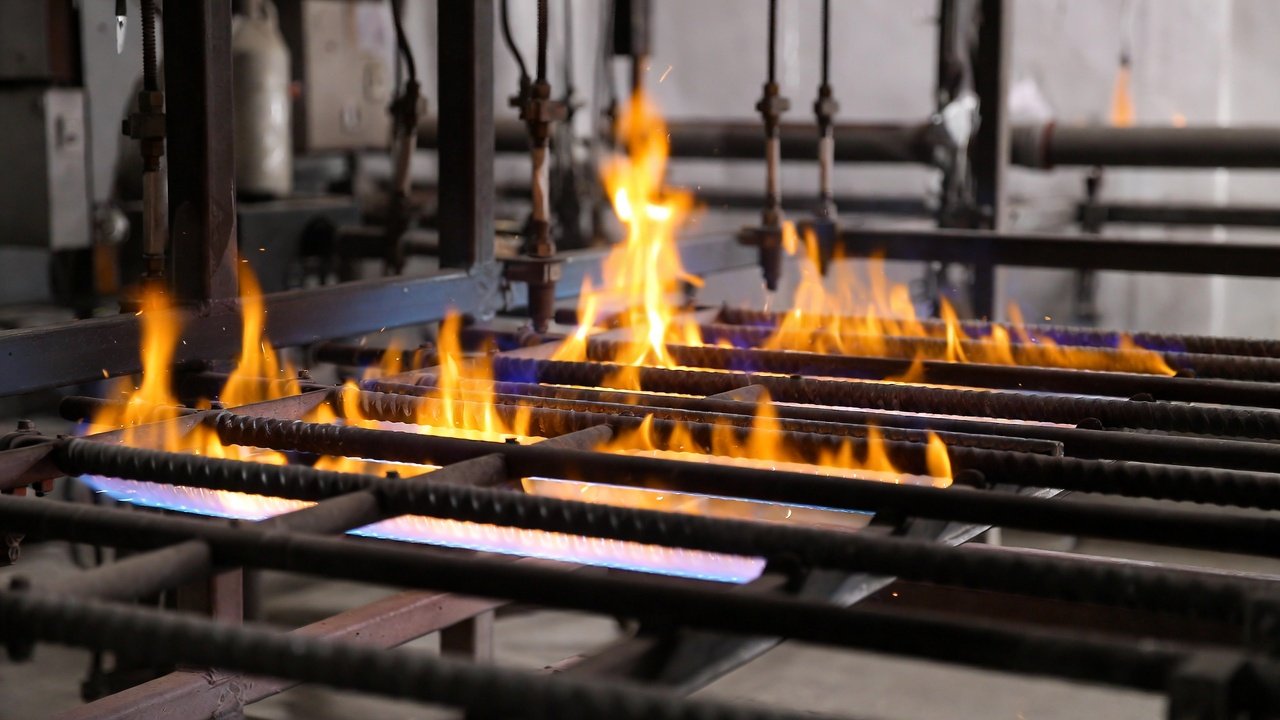
Are you looking for a way to boost the efficiency of your industrial heating processes? Infrared gas burners might be the solution you need.
These burners deliver fast, even heat and can help you save energy while improving your production quality. You’ll discover how infrared gas burners work and why they are becoming essential in industries like manufacturing, drying, and curing. Keep reading to find out how you can transform your heating systems and get the best results with this innovative technology.
Different industrial processes require different burner designs, heating capacities, and operating temperatures. Explore our industrial infrared gas burner solutions for drying, curing, food processing, powder coating, and other industrial heating applications.
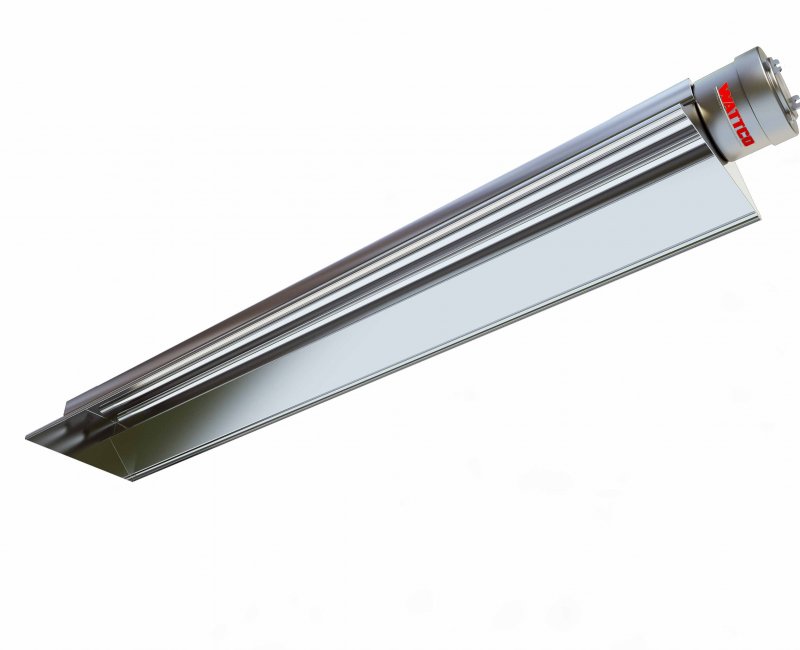
Credit: www.wattco.com
Infrared Gas Burners Basics
Infrared gas burners are essential tools in industrial heating processes. They use infrared radiation to transfer heat directly to objects or surfaces. This method offers fast and efficient heating, reducing energy waste. Understanding the basics of these burners helps in choosing the right one for specific industrial needs.
If you are new to this technology, you can first learn what an infrared gas burner is and understand its main features and benefits.
Infrared gas burners are popular in many industries such as metalworking, drying, and curing. Their design and operation differ from traditional burners. Learning how they work and their types is important for optimal use.
How Infrared Burners Work
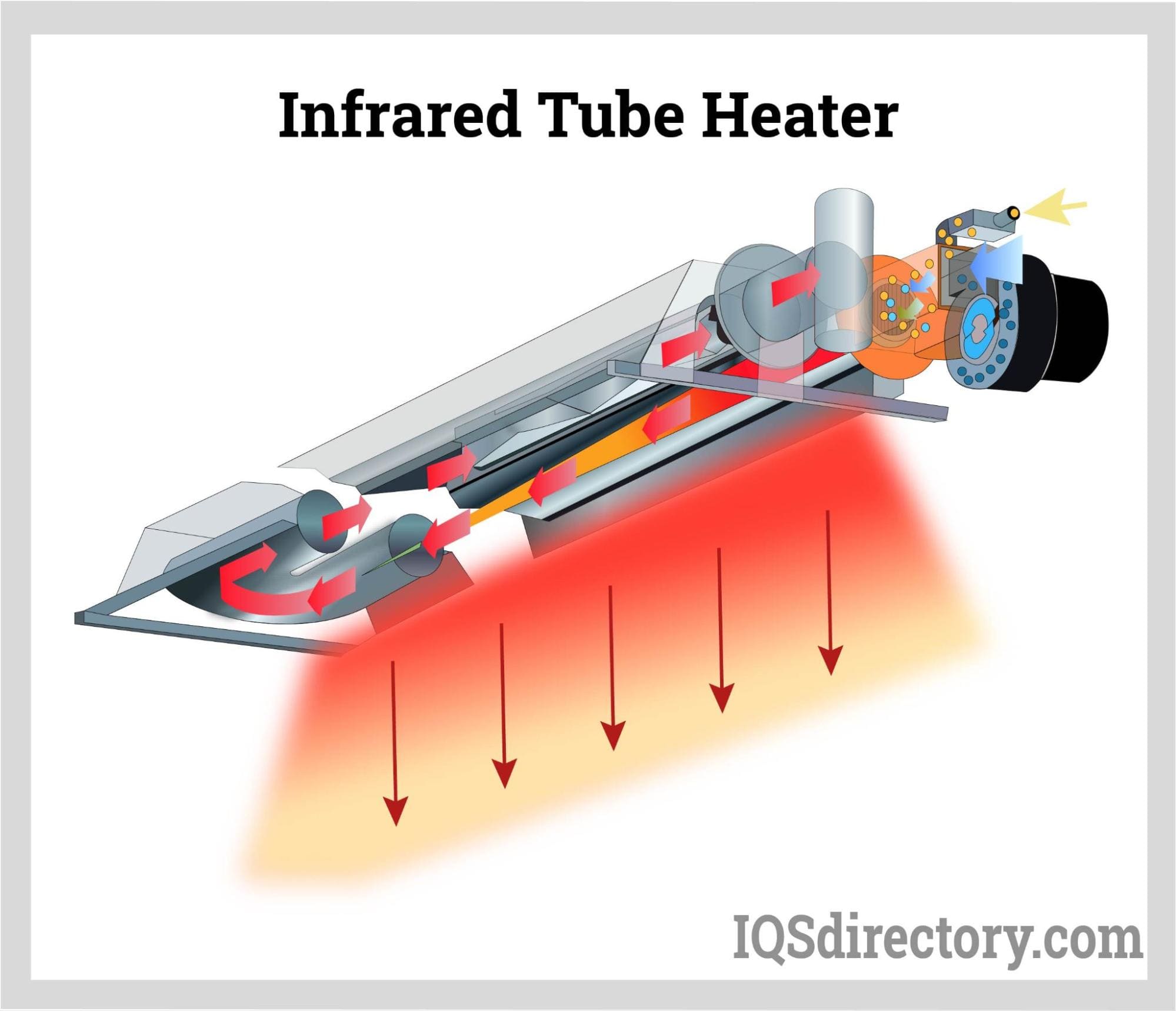
Infrared burners burn gas to create heat energy. This heat produces infrared radiation, a type of light invisible to the human eye. The radiation travels in waves and heats objects directly without heating the air. This direct heating saves time and energy. The burner surface emits infrared rays, which heat the target quickly and evenly.
Types Of Infrared Burners
There are mainly two types of infrared burners: catalytic and radiant. Catalytic burners use a special material that heats up and emits infrared rays. Radiant burners have a ceramic or metal surface that glows when heated. Each type suits different industrial heating tasks. Some burners are designed for low temperature, others for high temperature applications.
Choosing the right burner type depends on the required temperature, heating area, material, and industrial process. You can explore our range of infrared gas burner products for different industrial heating requirements.
Key Performance Features
Infrared gas burners offer quick heat-up times and high thermal efficiency. They provide uniform heat distribution over the surface area. Many models allow easy control of temperature and flame size. Their compact design fits well in tight spaces. They also reduce emissions compared to traditional burners. Durable materials ensure long service life even in harsh environments.
Credit: www.iqsdirectory.com
Industrial Heating Applications
Infrared gas burners play a vital role in many industrial heating applications. They provide efficient, even heat, which helps improve product quality and reduce energy costs. Industries benefit from their quick heating and precise temperature control.
These burners are used in processes that need consistent and controlled heat. Their ability to deliver direct radiant heat makes them ideal for tough industrial environments.
Metal Processing
Infrared gas burners help heat metals for shaping and treating. They are used in forging, annealing, and tempering. The burners heat metal quickly without overheating. This prevents damage and improves metal strength.
Food Industry
In the food industry, these burners dry and cook food products. They provide uniform heat, which keeps food quality high. Infrared heating reduces cooking time and saves energy. It is common in baking, roasting, and drying processes.
For food drying, baking, roasting, and other radiant heating processes, the burner surface can also play an important role in heat distribution. Explore our honeycomb ceramic plates for infrared gas burner applications.
Glass Manufacturing
Glass production needs precise heating to shape and cool glass. Infrared gas burners supply steady heat to melt raw materials. They help control temperature during forming and annealing. This leads to better glass clarity and strength.
Plastic And Rubber Curing
Infrared burners cure plastics and rubber efficiently. The heat activates chemical reactions to harden materials. They ensure even curing without overheating parts. This improves product durability and reduces defects.
Efficiency Advantages
Infrared gas burners offer clear efficiency advantages for industrial heating. These burners use infrared radiation to heat objects directly. This method reduces wasted energy and improves overall performance. The result is lower fuel consumption and faster heating cycles.
Industries using infrared gas burners can expect better control over heating processes. The efficiency gains translate into cost savings and less environmental impact. Below are key benefits that highlight these efficiency advantages.
The efficiency benefits of infrared heating become clearer when the technology is compared with conventional open-flame heating methods. You can learn more about infrared gas burners compared with traditional burners and their differences in heat transfer, fuel efficiency, and performance.
Energy Savings
Infrared gas burners convert most fuel energy into usable heat. This direct heat transfer means less energy loss. Plants save money on fuel bills due to higher burner efficiency. Infrared burners reduce the need for extra heating equipment. This efficiency lowers operating costs significantly.
Faster Heating Times
Infrared burners heat surfaces quickly by targeting them directly. This reduces the time needed to reach desired temperatures. Faster heating improves production speed and output. Shorter heating cycles also mean less energy use overall. This speed advantage helps industries meet tight deadlines.
Reduced Emissions
Infrared gas burners produce cleaner combustion than traditional burners. They emit fewer pollutants like carbon monoxide and nitrogen oxides. Lower emissions help factories comply with environmental regulations. Cleaner burning also improves air quality around industrial sites. This makes infrared burners a greener heating option.
Installation And Maintenance
Installing and maintaining infrared gas burners is key to their performance in industrial heating. Proper setup ensures efficient heat output and safety. Regular care extends burner life and reduces downtime.
Design Considerations
Choose the right burner size for the heating area. Ensure fuel and air supply meet burner specifications. Position burners for even heat distribution. Allow enough space for air flow and maintenance access. Use materials that withstand high temperatures and corrosion.
Common Challenges
Poor installation can cause uneven heating and fuel waste. Dirt and debris may block burner ports. Incorrect fuel pressure leads to unstable flames. Overheating damages burner parts. Lack of regular checks increases breakdown risk.
Maintenance Tips
Clean burners regularly to remove soot and dust. Check fuel lines and connections for leaks. Inspect flame quality and adjust air-fuel mix as needed. Replace worn or damaged parts promptly. Schedule routine inspections to catch issues early.
Case Studies
Infrared gas burners have proven their value across many industries. Real-world case studies reveal how these burners improve heating efficiency and cut costs. These examples offer clear insights into their practical benefits and applications.
Examining these cases helps businesses see the potential impact on their operations. The following sections highlight success stories and energy-saving results from actual industrial settings.
Manufacturing Plant Success
A metal fabrication plant replaced old heating systems with infrared gas burners. The new system provided faster heat-up times and more even temperature control. Production speed increased by 20%, reducing downtime.
Workers reported better working conditions due to lower ambient heat. Maintenance costs dropped because the burners required less frequent repairs. Overall, the plant saw improved product quality and less waste.
Energy Cost Reduction Examples
A ceramics factory installed infrared gas burners to replace electric heaters. This switch cut energy use by 30%. The factory saved thousands on monthly utility bills.
The burners’ precise heat targeting reduced fuel consumption. The plant also lowered carbon emissions, supporting environmental goals. These savings helped the company invest in other efficiency upgrades.
Future Trends
Infrared gas burners are evolving fast. The future holds many changes that will shape industrial heating. These changes focus on better technology and green energy use. Industries expect more efficiency and less pollution from these burners.
As industrial heating technology continues to develop, manufacturers are looking for more efficient, controllable, and application-specific burner systems. Explore more infrared heating applications and available industrial burner solutions for different heating processes.
Technological Innovations
New designs improve heat distribution and control. Smart sensors will adjust heat automatically. This saves energy and keeps processes steady. Infrared burners will link with digital systems for easy monitoring. These updates reduce downtime and boost productivity.
Sustainability Focus
Eco-friendly fuels will gain popularity in burners. Lower emissions will meet stricter environmental rules. Companies will use infrared burners to cut carbon footprints. Energy-saving models will reduce waste and cost. Cleaner technology means safer workplaces and a healthier planet.
Frequently Asked Questions
What Industries Use Infrared Gas Burners For Heating?
Infrared gas burners are widely used in metal processing, ceramics, food, and automotive industries. They provide efficient, uniform heating and reduce energy consumption. These burners offer precise temperature control, making them ideal for various industrial heating applications.
How Do Infrared Gas Burners Improve Heating Efficiency?
Infrared gas burners convert fuel into radiant heat with minimal energy loss. They deliver direct heat to surfaces, reducing heat waste. This efficient heat transfer lowers fuel consumption and enhances overall industrial heating performance.
Are Infrared Gas Burners Safe For Industrial Use?
Yes, infrared gas burners are designed with safety features like automatic shutoff and flame detection. They operate at controlled temperatures, minimizing risks. Proper installation and maintenance ensure safe and reliable operation in industrial environments.
Can Infrared Gas Burners Reduce Industrial Energy Costs?
Infrared gas burners provide targeted heating, cutting down energy waste. Their high thermal efficiency lowers fuel usage and operational costs. Many industries report significant energy savings after switching to infrared burners.
Need an Infrared Burner for Your Industrial Application?
The right infrared gas burner depends on your production process, heating area, operating temperature, fuel type, and efficiency requirements. If you need help selecting a burner for drying, curing, food processing, powder coating, or another industrial application, contact our team to discuss your project requirements.
Conclusion
Infrared gas burners play a key role in industrial heating. They heat quickly and use energy efficiently. Many industries trust them for drying, curing, and baking tasks. Their ability to provide even heat helps improve product quality. These burners also reduce downtime and maintenance costs.
Choosing the right burner can save money and boost productivity. Industrial processes benefit from their reliable and steady heat output. A smart choice for businesses seeking efficient heating solutions.