HENGYI BURNERS

Gas Burners for Food Drying Equipment in Indonesia: Ultimate Guide

If you’re involved in food drying in Indonesia, you know how crucial reliable heating is to your process. That’s where gas burners for food drying equipment come in.

They provide consistent, efficient heat that helps preserve your products’ quality and extend shelf life. But with so many options out there, how do you choose the right gas burner for your needs? This article will guide you through the key benefits of using gas burners, what to look for in the Indonesian market, and how to get the best performance for your food drying equipment.

Keep reading to find out how the right gas burner can transform your drying process and boost your business.

Gas Burners for Food Drying Equipment in Indonesia: Ultimate Guide

Credit: zhongliweiye.en.made-in-china.com

Gas Burner Types

Gas burners play a vital role in food drying equipment in Indonesia. Different types of burners offer unique benefits for drying processes. Choosing the right burner type improves efficiency and product quality. Below are common gas burner types used in food drying machines.

Infrared Gas Burners

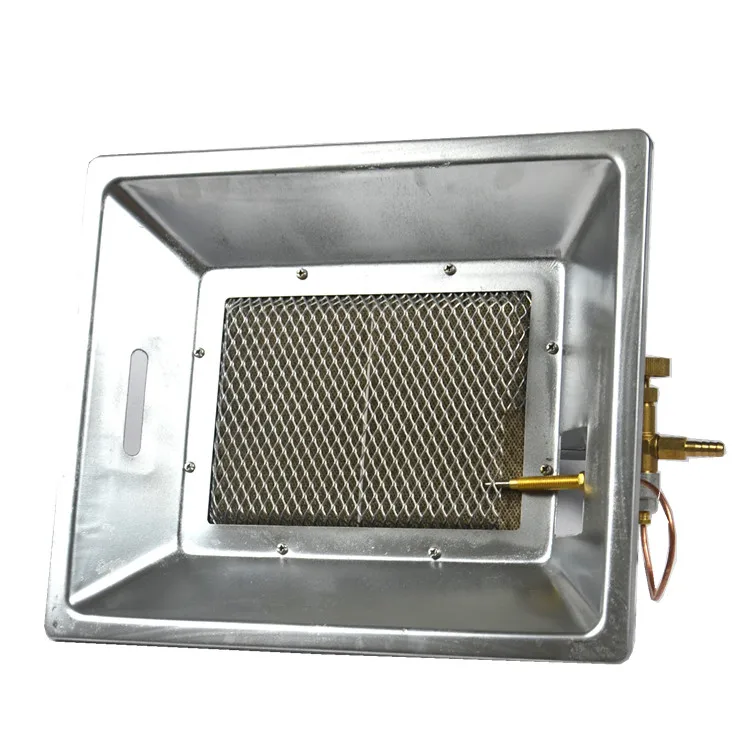
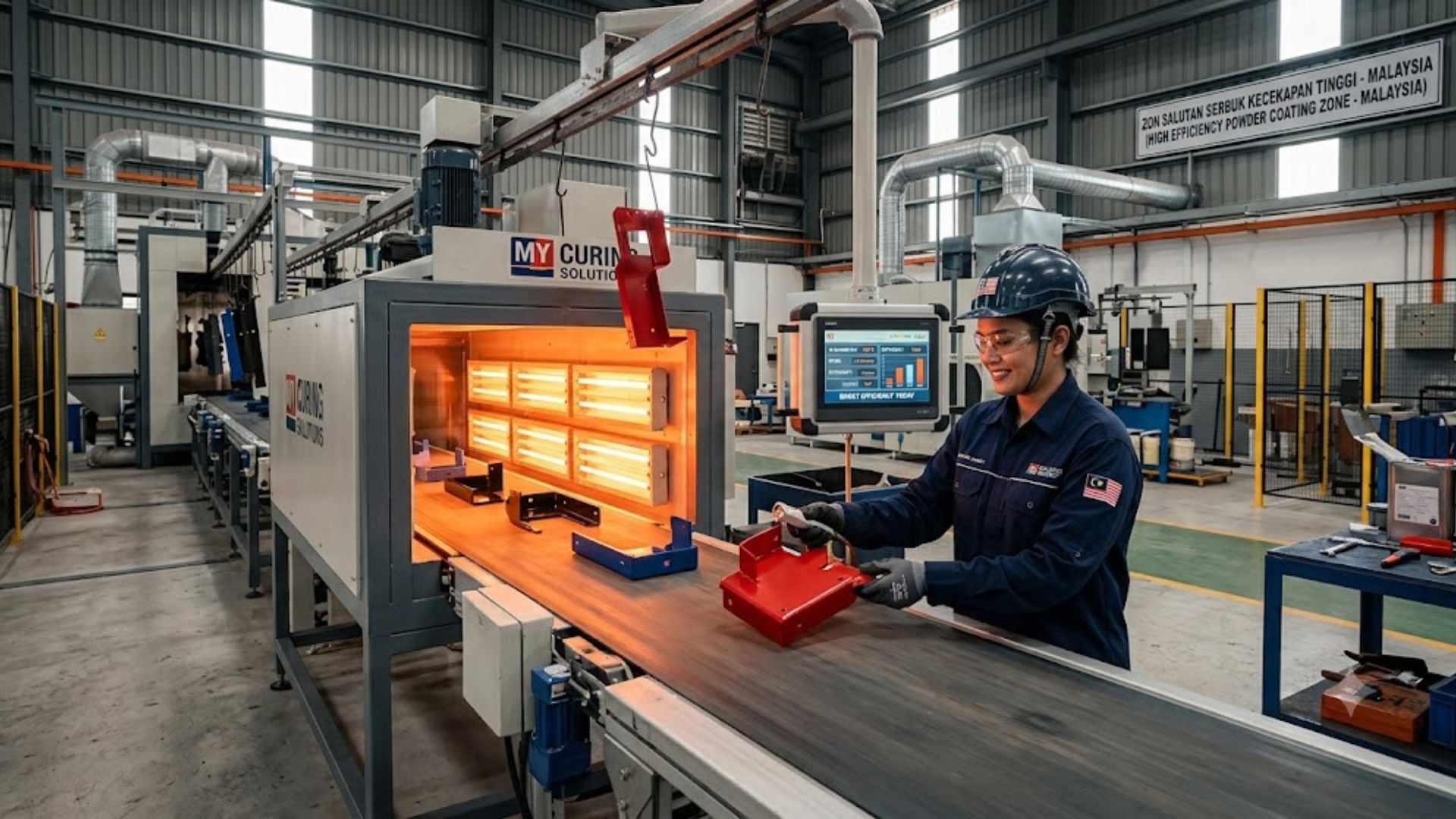
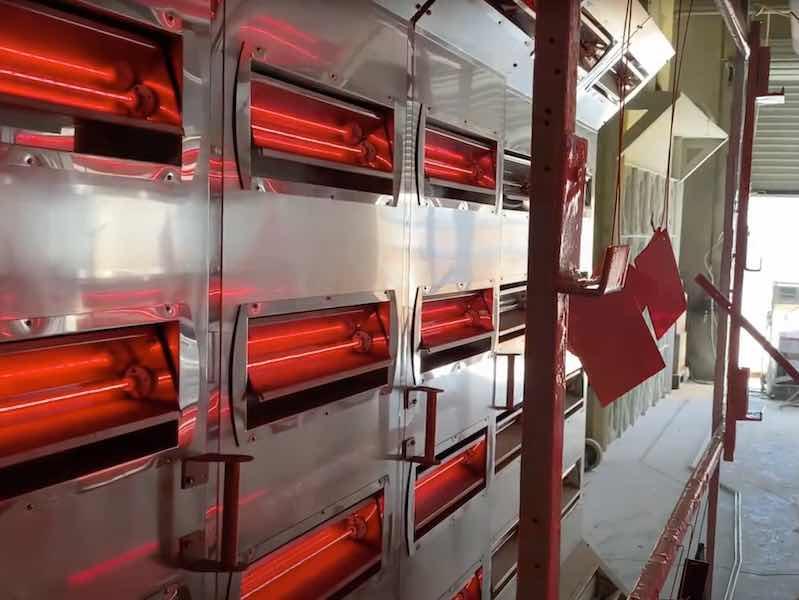
Infrared gas burners emit heat using infrared radiation. This heat transfers directly to the food, speeding up drying. They provide even heat distribution and reduce energy waste. Infrared burners lower drying time and improve product taste. Many food drying businesses in Indonesia prefer them for these reasons.

Natural Gas Burners

Natural gas burners burn clean fuel with low emissions. Indonesia has a good supply of natural gas, making these burners cost-effective. They produce steady heat, ideal for consistent drying results. These burners are common in large-scale food drying operations. Their easy control helps maintain precise temperature levels.

Lpg Burners

LPG burners use liquefied petroleum gas as fuel. LPG is widely available and portable, suitable for remote areas. These burners ignite quickly and offer strong heat output. Many small and medium food drying businesses in Indonesia rely on LPG burners. They are simple to install and maintain.

Ceramic Honeycomb Technology

This technology uses ceramic honeycomb structures inside burners. It improves heat transfer and combustion efficiency. Ceramic honeycomb burners produce uniform heat and lower fuel consumption. They also reduce harmful emissions, supporting eco-friendly drying. Many modern food dryers in Indonesia incorporate this technology for better performance.

Benefits Of Gas Burners

Gas burners play a vital role in food drying equipment in Indonesia. They offer several advantages that improve the drying process. These benefits include better energy use, cost savings, environmental friendliness, and precise heat control. Understanding these advantages helps businesses choose the right drying solution.

Energy Efficiency

Gas burners use fuel in a way that maximizes energy output. This means more heat is produced with less fuel. Efficient energy use lowers fuel consumption and reduces waste. It also helps maintain a steady drying temperature. This efficiency is crucial for food drying, which requires consistent heat.

Cost-effectiveness

Using gas burners can lower operational costs. Gas is often cheaper than electric power in many parts of Indonesia. The burners need less maintenance compared to other heat sources. This saves money on repairs and downtime. Businesses can dry food faster and save on energy bills.

Environmental Impact

Gas burners produce fewer emissions than many traditional fuels. They burn cleaner, releasing less smoke and pollutants. This helps reduce the carbon footprint of food drying operations. Cleaner burning gas supports a healthier environment. It also meets stricter environmental regulations in Indonesia.

Heat Control And Consistency

Gas burners offer precise heat control. Operators can adjust the flame to reach the desired temperature quickly. This control ensures uniform drying of food products. Consistent heat prevents over-drying or under-drying. It improves the quality and shelf life of dried foods.

Food Drying Equipment

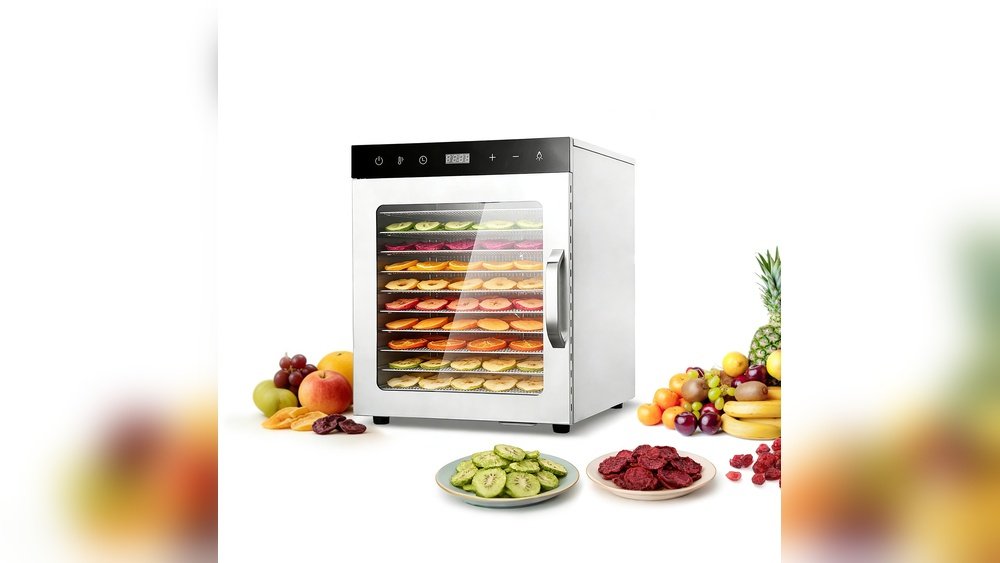
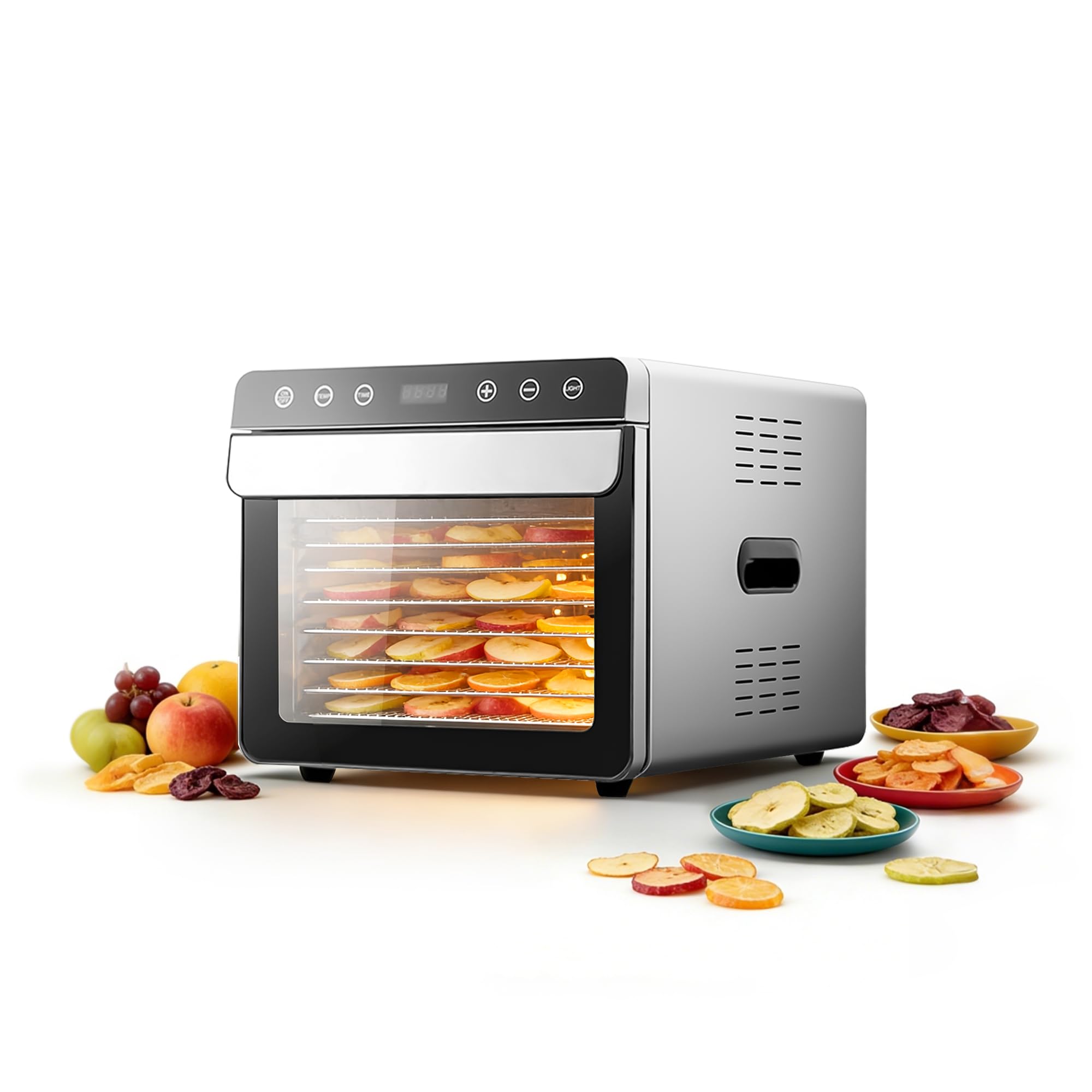
Food drying equipment plays a vital role in Indonesia’s food processing industry. It helps preserve food by removing moisture. This process increases shelf life and maintains food quality. Efficient drying also reduces transportation costs and prevents spoilage. Many types of equipment use gas burners for heating. Gas burners provide consistent heat, making drying faster and more reliable.

Different drying systems serve various industries, from agriculture to large-scale food manufacturing. Each system uses specific technology to meet drying needs. Understanding these systems helps choose the right equipment for any drying task.

Industrial Dryers

Industrial dryers handle large volumes of food products. They use gas burners to generate steady heat for drying. These dryers are common in food factories across Indonesia. They work well with grains, spices, and processed foods. Industrial dryers ensure uniform drying and save energy. Their design allows easy control of temperature and airflow. This control prevents overheating and food damage.

Agricultural Dryers

Agricultural dryers focus on drying fresh crops like coffee, cocoa, and spices. Farmers use gas burners to speed up drying after harvest. This method helps reduce post-harvest losses. Agricultural dryers are usually smaller but effective. They protect crops from mold and insects. These dryers improve the quality and market value of produce.

Thermal Driven Ejector Systems

Thermal driven ejector systems use heat from gas burners to create airflow. This airflow removes moisture from food quickly. These systems are energy-efficient and reliable. They work well in tropical climates like Indonesia’s. The ejector system reduces drying time and lowers fuel use. It suits drying sensitive foods that need gentle heat.

Mechanical Chilling Integration

Mechanical chilling integration combines drying with cooling. After drying, food passes through a chilling process. This step stops further moisture loss and preserves texture. Gas burners provide heat, then mechanical chillers cool the product. This method is common in drying fruits and vegetables. It helps keep food fresh and attractive for longer.

Gas Burners In Indonesian Market

Gas burners play a vital role in food drying equipment across Indonesia. They provide reliable heat essential for drying various food products efficiently. The Indonesian market shows growing interest in advanced gas burner technologies to improve drying processes. Understanding key aspects of this market helps businesses and manufacturers make informed decisions.

Leading Suppliers And Manufacturers

Indonesia hosts several well-known gas burner suppliers. Companies like Hengyi and Bejo Burner offer high-quality burners tailored for industrial use. These suppliers focus on durability and energy efficiency. Local manufacturers also adapt designs to fit Indonesian food drying needs. Their products often support both LPG and natural gas fuel types.

Local Fuel Availability

LPG and natural gas are widely available fuels in Indonesia. Many regions rely on LPG due to its portability and ease of storage. Natural gas supply grows steadily in urban and industrial areas. Access to these fuels ensures continuous operation of gas burners. Fuel cost and availability directly affect the choice of burner technology.

Regulations And Standards

Indonesia enforces safety and environmental regulations for gas burners. These standards ensure burner designs meet emission and safety requirements. Manufacturers must comply with local laws to sell products in the market. Certification processes promote quality and safe operation. Businesses benefit from using compliant equipment to avoid legal issues.

Market Trends And Demand

Demand for efficient food drying equipment rises with Indonesia’s food processing growth. Energy-saving gas burners attract buyers focused on reducing costs. There is a shift towards burners with better combustion control and lower emissions. Innovation in burner technology meets both small-scale and industrial needs. The market favors reliable, easy-to-maintain gas burners.

Installation And Maintenance

Proper installation and maintenance of gas burners are crucial for food drying equipment in Indonesia. These steps ensure efficient operation and long service life. They also prevent accidents and costly repairs. Understanding key safety measures and routine care helps operators keep burners running smoothly.

Safety Considerations

Install gas burners in well-ventilated areas to avoid gas buildup. Use certified parts and follow local regulations strictly. Check all connections for leaks before starting the equipment. Keep fire extinguishers nearby in case of emergencies. Train staff on emergency shutdown procedures and proper burner handling. Never leave burners unattended during operation to prevent accidents.

Regular Maintenance Practices

Clean burner nozzles and surfaces regularly to remove soot and debris. Inspect gas lines and valves for signs of wear or damage. Replace filters and seals as recommended by the manufacturer. Test ignition systems and safety devices often to ensure they work correctly. Schedule routine inspections to catch issues early. Proper maintenance boosts burner efficiency and reduces fuel use.

Troubleshooting Common Issues

Slow ignition may indicate clogged nozzles or weak gas flow. Uneven flames could result from dirt buildup or faulty valves. Strange noises often signal loose parts or air in the gas line. If burners fail to light, check the gas supply and ignition spark. Address problems promptly to avoid damage or downtime. Keep a troubleshooting guide handy for quick fixes.

Service And Support Options

Choose suppliers that offer local service and spare parts in Indonesia. Technical support helps resolve complex burner issues faster. Some companies provide training for maintenance and operation. Extended warranties give peace of mind for costly repairs. Regular service contracts keep burners in peak condition year-round. Reliable support ensures minimal disruption to your drying process.

Choosing The Right Burner

Choosing the right gas burner for food drying equipment in Indonesia is crucial. The burner directly affects drying quality and energy use. Selecting a burner that fits the dryer type and meets performance needs ensures smooth operation. Consider fuel options, capacity, and budget to find the best match. This guide helps you make an informed choice.

Matching Burner To Dryer Type

Different dryers need different burners. Some dryers use infrared burners for fast drying. Others require conventional flame burners for steady heat. Check the dryer’s design and heating method. Use a burner that fits the dryer’s heating system. This match prevents damage and improves drying results.

Fuel Source Compatibility

Burners run on various fuels like natural gas or LPG. Confirm the fuel type available in your area. Use a burner compatible with local fuel sources. This reduces fuel costs and supply issues. Proper fuel matches also improve burner safety and efficiency.

Capacity And Performance Needs

Burner capacity must suit drying volume. Large-scale drying needs higher capacity burners. Small batches work well with low-capacity models. Check burner output to match drying speed and volume. Proper capacity ensures even drying and saves energy.

Budget And Efficiency Balance

Choose a burner that fits your budget and saves fuel. Higher efficiency burners cost more but reduce energy bills. Lower-cost burners may need more fuel and maintenance. Balance initial cost with long-term savings. Invest in quality burners for better performance and durability.

Future Trends

The future of gas burners for food drying equipment in Indonesia is promising. New trends focus on efficiency, sustainability, and advanced technology. These developments aim to improve performance and reduce environmental impact. Businesses adopting these trends gain advantages in cost and quality.

Innovations In Burner Technology

New burner designs use advanced materials for better heat transfer. Ceramic honeycomb technology improves heat distribution and fuel use. Improved burner shapes reduce emissions and increase safety. Research continues to find burners that dry food faster and more evenly.

Sustainability Initiatives

Energy-efficient burners help reduce fuel consumption significantly. Many companies switch to cleaner fuels like natural gas or biogas. Lower emissions protect air quality and meet stricter regulations. Sustainable practices in food drying support Indonesia’s environmental goals.

Smart Controls And Automation

Smart controls adjust the burner’s heat automatically for consistent drying. Sensors monitor temperature and humidity inside the drying chamber. Automation reduces human error and saves labor costs. Remote control systems allow operators to manage burners from anywhere.

Expansion Of Gas Infrastructure

Indonesia invests in expanding natural gas pipelines nationwide. More access to gas lowers fuel costs for food drying businesses. Improved infrastructure supports rural areas with modern drying technology. Reliable gas supply encourages wider use of gas burners in the food sector.
Gas Burners for Food Drying Equipment in Indonesia: Ultimate Guide

Credit: hakkabros.com

Gas Burners for Food Drying Equipment in Indonesia: Ultimate Guide

Credit: zhongliweiye.en.made-in-china.com

Frequently Asked Questions

What Types Of Gas Burners Are Used For Food Drying In Indonesia?

In Indonesia, LPG and natural gas burners are commonly used for food drying. These burners provide efficient, controllable heat ideal for drying various food products while maintaining quality and safety.

How Do Gas Burners Improve Food Drying Efficiency?

Gas burners offer precise temperature control and quick heat generation. This results in faster drying times and energy savings, essential for large-scale food drying operations in Indonesia.

Are Gas Burners Safe For Food Drying Equipment?

Yes, modern gas burners designed for food drying are safe when properly installed. They feature safety controls to prevent leaks and ensure consistent heat, protecting both operators and products.

What Maintenance Is Required For Gas Burners In Indonesia?

Regular cleaning, inspection, and burner tuning are essential. Proper maintenance ensures optimal performance, reduces fuel consumption, and extends the lifespan of food drying equipment.

Conclusion

Choosing the right gas burner improves food drying efficiency in Indonesia. Reliable burners save energy and maintain consistent heat. This leads to better quality dried food products. Many local suppliers offer burners suited to various fuels like LPG and natural gas.

Simple, effective equipment supports small and large food businesses alike. Investing in good gas burners helps growers and producers thrive. Quality drying ensures food lasts longer and meets market demands. Clean, controlled heat makes a big difference in drying results.

Consider burner options carefully to match your drying needs. The right choice supports sustainable and profitable food processing.
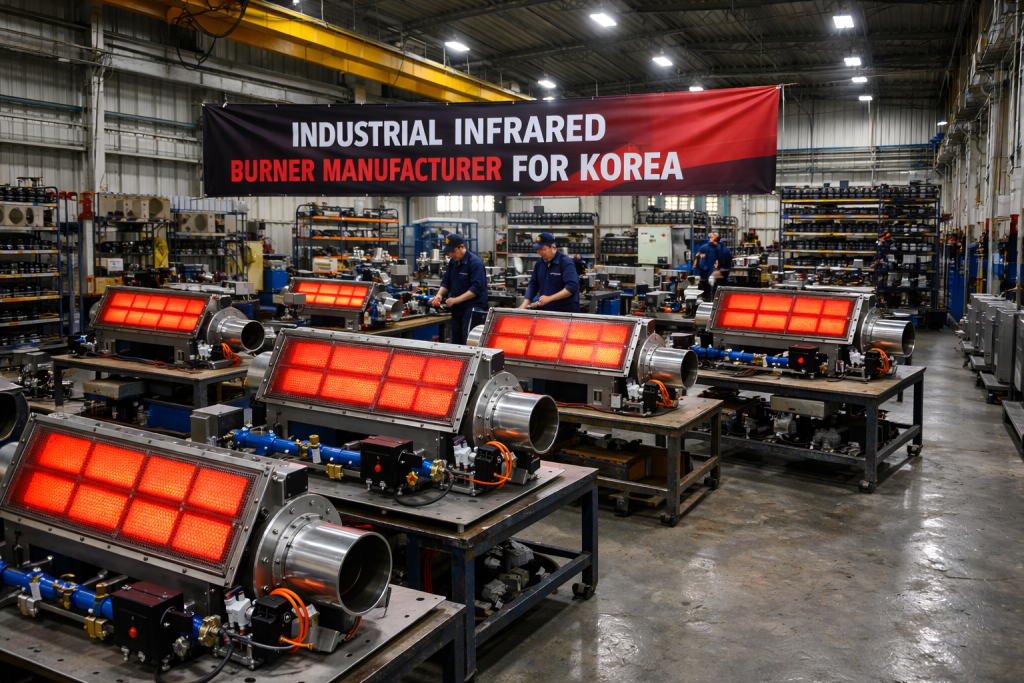
Industrial Infrared Burners for Korean Manufacturing Companies: Boost Efficiency

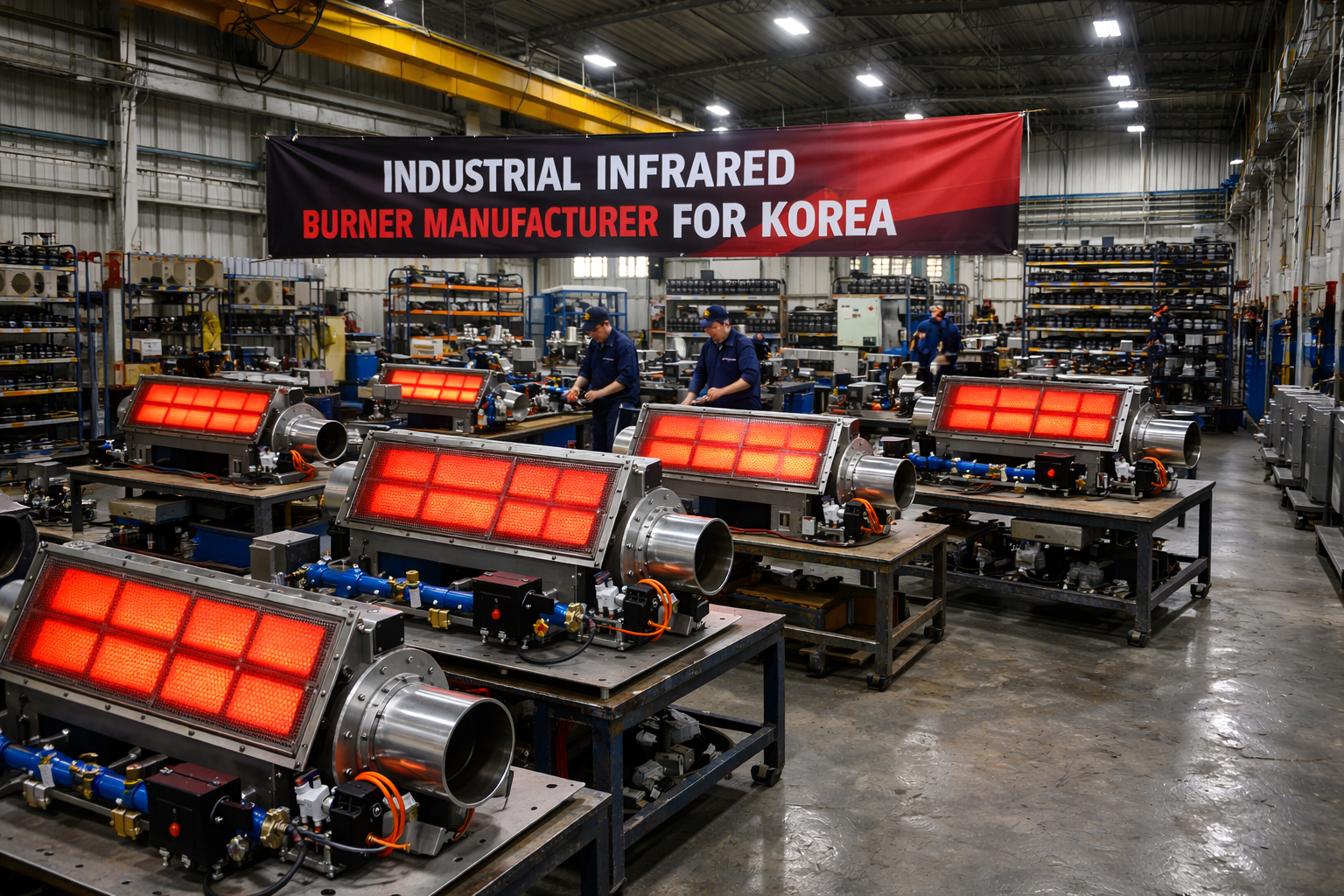
If you’re part of a Korean manufacturing company, you know how crucial efficient and reliable heating solutions are for your production lines. Industrial infrared burners could be the game-changer your operations need.

These burners deliver fast, uniform heat directly to your materials, helping you save energy while boosting productivity. Imagine cutting down your processing times and improving product quality—all with a technology designed to fit the unique demands of Korean industries. Ready to discover how industrial infrared burners can transform your manufacturing process?

Let’s dive in.

Industrial Infrared Burners for Korean Manufacturing Companies: Boost Efficiency

Credit: hengyiburners.com

Benefits Of Infrared Burners

Infrared burners provide several benefits to Korean manufacturing companies. These burners use infrared radiation to heat objects directly. This method improves heating efficiency and supports precise process control.

Choosing infrared burners enhances production quality while lowering energy use. These advantages make them ideal for various industrial applications in Korea.

Energy Efficiency And Cost Savings

Infrared burners convert most fuel into usable heat. They heat surfaces directly without wasting energy on air heating. This feature lowers fuel consumption and reduces operational costs. Faster heating times mean higher production rates and less downtime. Korean manufacturers can save money while boosting output.

Uniform Heating And Process Control

Infrared burners deliver consistent heat across surfaces. This uniform heating prevents hot spots and material damage. Precise temperature control improves product quality and repeatability. Companies can maintain strict manufacturing standards with ease. Such control is essential for complex industrial processes.

Reduced Emissions And Environmental Impact

Infrared burners produce fewer harmful emissions than traditional burners. Lower fuel use means less carbon dioxide and pollutants released. This reduction helps Korean companies meet environmental regulations. Cleaner operations support a healthier workplace and community. Using infrared technology contributes to sustainable manufacturing.

Applications In Korean Manufacturing

Industrial infrared burners play a vital role in Korean manufacturing. These burners provide efficient, fast, and even heating. This technology suits many industrial processes. Korean factories use infrared burners to boost productivity and quality.

The ability to heat objects directly saves energy and time. Korean manufacturers benefit from better product finishes and lower costs. Below are key areas where infrared burners are widely applied.

Powder Coating And Surface Treatment

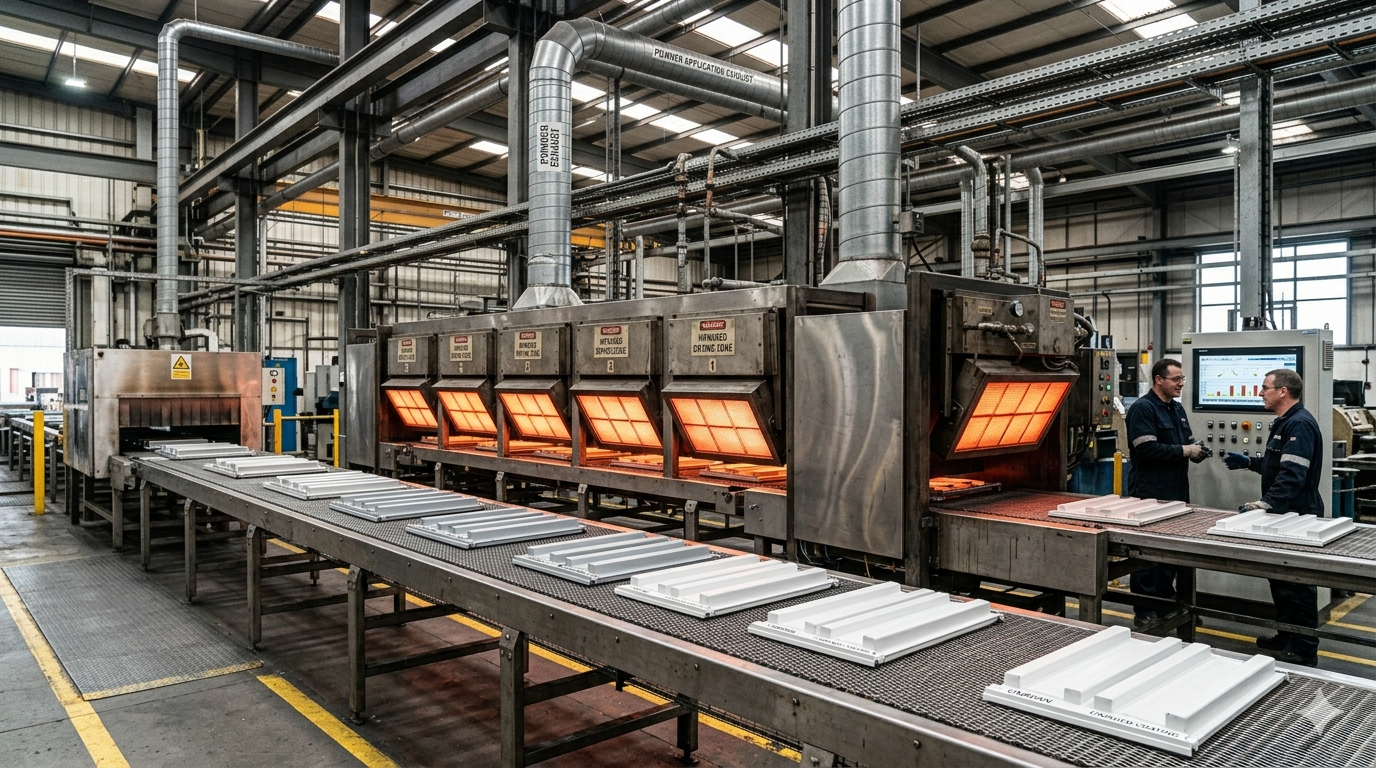
Infrared burners offer precise heat for powder coating lines. This ensures coatings cure evenly and strongly. Korean manufacturers achieve smooth, durable surfaces on metal parts. The fast heating reduces cycle times and energy use. Infrared heat improves adhesion and finish quality. It is ideal for automotive parts and electronics housings.

Food Processing And Drying

Infrared burners speed up drying in Korean food factories. They gently remove moisture without damaging products. This helps keep flavor, texture, and nutrients intact. Infrared heat suits snacks, grains, and seafood processing. The burners deliver consistent drying, reducing waste and improving shelf life.

Automotive And Electronics Industries

Infrared burners support precise heating in automotive manufacturing. They cure paints, adhesives, and coatings quickly and cleanly. Korean plants use this technology to increase production speed. In electronics, infrared heat aids in soldering and component drying. This leads to better product reliability and lower defects.

Choosing The Right Infrared Burner

Choosing the right industrial infrared burner is key for Korean manufacturing companies. The burner must fit the specific needs of the process. Efficiency, durability, and fuel type all play a role. A proper selection can reduce costs and improve product quality. Understanding different burner types and installation needs helps make the best choice.

Metal Vs Ceramic Burner Types

Metal infrared burners offer fast heating and good durability. They handle high temperatures well and cool down quickly. Ceramic burners provide more uniform heat and better energy efficiency. They are ideal for delicate processes requiring steady temperature. Choose metal burners for heavy-duty work and ceramic for precision heating.

Fuel Options And Combustion Technology

Infrared burners use natural gas, propane, or other fuels. Natural gas is common for its clean burn and availability. Propane suits remote locations without gas lines. Modern combustion technology reduces emissions and saves fuel. Select a burner with efficient combustion to lower operating costs and meet regulations.

Sizing And Installation Considerations

Proper burner size ensures effective heating without wasting energy. Oversized burners consume more fuel and cause uneven heating. Undersized burners fail to meet process demands. Installation must allow safe fuel supply and ventilation. Space constraints and maintenance access affect burner placement. Work with experts to get correct sizing and installation.

Industrial Infrared Burners for Korean Manufacturing Companies: Boost Efficiency

Credit: www.twothousand.com

Maintenance And Safety

Maintaining industrial infrared burners is vital for smooth operation and safety in Korean manufacturing facilities. Proper upkeep extends burner life and ensures reliable performance. Safety measures protect workers and prevent accidents in industrial settings.

Routine Inspection And Cleaning

Check burners regularly for dirt and damage. Clean burner surfaces to remove dust and debris. Inspect gas connections and fuel lines for leaks. Replace worn parts immediately to avoid breakdowns. Keep burners free from soot buildup to maintain efficiency.

Safety Protocols For Industrial Use

Follow all safety guidelines when operating burners. Use protective gear such as gloves and goggles. Ensure proper ventilation to prevent gas buildup. Install safety shut-off valves and alarms. Train staff on emergency procedures and safe handling of burners.

Troubleshooting Common Issues

Identify unusual noises or flame irregularities early. Check fuel supply and pressure for consistency. Clean clogged nozzles to restore proper flame shape. Reset burners if automatic controls fail. Contact experts for complex repairs to avoid damage.

Future Trends In Infrared Heating

Infrared heating is evolving rapidly in the industrial sector. Korean manufacturers must keep up with the latest trends. These advancements improve productivity and reduce costs. The focus shifts towards smarter, greener, and more efficient infrared burners. Understanding these future trends helps businesses stay competitive and meet market demands.

Industrial infrared burners will integrate new technologies and adapt to stricter regulations. This ensures better performance and environmental compliance. Korean companies can expect innovations that enhance burner efficiency and support smart manufacturing systems.

Advancements In Burner Efficiency

Burner designs continue to improve for higher energy efficiency. New materials and engineering methods help reduce heat loss. Infrared burners now deliver more consistent and intense heat. This leads to faster processing times and lower fuel consumption. Manufacturers benefit from reduced operational costs and improved product quality.

Integration With Smart Manufacturing

Infrared burners are becoming part of automated production lines. Sensors and control systems monitor temperature and adjust heat output. This real-time data ensures precise heating and reduces waste. Smart integration allows predictive maintenance, avoiding unexpected downtime. Korean factories gain better control over their processes and improve overall efficiency.

Sustainability And Regulatory Developments

Environmental regulations are shaping the future of infrared heating. Burners must meet stricter emission standards and energy use limits. Manufacturers adopt greener technologies to lower their carbon footprint. Use of cleaner fuels and advanced combustion controls is increasing. These changes support sustainable manufacturing and comply with global regulations.

Local Support And Suppliers

Local support and suppliers are vital for Korean manufacturing companies using industrial infrared burners. Having nearby resources reduces downtime and improves maintenance speed. It ensures quick access to parts and expert help. This support boosts production efficiency and lowers operational risks.

Korean companies benefit from strong local networks offering tailored solutions. These networks connect businesses with reliable suppliers and skilled technicians. Both local and international manufacturers contribute to this ecosystem. Their collaboration provides diverse options and advanced technologies for Korean industries.

Korean And International Manufacturers

Several Korean manufacturers specialize in industrial infrared burners. They understand local market needs and offer customized products. These companies focus on energy efficiency and durability. International manufacturers also supply cutting-edge burner technology. They bring global experience and innovation to Korean factories.

Combining local expertise with international quality creates balanced options. Korean firms can choose burners suited to their specific production lines. This variety helps maintain competitive advantage in global markets.

Service And Technical Support Options

Service centers across Korea provide fast technical support for infrared burners. They handle installation, repair, and routine maintenance tasks. Trained technicians offer on-site assistance and remote troubleshooting. Spare parts are stocked locally to minimize delays in repairs.

Manufacturers often provide training programs for operators and maintenance staff. These programs improve safe and efficient burner use. Regular support helps prevent unexpected breakdowns. It also extends the lifespan of industrial infrared burners.

Case Studies Of Successful Implementations

A Korean automotive parts maker improved heating uniformity using infrared burners. This upgrade reduced fuel consumption and increased production speed. Another food processing company cut drying time significantly by switching to advanced burners. They also lowered emissions and met environmental regulations.

These examples highlight the benefits of local support combined with quality burners. They show how Korean companies can enhance productivity and reduce costs. Real-world success stories encourage wider adoption of infrared burner technology.

Industrial Infrared Burners for Korean Manufacturing Companies: Boost Efficiency

Credit: m.made-in-china.com

Frequently Asked Questions

What Are Industrial Infrared Burners Used For?

Industrial infrared burners provide direct and efficient heat. They are commonly used in manufacturing processes like drying, curing, and heating materials uniformly.

Why Choose Infrared Burners For Korean Manufacturing?

Infrared burners offer energy efficiency, faster heating, and precise temperature control. These benefits help Korean manufacturers reduce costs and improve product quality.

How Do Infrared Burners Improve Manufacturing Efficiency?

They deliver consistent heat directly to materials, reducing processing time. This leads to higher production rates and lower energy consumption.

Are Industrial Infrared Burners Environmentally Friendly?

Yes, infrared burners produce fewer emissions compared to conventional burners. Their efficient combustion minimizes fuel use, supporting cleaner manufacturing operations.

Conclusion

Industrial infrared burners help Korean manufacturers save energy and cut costs. They heat materials quickly and evenly, improving product quality. These burners fit many industries, from food processing to metalwork. Choosing the right burner boosts efficiency and supports cleaner production.

Investing in this technology can strengthen Korean manufacturing’s global position. Industrial infrared burners make processes simpler and more reliable. They meet modern demands while reducing environmental impact. Smart heating solutions drive progress in Korea’s factories today.

Oem Infrared Burner Manufacturing for Korean Equipment Builders: Precision Excellence

Are you a Korean equipment builder looking to elevate your product quality and efficiency? Choosing the right OEM infrared burner manufacturer can make all the difference in your equipment’s performance and reliability.

Infrared burners play a crucial role in heating processes, offering faster, cleaner, and more precise heat. But finding a manufacturing partner who understands your unique needs and delivers customized solutions isn’t always easy. You’ll discover how expert OEM infrared burner manufacturing can transform your equipment, streamline your production, and give you a competitive edge in the market.

Keep reading to learn what to look for and how to ensure your next infrared burner meets—and exceeds—your expectations.

Oem Infrared Burner Market In Korea

The OEM infrared burner market in Korea plays a vital role in the country’s industrial growth. Korean equipment builders rely on advanced infrared burner technology for their manufacturing needs. These burners provide efficient heating solutions for various industries. The demand for OEM infrared burners continues to rise as Korean manufacturers seek reliable and innovative components. Understanding the market landscape helps suppliers meet the unique needs of Korean builders.

Key Korean Equipment Builders

Major Korean equipment builders focus on quality and performance. Companies in sectors like automotive, electronics, and food processing use infrared burners. These builders require customized burners to fit their specific applications. Leading firms include Hyundai, LG, and Samsung, which invest in cutting-edge burner technology. They work closely with OEM manufacturers to ensure compatibility and efficiency.

Market Demand And Growth Trends

The demand for OEM infrared burners in Korea is steadily growing. Industries seek energy-efficient heating solutions to reduce costs. There is a shift towards eco-friendly and low-emission burners. Technological advancements drive innovation in burner design and materials. The market shows strong potential for expansion with increasing industrial automation. Suppliers who adapt to these trends will find success in Korea.

Oem Infrared Burner Manufacturing for Korean Equipment Builders: Precision Excellence

Credit: m.made-in-china.com

Precision Manufacturing Techniques

Precision manufacturing techniques are vital in producing OEM infrared burners for Korean equipment builders. These techniques ensure each burner meets strict performance and safety standards. They help create burners that deliver reliable heat and long-lasting operation. Every step focuses on accuracy and quality, improving the final product’s efficiency.

Advanced Material Selection

Choosing the right materials is key for burner durability and heat resistance. Manufacturers use metals that withstand high temperatures without warping. Corrosion-resistant alloys protect burners in harsh environments. This careful selection enhances burner lifespan and safety during operation.

High-accuracy Fabrication Processes

Fabrication uses precise cutting and welding methods to shape burner components. Computer-controlled machines ensure exact dimensions every time. This precision reduces errors and improves burner fit within equipment. Accurate fabrication results in consistent flame patterns and better heat distribution.

Quality Control Standards

Strict quality checks occur at every production stage to maintain high standards. Inspections test burner performance, safety, and material integrity. Defective parts are identified and removed early. This process guarantees that only reliable infrared burners reach Korean equipment builders.

Infrared Burner Design Features

Infrared burners used in Korean equipment require precise design features. These features improve performance and meet strict industrial standards. Manufacturers focus on making burners that save energy, reduce harmful emissions, and fit perfectly with various machines. Each design aspect plays a vital role in achieving high efficiency and reliability. Understanding these features helps equipment builders choose the right burner for their products.

Energy Efficiency Innovations

Infrared burners now use advanced materials to retain heat longer. This reduces fuel consumption and lowers operating costs. The burner design ensures even heat distribution, avoiding hot spots. Many models include adjustable flame controls for optimal energy use. These innovations help Korean equipment builders meet energy-saving goals and reduce waste.

Emission Reduction Technologies

New burners come with built-in emission controls to limit pollutants. Designs often feature low-NOx technology to reduce nitrogen oxide release. Some burners use special coatings that improve combustion and lower carbon monoxide output. These technologies support cleaner industrial processes and comply with environmental regulations. Korean manufacturers benefit from improved air quality and safer workplaces.

Customization For Equipment Compatibility

OEM infrared burners can be tailored to fit specific equipment needs. Custom sizing and mounting options ensure easy installation. Burner controls can be matched to existing system interfaces. Material choices vary to withstand different operating conditions. This flexibility helps Korean builders integrate burners smoothly without redesigning their equipment.

Collaboration With Korean Manufacturers

Collaboration with Korean manufacturers plays a vital role in OEM infrared burner manufacturing. Working closely with Korean equipment builders ensures products meet their exact needs and standards. This partnership helps deliver high-quality burners tailored for diverse industrial applications.

Effective teamwork streamlines the production process and strengthens market presence. It also allows for quick adaptation to new technologies and market demands. These collaborations build trust and long-term business relationships.

Tailored Oem Solutions

OEM infrared burner manufacturing focuses on creating custom solutions for Korean equipment builders. Each burner is designed to fit specific equipment requirements and performance goals. Manufacturers provide flexible designs to handle various fuels, sizes, and heat outputs.

Customization includes burner shape, material, and control options. Engineers work closely with Korean clients to ensure compatibility and efficiency. This approach guarantees that burners integrate seamlessly into their equipment.

Supply Chain Integration

Strong supply chain integration supports timely delivery and cost control. Manufacturers coordinate closely with Korean suppliers and logistics partners. This cooperation reduces lead times and avoids production delays.

Inventory management and quality control are synchronized between partners. Real-time communication helps resolve issues quickly. This creates a smooth workflow from raw materials to finished burners.

After-sales Support And Service

After-sales support is crucial for maintaining burner performance and customer satisfaction. Manufacturers provide technical assistance and training for Korean equipment builders. This helps with installation, troubleshooting, and maintenance.

Spare parts availability and repair services ensure minimal downtime. Ongoing support strengthens client confidence and promotes long-term cooperation. It also helps Korean builders optimize their equipment operation.

Applications Across Industries

Infrared burners play a crucial role in many industries worldwide. Korean equipment builders rely on OEM infrared burner manufacturing to meet diverse industrial needs. These burners provide efficient and reliable heat, improving production quality and speed. Their applications span several key sectors, each requiring specific heating solutions.

Industrial Heating Systems

Infrared burners are vital in industrial heating systems. They deliver consistent and controlled heat for processes like drying, curing, and heating metals. These burners help reduce energy costs and improve safety. Korean manufacturers trust OEM burners for their durability and performance in harsh environments. This ensures smooth operation and less downtime.

Foodservice Equipment

In foodservice, infrared burners provide even cooking heat. They are used in ovens, grills, and warmers to prepare food quickly and evenly. OEM burners help Korean equipment makers produce reliable cooking appliances. These burners also enhance energy efficiency and reduce heat loss. This leads to better food quality and lower operating costs.

Textile And Powder Coating Processes

Infrared burners support textile and powder coating industries with precise heat control. They speed up drying and curing, improving product finish and durability. Korean OEM manufacturers use infrared burners to meet strict process requirements. These burners enable faster production cycles and higher output quality. Their consistent heat output is essential for fine materials and coatings.

Oem Infrared Burner Manufacturing for Korean Equipment Builders: Precision Excellence

Credit: www.valmet.com

Challenges In Infrared Burner Manufacturing

Manufacturing infrared burners for Korean equipment builders presents several challenges. These burners must perform reliably under tough conditions. The production process demands precision and strict adherence to standards. Manufacturers face pressures from regulatory bodies, cost constraints, and rapid technology shifts. Understanding these challenges helps improve product quality and market success.

Meeting Strict Regulatory Requirements

Infrared burners must comply with national and international safety standards. Regulations cover emissions, materials, and energy efficiency. Manufacturers must keep up with evolving laws to avoid penalties. Testing and certification add time and cost to production. Meeting these requirements ensures safe operation and customer trust.

Balancing Cost And Quality

Producers strive to offer affordable burners without sacrificing durability. High-quality materials increase product lifespan but raise expenses. Cutting corners leads to early failures and warranty claims. Finding the right balance is crucial for competitiveness. Efficient designs and smart sourcing help manage costs while ensuring quality.

Adapting To Technological Advances

New technologies improve burner efficiency and reduce emissions. Manufacturers must integrate innovations into existing models quickly. Research and development require investment and skilled labor. Staying current with trends keeps products relevant in a fast-changing market. Adaptability enables companies to meet customer demands and industry standards.

Future Trends And Innovations

The future of OEM infrared burner manufacturing for Korean equipment builders holds exciting possibilities. Innovations focus on improving efficiency, reducing environmental impact, and expanding market reach. These trends aim to meet the evolving needs of industries relying on infrared heating technology.

Smart Burner Technologies

Smart burner technologies integrate sensors and controls for precise heat management. These burners adjust flame intensity automatically to save energy and boost performance. Real-time monitoring helps detect issues early, reducing downtime. Korean equipment builders benefit from burners that enhance safety and operational efficiency.

Sustainability And Green Manufacturing

Manufacturers prioritize eco-friendly materials and processes in burner production. Low-emission infrared burners minimize harmful gases and pollutants. Energy-efficient designs lower fuel consumption and operating costs. Green manufacturing practices help Korean builders meet strict environmental regulations and appeal to eco-conscious customers.

Global Market Expansion

Korean OEMs explore new markets worldwide to grow their business. Demand for infrared burners rises in industries like food processing, textiles, and automotive. Building strong partnerships with international suppliers and clients is key. Expanding globally encourages innovation and adaptation to diverse market needs.

Oem Infrared Burner Manufacturing for Korean Equipment Builders: Precision Excellence

Credit: hengyiburners.com

Frequently Asked Questions

What Is Oem Infrared Burner Manufacturing?

OEM infrared burner manufacturing involves producing custom burners for original equipment manufacturers. These burners are tailored to meet specific requirements of Korean equipment builders for optimal performance.

Why Choose Infrared Burners For Korean Equipment?

Infrared burners provide efficient, uniform heat and reduce energy consumption. They enhance equipment durability and improve process control in Korean industrial applications.

How Do Oem Burners Benefit Korean Equipment Builders?

OEM burners offer customization, ensuring compatibility with Korean equipment. This leads to improved product quality, reduced downtime, and enhanced operational efficiency.

What Industries Use Oem Infrared Burners In Korea?

Key industries include food processing, textile manufacturing, and powder coating. These sectors rely on infrared burners for fast, even heating and energy savings.

Conclusion

Choosing the right OEM infrared burner manufacturer boosts equipment quality. Korean builders benefit from precise, reliable burner designs. Strong partnerships ensure products meet specific industry needs. Efficient burners improve performance and reduce energy use. Trustworthy manufacturers deliver consistency and timely support.

This collaboration helps Korean equipment stand out globally. Quality burners lead to better customer satisfaction and success.

High-Efficiency Gas Burners for South Korea Factories: Boost Productivity

If you run a factory in South Korea, you know how crucial it is to keep your operations efficient and cost-effective. One key factor that often gets overlooked is the type of gas burners you use.

High-efficiency gas burners can make a huge difference in lowering your energy bills while boosting your production’s reliability. Imagine cutting fuel costs, reducing emissions, and improving performance all at once. Sounds like a win-win, right? You’ll discover why upgrading to high-efficiency gas burners is a smart move for your factory and how it can transform your bottom line.

Keep reading to find out what makes these burners stand out and how to choose the right one for your needs.

High-Efficiency Gas Burners for South Korea Factories: Boost Productivity

Credit: hengyiburners.com

Benefits Of High-efficiency Gas Burners

High-efficiency gas burners bring many benefits to factories in South Korea. They improve how energy is used and help reduce waste. These burners also lower costs and make factory operations safer. Factories can run cleaner and more smoothly with these advanced burners. The following sections explain the key benefits in detail.

Energy Savings

High-efficiency gas burners use less fuel to produce the same heat. This means factories consume less gas overall. Lower gas use helps conserve energy resources. It also reduces the need for frequent fuel purchases. Using energy wisely supports sustainable factory operations.

Lower Operational Costs

Using less fuel directly cuts down operational expenses. Factories spend less money on gas bills. Maintenance costs drop as burners run more efficiently. Efficient burners reduce wear and tear on equipment. These savings add up over time, improving factory profits.

Reduced Emissions

High-efficiency burners produce fewer harmful gases. This lowers pollution released into the air. Cleaner emissions help factories meet environmental regulations. Reduced emissions protect worker health and the surrounding community. Factories can improve their public image by using cleaner technology.

Improved Safety

Modern burners have better control systems and safety features. They reduce the risk of gas leaks and accidents. Proper combustion lowers the chance of dangerous explosions. Safe operation protects workers and factory assets. Safety improvements create a better work environment.

Applications In South Korean Factories

High-efficiency gas burners play a vital role in many South Korean factories. They provide reliable heat with less fuel. This reduces energy use and cuts costs. Factories across different industries benefit from these burners. Each industry uses them in ways that fit their specific needs.

Metal Processing

In metal processing, gas burners heat metals for shaping and treatment. They deliver steady, high temperatures needed for melting and forging. Efficient burners help save energy and improve product quality. They also reduce harmful emissions from the heating process.

Chemical Manufacturing

Chemical plants need precise temperature control for reactions. High-efficiency burners provide consistent heat for these processes. They help maintain safety by controlling combustion better. Lower fuel consumption also cuts production costs in chemical factories.

Food And Beverage Industry

Food factories use gas burners for cooking, drying, and sterilizing. Efficient burners ensure even heat and faster processing times. This keeps food safe and maintains taste and texture. Energy savings from burners help keep prices competitive.

Textile Production

Textile factories require heat for dyeing and finishing fabrics. High-efficiency burners offer reliable heat with less waste. They help factories reduce their carbon footprint. Consistent heat improves fabric quality and production speed.

Key Features Of Modern Gas Burners

Modern gas burners used in South Korea factories come with several key features. These features make them efficient, reliable, and easy to use. Factories benefit from lower fuel costs and reduced emissions. The design improvements also support safer factory operations. Below are the main features that define today’s high-efficiency gas burners.

Advanced Combustion Technology

Modern gas burners use advanced combustion technology. This technology ensures complete fuel burning. It reduces waste and harmful emissions. Improved flame stability helps maintain consistent heat. This stability is crucial for precise industrial processes. The technology also helps save energy by optimizing fuel use.

Durability And Reliability

Durability is a top priority for industrial burners. These burners are built with strong materials that resist corrosion and heat. Reliable operation means less downtime for factories. High-quality components extend the burner’s life span. This reduces maintenance costs and keeps production steady.

Automation And Control Systems

Automation improves burner performance and safety. Control systems adjust the fuel and air mix automatically. This keeps the burner running at peak efficiency. Sensors monitor flame conditions and detect faults early. Operators can control burners remotely, increasing convenience and safety.

Compact And Modular Designs

Modern gas burners have compact and modular designs. These designs save space in factories. Modular parts allow easy upgrades and repairs. Smaller footprints fit well in tight factory spaces. This flexibility supports various industrial setups and needs.

Choosing The Right Burner For Your Factory

Choosing the right high-efficiency gas burner is key for South Korea factories. The right burner saves energy and cuts costs. It also supports smooth production and reduces downtime. Consider several important factors to select the best burner for your factory needs.

Assessing Fuel Types

Check the types of fuel available at your factory site. Common fuels include natural gas, propane, and liquefied petroleum gas. Some burners work better with specific fuels. Using the correct fuel type improves burner performance and reduces emissions. Confirm local fuel supply stability before choosing your burner.

Matching Burner Capacity To Production Needs

Calculate the heat output your production process requires. A burner with too little capacity will slow down operations. One with excess capacity wastes fuel and energy. Choose a burner that fits your exact production scale. This balance ensures efficient and cost-effective operation.

Evaluating Efficiency Ratings

Look for burners with high thermal efficiency ratings. Higher efficiency means more heat is generated from the same fuel amount. This lowers fuel costs and reduces environmental impact. Check official efficiency certifications and test results to compare models. Select burners that offer long-term energy savings.

Considering Maintenance Requirements

Review how much maintenance the burner needs. Burners with simple designs usually require less upkeep. Frequent maintenance can increase downtime and costs. Choose burners with accessible parts and easy cleaning procedures. Reliable after-sales support also helps keep your burner running smoothly.

Top Manufacturers And Suppliers In South Korea

South Korea hosts a strong market for high-efficiency gas burners. Factories here demand reliable and energy-saving burner solutions. Many manufacturers and suppliers focus on quality and innovation to meet these needs. This section highlights the top providers in South Korea. They offer a mix of local expertise and global technology.

Local Industry Leaders

Several South Korean companies lead the market with advanced gas burner technology. Heungkuk Industries is notable for eco-friendly combustion solutions. They supply high-efficiency gas heaters and burners to diverse industries. These companies focus on energy savings and emission reductions. Their products undergo strict quality control to ensure durability. Local firms often tailor their products to specific factory requirements. They provide quick delivery and efficient support within South Korea.

Global Brands Available Locally

International brands also serve South Korean factories with high-quality burners. Companies like Zeeco bring global innovation and proven performance. These brands offer wide ranges of industrial burners for various applications. Their products meet international standards for efficiency and safety. Many have local offices or partners in South Korea. This presence helps factories access the latest technology easily. Global brands complement local manufacturers with diverse product options.

Support And Service Networks

Strong support networks are crucial for burner performance and maintenance. Top suppliers provide technical assistance and training programs. They ensure quick response times for repairs and parts replacement. Many companies maintain local service centers across South Korea. This reduces downtime and extends burner life. Factory managers benefit from expert advice on installation and operation. Reliable service networks build trust and improve customer satisfaction.

Installation And Integration Tips

Installing high-efficiency gas burners in factories requires careful planning. Proper integration ensures safety, performance, and energy savings. Following key steps helps smooth the process and maximizes benefits.

Site Preparation

Clear the installation area of debris and obstacles. Check the structural integrity of the mounting surface. Ensure sufficient space for burner access and maintenance. Confirm gas supply lines meet required pressure and flow rates. Arrange for proper ventilation to prevent gas buildup. Prepare electrical connections according to burner specifications.

Compliance With Safety Standards

Follow South Korea’s industrial safety regulations strictly. Use certified equipment and components to avoid hazards. Install safety valves and emergency shut-off systems. Conduct gas leak tests before operation. Ensure fire suppression systems are in place and functional. Keep documentation of safety checks and approvals.

Optimizing Burner Performance

Calibrate burners to match factory fuel type and load. Adjust air-to-fuel ratios for efficient combustion. Monitor flame stability and temperature regularly. Use automation controls for precise burner management. Schedule routine inspections and cleanings to maintain efficiency. Track energy consumption to identify improvement areas.

Training For Operators

Provide hands-on training on burner operation and safety. Teach how to spot early signs of malfunction. Explain emergency procedures clearly. Encourage regular communication with maintenance teams. Update training materials as technology advances. Support operators with easy-to-understand manuals and guides.

Future Trends In Industrial Gas Burners

Industrial gas burners are evolving rapidly to meet changing factory needs in South Korea. Future trends focus on cutting emissions, saving energy, and improving control. These advancements help factories run cleaner and smarter. The following sections highlight key trends shaping the future of gas burners in industry.

Eco-friendly Innovations

New burner designs aim to reduce harmful emissions like nitrogen oxides and carbon monoxide. Using low-NOx technology, burners burn fuel more completely and cleanly. Some models use alternative fuels or blend gases to lower carbon output. These eco-friendly changes help factories meet stricter environmental goals. Cleaner air benefits workers and nearby communities.

Smart Burner Technologies

Smart burners come with sensors and digital controls. They monitor flame stability, temperature, and fuel flow in real time. This data helps optimize combustion efficiency and detect faults early. Smart systems can adjust burner settings automatically for changing conditions. These technologies reduce energy waste and improve safety at industrial sites.

Energy Management Systems

Energy management systems integrate gas burners into factory-wide energy plans. They track fuel use and emissions continuously. This insight allows managers to find inefficiencies and reduce costs. Advanced software can predict maintenance needs and schedule repairs before failures occur. Such systems support overall energy saving and boost factory productivity.

Government Regulations Impact

South Korean laws are pushing factories to adopt cleaner, more efficient burners. Regulations set limits on emissions and fuel consumption. Factories must upgrade older equipment or face penalties. These rules drive innovation in burner technology and encourage energy-saving measures. Compliance improves environmental quality and aligns with global sustainability goals.

High-Efficiency Gas Burners for South Korea Factories: Boost Productivity

Credit: www.babcock.com

High-Efficiency Gas Burners for South Korea Factories: Boost Productivity

Credit: www.factorybuysdirect.com

Frequently Asked Questions

What Is The Ratio Of Gas Burners In Industrialist?

The typical gas burner ratio in industrial settings varies but often ranges from 60:40 to 80:20 for fuel to air. This ratio ensures efficient combustion, optimal energy use, and reduced emissions in industrial processes. Adjustments depend on specific burner design and application requirements.

What Are High-efficiency Gas Burners?

High-efficiency gas burners maximize fuel use and reduce waste. They improve combustion, lower emissions, and save energy in industrial settings.

Why Choose Gas Burners For South Korean Factories?

Gas burners provide reliable heat with cleaner emissions. They help South Korean factories cut costs and meet strict environmental regulations.

How Do Gas Burners Save Energy In Factories?

These burners optimize fuel-air mix, ensuring complete combustion. This process reduces fuel consumption and minimizes heat loss, boosting factory efficiency.

Conclusion

High-efficiency gas burners save energy and cut factory costs in South Korea. They reduce fuel use and lower emissions. Factories gain better control and consistent heat. This technology supports greener and more sustainable operations. Choosing the right burner boosts productivity and efficiency.

Investing in these burners benefits both business and environment. South Korean factories can improve performance with smart burner solutions. Cleaner and cheaper energy use makes a strong impact.

Infrared Burners for Poultry Farms in Indonesia: Boost Efficiency Fast

If you’re running a poultry farm in Indonesia, you know how crucial it is to keep your birds comfortable and healthy. That’s where infrared burners come in.

These devices provide steady, even heat that helps your chicks grow strong and keeps adult birds thriving. But why should you consider switching to infrared burners now? Because they’re not only energy-efficient but also improve overall farm productivity. Keep reading to discover how infrared burners can transform your poultry farm, save you money, and boost your flock’s well-being.

Infrared Burners for Poultry Farms in Indonesia: Boost Efficiency Fast

Credit: hengyiburners.com

Benefits Of Infrared Burners

Infrared burners offer many benefits for poultry farms in Indonesia. They improve heating systems by delivering steady, comfortable warmth. This helps farmers keep birds healthy and productive. Infrared technology also saves energy and supports better growth in poultry. These advantages make infrared burners a smart choice for poultry farming operations.

Improved Heat Distribution

Infrared burners spread heat evenly across the poultry house. This prevents cold spots where birds can get sick. Warmth reaches all birds at the same time, creating a stable environment. Even heat lowers stress and reduces the chance of illness. Birds stay comfortable and active throughout the day.

Energy Efficiency

Infrared burners use less gas or electricity than traditional heaters. They heat objects and animals directly, not just the air. This focused heat reduces energy waste. Farms can cut heating costs while maintaining good temperatures. Energy savings help farms run more profitably and sustainably.

Enhanced Poultry Growth

Consistent warmth from infrared burners supports faster poultry growth. Birds use energy for growth instead of staying warm. Better heat comfort improves feed conversion and weight gain. Healthy birds reach market size sooner, boosting farm income. Infrared heating creates ideal conditions for strong poultry.

Infrared Burners for Poultry Farms in Indonesia: Boost Efficiency Fast

Credit: hengyiburners.com

Types Of Infrared Burners

Infrared burners are vital for maintaining the right temperature in poultry farms. Different types of infrared burners suit various farm needs. Each type offers unique features and benefits for poultry heating.

Ceramic Infrared Burners

Ceramic infrared burners provide gentle and even heat. They spread warmth across a wide area. This helps keep chicks comfortable without hot spots. Ceramic burners are durable and resist corrosion. They are ideal for small to medium poultry houses.

Metal Infrared Burners

Metal infrared burners heat up quickly and deliver intense warmth. Their metal surface radiates heat efficiently. These burners suit larger poultry farms with high heat demand. They are robust and easy to clean. Metal burners work well in colder environments.

Gas-powered Infrared Burners

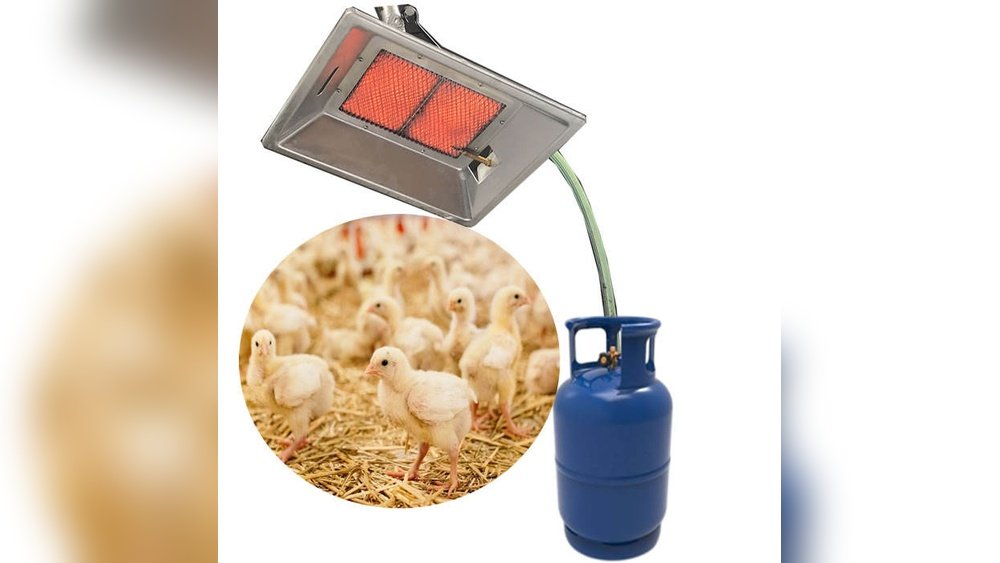
Gas-powered infrared burners use natural gas or propane for fuel. They offer cost-effective heating with low emissions. These burners provide consistent heat for long hours. Gas-powered burners are popular in Indonesia’s poultry farms. They help save energy and reduce operating costs.

Installation Tips For Poultry Farms

Installing infrared burners in poultry farms requires careful planning. Proper installation ensures even heat and better bird health. Follow key tips for best results and safety.

Optimal Placement Strategies

Place burners evenly to cover the entire poultry area. Position them at a safe height to avoid bird contact. Avoid placing burners near vents or drafty spots. Use reflectors to direct heat downward. Test heat distribution before full use. Keep burners away from wet areas to prevent damage.

Safety Precautions

Turn off burners before maintenance. Use proper wiring and secure connections. Ensure good ventilation to avoid gas buildup. Keep flammable materials away from burners. Train workers on burner operation and emergency steps. Regularly check for gas leaks using safe methods.

Maintenance Practices

Clean burners regularly to remove dust and debris. Inspect burners for cracks or wear before use. Replace damaged parts immediately to avoid hazards. Check gas supply lines for leaks or damage. Schedule routine inspections with a professional technician. Maintain records of all maintenance activities for safety compliance.

Cost Savings And Roi

Investing in infrared burners for poultry farms in Indonesia offers clear cost savings and strong returns on investment (ROI). These burners use energy efficiently to maintain ideal temperatures for poultry. This reduces operating costs and improves overall farm productivity. Understanding how these savings occur helps farmers make smart decisions.

Reduced Energy Consumption

Infrared burners use less fuel compared to traditional heaters. They directly warm the birds and surfaces, not the air. This targeted heating cuts wasted energy and lowers utility bills. Farms see noticeable reductions in gas and electricity costs. Energy savings help keep expenses down during all seasons.

Lower Mortality Rates

Consistent warmth from infrared burners improves bird health. Proper temperature control reduces stress and illness in poultry. Lower stress means fewer deaths and better growth rates. Healthy flocks increase farm profits by producing more market-ready birds. Reducing mortality also lowers costs for replacements and treatments.

Long-term Financial Benefits

Infrared burners require minimal maintenance and last many years. Their durability reduces repair and replacement expenses. Savings from energy and lower mortality add up over time. Farmers see a steady return on their initial investment. Choosing infrared technology supports sustainable, cost-effective poultry farming in Indonesia.

Challenges In Indonesian Poultry Farming

Poultry farming in Indonesia faces many challenges that affect productivity and growth. Farmers must deal with issues related to weather, infrastructure, and technology acceptance. These obstacles can limit the success of poultry businesses.

Understanding these challenges helps to find better solutions. Infrared burners offer one such option by improving heating efficiency. But before adopting new tools, farmers must overcome existing barriers.

Climate Considerations

Indonesia’s tropical climate brings high humidity and temperature swings. These conditions make it hard to keep poultry houses at stable temperatures. Chicks need warmth, but too much heat causes stress and illness. Seasonal rains and humidity can also affect heating equipment performance and durability.

Infrastructure Limitations

Many poultry farms in Indonesia lack modern infrastructure. Poor insulation in poultry houses leads to heat loss and increased energy use. Limited access to reliable electricity makes running heating devices difficult. Roads and transport networks may hinder timely delivery of equipment and maintenance support.

Adoption Barriers

Farmers hesitate to adopt new technologies due to cost concerns. Infrared burners require initial investment and knowledge to operate. Many poultry farmers have traditional practices and resist change. Lack of training and information limits understanding of benefits and usage of infrared heating systems.

Leading Infrared Burner Suppliers

Infrared burners play a vital role in poultry farms across Indonesia. They deliver steady heat that helps chicks grow healthy and keeps adult birds comfortable. Choosing a reliable supplier ensures farms get quality burners that last long and work efficiently. Several suppliers stand out in the market, offering a range of options suited to different farm needs.

Exploring the top suppliers helps farmers find burners that fit their budget and operational demands. Both local and international brands serve the Indonesian poultry market with strong reputations for quality and support.

Local Indonesian Manufacturers

Local manufacturers understand the unique needs of Indonesian poultry farms. They design infrared burners that suit tropical climates and local fuel types. These suppliers often provide quick delivery and easy access to customer service. Prices tend to be competitive, making them a popular choice among small and medium-sized farms. Their products usually come with warranties and parts availability within the country.

International Brands

Global brands offer advanced technology and proven performance in infrared heating. Many have years of experience in poultry farming equipment worldwide. These suppliers provide durable burners with high energy efficiency. Importing from international brands gives access to the latest burner innovations. Farms with larger operations may benefit from the reliability and long-term support these brands offer.

Choosing The Right Supplier

Farmers should consider product quality, price, and after-sales service when selecting a supplier. Checking reviews and asking for recommendations can prevent costly mistakes. A good supplier offers clear warranty terms and technical support. Compatibility with local fuel types and farm size is also essential. Choosing wisely leads to better heating results and reduced operating costs.

Future Trends In Poultry Heating

The future of poultry heating in Indonesia is moving toward smarter and greener solutions. Efficient heating ensures healthy birds and better farm results. Infrared burners will play a key role in this evolution. They offer steady warmth and reduce energy waste. New trends will shape how poultry farms use these systems.

Farmers will benefit from advanced technology, sustainable methods, and smart farming integration. These trends help improve bird comfort and lower costs. They also support environmental care, which is critical for future farming success.

Technological Innovations

Infrared burners will become more energy-efficient and durable. New models will have better heat control to match bird needs. Sensors will monitor temperature and adjust heat automatically. This reduces energy use and prevents overheating. Innovations also focus on easier installation and maintenance. These changes help farmers save time and money.

Sustainable Farming Practices

Infrared heating supports eco-friendly poultry farming. It uses less fuel compared to traditional heaters. Lower fuel use means fewer emissions and cleaner air. Sustainable farms focus on animal welfare and resource savings. Infrared burners provide gentle warmth without drying the air. This promotes healthier birds and reduces disease risks.

Integration With Smart Farming

Smart farming systems will link infrared burners with other devices. Farmers can control heaters remotely via smartphones or computers. Data from sensors will guide heating schedules and energy use. Automation ensures constant comfort for birds with minimal effort. Smart integration leads to better farm management and higher productivity.

Infrared Burners for Poultry Farms in Indonesia: Boost Efficiency Fast

Credit: hengyiburners.com

Frequently Asked Questions

Which Company Is Best For Poultry Farming?

Suguna Foods, Skylark Group, Simran Farms, and Sneha Group are top poultry farming companies in India.

What Are Infrared Burners Used For In Poultry Farms?

Infrared burners provide efficient, even heat distribution in poultry farms. They maintain optimal temperatures for chicks and adult birds, ensuring healthy growth and comfort. This helps reduce stress and mortality rates, improving overall farm productivity and energy efficiency.

How Do Infrared Burners Benefit Poultry Farms In Indonesia?

Infrared burners help poultry farms in Indonesia by saving energy and providing consistent warmth. They enhance bird health, promote faster growth, and reduce heating costs. These advantages support sustainable farming practices and improve profitability for local farmers.

Are Infrared Burners Energy-efficient For Poultry Farming?

Yes, infrared burners are highly energy-efficient. They convert gas or electricity directly into heat without wasting energy on air heating. This targeted heating reduces fuel consumption, lowers operational costs, and supports eco-friendly poultry farm management.

Conclusion

Infrared burners help poultry farms keep birds warm and healthy. They use less gas and spread heat evenly. This saves money and improves bird growth. Many farmers in Indonesia now trust this technology. It suits the local climate and farm size well.

Choosing the right burner can boost farm success. Simple to use and maintain, they fit any poultry setup. Warm birds grow better and stay strong. Infrared burners offer a practical heating solution for poultry farms.

High-Efficiency Gas Burners for South Korea Factories: Boost Productivity Now

If you run a factory in South Korea, you know how crucial it is to keep your operations efficient and cost-effective. One key factor you might be overlooking is the type of gas burner you use.

High-efficiency gas burners can make a huge difference in cutting fuel costs, reducing emissions, and boosting your factory’s overall performance. Imagine lowering your energy bills while meeting strict environmental standards — sounds like a win-win, right? You’ll discover how upgrading to high-efficiency gas burners can transform your factory’s productivity and sustainability.

Keep reading to find out what makes these burners a smart investment for your business.

High-Efficiency Gas Burners for South Korea Factories: Boost Productivity Now

Credit: www.babcock.com

Benefits Of High-efficiency Gas Burners

High-efficiency gas burners offer many benefits for factories in South Korea. They help improve energy use and lower costs. These burners also reduce harmful emissions. Factories gain better reliability in their operations. This section explains the key advantages of using high-efficiency gas burners.

Energy Savings And Cost Reduction

High-efficiency gas burners use fuel more effectively. They convert more gas into heat with less waste. This leads to significant energy savings for factories. Lower fuel consumption means lower operating costs. Factories can reduce their monthly gas bills. Savings add up quickly in large industrial settings.

Reduced Emissions And Environmental Impact

These burners produce fewer harmful emissions. They lower nitrogen oxide (NOx) and carbon monoxide (CO) output. Cleaner combustion helps factories meet strict environmental standards. Reducing pollution protects local air quality. This supports South Korea’s goals for sustainable industry and cleaner air.

Improved Operational Reliability

High-efficiency burners provide consistent and stable heat output. This reliability helps avoid downtime and production delays. The burners require less frequent maintenance and repairs. Factories experience smoother daily operations. Reliable equipment enhances overall productivity and reduces unexpected costs.

Key Features Of Modern Gas Burners

Modern gas burners offer many benefits for factories in South Korea. They improve energy use and reduce emissions. These burners use new technology to give precise heat control. Their key features help factories save money and meet strict environmental rules.

Advanced Combustion Technology

Modern burners use advanced combustion technology for better fuel use. This technology mixes gas and air perfectly. It creates a stable and efficient flame. This reduces fuel waste and lowers operating costs. Factories can run machines smoothly and safely with this feature.

Low-nox And Ultra-low Nox Options

Many burners come with low-NOx or ultra-low NOx options. These reduce harmful nitrogen oxide emissions. Lower emissions help factories meet government standards. This is important for cleaner air in South Korea’s cities. These burners support environmental protection without losing performance.

Precise Flame Control

Precise flame control allows exact heat adjustment. It helps maintain consistent production quality. Factories avoid overheating or underheating materials. This control improves safety and energy efficiency. Workers can easily manage burner settings for best results.

Applications In South Korean Factories

High-efficiency gas burners play a crucial role in various South Korean industries. These burners offer improved energy savings and reduced emissions. Factories across South Korea adopt these burners to boost productivity and lower costs. Their applications span from heavy industry to food processing, showing wide versatility.

Using these burners helps factories meet strict environmental standards. They also support the country’s goals for cleaner manufacturing. The following sections highlight key industries using high-efficiency gas burners in South Korea.

Steel And Metal Processing

Steel and metal factories require intense heat for melting and shaping metals. High-efficiency gas burners provide precise temperature control. They reduce fuel consumption and cut harmful emissions. This leads to lower operating costs and better product quality. South Korean steel plants rely on these burners for consistent performance and energy efficiency.

Chemical And Petrochemical Plants

Chemical and petrochemical industries need reliable heat sources for reactions and distillation. Gas burners deliver steady and controlled heat for these processes. They improve safety by maintaining stable combustion. Efficient burners also minimize pollutants released during operations. South Korea’s chemical sector benefits from these advantages in daily production.

Food And Beverage Industry

The food and beverage sector uses gas burners for cooking, drying, and sterilization. High-efficiency burners ensure uniform heat distribution and energy savings. They help factories comply with hygiene and safety regulations. These burners also reduce production costs by lowering gas usage. Many South Korean food manufacturers have adopted them to improve efficiency.

Choosing The Right Burner For Your Factory

Choosing the right high-efficiency gas burner is vital for factory operations in South Korea. The correct burner ensures optimal energy use, reduces costs, and supports environmental goals. Factories need to evaluate several factors to select a burner that fits their needs and complies with local rules.

Assessing Factory Heating Requirements

Begin by understanding your factory’s heating needs. Consider the size of the space and the type of processes involved. Calculate the required heat output to maintain production efficiency. Choose a burner that matches these heating demands without wasting energy. Proper assessment prevents overspending on unnecessary capacity.

Compatibility With Existing Systems

Check if the new burner works with your current equipment. Some burners fit directly into existing setups, while others may need modifications. Compatibility reduces installation time and costs. It also ensures smooth operation without disrupting factory workflows. Confirm fuel type and control systems match your factory’s requirements.

Compliance With South Korean Regulations

South Korea has strict rules for industrial equipment to protect the environment. Select burners that meet local emission standards. Look for certifications or approvals from South Korean authorities. Compliance avoids legal issues and fines. It also supports national efforts to reduce pollution and promote energy efficiency.

Installation And Maintenance Tips

Proper installation and maintenance of high-efficiency gas burners are key for smooth factory operations in South Korea. These steps help keep burners running safely and efficiently. Regular care extends burner lifespan and lowers energy costs.

Following expert guidelines during installation and maintenance avoids common problems. Quick fixes can prevent costly downtime and repairs. Understanding basic troubleshooting helps factory staff act fast when issues arise.

Professional Installation Practices

Hire certified technicians for burner installation. They ensure all safety codes and local regulations are met. Proper alignment and secure connections prevent gas leaks and inefficiency. Check that all parts fit well and operate smoothly before starting.

Test burners under real working conditions. Adjust flame size and air supply to optimize combustion. Record all setup details for future reference. Use quality materials and tools to avoid early wear and damage.

Routine Maintenance Procedures

Schedule regular inspections and cleaning. Remove dust and debris from burner components. Check fuel lines and valves for leaks or cracks. Replace worn-out parts promptly to maintain performance.

Inspect ignition and flame sensors to ensure reliable starts. Monitor exhaust emissions for signs of incomplete combustion. Lubricate moving parts to reduce friction and wear. Keep maintenance logs to track service history and identify patterns.

Troubleshooting Common Issues

Identify unusual noises or smells early. These can signal burner problems. Poor flame quality or inconsistent heat output often means clogging or air supply issues. Check filters and nozzles for blockages.

Reset the control system after minor faults. If errors persist, consult the manual or a technician. Avoid running burners with suspected gas leaks or faulty parts. Promptly address ignition failure or flame loss to prevent hazards.

High-Efficiency Gas Burners for South Korea Factories: Boost Productivity Now

Credit: www.factorybuysdirect.com

Case Studies From South Korean Industries

South Korean industries have embraced high-efficiency gas burners to improve factory operations. Several case studies highlight the benefits across different sectors. These examples show how gas burners boost productivity, save energy, and reduce emissions. The results demonstrate practical impacts and guide further adoption in factories.

Boosting Productivity In Steel Manufacturing

A steel plant in Pohang installed high-efficiency gas burners in its furnaces. The burners improved heat distribution and reduced heating time by 20%. Faster heating allowed the plant to increase daily output without raising fuel consumption. The improved control also lowered maintenance downtime. These changes raised overall productivity while keeping costs steady.

Energy Efficiency Gains In Chemical Plants

A chemical factory near Ulsan upgraded to low-NOx, high-efficiency gas burners. The new system cut natural gas use by 15%. Better combustion control helped maintain consistent temperature levels. This led to fewer energy spikes and smoother production cycles. The plant lowered its monthly energy bills and reduced its carbon footprint. Workers also noticed improved air quality inside the facility.

Reducing Emissions In Food Processing

A food processing facility in Gyeonggi Province adopted ultra-low NOx gas burners. These burners drastically cut harmful emissions during cooking and drying stages. The factory met stricter government environmental standards without sacrificing output. Cleaner exhaust gases improved worker safety and community health. The plant also benefited from lower emission-related fees and fines.

Future Trends In Gas Burner Technology

The future of gas burner technology holds many exciting possibilities for South Korea’s factories. Innovations focus on improving efficiency, reducing emissions, and enhancing control. These advances will help industries meet stricter environmental rules and lower energy costs.

Factories will benefit from smarter, cleaner, and more sustainable gas burner solutions. Here are some key trends shaping the future of this technology.

Integration With Digital Controls

Digital controls allow precise monitoring and adjustment of gas burners. Factories can optimize fuel use and reduce waste. Real-time data helps detect issues early, avoiding downtime. Automation improves safety by maintaining optimal combustion conditions. Integration with factory systems supports better energy management and reporting.

Development Of Cleaner Burner Designs

New burner designs aim to reduce harmful emissions like nitrogen oxides (NOx). Advanced combustion techniques lower pollutant levels significantly. Cleaner burners help factories comply with environmental regulations. These designs also improve fuel efficiency, saving money and resources. Research continues to create burners that burn gas more completely and cleanly.

Growing Demand In Sustainable Manufacturing

Factories in South Korea seek ways to reduce their environmental impact. High-efficiency gas burners play a key role in sustainable manufacturing. They use less fuel and produce fewer emissions. This supports corporate goals for green production and social responsibility. The demand for eco-friendly equipment drives innovation and adoption of better burners.

High-Efficiency Gas Burners for South Korea Factories: Boost Productivity Now

Credit: zhongliweiye.en.made-in-china.com

Frequently Asked Questions

What Are High-efficiency Gas Burners?

High-efficiency gas burners maximize fuel use, reducing waste and costs. They provide consistent heat with minimal emissions, ideal for industrial applications.

Why Choose Gas Burners For South Korea Factories?

Gas burners offer cleaner energy, improved efficiency, and lower emissions. South Korea’s strict regulations encourage eco-friendly, cost-effective industrial solutions.

How Do Gas Burners Improve Factory Productivity?

Efficient burners ensure stable heat output, reducing downtime. This leads to faster production cycles and energy savings in factories.

Are High-efficiency Burners Environmentally Friendly?

Yes, they reduce greenhouse gases and harmful emissions by optimizing combustion. This supports factories’ sustainability goals and regulatory compliance.

Conclusion

High-efficiency gas burners help South Korean factories save energy and reduce costs. They produce less pollution, supporting cleaner air and a healthier environment. Choosing the right burner improves factory performance and cuts waste. Investing in these burners leads to long-term benefits and stronger industrial growth.

Efficient gas burners remain a smart choice for sustainable factory operations in South Korea.

Industrial Gas Burners for Malaysian Manufacturing Plants: Boost Efficiency Now

If you run a manufacturing plant in Malaysia, you know how crucial reliable heat sources are to keep your operations running smoothly. Industrial gas burners are the heart of many manufacturing processes, delivering precise and efficient heat where you need it most.

But how do you choose the right burner for your plant? And how can the right system boost your productivity while cutting energy costs? You’ll discover everything you need to know about industrial gas burners designed specifically for Malaysian manufacturing plants.

Get ready to unlock better performance, greater safety, and smarter energy use for your facility. Keep reading to find out how these powerful tools can transform your manufacturing process.

For different manufacturing and process heating requirements, explore our range of industrial infrared gas burners designed for drying, curing, coating, baking, and other industrial applications.

Industrial Gas Burners for Malaysian Manufacturing Plants: Boost Efficiency Now

Credit: press.siemens.com

Industrial Gas Burners In Malaysia

Industrial gas burners are vital in Malaysia’s manufacturing sector. They provide controlled heat for many industrial processes. These burners help maintain product quality and ensure smooth operation. Malaysia’s growing industries rely on efficient and reliable burners to meet production demands.

Choosing the right burner type impacts energy use and emissions. Many factories in Malaysia focus on upgrading to modern gas burners. These upgrades support better fuel economy and reduce environmental impact. Understanding the key applications and types of burners helps manufacturers select the best options.

Manufacturers looking for dedicated infrared heating solutions can also explore our industrial infrared gas burner supplier solutions in Malaysia for different industrial heating requirements.

Key Applications In Manufacturing

Gas burners heat boilers, furnaces, and ovens used in factories. They support processes like metalworking, food production, and chemical manufacturing. Drying lines and hot air generators also depend on these burners. They deliver consistent heat that keeps production stable and safe.

Industrial burner requirements can vary depending on the production process and heating method. Explore the applications of infrared gas burners in industrial heating to learn more about drying, curing, baking, coating, and other manufacturing uses.

Role In Energy Efficiency

Industrial gas burners improve fuel use by burning gas cleanly and fully. Efficient burners lower fuel costs and reduce waste. Many burners include controls to adjust flame size and temperature. This control helps save energy during low production times. Energy-efficient burners also cut down harmful emissions.

Energy efficiency is becoming increasingly important for modern manufacturing operations. Learn more about energy efficient industrial infrared burners in Malaysia and their role in industrial heating applications.

Common Burner Types

Common types include atmospheric burners, forced draft burners, and premix burners. Atmospheric burners mix gas and air naturally without fans. Forced draft burners use fans to supply air for better combustion. Premix burners blend gas and air before ignition for a cleaner flame. Each type suits different manufacturing needs and scales.

Industrial Gas Burners for Malaysian Manufacturing Plants: Boost Efficiency Now

Credit: www.ebay.com

How Industrial Gas Burners Work

Industrial gas burners play a vital role in Malaysian manufacturing plants. They convert fuel into heat energy used in various industrial processes. Understanding how these burners work helps improve efficiency and safety in factories.

These burners mix fuel and air precisely to create a stable flame. The flame then produces controlled heat needed for operations like drying, melting, or heating. The process involves several key steps.

For manufacturing operations involving industrial drying and coating processes, explore our guide to infrared burners for powder coating lines in Malaysia.

Fuel And Air Mixing Process

Fuel, often natural gas or propane, flows through a valve at a controlled rate. Air is supplied by a blower or compressor. The burner mixes fuel and air in exact proportions. This mix ensures complete combustion and reduces waste. Proper mixing avoids excess fuel or oxygen that can lower efficiency.

For factories using gas-based heating systems, selecting the right burner technology and configuration is important for efficiency and process performance. Learn more about natural gas infrared burners for industrial heating systems.

Ignition And Flame Control

The burner ignites the fuel-air mixture using a spark or pilot flame. Sensors monitor the flame to keep it stable. Flame control systems adjust fuel and air to maintain steady burning. This control prevents dangerous flame outs or overheating. It also helps meet safety standards and emissions limits.

Heat Generation Mechanisms

The burning fuel produces heat through a chemical reaction called combustion. This reaction releases energy in the form of hot gases and flames. The burner transfers this heat to the manufacturing process. Heat may be used directly or through a heat exchanger. Efficient heat transfer saves energy and improves plant output.

Materials And Design

Choosing the right materials and design in industrial gas burners greatly affects their performance in Malaysian manufacturing plants. These components must withstand high heat and harsh conditions. A strong build ensures longer service life and reliable operation. Efficient design helps reduce energy use and increase productivity. Safety features protect workers and equipment from hazards. This section covers essential materials and design aspects for industrial burners.

Durable Burner Materials

Burners use metals that resist heat and corrosion. Stainless steel is common for its strength and rust resistance. Cast iron also appears in some parts for durability. Special alloys handle extreme temperatures without warping. Ceramic materials insulate and protect burner parts. Quality materials reduce wear and tear. They help maintain performance over time.

Design Features For Efficiency

Designs focus on mixing fuel and air perfectly. This creates a stable flame with less waste. Burners have adjustable nozzles to control fuel flow. Some include sensors for precise temperature control. Compact shapes improve heat transfer and reduce fuel use. Proper airflow paths avoid smoke and emissions. Efficient design lowers operational costs and environmental impact.

Safety Considerations

Burners include safety valves to stop gas flow if needed. Flame detection systems prevent unburned gas leaks. Overheat protection avoids damage and fire risk. Proper insulation protects nearby equipment and workers. Easy maintenance access helps spot issues early. Safety is critical in busy manufacturing environments to prevent accidents.

Benefits For Malaysian Plants

Industrial gas burners offer clear advantages for Malaysian manufacturing plants. They help plants operate more efficiently and meet stricter environmental rules. The technology supports stable production and lowers costs in daily operations.

Improved Fuel Efficiency

Gas burners use fuel in a controlled way. This control reduces waste and saves money. Plants consume less fuel while keeping the same output. Efficient fuel use also means fewer shutdowns for maintenance.

Reduced Emissions

Modern burners produce less smoke and harmful gases. This helps plants meet Malaysia’s environmental standards. Cleaner air improves worker safety and community health. Lower emissions also reduce the risk of fines and shutdowns.

Enhanced Process Reliability

Industrial burners provide steady heat for manufacturing processes. This steady heat prevents product defects and downtime. Reliable burners help plants maintain consistent quality. They also reduce the need for costly repairs.

Choosing The Right Burner

Choosing the right industrial gas burner is crucial for Malaysian manufacturing plants. The right burner ensures efficient fuel use and stable heat output. It supports smooth production and reduces operational costs. Several factors must be considered to select the best burner.

Assessing Plant Requirements

Start by understanding your plant’s heating needs. Determine the type of fuel available and its cost. Check the size of the equipment needing heat. Consider the temperature range required for your processes. Also, evaluate emission limits and environmental regulations. This step helps narrow down burner options.

Matching Burner Types To Applications

Industrial burners come in different types like atmospheric, forced draft, and low-NOx burners. Atmospheric burners suit low to medium heat applications. Forced draft burners work well for high heat and larger plants. Low-NOx burners reduce harmful emissions and improve air quality. Match the burner type to your process for best results.

Vendor Selection Tips

Choose vendors with a strong local presence and good support. Look for suppliers offering customized solutions. Check their experience with Malaysian manufacturing industries. Ask for case studies or references from similar plants. Ensure they provide reliable after-sales service and spare parts. This ensures long-term burner performance and peace of mind.

Installation And Maintenance

Installing and maintaining industrial gas burners in Malaysian manufacturing plants ensures safe and efficient operations. Proper installation sets the foundation for burner performance. Regular maintenance keeps systems running smoothly and prevents costly downtime. Understanding common problems helps solve issues quickly and maintain productivity.

Proper Installation Practices

Choose a location with enough space for the burner and service access. Check that gas supply lines meet local safety codes. Install burners according to manufacturer guidelines. Use the correct tools and materials to avoid leaks. Secure all connections tightly to prevent gas escapes. Test the burner after installation for proper ignition and flame stability. Ensure ventilation systems work well to remove combustion gases safely.

Routine Maintenance Tasks

Inspect burners regularly for signs of wear and damage. Clean burner nozzles and air filters to avoid blockages. Check and adjust fuel and air ratios for efficient combustion. Replace worn or damaged parts promptly. Monitor flame patterns and listen for unusual noises. Test safety devices such as flame sensors and shut-off valves. Keep detailed maintenance records to track performance and repairs.

Troubleshooting Common Issues

Identify common problems like flame instability, noisy operation, or poor ignition. Check fuel supply pressure and quality first. Inspect burner components for dirt, corrosion, or damage. Adjust air settings to correct flame shape and color. Reset or replace faulty sensors and controllers. Consult burner manuals for specific error codes and solutions. Contact qualified technicians for complex repairs or persistent issues.

Future Trends

Industrial gas burners in Malaysian manufacturing plants are evolving fast. New technologies aim to boost efficiency and reduce pollution. These future trends will shape how factories manage heat and energy.

Upgrading to advanced burners helps plants meet stricter environmental rules. Smart systems improve control and safety. Integrating with modern digital tools makes operations smoother and more reliable.

Low-nox And Ultra-low Emission Burners

Burners that produce low nitrogen oxides (NOx) help reduce air pollution. Malaysia’s factories need these to meet environmental standards. Ultra-low emission burners limit harmful gases even further. They use precise fuel and air mixing to burn cleaner. This lowers health risks and environmental damage.

Smart Burner Controls

Smart controls offer better management of burner performance. Sensors monitor temperature and fuel use in real-time. Automated systems adjust flame size and fuel flow instantly. This saves energy and reduces waste. Operators get alerts for maintenance needs, preventing breakdowns. Smart controls improve safety and reduce downtime.

Integration With Industry 4.0

Industry 4.0 connects machines through the internet for smarter factories. Gas burners link to central systems for data sharing. This allows remote monitoring and faster troubleshooting. Data analytics optimize burner efficiency and fuel consumption. Integration supports predictive maintenance, lowering costs. Malaysian plants become more competitive with these digital upgrades.

Direct radiant heating can help reduce unnecessary heat loss in suitable industrial processes. To understand this technology better, learn what an infrared gas burner is and how it works.

Industrial Gas Burners for Malaysian Manufacturing Plants: Boost Efficiency Now

Credit: www.siemens-energy.com

Frequently Asked Questions

How Does An Industrial Gas Burner Work?

An industrial gas burner mixes fuel and air in precise ratios. A valve controls fuel flow, and a blower supplies air. Ignition occurs via a spark or pilot flame, creating heat for boilers, furnaces, and other industrial processes.

Which Material Is Used To Make A Gas Burner?

Gas burners are commonly made from cast iron and aluminum alloy due to their durability and heat resistance.

What Are Industrial Burners Used For?

Industrial burners generate controlled heat by burning fuel for processes like steam boilers, drying, asphalt production, and hot air generation.

What Are Industrial Gas Burners Used For?

Industrial gas burners provide controlled heat for manufacturing processes. They power boilers, furnaces, and drying systems, ensuring efficient energy use and production consistency in Malaysian plants.

Looking for an Industrial Gas Burner for Your Malaysian Manufacturing Plant?

Choosing the right industrial burner depends on your manufacturing process, heating area, fuel type, required temperature, production capacity, and equipment design. If you need technical specifications or a customized infrared heating solution, contact our team to discuss your requirements.

Conclusion

Industrial gas burners boost efficiency in Malaysian manufacturing plants. They provide steady, controlled heat for many industrial processes. Choosing the right burner saves energy and reduces costs. Proper maintenance keeps burners safe and reliable over time. Investing in quality burners supports growth and sustainability.

Malaysian industries can improve production with these essential tools.

Infrared Burners for Powder Coating Lines in Malaysia: Boost Efficiency Today

If you’re running a powder coating line in Malaysia, you know how crucial consistent heat and efficiency are to your process. That’s where infrared burners come in.

These burners deliver precise, even heating that can boost your coating quality while saving energy and cutting down on downtime. But with so many options out there, how do you choose the right infrared burner for your line? You’ll discover what makes infrared burners ideal for powder coating, how they can improve your production, and what to look for when selecting the perfect fit for your business in Malaysia.

Keep reading to unlock the secret to smoother, faster, and more cost-effective powder coating operations. Malaysian manufacturers looking for reliable infrared heating equipment can also explore our complete range as an industrial infrared gas burner supplier in Malaysia, with solutions for powder coating, drying, industrial ovens, and other heating applications.

Infrared Burners for Powder Coating Lines in Malaysia: Boost Efficiency Today

Credit: finishingandcoating.com

Benefits Of Infrared Burners

Infrared burners offer many benefits for powder coating lines in Malaysia. They improve the overall efficiency and quality of the coating process. These burners use infrared radiation to cure powder coatings quickly and evenly. This technology helps manufacturers save energy and reduce production time. The result is a better finish and lower operational costs.

Energy Efficiency

Infrared burners use less fuel than traditional heating methods. They directly heat the coated surface, reducing heat loss. This targeted heating lowers energy consumption. Factories save money on gas and electricity bills. Infrared burners also heat up faster, cutting down idle time.

Improved Coating Quality

Infrared burners provide uniform heat distribution. This ensures the powder coating melts evenly. The finish becomes smoother with fewer defects. Infrared heat reduces the risk of over-curing or under-curing. It also helps maintain the color and durability of the coating.

Faster Curing Times

Infrared burners speed up the curing process significantly. The intense heat penetrates the coating quickly. This reduces the total cycle time of powder coating lines. Manufacturers can increase production without sacrificing quality. Faster curing also means less waiting and faster delivery times.

For a broader understanding of infrared technology in curing and drying systems, explore our guide to infrared burners for powder coating and drying lines and their industrial applications.

Infrared Burners for Powder Coating Lines in Malaysia: Boost Efficiency Today

Credit: colo2016.en.made-in-china.com

Types Of Infrared Burners

Infrared burners play a key role in powder coating lines in Malaysia. They provide precise heat for curing powder coatings quickly and evenly. Different types of infrared burners offer unique advantages for various production needs. Understanding these types helps choose the right burner for better efficiency and quality.

For drying zones and powder coating ovens that require a compact industrial heating solution, explore the HY-1602 infrared gas burner and its application options.

Gas-fired Infrared Burners

Gas-fired infrared burners use natural gas or propane as fuel. They generate intense heat quickly, making them ideal for fast curing. These burners provide deep heat penetration, which improves powder coating adhesion. They are cost-effective and widely used in industrial powder coating lines. Maintenance is simple, and they work well in large production setups.

Electric Infrared Burners

Electric infrared burners use electrical energy to produce infrared heat. They are clean, with no combustion byproducts or emissions. These burners offer precise temperature control and fast heat-up times. They are suitable for small to medium-sized powder coating lines. Electric burners are easy to install and require less space than gas-fired ones.

Catalytic Infrared Burners

Catalytic infrared burners create heat through a chemical reaction on a catalyst surface. They produce mid-wave and long-wave infrared radiation. This matches the absorption spectrum of many powder coatings. Catalytic burners operate at lower temperatures, reducing the risk of damage to sensitive parts. They also use less fuel and produce fewer emissions, making them eco-friendly.

Choosing Burners For Malaysian Powder Coating Lines

Choosing the right infrared burners for powder coating lines in Malaysia requires careful consideration. The burners must work well with local conditions and production needs. Selecting the proper burners can improve efficiency and product quality. Several key factors influence the choice of burners for Malaysian powder coating lines.

Different powder coating systems require different burner sizes, heating capacities, and installation configurations. Browse our industrial infrared gas burner products to explore available solutions for industrial heating applications.

Climate And Environmental Factors

Malaysia’s tropical climate is hot and humid throughout the year. Burners must perform reliably under these conditions. Infrared burners with good heat control prevent overheating. High humidity can affect burner components, so corrosion resistance is important. Choose burners designed to handle tropical environments to ensure long-term durability.

Fuel Availability And Cost

Fuel choice impacts operational cost and burner compatibility. Natural gas and LPG are common fuels in Malaysia. Check local fuel availability to avoid supply issues. Infrared burners should be compatible with the preferred fuel type. Efficient fuel use lowers energy bills and reduces emissions. Consider fuel price trends when selecting burners.

Compatibility With Existing Equipment

New infrared burners must fit the current powder coating line setup. Check burner size and mounting options to match existing ovens. Controls and safety systems should integrate smoothly. Proper fit avoids costly modifications or downtime. Compatibility ensures a smooth upgrade and consistent production flow.

Infrared Burners for Powder Coating Lines in Malaysia: Boost Efficiency Today

Credit: www.alibaba.com

Installation And Maintenance Tips

Proper installation and regular maintenance of infrared burners ensure efficient powder coating operations. These steps help avoid downtime and extend burner life. Follow these simple tips to keep your equipment running smoothly in Malaysia’s industrial environment.

Proper Burner Placement

Place burners evenly to ensure uniform heat distribution. Avoid blocking the infrared rays with equipment or materials. Keep a safe distance from the powder coating surface to prevent overheating. Proper alignment improves curing quality and reduces energy waste.

Routine Cleaning And Inspection

Clean burners regularly to remove dust and powder buildup. Use a soft brush or compressed air to avoid damage. Check for cracks or corrosion on burner surfaces. Inspect gas connections and sensors to ensure safety. Routine checks prevent malfunctions and maintain performance.

Troubleshooting Common Issues

Watch for uneven heating or flame instability as signs of trouble. Check gas pressure and adjust if necessary. Clean or replace clogged burner nozzles to restore flow. Inspect electrical connections for loose wires or faults. Quick fixes reduce downtime and keep lines productive.

Case Studies From Malaysian Industries

Infrared burners have become essential in Malaysia’s powder coating industry. They offer faster curing times and better energy efficiency. Several Malaysian industries have successfully integrated these burners. Their experiences highlight practical benefits and challenges in real-world settings.

These case studies show how infrared burners improve production quality. They also demonstrate cost savings and environmental advantages. The following examples focus on three key sectors.

Infrared heating is also used beyond powder coating in manufacturing processes that require controlled and efficient heat transfer. Learn more about infrared gas burners in industrial heating and their applications across different industries.

Automotive Sector

Many automotive manufacturers in Malaysia use infrared burners for powder coating. The burners provide uniform heat, which ensures a smooth finish on car parts. This method reduces curing time by up to 30%. It also lowers energy costs significantly. The result is higher throughput and improved product durability.

Furniture Manufacturing

Furniture producers apply powder coating to metal frames and fittings. Infrared burners help achieve consistent color and texture. They speed up the drying process, reducing production bottlenecks. This technology also minimizes overspray waste. The furniture industry benefits from faster delivery times and better surface quality.

Metal Fabrication

Metal fabrication shops in Malaysia rely on infrared burners for complex shapes. The burners provide precise heat control, avoiding damage to sensitive parts. This leads to fewer defects and less rework. The increased efficiency helps fabricators meet tight deadlines. Infrared burners also reduce emissions compared to traditional methods.

Cost Savings And Roi

Investing in infrared burners for powder coating lines in Malaysia offers clear cost savings and strong return on investment (ROI). These burners use energy efficiently, reducing expenses. They also lower maintenance and operational costs. Over time, infrared burners become a valuable long-term asset for manufacturers.

Reduced Energy Consumption

Infrared burners use less energy than traditional heating methods. They focus heat directly on coated parts. This reduces wasted energy and shortens curing times. Lower energy use means smaller utility bills. Energy efficiency helps companies meet environmental goals. This is crucial in Malaysia’s growing manufacturing sector.

Lower Operational Costs

Infrared burners require less maintenance and fewer repairs. They have fewer moving parts and longer lifespans. Faster curing reduces production time and labor costs. Reduced downtime improves overall productivity. These factors lower daily operating expenses. Businesses save money while maintaining high-quality finishes.

Long-term Investment Benefits

Infrared burners provide consistent, reliable performance for years. Their durability means fewer replacements and less downtime. The initial cost is offset by energy and labor savings. Improved product quality reduces waste and rework expenses. This adds up to better profitability over time. Infrared technology supports sustainable growth in powder coating operations.

Latest Trends In Infrared Technology

Infrared technology in powder coating lines is evolving fast in Malaysia. New developments improve efficiency, control, and environmental impact. These trends help manufacturers save energy and produce higher quality finishes.

The latest infrared burners combine smart features and better designs. They also focus on reducing emissions to meet stricter regulations. These changes benefit both businesses and the environment.

Smart Controls And Automation

Modern infrared burners use smart controls to adjust heat precisely. Automation systems monitor temperature and adjust settings in real time. This reduces energy waste and ensures consistent coating quality.

Operators can control burners remotely through digital interfaces. Data from sensors helps predict maintenance needs and avoid downtime. This leads to smoother production and lower operating costs.

Enhanced Burner Designs

New burner designs focus on better heat distribution and durability. Advanced materials improve heat transfer and extend burner life. Compact designs allow easier installation in tight spaces.

Improved designs also reduce heat loss and increase curing speed. Faster curing means higher throughput and lower energy consumption. These upgrades make powder coating lines more productive.

Sustainability And Emission Reduction

Infrared burners now comply with stricter emission standards in Malaysia. Technologies like low-NOx burners reduce harmful gases released. This supports cleaner air and safer workplaces.

Energy-efficient burners cut fuel consumption significantly. Lower fuel use means less carbon footprint for coating operations. Sustainable infrared solutions help companies meet green goals and regulations.

Frequently Asked Questions

What Are Infrared Burners In Powder Coating Lines?

Infrared burners use radiant heat to cure powder coatings efficiently. They provide fast, uniform heating, improving coating quality and reducing energy consumption in powder coating lines.

Why Choose Infrared Burners For Powder Coating In Malaysia?

Infrared burners offer energy savings and precise temperature control. They suit Malaysia’s industrial climate and help local manufacturers improve productivity and reduce operational costs.

How Do Infrared Burners Improve Powder Coating Quality?

Infrared burners deliver consistent heat, ensuring even curing of powder coatings. This reduces defects like uneven finishes or poor adhesion, enhancing the durability and appearance of coated products.

Are Infrared Burners Energy Efficient For Powder Coating?

Yes, infrared burners convert fuel directly into radiant heat. This process minimizes heat loss, leading to significant energy savings compared to conventional heating methods in powder coating ovens.

Looking for Infrared Burners for a Powder Coating Line in Malaysia?

The right infrared heating solution depends on your powder coating process, production capacity, heating area, curing temperature, and equipment configuration. If you need an industrial infrared burner for a Malaysian powder coating or drying application, contact our team to discuss your requirements.

Conclusion

Infrared burners improve powder coating lines in Malaysia by providing efficient heat. They help achieve consistent curing and reduce energy use. Easy to install and operate, these burners suit various industrial needs. Choosing the right burner boosts production quality and saves costs.

For Malaysian manufacturers, infrared technology offers a practical heating solution. Consider it for better powder coating results and smoother workflows.

Natural Gas Infrared Burners in Malaysia | Food Processing And Industrial Ovens

Are you looking to boost your food processing or industrial oven’s efficiency in Malaysia? Natural gas infrared burners could be the game-changer you need.

These burners offer faster heating, better energy savings, and precise temperature control that can transform your production process. If you want to cut costs, improve quality, and stay ahead in a competitive market, understanding how natural gas infrared burners work is essential.

Keep reading to discover how this technology can make a real difference for your business.

For different food processing and industrial heating requirements, explore our range of industrial infrared gas burners designed for ovens, drying equipment, baking, curing, and other manufacturing applications.

Natural Gas Infrared Burners for Food Processing And Industrial Ovens in Malaysia: Efficient Heat Solutions

Credit: therangehoodstore.com

Benefits Of Natural Gas Infrared Burners

Natural gas infrared burners offer many benefits for food processing and industrial ovens. They improve heating performance and help reduce operating costs. These burners are ideal for Malaysia’s industrial needs due to their reliability and efficiency.

Energy Efficiency And Cost Savings

Natural gas infrared burners use heat more efficiently than traditional burners. They convert most fuel into usable heat, wasting less energy. This means lower gas bills and less fuel consumption. Businesses can save money on energy costs over time. Efficient burners also reduce the need for frequent maintenance.

When comparing industrial heating technologies, direct infrared heating can offer different efficiency and response characteristics. Learn more about the infrared gas burner vs traditional gas burner for industrial applications.

Consistent And Uniform Heating

Infrared burners provide even heat across the cooking or processing area. This uniform heating prevents hot spots and uneven cooking. It improves product quality and reduces waste. Consistent heat helps maintain precise temperature control for better results. It also speeds up the cooking or processing time.

Reduced Emissions And Environmental Impact

Natural gas infrared burners produce fewer pollutants than other heating methods. They emit lower levels of carbon monoxide and nitrogen oxides. This helps factories meet environmental regulations in Malaysia. Cleaner burning reduces the factory’s carbon footprint. It also contributes to better air quality around industrial areas.

Natural Gas Infrared Burners for Food Processing And Industrial Ovens in Malaysia: Efficient Heat Solutions

Credit: farhatbakery.com

Applications In Food Processing

Natural gas infrared burners have many uses in food processing. They provide even heat and save energy. These burners help improve food quality and speed up production. Industries in Malaysia use them for various cooking and drying tasks. Their ability to control heat precisely makes them ideal for food processing.
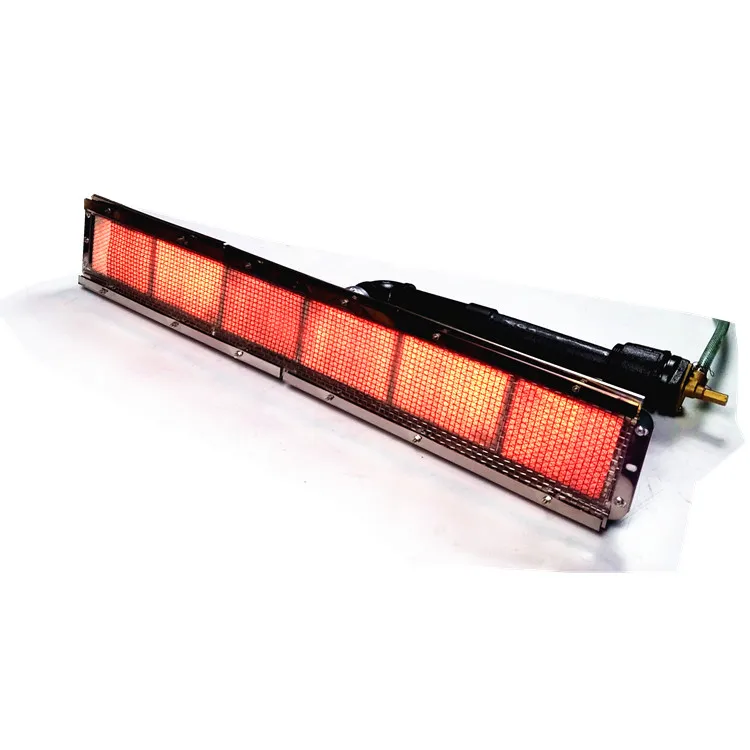
Below are some common applications of these burners in food processing.
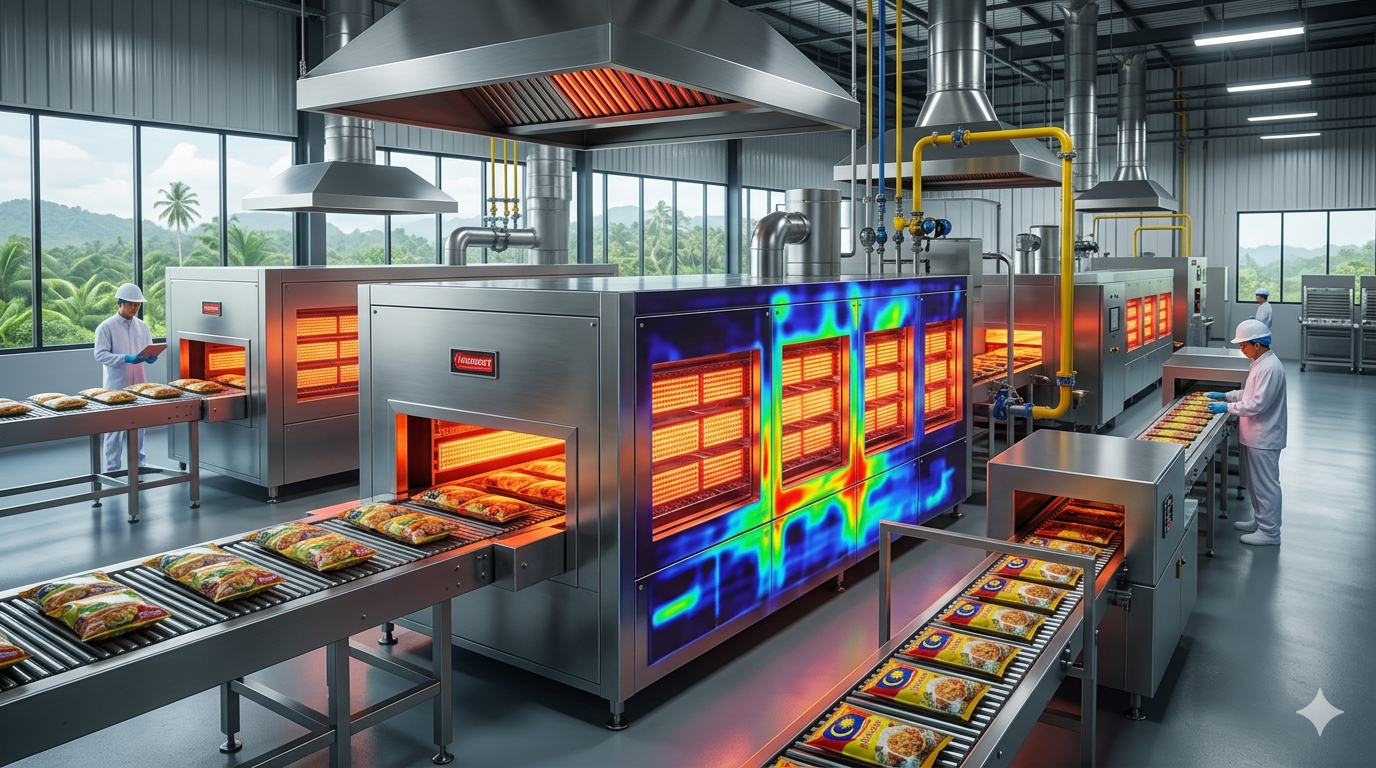
Baking And Roasting Processes

Infrared burners deliver uniform heat, essential for baking and roasting. They help produce consistent browning and texture in breads and pastries. Roasting meats and vegetables become more efficient with controlled heat. These burners reduce cooking time and energy use. The result is better product quality and less waste.

Baking, roasting, drying, and curing are part of a broader range of manufacturing processes that can use radiant heating. Explore the applications of infrared gas burners in industrial heating to learn more about these industrial uses.

Drying And Dehydration Techniques

Infrared heat is perfect for drying fruits, vegetables, and herbs. It removes moisture quickly without damaging the food. The precise heat control prevents over-drying or burning. This helps maintain the food’s natural color and nutrients. Many Malaysian food companies use infrared burners for efficient drying processes.

For equipment designed specifically for industrial food dehydration, explore infrared burners for food drying machines and their role in controlled and efficient food drying processes.

Grilling And Cooking Enhancements

Infrared burners provide strong, even heat for grilling foods. They create a nice sear and lock in juices. Cooking times are faster than traditional methods. These burners improve flavor and texture in grilled products. They are ideal for food manufacturers aiming for consistent results.

Industrial Oven Integration

Integrating natural gas infrared burners into industrial ovens improves heating efficiency. These burners provide quick, even heat, ideal for food processing and other industries in Malaysia. Proper integration ensures better performance and energy savings. Understanding oven types, retrofit options, and safety helps make the best choice.

Types Of Industrial Ovens Using Infrared Burners

Many industrial ovens use infrared burners for precise heat control. Conveyor ovens, batch ovens, and curing ovens often rely on these burners. Each type benefits from infrared heat’s fast response and uniform temperature. This leads to better cooking or processing results in food production.

Selecting the appropriate burner for an industrial oven depends on the oven type, required temperature, heating distance, and production process. Read our guide on how to choose an infrared burner for industrial ovens for key selection factors.

Retrofit Options For Existing Ovens

Older ovens can be upgraded with infrared burners to boost efficiency. Retrofits allow factories to reduce fuel use and improve heat distribution. The process involves replacing or adding burners without major oven redesigns. This option saves money and extends oven life.

Safety And Maintenance Considerations

Infrared burners require regular checks to ensure safe operation. Proper ventilation is essential to avoid gas buildup. Maintenance includes cleaning burners and inspecting gas lines. Following safety guidelines prevents accidents and keeps ovens running smoothly.

Natural Gas Infrared Burners for Food Processing And Industrial Ovens in Malaysia: Efficient Heat Solutions

Credit: www.ebay.com

Natural Gas Infrastructure In Malaysia

Natural gas infrastructure in Malaysia supports many industries, including food processing and industrial ovens. The country has developed a network to supply natural gas efficiently. This network helps businesses access a reliable energy source. Using natural gas infrared burners improves heating and cooking processes in factories.

Understanding the availability, cost, and regulations of natural gas is important. These factors influence how industries adopt natural gas technology. The following sections explain key aspects of Malaysia’s natural gas infrastructure.

Availability And Supply Networks

Malaysia has a well-established natural gas supply system. The main sources include offshore gas fields and pipelines from neighboring countries. The national grid covers most industrial areas. This ensures steady gas delivery to factories and plants. Local distributors also provide connections to smaller businesses. The infrastructure grows steadily to meet rising demand.

Cost Factors And Incentives

Natural gas prices in Malaysia are competitive compared to other fuels. The government offers incentives to promote clean energy use. These incentives reduce installation and operation costs for businesses. Lower costs encourage industries to switch to natural gas burners. Efficient energy use also saves money over time.

Regulatory Standards And Compliance

Strict regulations govern natural gas use in Malaysia. These rules ensure safety and environmental protection. Businesses must comply with installation and operation standards. Authorities conduct regular inspections and audits. Following these rules keeps workplaces safe and reliable. Compliance also supports sustainable industrial growth.

Choosing The Right Infrared Burner

Choosing the right natural gas infrared burner is essential for efficient food processing and industrial ovens in Malaysia. The right burner improves heat distribution and saves energy. It also ensures product quality and safety. Understanding burner types, specifications, and installation helps make the best choice.

Burner Types And Specifications

Infrared burners come in various types, including ceramic, metal, and quartz. Each type offers different heat intensity and wavelength. Ceramic burners provide even heat and last long. Metal burners heat up quickly but may wear faster. Quartz burners deliver fast, radiant heat.

Ceramic infrared burner designs can use specialized heating surfaces to support even radiant heat distribution. Explore our honeycomb ceramic burner plates for industrial infrared heating systems and burner applications.

Consider burner size, power output, and fuel consumption. Choose burners that fit your oven size and heat needs. Check the burner’s emission levels to meet environmental standards in Malaysia.

Matching Burners To Process Requirements

Match burners to the food or material you process. Low-temperature burners suit delicate food drying. High-temperature burners work for baking or curing processes. Consistent heat helps avoid product defects.

Consider oven design and airflow. Proper burner selection ensures even cooking and energy use. Choose burners that maintain the right temperature range for your product.

Similar burner selection considerations are important for industrial coating and drying equipment. Explore infrared burners for powder coating lines in Malaysia for Malaysia-specific industrial heating applications.

Installation Best Practices

Proper installation maximizes burner performance and safety. Follow manufacturer guidelines strictly. Ensure correct burner placement for optimal heat spread.

Use qualified technicians for gas connections and electrical wiring. Test burners after installation to check flame stability and heat output. Regular maintenance keeps burners working efficiently.

Future Trends In Infrared Heating

Infrared heating technology is evolving quickly. The future of natural gas infrared burners in food processing and industrial ovens looks promising. Changes will focus on better efficiency, lower emissions, and smarter control systems. These trends will shape how industries in Malaysia use this technology.

Technological Innovations

New designs improve burner performance and heat distribution. Smart sensors help monitor temperature in real time. This allows ovens to maintain consistent heat. Advanced materials increase burner lifespan and reduce maintenance. Digital controls enable precise settings for different cooking needs.

Sustainability And Energy Conservation

Energy-saving models reduce fuel use significantly. Lower emissions meet stricter environmental rules. Infrared burners use heat more efficiently than traditional methods. This saves money and reduces carbon footprint. Companies focus on eco-friendly solutions to protect the environment.

Manufacturers looking to reduce energy consumption can also explore energy efficient industrial infrared burners in Malaysia and their applications across different manufacturing processes.

Market Growth And Opportunities In Malaysia

Malaysia’s food processing sector is expanding rapidly. Demand for efficient ovens grows with industrial development. Infrared burners offer cost-effective heating solutions for factories. Local businesses adopt this technology to boost productivity. Training programs support skilled workers in this field.

As Malaysian industries adopt more advanced heating technologies, businesses can explore our industrial infrared gas burner supplier solutions in Malaysia for food processing, industrial ovens, drying, and other process heating requirements.

Frequently Asked Questions

What Are Natural Gas Infrared Burners?

Natural gas infrared burners use gas to produce infrared heat. They provide efficient, even heating ideal for food processing and industrial ovens. These burners reduce energy consumption and improve product quality in Malaysia’s manufacturing sector.

How Do Infrared Burners Benefit Food Processing?

Infrared burners offer precise, uniform heat, enhancing cooking quality and speed. They reduce fuel costs and emissions, making food processing more sustainable and cost-effective in Malaysia’s competitive market.

Why Choose Infrared Burners For Industrial Ovens?

Infrared burners deliver quick, consistent heat with minimal energy loss. They improve oven performance, lower maintenance, and extend equipment lifespan, making them ideal for Malaysia’s industrial baking and drying operations.

Are Natural Gas Infrared Burners Energy Efficient?

Yes, infrared burners convert most fuel into usable heat. This efficiency lowers energy bills and carbon footprints, supporting Malaysia’s goals for greener industrial processes.

Looking for Natural Gas Infrared Burners in Malaysia?

Choosing the right infrared burner depends on your food processing or industrial oven application, required temperature, heating area, production capacity, and equipment design. If you need technical specifications or a customized infrared heating solution, contact our team to discuss your requirements.

Conclusion

Natural gas infrared burners offer efficient heat for food and industrial ovens. They save energy and reduce costs in Malaysia’s industries. These burners provide even cooking and faster processing times. Businesses can rely on their durability and low maintenance needs.

Choosing the right burner supports better product quality and safety. This technology fits well with Malaysia’s growing food and manufacturing sectors. Investing in natural gas infrared burners makes sense for long-term success. Simple, effective, and reliable—these burners meet industry demands with ease.

Infrared Gas Burner Supplier in Malaysia for Industrial Heating Systems: Top Quality Solutions

Are you searching for a reliable infrared gas burner supplier in Malaysia to boost your industrial heating systems? Choosing the right burner can make a huge difference in efficiency, cost savings, and safety for your operations.

Imagine cutting down your energy bills while getting faster, more consistent heat—sounds good, right? You’ll discover what makes the best infrared gas burners stand out, why Malaysia is a top choice for suppliers, and how to pick the perfect solution tailored to your needs.

Keep reading to unlock the secrets that can transform your industrial heating process.

Infrared Gas Burner Supplier in Malaysia for Industrial Heating Systems: Top Quality Solutions

Credit: yhg688.en.made-in-china.com

Infrared Gas Burners In Industrial Heating

Infrared gas burners play a key role in industrial heating systems across Malaysia. These burners use infrared radiation to deliver heat directly to objects or surfaces. This method differs from traditional heating, which often heats the air first. Infrared gas burners offer efficient, fast, and focused heating. Industries benefit from their precision and energy savings, making them a preferred choice for many heating applications.

How Infrared Burners Work

Infrared burners generate heat by burning gas to produce infrared radiation. This radiation travels in waves and heats objects directly. It does not rely on heating the surrounding air. The burner has a special surface that emits infrared energy when heated. This process provides quick and uniform heat, reducing energy loss and improving efficiency.

Benefits Over Traditional Burners

Infrared burners use less fuel than traditional burners. They heat objects faster and more evenly. Less heat escapes into the air, saving energy and lowering costs. These burners also reduce carbon emissions. Their compact size allows easy installation in tight spaces. Maintenance is simpler due to fewer moving parts, increasing reliability.

Common Industrial Applications

Infrared gas burners are used in many industries. They heat metals in forging and drying processes. They help cure coatings and paint on products. Food processing plants use them for baking and drying. These burners also support plastic welding and packaging. Their precise heat makes them ideal for sensitive industrial tasks.

Choosing The Right Supplier In Malaysia

Choosing the right infrared gas burner supplier in Malaysia plays a crucial role in industrial heating systems. The right supplier ensures quality products, timely delivery, and proper support. This affects your system’s efficiency and longevity. Understanding what makes a good supplier helps you make a smart choice.

Key Supplier Qualities

Quality and reliability are top priorities. Suppliers must provide burners that meet safety and performance standards. Experience in industrial heating is important. Check their track record with similar projects. Clear communication and transparency build trust. Also, verify certifications and compliance with local regulations.

Local Vs International Providers

Local suppliers offer faster delivery and easier communication. They understand Malaysia’s industrial needs and regulations better. Support and maintenance can be quicker with local presence. International suppliers might offer advanced technology and competitive prices. Consider shipping times and import duties. Balance cost with service and availability.

Customer Support And Service

Good customer support ensures smooth operation. Suppliers should offer installation help and technical advice. Quick response to issues minimizes downtime. Training for your staff is a plus. Check if they provide regular maintenance and spare parts. Reliable service keeps your heating system efficient and safe.

Top Quality Infrared Burner Features

Top quality infrared burners offer many benefits for industrial heating systems. These burners use advanced technology to produce efficient and consistent heat. Their design focuses on saving energy, lasting longer, and keeping operations safe.

Choosing the right burner supplier in Malaysia means getting equipment that meets high standards. These features ensure smooth performance and lower operating costs for businesses.

Energy Efficiency And Cost Savings

Infrared burners use less fuel than traditional burners. They convert most of the fuel into usable heat. This high efficiency reduces energy bills significantly. Less fuel use means fewer emissions too. It helps companies save money and protect the environment.

Durability And Material Quality

Top burners are made from strong, heat-resistant materials. These materials resist corrosion and wear. They withstand high temperatures and harsh conditions. This durability means fewer repairs and longer service life. Reliable burners keep industrial processes running without interruption.

Safety Standards And Certifications

Quality infrared burners comply with strict safety standards. They have certifications from recognized organizations. These ensure the burner operates safely and reliably. Safety features include flame failure detection and automatic shut-off. Meeting these standards protects workers and equipment.

Customization And Integration Options

Infrared gas burners play a vital role in industrial heating systems across Malaysia. Customization and integration options help businesses fit these burners into their unique setups. Suppliers offer flexible solutions that match specific requirements and existing equipment. This approach improves efficiency and reduces downtime.

Custom options allow industries to get burners that suit their process needs perfectly. Integration features ensure the burners work smoothly with other system parts. These choices help companies maintain steady heat and save energy costs.

Tailored Burner Designs

Burners come in many shapes and sizes to meet different industrial needs. Suppliers design burners based on the material, space, and heating goals. Custom designs improve heat distribution and lower fuel use. Every detail, from burner length to flame intensity, can be adjusted. This ensures the burner fits well in any industrial environment.

Compatibility With Existing Systems

Suppliers make burners that connect easily with current heating equipment. Compatibility avoids costly system overhauls and long shutdowns. Burners can link with various fuel types and control units. This flexibility helps industries upgrade heating systems step-by-step. It also supports smooth operation alongside older machines.

Automation And Control Features

Modern burners include automation for precise heat control. Systems monitor temperature and adjust flames automatically. This reduces human error and improves safety. Control features allow remote operation and real-time data tracking. Automation helps industries maintain consistent heating and lower energy waste.

Maintenance And Longevity Tips

Proper maintenance is key to keeping infrared gas burners working well. Regular care helps avoid breakdowns and keeps the system safe. Following simple tips can increase the burner’s life and improve performance.

Checking parts often lets you find small problems early. Fixing issues fast saves money and downtime. A little effort keeps the burner running smoothly for years.

Routine Inspection Practices

Look over the burner and its components at least once a month. Check for dirt, dust, or blockages on the burner surface. Inspect fuel lines and connections for leaks or damage. Make sure all controls and safety devices work properly. Clean the burner using a soft brush or cloth. Keep the area around the burner free from clutter and dust.

Common Issues And Troubleshooting

Watch for uneven flame or weak heat output. These signs may mean clogged nozzles or poor fuel flow. Strange noises could signal loose parts or worn components. If the burner fails to light, check the ignition system first. Look for gas leaks or faulty sensors in case of shutdowns. Replace damaged parts quickly to avoid bigger problems.

Extending Burner Lifespan

Use high-quality fuel to reduce residue and wear. Follow the manufacturer’s guidelines for operation and maintenance. Avoid running the burner longer than needed. Store the burner in a dry, clean place when not in use. Schedule professional servicing annually for deep cleaning and inspection. Training staff to handle burners properly also helps increase lifespan.

Infrared Gas Burner Supplier in Malaysia for Industrial Heating Systems: Top Quality Solutions

Credit: www.ebay.com

Trends In Industrial Heating Solutions

Industrial heating solutions are evolving rapidly. New trends focus on efficiency, safety, and environmental care. Infrared gas burners play a key role in this shift. They offer precise heating and reduce energy waste. Malaysia’s industrial sector is adopting these advanced systems to meet growing demands. Understanding these trends helps businesses choose the best heating technology.

Innovations In Infrared Technology

Infrared burners now use better materials for longer life. They deliver more uniform heat across surfaces. This reduces hot spots and improves product quality. Smart controls adjust heat based on real-time data. This saves energy and cuts costs. New designs also make installation easier and safer.

Sustainability And Environmental Impact

Industries seek to lower their carbon footprints. Infrared burners emit less greenhouse gas than traditional systems. They burn fuel more completely, reducing waste. Many models meet strict environmental standards set in Malaysia. Using cleaner energy sources with infrared systems is rising. This supports the country’s green energy goals.

Future Market Outlook In Malaysia

Demand for infrared gas burners is growing steadily. Local manufacturers and suppliers are expanding their product lines. Investments in research focus on more efficient and eco-friendly solutions. The government encourages industries to upgrade heating systems. This helps Malaysia stay competitive in global markets.

Infrared Gas Burner Supplier in Malaysia for Industrial Heating Systems: Top Quality Solutions

Credit: www.ebay.com

Frequently Asked Questions

What Are The Benefits Of Infrared Gas Burners In Industrial Heating?

Infrared gas burners provide efficient, uniform heating with lower fuel consumption. They reduce emissions and improve process control. These burners are ideal for precise industrial heating, increasing productivity and reducing operational costs.

Why Choose A Malaysian Supplier For Infrared Gas Burners?

Malaysian suppliers offer competitive pricing and high-quality products. They provide local support, faster delivery, and expertise in industrial heating systems. Choosing a local supplier ensures better communication and tailored solutions for your heating needs.

How Do Infrared Gas Burners Improve Industrial Energy Efficiency?

Infrared gas burners convert fuel directly into radiant heat, minimizing energy loss. This targeted heating reduces fuel use and lowers operating costs. Enhanced energy efficiency helps industries meet sustainability goals and reduces their carbon footprint.

What Industries Benefit Most From Infrared Gas Burners?

Industries like automotive, food processing, textiles, and metal fabrication benefit greatly. These burners offer precise heating for drying, curing, and heating applications. Their adaptability makes them suitable for diverse industrial processes requiring controlled heat.

Conclusion

Choosing the right infrared gas burner supplier in Malaysia ensures reliable industrial heating. Quality burners save energy and reduce costs. They support smooth and safe operations in factories. Trusted suppliers provide good customer service and technical help. Investing in efficient heating systems boosts productivity.

Find a supplier who understands your specific needs. Good burners last longer and need less repair. A smart choice today leads to better results tomorrow.