
If you’re looking to boost the efficiency of your industrial heating system, understanding the power of natural gas IR burners is a game-changer. These burners offer a smarter, cleaner way to heat your processes, saving you money while cutting down on emissions.
Imagine getting faster heat-up times and better temperature control—all while reducing your energy costs. You’ll discover how natural gas IR burners can transform your industrial heating setup and why they might be the perfect fit for your operation. Keep reading to unlock the benefits that could take your system to the next level.
For different industrial heating requirements, explore our range of industrial infrared gas burners and available burner configurations for drying, curing, coating, baking, and other manufacturing processes.
Benefits Of Natural Gas Ir Burners
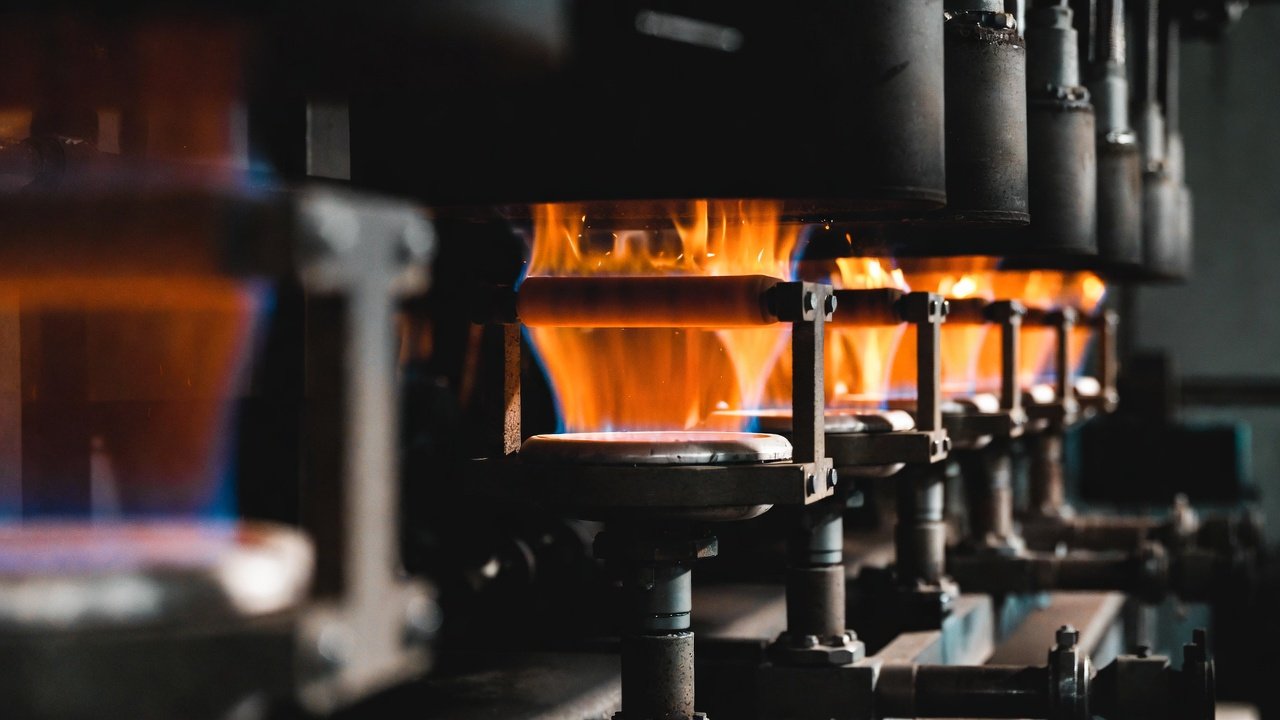
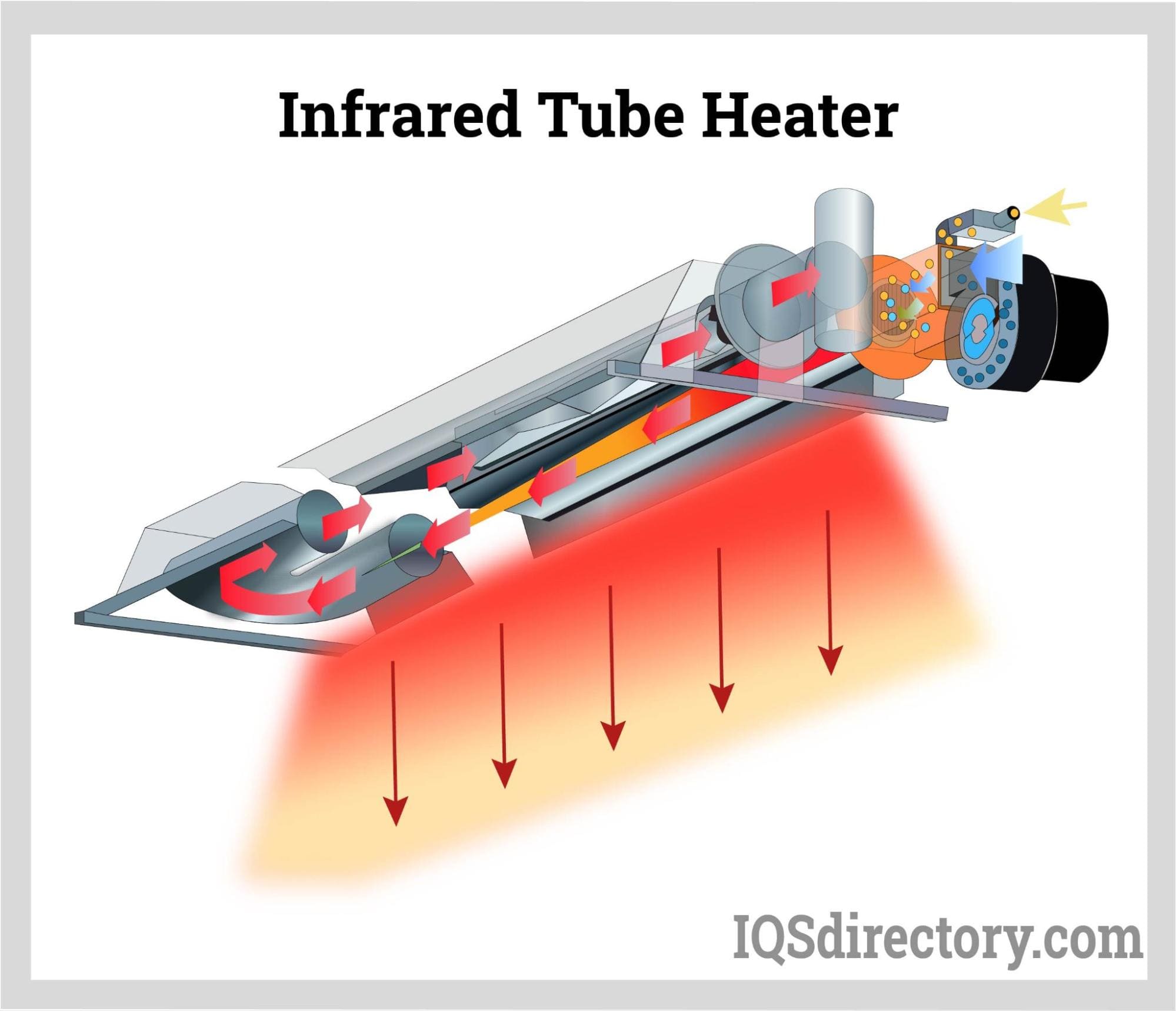
Natural gas IR burners offer many benefits for industrial heating systems. They improve overall performance and reduce costs. These burners use infrared radiation to deliver heat directly to the target area. This method is efficient and effective for various industrial processes.
Using natural gas as fuel adds advantages like cleaner burning and better availability. The following points explain the key benefits of natural gas IR burners in detail.
To better understand how this radiant heating technology works, learn what an infrared gas burner is and how infrared energy is transferred directly to the target surface.
Energy Efficiency And Cost Savings
Natural gas IR burners use energy more efficiently than traditional burners. They convert fuel into heat with less waste. This lowers fuel consumption and reduces operating costs. Industries save money on energy bills. Maintenance costs also decrease due to fewer moving parts.
When comparing different industrial heating methods, direct radiant heating can offer advantages in response time and energy use. Learn more about the difference between an infrared gas burner vs traditional gas burner for industrial applications.
Reduced Emissions And Environmental Impact
Burning natural gas produces fewer pollutants than other fuels. IR burners emit less carbon dioxide and nitrogen oxides. This helps industries meet environmental regulations. Cleaner emissions protect air quality and reduce the carbon footprint. Using natural gas supports sustainable industrial practices.
Improved Heat Distribution
IR burners provide uniform heat across surfaces. Infrared radiation heats objects directly, not the air around them. This ensures consistent temperatures and faster heating times. Better heat distribution improves product quality and process control. It also reduces energy loss and hotspots.
Types Of Ir Burners For Industry
Natural gas IR burners come in different types to fit various industrial heating needs. Each type has unique features and uses. Choosing the right burner improves efficiency and saves energy.
Understanding these types helps industries pick the best solution for their heating systems. Below are the common types of IR burners used in industry.
Medium And High Intensity Burners
Medium intensity burners produce steady heat for general heating tasks. They work well for drying and curing processes. High intensity burners create very hot, focused heat. These are used for rapid heating and large-scale operations.
Both types offer precise temperature control. They help industries maintain consistent product quality. The choice depends on the heat level needed.
Selecting the appropriate burner intensity depends on the required temperature, heating distance, process speed, and equipment design. Read our guide on how to choose an infrared burner for industrial ovens for key burner selection factors.
Direct And Indirect Ir Burners
Direct IR burners emit heat straight to the target surface. They are efficient for fast heating and low heat loss. Indirect IR burners heat a surface that then radiates heat. This method protects sensitive materials from direct flame.
Direct burners suit tough materials needing quick heat. Indirect burners work best for fragile or complex products.
Custom Burner Designs
Custom burners are made to meet specific industry needs. They can vary in size, shape, and heat output. Custom designs solve unique heating challenges.
These burners improve process control and save energy. Industries benefit from tailored solutions that fit exact requirements.
Customized infrared burner designs can also use specialized ceramic heating surfaces. Explore our honeycomb ceramic burner plates for industrial infrared heating systems and customized burner applications.
Applications In Industrial Heating
Natural gas infrared (IR) burners play a key role in many industrial heating processes. Their efficient heat delivery helps industries save energy and improve product quality. These burners suit various heating needs with precise control and fast response.
Industries depend on natural gas IR burners for reliable and consistent heat. They work well in tough conditions and high-temperature environments. Below are some main applications of these burners in industrial heating.
Natural gas infrared heating is part of a broader range of radiant heating processes used across manufacturing industries. Explore the applications of infrared gas burners in industrial heating to learn more about different industrial uses of this technology.
Metal Processing And Heat Treating
Natural gas IR burners provide even heating for metal parts. They help in processes like annealing, hardening, and tempering. The burners reach high temperatures quickly, improving production speed. This heating method reduces energy waste and lowers costs. Quality control is easier with accurate heat application.
Food Processing And Drying
In food production, natural gas IR burners dry and cook products evenly. They ensure fast drying without overheating the food. This helps keep taste and texture intact. The burners also reduce moisture efficiently, extending shelf life. Their precise heat control supports various food types and recipes.
For food drying equipment that requires controlled and responsive radiant heat, explore infrared burners for food drying machines and their role in improving industrial food drying processes.
Ceramics And Glass Manufacturing
Natural gas IR burners heat ceramics and glass during shaping and finishing. They provide uniform temperature to avoid cracks or defects. The burners speed up firing and drying phases. Using infrared heat enhances product strength and surface quality. Energy savings are significant in these energy-demanding processes.
Installation And Maintenance Tips
Proper installation and regular maintenance keep natural gas IR burners working well. These steps help avoid breakdowns and increase burner life. Follow simple tips to ensure safety and performance in industrial heating systems.
Proper Burner Placement
Place burners where heat spreads evenly. Avoid blocking air flow around the burner. Keep enough space from walls and other equipment. Position burners to prevent overheating nearby parts. Correct placement saves fuel and improves heating.
Correct burner positioning is especially important in continuous production equipment where consistent heat coverage is required. Explore infrared burners for powder coating and drying lines to learn more about infrared heating applications in industrial production systems.
Regular Inspection And Cleaning
Check burners often for dirt or damage. Clean burner surfaces to stop soot build-up. Remove dust and debris from air intakes. Inspect gas lines for leaks or cracks. Regular care helps burners run smoothly and safely.
Troubleshooting Common Issues
Watch for uneven flames or strange smells. These signs show burner problems. Check gas pressure and adjust if needed. Clear clogged nozzles with proper tools. Replace worn parts quickly to avoid bigger issues.
Cost Factors And Roi
Understanding the cost factors and return on investment (ROI) of natural gas IR burners helps industries plan better. These burners offer efficient heating but come with various costs. Knowing these costs clarifies the financial benefits and timeline for payback.
Initial Investment And Setup Costs
Natural gas IR burners require an upfront investment. This includes the price of the burner unit and installation expenses. Setup costs cover piping, controls, and safety devices. Costs vary by burner size and system complexity. Proper installation ensures safe and efficient operation.
Operating Expenses
Fuel costs form the main part of operating expenses. Natural gas prices fluctuate but remain cost-effective. Maintenance is usually low compared to other heating systems. Periodic checks keep burners running efficiently. Reduced downtime also lowers overall operating costs.
Long-term Savings And Payback Period
IR burners use less fuel due to direct heating. This leads to significant energy savings over time. Faster heating reduces production delays and increases output. The payback period depends on fuel savings and initial costs. Many industries recover costs within a few years.

Credit: yhg688.en.made-in-china.com
Future Trends In Ir Burner Technology
Natural gas IR burners continue to evolve with new technology. These changes improve efficiency and reduce costs. Industries can expect safer, smarter, and greener heating solutions soon. The future holds many exciting developments in burner design and function.
Advances In Burner Materials
Burner materials are becoming stronger and more heat-resistant. New alloys and ceramics extend burner life. These materials help burners work in extreme temperatures without damage. Longer-lasting burners mean less downtime and fewer replacements.
Integration With Smart Controls
Smart controls allow precise regulation of burner performance. Sensors monitor temperature and fuel use in real-time. Automated adjustments improve fuel efficiency and lower emissions. Remote control features enable quick responses to system changes.
Reliable infrared heating systems may also require compatible burner control and ignition solutions. Explore our ignition controllers for industrial infrared burners for related burner control components.
Sustainability And Alternative Fuels
Burners are adapting to use cleaner fuels beyond natural gas. Hydrogen and biofuels are gaining attention as alternatives. Using these fuels reduces carbon footprints significantly. Sustainable fuel options support eco-friendly industrial heating systems.
Credit: www.iqsdirectory.com
Frequently Asked Questions
What Are Natural Gas Ir Burners Used For?
Natural gas IR burners provide efficient heat in industrial heating systems. They emit infrared radiation that heats objects directly, improving energy use and reducing costs. These burners are ideal for processes needing uniform and intense heat.
How Do Natural Gas Ir Burners Improve Heating Efficiency?
IR burners convert natural gas into radiant heat, minimizing energy loss. This direct heating reduces warm-up times and increases process speed. Their precise heat control enhances overall system performance and lowers fuel consumption.
Are Natural Gas Ir Burners Safe For Industrial Use?
Yes, natural gas IR burners are safe when properly installed and maintained. They produce clean combustion with low emissions. Safety measures include flame monitoring and automatic shut-off systems to prevent accidents and ensure reliable operation.
What Industries Benefit From Natural Gas Ir Burners?
Industries like automotive, ceramics, food processing, and metalworking use natural gas IR burners. They are excellent for drying, curing, heating, and coating applications that require consistent and controllable heat.
Need a Natural Gas Infrared Burner for Your Industrial Heating System?
Choosing the right natural gas infrared burner depends on the required temperature, heating area, production process, burner capacity, fuel supply, and equipment design. If you need technical specifications or a customized industrial heating solution, contact our team to discuss your requirements.
Conclusion
Natural gas IR burners improve heating efficiency in industrial systems. They offer precise temperature control and reduce energy waste. These burners produce less pollution, helping industries stay eco-friendly. Easy installation and low maintenance save time and money. Choosing the right burner boosts productivity and cuts costs.
Industrial heating becomes safer and more reliable with these burners. A smart choice for businesses aiming to improve operations. Efficient heating leads to better performance and lower bills. Natural gas IR burners fit well in many industrial settings.