HENGYI BURNERS

Industrial Heating Solutions for Indonesia Factories: Boost Efficiency Now

If you run a factory in Indonesia, you know how crucial reliable heating solutions are for your operations. Whether you need to maintain precise temperatures in production lines or ensure energy efficiency, the right industrial heating system can make all the difference.

But with so many options available—like industrial ovens, furnaces, and thermal oil heaters—how do you choose what fits your factory’s unique needs? You’ll discover practical insights and expert tips to help you find the best industrial heating solutions tailored specifically for Indonesian factories.

Keep reading to unlock ways to boost your productivity, reduce costs, and stay ahead in your industry.
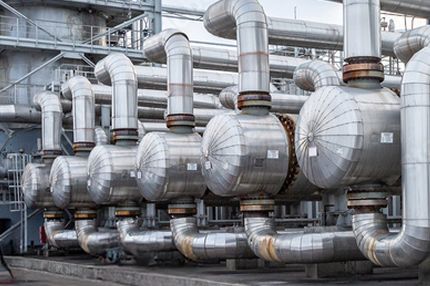
Industrial Heating Solutions for Indonesia Factories: Boost Efficiency Now

Credit: process.honeywell.com

Heating Needs In Indonesian Factories

Factories in Indonesia require reliable heating systems to maintain smooth operations. Many industrial processes depend on consistent and efficient heat. Heating plays a vital role in manufacturing, food processing, and metalwork. Proper heating ensures quality products and reduces downtime. Factories face unique challenges due to Indonesia’s climate and energy infrastructure. Choosing the right heating solution helps factories save energy and costs. Industrial heating also supports safety and environmental compliance.

Common Industrial Heating Challenges

High humidity and tropical temperatures affect heating system performance. Factories must control heat without raising indoor temperatures too much. Maintenance is difficult due to dust and corrosive environments. Energy costs can be unpredictable in some regions. Heating equipment needs to be durable and easy to repair. Factories also seek systems with fast heat-up times and precise control. Finding heating solutions that match process needs is critical.

Key Industries Using Heating Solutions

Indonesia’s main industries rely heavily on heating technology. The palm oil sector uses heat for drying and refining. Textile factories need heat for dyeing and finishing fabrics. Food and beverage plants apply heating to cook and sterilize products. Metal processing facilities depend on furnaces and ovens for shaping metals. Chemical manufacturers use heat in reactions and processing. Each industry has different temperature and energy demands.

Energy Sources In Indonesia

Indonesia offers a mix of energy sources for industrial heating. Natural gas is widely available and popular for boilers and furnaces. Coal remains a common fuel in larger factories. Electricity powers many electric heaters and thermal oil systems. Some factories explore renewable options like biomass and geothermal energy. The choice depends on cost, availability, and environmental goals. Efficient energy use reduces factory expenses and emissions.

Industrial Heating Solutions for Indonesia Factories: Boost Efficiency Now

Credit: www.siemens-energy.com

Types Of Industrial Heating Systems

Industrial heating systems play a crucial role in Indonesia’s factories. They provide the heat necessary for manufacturing, processing, and other operations. Choosing the right heating system improves efficiency and lowers costs. Various types of industrial heating systems serve different needs and energy sources. Understanding these types helps factory managers select the best option.

Steam Heating Systems

Steam heating systems use steam to transfer heat. Boilers generate steam by heating water. The steam moves through pipes to heat equipment or space. This method is common in textile and food factories. Steam heating offers quick, uniform heat and is easy to control.

Fuel Combustion Heating

Fuel combustion heating burns fuels like natural gas, oil, or coal. The heat from burning fuels heats air or liquids. This system suits large factories needing high heat levels. It is cost-effective but requires proper ventilation. Regular maintenance ensures safe and efficient operation.

Electric Heating Elements

Electric heating elements convert electricity into heat. They include resistance wires and heating coils. These elements offer precise temperature control and fast response. Electric heating is clean and easy to install. It is ideal for small to medium-sized industrial processes.

Thermal Fluid Heating

Thermal fluid heating uses hot liquids to transfer heat. Heated thermal oil or other fluids circulate through pipes. This system provides stable and even heat at high temperatures. It is common in chemical and manufacturing industries. Thermal fluid heating reduces energy consumption and improves safety.

Heat Recovery Solutions

Heat recovery systems capture waste heat from industrial processes. They reuse this heat to warm other parts of the factory. This method saves energy and lowers operating costs. Heat recovery suits factories with large heat demands. It supports sustainable and eco-friendly manufacturing.

Popular Heating Equipment In Indonesia

Factories in Indonesia use various heating equipment to meet industrial needs. These tools help control temperature and improve production quality. Choosing the right heating device saves energy and boosts efficiency.

Several heating systems have gained popularity due to their reliability and suitability for different factory processes. Below are some commonly used heating equipment in Indonesian factories.

Industrial Ovens And Furnaces

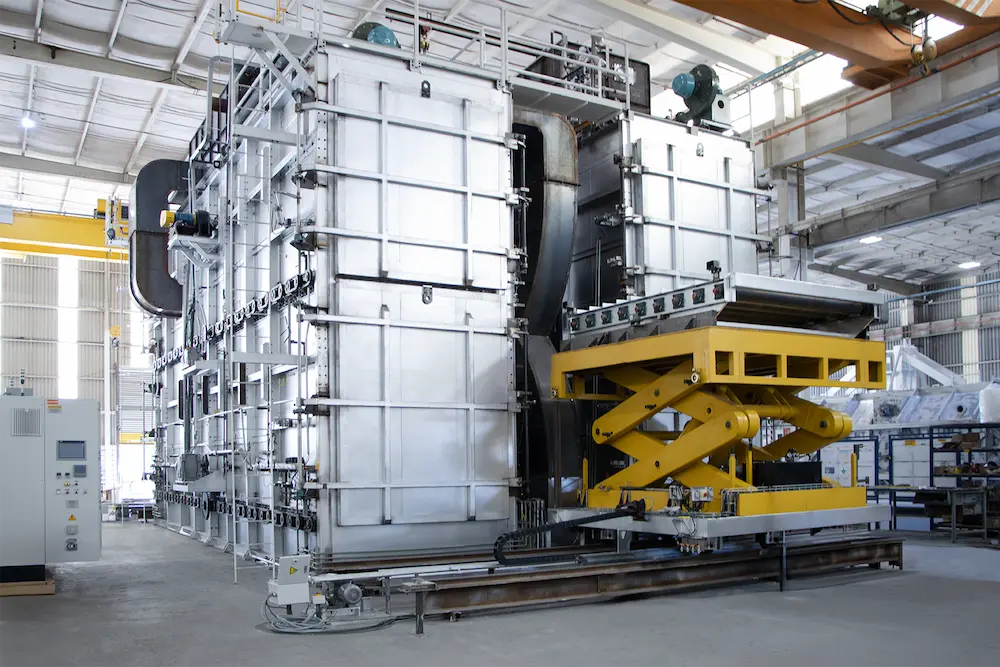
Industrial ovens and furnaces provide controlled heating for manufacturing tasks. They are essential in processes like drying, curing, and heat treatment. These ovens can handle high temperatures and maintain consistent heat levels. Indonesian factories often rely on these for metalworking and ceramics production.

Induction Furnace Systems

Induction furnace systems use electromagnetic fields to melt metals. They are energy-efficient and offer precise temperature control. These systems reduce pollution compared to traditional fuel-based furnaces. Many Indonesian metal foundries prefer induction furnaces for their speed and clean operation.

Tubular Heaters

Tubular heaters are electric heating elements shaped like tubes. They fit into various equipment for heating air, liquids, or solids. These heaters are durable and easy to install. Factories in Indonesia use tubular heaters in machinery, ovens, and water heaters.

Infrared Gas Burners

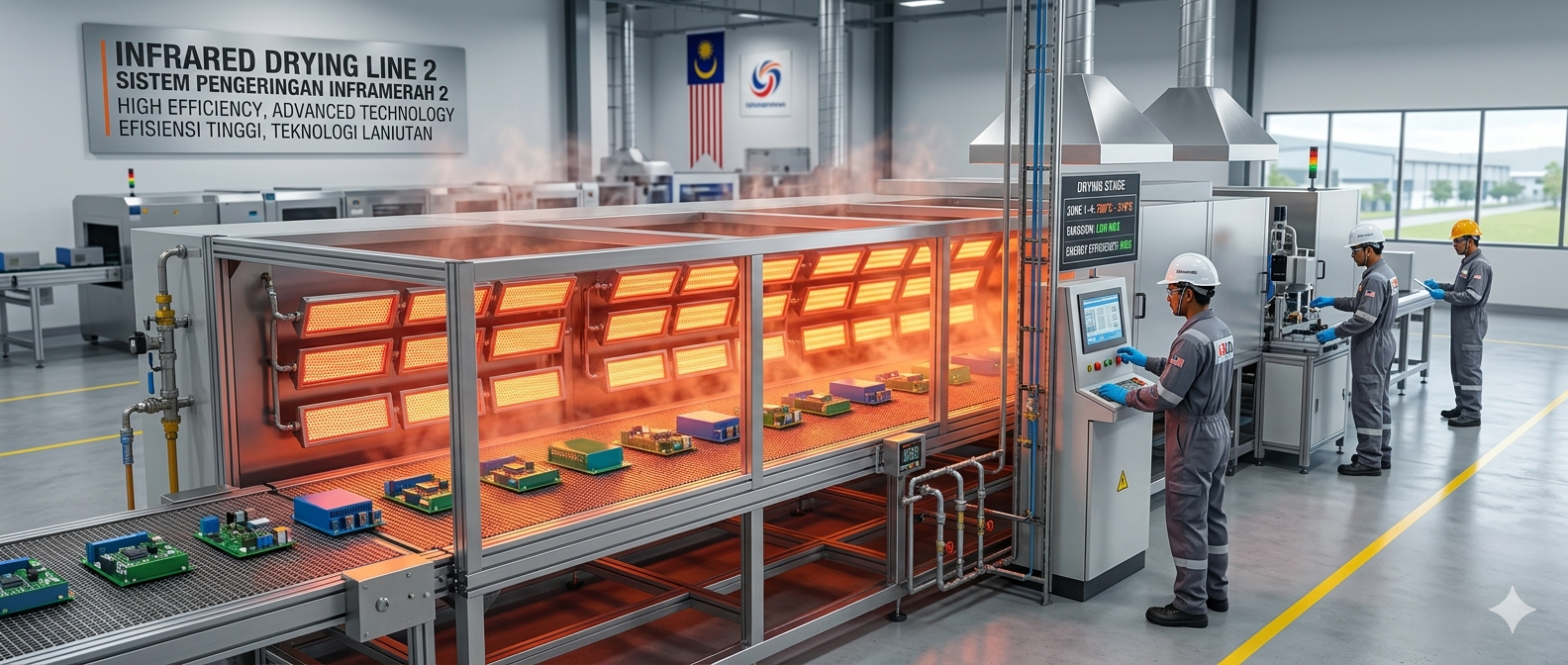
Infrared gas burners emit radiant heat for quick and even warming. They are ideal for drying, baking, and curing processes. These burners consume less fuel and produce less smoke. Indonesian industries use infrared burners to improve heating efficiency and reduce costs.

High-efficiency Boiler Systems

High-efficiency boiler systems generate steam or hot water for factory heating. They use fuel and technology to maximize heat output with minimal waste. These boilers help maintain stable temperatures in production lines. Many Indonesian factories upgrade to efficient boilers for energy savings and lower emissions.

Benefits Of Modern Heating Solutions

Modern heating solutions bring many advantages to factories in Indonesia. These systems use new technology to improve how factories run. They help save energy, cut costs, and raise product quality. Worker safety also gets better with advanced heating methods. These benefits make factories more competitive and efficient in a busy market.

Boosting Energy Efficiency

Modern heating systems use energy more wisely. They deliver heat exactly where it is needed. This reduces waste and lowers energy use. Efficient heating means less fuel is burned. Factories save money on electricity and gas bills. These systems often include smart controls to adjust heat automatically. This keeps energy use at the lowest possible level.

Reducing Operational Costs

New heating technology cuts down factory costs. Using less energy means smaller utility bills. Maintenance costs drop because modern systems are more reliable. They need fewer repairs and last longer. Factories spend less on fuel and parts. This helps free up budget for other important needs. Lower costs improve overall business profits.

Enhancing Production Quality

Precise heating improves the quality of factory products. Consistent temperature ensures materials are processed correctly. This reduces defects and waste in production. Better heat control leads to stronger and more reliable products. Factories can meet strict quality standards easily. Customers receive better goods, raising satisfaction and trust.

Improving Worker Safety

Modern heating systems improve safety for factory workers. They reduce the risk of burns and accidents. New equipment often has safety guards and automatic shutoffs. Heat is controlled more carefully, lowering dangerous hot spots. Better air quality results from cleaner heating methods. Safe workplaces protect workers and reduce downtime.

Sustainable Heating Technologies

Sustainable heating technologies are transforming industrial heating in Indonesia. Factories seek solutions that save energy and cut costs. These technologies also reduce environmental impact. They help industries meet strict regulations and improve efficiency.

Adopting sustainable heating supports Indonesia’s goals for cleaner energy use. It promotes long-term growth while protecting natural resources. Factories can use modern systems that blend technology and green energy. These innovations offer reliable heat with less pollution.

Electric Heating Advances

Electric heating systems are becoming more efficient and affordable. New electric heaters provide precise temperature control for factory processes. They reduce energy waste and improve safety. Advances in materials and design extend their lifespan. Factories using electric heating cut reliance on fossil fuels.

Renewable Energy Integration

Factories now combine heating systems with solar and biomass energy. Solar thermal panels can supply heat directly to industrial processes. Biomass boilers use agricultural waste to produce heat sustainably. This integration lowers operational costs and carbon footprints. It also supports local energy independence.

Emission Reduction Strategies

Reducing emissions is key to sustainable industrial heating. Factories install advanced filters and scrubbers on heating units. These devices capture harmful gases before release. Using cleaner fuels like natural gas helps cut emissions too. Regular maintenance ensures heating systems run cleanly and efficiently.
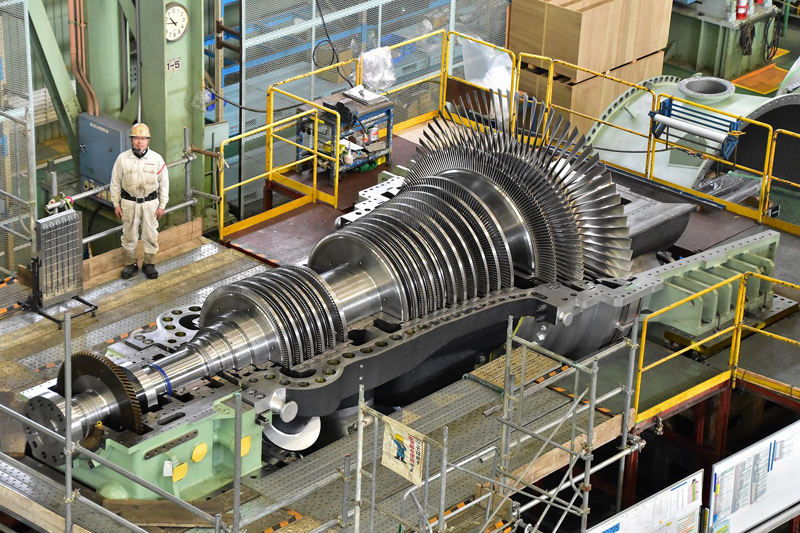
Industrial Heating Solutions for Indonesia Factories: Boost Efficiency Now

Credit: global.kawasaki.com

Choosing The Right Heating System

Choosing the right heating system is crucial for factory efficiency and safety. A well-selected system ensures consistent temperature control and lowers energy costs. It also supports production quality and worker comfort. Several factors influence the best heating choice for Indonesian factories. This section breaks down key points to consider during selection.

Assessing Factory Requirements

Start by understanding your factory’s size and layout. Different areas may need varied heat levels. Consider the materials processed and their heating sensitivity. Identify peak production times and heat demand cycles. This helps match the heating system to actual factory needs. Avoid oversizing or undersizing the system to save energy and costs.

Evaluating Equipment Reliability

Choose heating equipment known for durability and consistent performance. Reliable systems reduce downtime and repair costs. Look for brands with strong local support and spare parts availability. Check reviews or case studies from similar factories. Reliable equipment improves factory productivity and safety.

Considering Maintenance Needs

Review the maintenance demands of each heating option. Some systems require frequent checks and part replacements. Others run longer without intervention. Easy maintenance lowers labor costs and avoids unexpected shutdowns. Factor in local technical expertise for repairs. A system with simple maintenance suits busy factories better.

Budget And Roi Considerations

Calculate the initial investment and operating costs for each system. Energy consumption and fuel type affect long-term expenses. Balance upfront cost against expected savings and lifespan. A higher initial price may bring better efficiency and lower bills. Aim for a heating solution that pays back within a reasonable time.

Leading Industrial Heating Providers In Indonesia

Indonesia’s industrial sector demands reliable heating solutions to boost production and efficiency. Leading industrial heating providers serve a vital role in meeting these needs. They offer a range of products and services tailored to factory environments across the country.

These providers combine local expertise with global technology. Their focus includes system design, installation, and ongoing support. Factories gain access to advanced heating equipment that fits specific industrial processes. This ensures energy efficiency and consistent performance.

Local Manufacturers And Suppliers

Local manufacturers in Indonesia produce a wide array of industrial heating equipment. They specialize in industrial ovens, furnaces, and thermal oil heating systems. These suppliers understand the unique needs of Indonesian factories. Their proximity allows for faster delivery and on-site service. They also provide components tailored to regional industry standards.

International Technology Partners

Many Indonesian providers partner with global technology firms. These partnerships bring cutting-edge heating technology to local factories. International partners supply advanced induction furnaces and electric heating elements. They help upgrade factory processes and reduce energy consumption. Collaboration ensures compliance with international safety and quality standards.

Customization And Support Services

Customization is key for industrial heating solutions. Providers offer tailored systems based on factory size and production type. They design heating units to meet precise temperature and timing requirements. Support services include installation, maintenance, and troubleshooting. Continuous support helps factories avoid downtime and optimize performance.

Installation And Maintenance Tips

Proper installation and maintenance of industrial heating systems ensure long-term efficiency. Factories in Indonesia benefit from reliable heating solutions with fewer breakdowns. Following practical tips can save time and reduce costs. Understanding how to install, maintain, and troubleshoot these systems supports smooth factory operations.

Proper System Installation

Begin by selecting the right heating system for your factory’s needs. Ensure all components meet local safety and quality standards. Install equipment on stable, level surfaces to prevent damage. Connect electrical and fuel lines following manufacturer instructions. Test the system thoroughly before full operation. Proper installation prevents leaks and energy loss.

Routine Maintenance Practices

Schedule regular checks to keep the system running efficiently. Clean filters, ducts, and heating elements to avoid blockages. Inspect electrical connections for wear or corrosion. Lubricate moving parts to reduce friction and wear. Replace worn or damaged parts promptly. Document all maintenance activities for future reference.

Troubleshooting Common Issues

Watch for uneven heating or unusual noises as warning signs. Check fuel supply and electrical connections first. Clean or replace clogged filters to restore airflow. Reset controls and sensors if the system stops unexpectedly. Consult the manual for error codes and fixes. Contact professionals for complex repairs beyond basic troubleshooting.

Training And Safety Protocols

Train staff on proper system operation and emergency procedures. Emphasize the importance of using personal protective equipment. Keep clear access to heating units and control panels. Establish a routine for reporting issues immediately. Conduct safety drills to prepare for possible hazards. Regular training reduces accidents and equipment damage.

Future Trends In Industrial Heating

The industrial heating sector in Indonesia is evolving rapidly. Factories seek efficient, reliable, and eco-friendly heating solutions. Future trends focus on smarter, more connected, and energy-saving systems. These innovations aim to reduce costs and environmental impact while boosting productivity.

Smart Heating Systems

Smart heating systems use sensors and data to adjust temperatures automatically. They optimize heat delivery based on real-time factory needs. This reduces energy waste and improves product quality. Factories benefit from precise control and lower operating costs. Smart systems also offer easy remote monitoring and maintenance.

Automation And Iot Integration

Automation links industrial heating with factory machinery for seamless operation. Internet of Things (IoT) devices collect data from heating equipment continuously. This data helps detect faults early and schedule preventive maintenance. IoT integration supports better decision-making and increases system uptime. It also enables energy use tracking for better efficiency.

Energy Storage Solutions

Energy storage allows factories to save heat for later use. Thermal energy storage reduces peak energy demand and lowers costs. It helps balance power supply, especially with renewable energy sources. Stored heat can be released when needed, ensuring steady production. This trend supports cleaner energy and enhances system reliability.

Frequently Asked Questions

How To Heat A Large Factory?

Heat a large factory using industrial heating systems like steam, fuel combustion, electric, or thermal-fluid heaters. Choose based on energy efficiency and factory size. Install industrial ovens or furnaces for targeted heating. Use heat recovery systems to reduce energy costs and maintain consistent temperatures.

Who Is The Largest Gas Producer In Indonesia?

Pertamina is the largest gas producer in Indonesia. The state-owned company dominates domestic gas production and distribution.

What Is Indonesia Famous For Producing?

Indonesia is famous for producing palm oil, coffee, rubber, textiles, coal, and industrial heating equipment like ovens and furnaces.

Which One Is Also Used In Heating In Industrial Processes?

Steam heating systems, fuel combustion, electric heating, thermal-fluid heating, and heat recovery systems also heat industrial processes.

Conclusion

Choosing the right industrial heating solutions boosts factory efficiency and lowers costs. Reliable heating systems help maintain product quality and meet production goals. Factories in Indonesia benefit from technology suited to local energy sources and climate. Simple, effective heating keeps operations running smoothly every day.

Investing in proper heating equipment supports long-term growth and success.
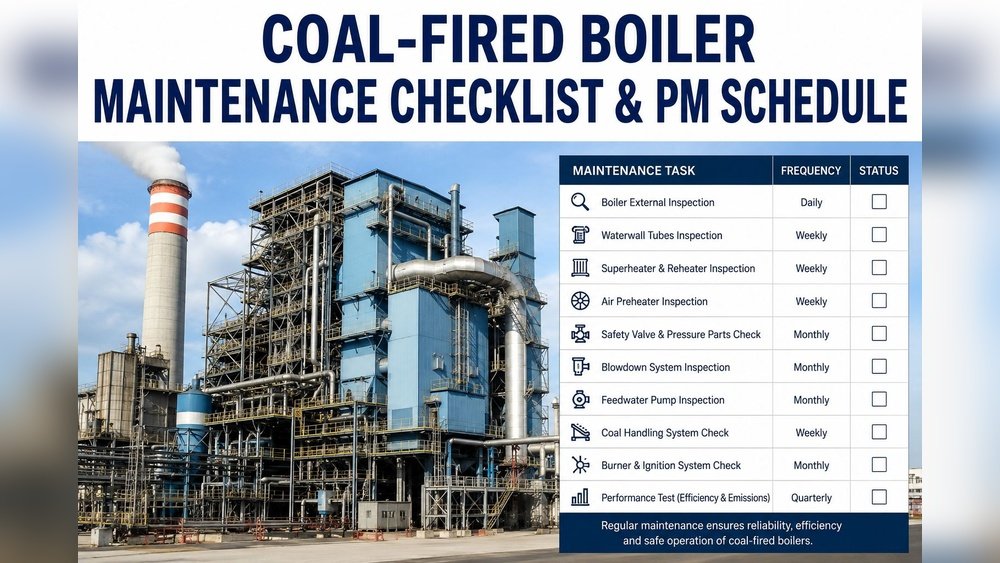
Industrial Burner Applications in Indonesia’s Manufacturing Sector: Key Innovations

If you’re involved in Indonesia’s manufacturing sector, understanding how industrial burners play a crucial role can transform your operations. These powerful devices are at the heart of many manufacturing processes, delivering the heat and energy needed to keep production running smoothly and efficiently.

But what exactly makes industrial burners so essential? And how can you leverage their applications to boost productivity, cut costs, and meet growing environmental standards? Keep reading to discover how industrial burners are shaping Indonesia’s manufacturing landscape and why they should matter to you.

Industrial Burner Applications in Indonesia's Manufacturing Sector: Key Innovations

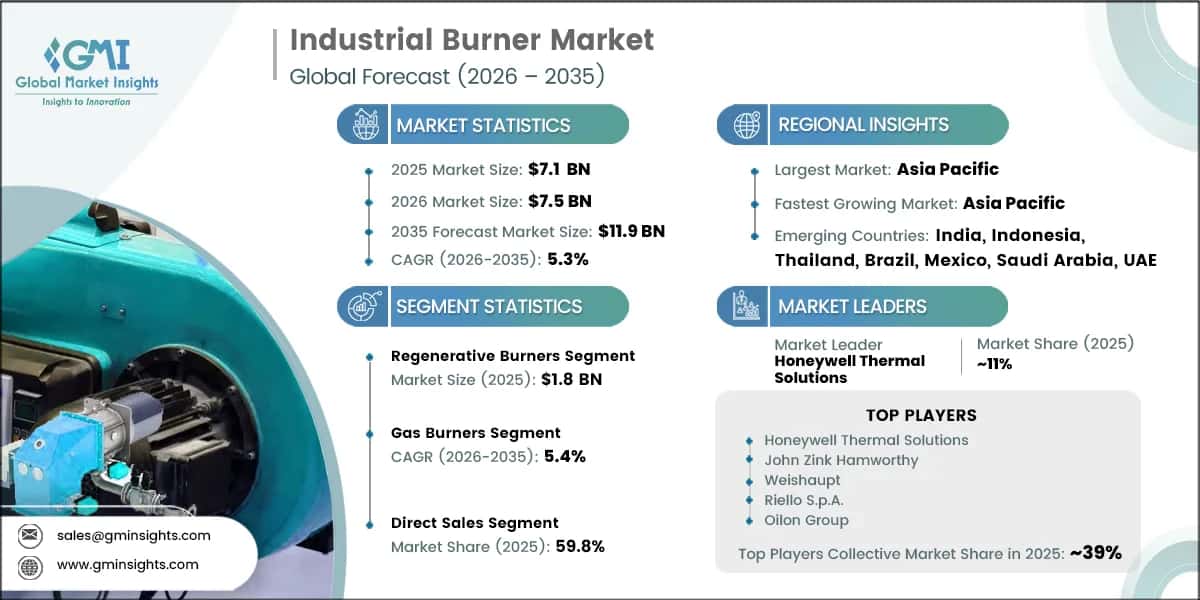
Credit: www.gminsights.com

Industrial Burners In Indonesia

Industrial burners play a crucial role in powering Indonesia’s manufacturing industry. These devices generate controlled heat essential for processes like metal forging, chemical production, and food processing. Understanding how industrial burners fit into Indonesia’s manufacturing landscape can help you optimize your operations and reduce energy costs.

Manufacturing Sector Overview

Indonesia’s manufacturing sector is diverse, ranging from textiles and electronics to cement and food production. The country’s rapid industrial growth has increased demand for efficient heating solutions. Industrial burners are at the heart of many manufacturing processes, providing reliable and cost-effective heat.

In sectors like cement manufacturing, burners help achieve the high temperatures needed for kiln operation. Meanwhile, in food processing, precise temperature control ensures product quality and safety. Have you considered how upgrading your burners could improve your manufacturing efficiency?

Key Burner Types Used

Several types of industrial burners are popular in Indonesia, each suited to different manufacturing needs. The most common include:

  • Gas burners: Known for clean combustion and easy control, ideal for food and chemical industries.
  • Oil burners: Widely used in heavy industries where high heat output is necessary.
  • Infrared burners: Favored for uniform heating in processes like powder coating and drying.
  • Dual-fuel burners: Offer flexibility by switching between gas and oil depending on availability and cost.

Choosing the right burner type depends on your production process, fuel availability, and environmental regulations. Have you evaluated which burner technology aligns best with your operational goals?

Energy Efficiency Advances

Energy efficiency advances are transforming Indonesia’s manufacturing sector. Industrial burners play a key role in reducing fuel use and emissions. New technologies help factories save energy and cut costs.

Improving burner performance means less waste and better heat control. These changes support Indonesia’s goals for cleaner production and sustainability. Factories adopting energy-saving burners gain a competitive edge in the market.

Low-emission Technologies

Low-emission burners reduce harmful gases like nitrogen oxides and carbon monoxide. They use cleaner fuel combustion methods to limit pollution. Many Indonesian manufacturers now install these burners to meet environmental rules.

These technologies improve air quality inside and outside factories. They also help companies avoid fines and shutdowns. Efficient burners use less fuel while producing the same heat output, saving money and energy.

Automation And Control Systems

Modern burners come with automation that controls fuel flow and flame size. Sensors monitor temperature and adjust the burner in real time. This precise control prevents overheating and fuel waste.

Automated systems also reduce manual errors and maintenance needs. Indonesian plants benefit from smoother operations and lower emissions. The data collected helps managers optimize energy use continuously.

Infrared Gas Burner Applications

Infrared gas burners play an important role in Indonesia’s manufacturing sector. They provide efficient and even heat, which is essential for many industrial processes. These burners use infrared radiation to transfer heat directly to materials. This method reduces energy waste and speeds up production. Many industries in Indonesia rely on these burners for their heating needs.

Powder Coating Processes

Infrared gas burners improve powder coating by providing fast and uniform heating. The burners help cure the coating evenly on metal surfaces. This results in a strong and smooth finish. The quick heating reduces the time needed for curing. It also lowers energy costs compared to traditional heating methods. Manufacturers in Indonesia use infrared burners to enhance product quality and efficiency.

Food Processing Industry

In the food processing industry, infrared gas burners offer precise temperature control. This helps in drying, baking, and cooking food products evenly. The burners ensure consistent heat, which maintains product quality. Infrared heating also reduces contamination risks by limiting direct contact. Many Indonesian food producers use these burners to improve production speed and safety.

Innovations In Burner Design

Innovations in burner design have greatly impacted Indonesia’s manufacturing sector. New designs improve efficiency and reduce fuel use. These changes help factories save money and lower emissions. Advances also support Indonesia’s goals for cleaner industry and sustainable growth.

Compact And Modular Systems

Modern burners are smaller and easier to install. Compact designs fit into tight spaces in factories. Modular systems allow quick assembly and repair. Factories can add or remove modules to match production needs. These features reduce downtime and maintenance costs. Compact burners also improve safety by minimizing exposed parts.

Improved Heat Distribution

New burner designs spread heat evenly across surfaces. Better heat distribution ensures consistent product quality. It prevents hot spots that can damage materials. Uniform heating saves fuel by reducing overheating. This innovation supports precise temperature control for sensitive processes. It also extends the life of manufacturing equipment.

Decarbonizing Manufacturing

Indonesia’s manufacturing sector faces growing pressure to reduce carbon emissions. Decarbonizing manufacturing processes is vital for a cleaner environment. Industrial burners play a key role in this transition. They provide heat for various manufacturing steps but also emit greenhouse gases. Improving burner technology and fuel sources helps lower emissions without harming productivity.

Cleaner Combustion Methods

Cleaner combustion methods cut harmful emissions from industrial burners. These methods improve fuel efficiency and reduce pollutants like carbon monoxide and nitrogen oxides. Techniques such as staged combustion and flue gas recirculation optimize flame stability and temperature. This leads to more complete fuel burning and fewer emissions. Upgrading burners with advanced control systems also enables precise fuel-air mixing. Indonesian manufacturers adopting these technologies see lower fuel costs and better air quality.

Renewable Fuel Integration

Renewable fuel integration offers new paths to decarbonize manufacturing. Industrial burners can use biofuels, hydrogen, or biogas instead of fossil fuels. These renewable sources emit less or zero carbon dioxide during combustion. Indonesia’s abundant biomass resources support biofuel production on a large scale. Switching to renewable fuels reduces dependence on imported coal and oil. It also aligns with government goals for sustainable industry growth. Gradual fuel blending allows manufacturers to adapt burners without major disruptions.

Industrial Burner Market Trends

The industrial burner market in Indonesia is evolving rapidly. Many industries in the manufacturing sector rely on these burners for heating and processing. Market trends show a shift towards energy efficiency and cleaner technologies. Manufacturers seek solutions that lower costs and reduce emissions. This demand influences product development and sales strategies. Understanding these trends helps businesses stay competitive and meet regulatory requirements.

Rising Demand Factors

Indonesia’s growing manufacturing base drives demand for industrial burners. Rising production in sectors like food processing, chemicals, and metal works needs reliable heat sources. Strict government policies push for energy-efficient equipment. Companies want burners that offer fuel savings and lower emissions. The focus on sustainability encourages adopting advanced burner technologies. Increasing exports also require consistent and high-quality manufacturing processes. These factors together boost the industrial burner market steadily.

Regional Growth Patterns

Java island leads Indonesia’s industrial burner market growth. It hosts many manufacturing hubs and industrial zones. Sumatra and Sulawesi show emerging opportunities due to new factories. Regions with better infrastructure attract more investments. Urban areas see higher demand for modern burner systems. Government incentives promote industrial development in select provinces. Regional growth is uneven but expanding, reflecting Indonesia’s overall economic progress.

Future Opportunities

The manufacturing sector in Indonesia is evolving rapidly, creating fresh prospects for industrial burner technologies. Future opportunities lie in enhancing efficiency and cutting emissions. Industries are keen on adopting new solutions that offer precise control and energy savings.

These advancements promise to reshape how manufacturers manage heat and combustion processes. Innovations in burner technology will support sustainable growth and meet stricter environmental rules. The future holds great potential for integrating smart systems and expanding burner uses across different industries.

Smart Burner Technologies

Smart burner technologies use sensors and automation to improve performance. They adjust fuel and air flow in real time, ensuring optimal combustion. This technology reduces fuel waste and lowers emissions significantly. Manufacturers benefit from lower operational costs and better product quality. Smart burners also provide data for predictive maintenance, avoiding unexpected downtime. In Indonesia’s factories, these systems can enhance energy management and support sustainability goals.

Cross-sector Applications

Industrial burners serve many sectors beyond traditional manufacturing. They are vital in food processing, chemical production, and metalworking. Each sector requires tailored burner solutions to meet specific needs. Expanding burner use into new industries boosts efficiency and lowers environmental impact. In Indonesia, cross-sector applications open doors for burner suppliers and service providers. This diversification supports the country’s broader industrial growth and energy goals.

Industrial Burner Applications in Indonesia's Manufacturing Sector: Key Innovations

Credit: www.sxburner.com

Industrial Burner Applications in Indonesia's Manufacturing Sector: Key Innovations

Credit: oxmaint.com

Frequently Asked Questions

What Are Common Industrial Burner Applications In Indonesia?

Industrial burners in Indonesia are used for heating, drying, and steam generation. They serve sectors like food processing, chemical manufacturing, and metalworking industries efficiently.

How Do Industrial Burners Improve Manufacturing Efficiency?

They provide consistent, controlled heat, reducing energy waste. This boosts production speed, product quality, and lowers operational costs in manufacturing plants.

Which Industries In Indonesia Use Industrial Burners Most?

Key users include food processing, textiles, chemicals, and metal fabrication industries. These sectors rely on burners for processes like drying, melting, and curing.

What Fuel Types Are Used In Indonesian Industrial Burners?

Natural gas, LPG, and diesel are common fuels. Choice depends on availability, cost, and specific manufacturing requirements.

Conclusion

Industrial burners play a vital role in Indonesia’s manufacturing sector. They help improve energy use and production speed. Many industries rely on them for consistent heat and better quality. Choosing the right burner boosts efficiency and lowers costs. As the sector grows, demand for advanced burners will rise.

This supports Indonesia’s goal of modern and sustainable manufacturing. Industrial burners remain key to stronger, smarter factories in the country.

Industrial Infrared Burners for Korean Manufacturing Companies: Boost Efficiency

If you’re part of a Korean manufacturing company, you know how crucial efficient and reliable heating solutions are for your production lines. Industrial infrared burners could be the game-changer your operations need.

These burners deliver fast, uniform heat directly to your materials, helping you save energy while boosting productivity. Imagine cutting down your processing times and improving product quality—all with a technology designed to fit the unique demands of Korean industries. Ready to discover how industrial infrared burners can transform your manufacturing process?

Let’s dive in.

Industrial Infrared Burners for Korean Manufacturing Companies: Boost Efficiency

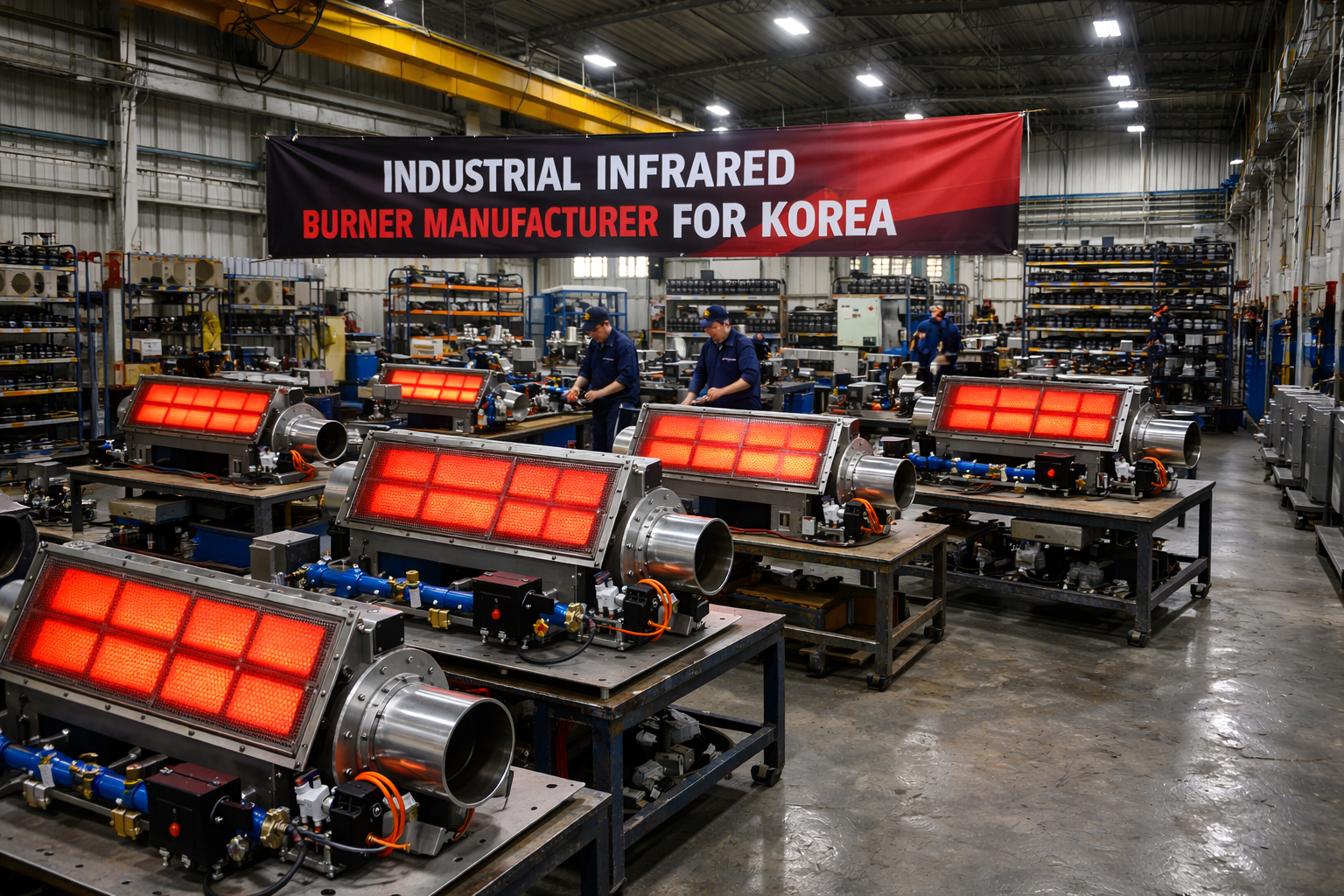
Credit: hengyiburners.com

Benefits Of Infrared Burners

Infrared burners provide several benefits to Korean manufacturing companies. These burners use infrared radiation to heat objects directly. This method improves heating efficiency and supports precise process control.

Choosing infrared burners enhances production quality while lowering energy use. These advantages make them ideal for various industrial applications in Korea.

Energy Efficiency And Cost Savings

Infrared burners convert most fuel into usable heat. They heat surfaces directly without wasting energy on air heating. This feature lowers fuel consumption and reduces operational costs. Faster heating times mean higher production rates and less downtime. Korean manufacturers can save money while boosting output.

Uniform Heating And Process Control

Infrared burners deliver consistent heat across surfaces. This uniform heating prevents hot spots and material damage. Precise temperature control improves product quality and repeatability. Companies can maintain strict manufacturing standards with ease. Such control is essential for complex industrial processes.

Reduced Emissions And Environmental Impact

Infrared burners produce fewer harmful emissions than traditional burners. Lower fuel use means less carbon dioxide and pollutants released. This reduction helps Korean companies meet environmental regulations. Cleaner operations support a healthier workplace and community. Using infrared technology contributes to sustainable manufacturing.

Applications In Korean Manufacturing

Industrial infrared burners play a vital role in Korean manufacturing. These burners provide efficient, fast, and even heating. This technology suits many industrial processes. Korean factories use infrared burners to boost productivity and quality.

The ability to heat objects directly saves energy and time. Korean manufacturers benefit from better product finishes and lower costs. Below are key areas where infrared burners are widely applied.

Powder Coating And Surface Treatment

Infrared burners offer precise heat for powder coating lines. This ensures coatings cure evenly and strongly. Korean manufacturers achieve smooth, durable surfaces on metal parts. The fast heating reduces cycle times and energy use. Infrared heat improves adhesion and finish quality. It is ideal for automotive parts and electronics housings.

Food Processing And Drying

Infrared burners speed up drying in Korean food factories. They gently remove moisture without damaging products. This helps keep flavor, texture, and nutrients intact. Infrared heat suits snacks, grains, and seafood processing. The burners deliver consistent drying, reducing waste and improving shelf life.

Automotive And Electronics Industries

Infrared burners support precise heating in automotive manufacturing. They cure paints, adhesives, and coatings quickly and cleanly. Korean plants use this technology to increase production speed. In electronics, infrared heat aids in soldering and component drying. This leads to better product reliability and lower defects.

Choosing The Right Infrared Burner

Choosing the right industrial infrared burner is key for Korean manufacturing companies. The burner must fit the specific needs of the process. Efficiency, durability, and fuel type all play a role. A proper selection can reduce costs and improve product quality. Understanding different burner types and installation needs helps make the best choice.

Metal Vs Ceramic Burner Types

Metal infrared burners offer fast heating and good durability. They handle high temperatures well and cool down quickly. Ceramic burners provide more uniform heat and better energy efficiency. They are ideal for delicate processes requiring steady temperature. Choose metal burners for heavy-duty work and ceramic for precision heating.

Fuel Options And Combustion Technology

Infrared burners use natural gas, propane, or other fuels. Natural gas is common for its clean burn and availability. Propane suits remote locations without gas lines. Modern combustion technology reduces emissions and saves fuel. Select a burner with efficient combustion to lower operating costs and meet regulations.

Sizing And Installation Considerations

Proper burner size ensures effective heating without wasting energy. Oversized burners consume more fuel and cause uneven heating. Undersized burners fail to meet process demands. Installation must allow safe fuel supply and ventilation. Space constraints and maintenance access affect burner placement. Work with experts to get correct sizing and installation.

Industrial Infrared Burners for Korean Manufacturing Companies: Boost Efficiency

Credit: www.twothousand.com

Maintenance And Safety

Maintaining industrial infrared burners is vital for smooth operation and safety in Korean manufacturing facilities. Proper upkeep extends burner life and ensures reliable performance. Safety measures protect workers and prevent accidents in industrial settings.

Routine Inspection And Cleaning

Check burners regularly for dirt and damage. Clean burner surfaces to remove dust and debris. Inspect gas connections and fuel lines for leaks. Replace worn parts immediately to avoid breakdowns. Keep burners free from soot buildup to maintain efficiency.

Safety Protocols For Industrial Use

Follow all safety guidelines when operating burners. Use protective gear such as gloves and goggles. Ensure proper ventilation to prevent gas buildup. Install safety shut-off valves and alarms. Train staff on emergency procedures and safe handling of burners.

Troubleshooting Common Issues

Identify unusual noises or flame irregularities early. Check fuel supply and pressure for consistency. Clean clogged nozzles to restore proper flame shape. Reset burners if automatic controls fail. Contact experts for complex repairs to avoid damage.

Future Trends In Infrared Heating

Infrared heating is evolving rapidly in the industrial sector. Korean manufacturers must keep up with the latest trends. These advancements improve productivity and reduce costs. The focus shifts towards smarter, greener, and more efficient infrared burners. Understanding these future trends helps businesses stay competitive and meet market demands.

Industrial infrared burners will integrate new technologies and adapt to stricter regulations. This ensures better performance and environmental compliance. Korean companies can expect innovations that enhance burner efficiency and support smart manufacturing systems.

Advancements In Burner Efficiency

Burner designs continue to improve for higher energy efficiency. New materials and engineering methods help reduce heat loss. Infrared burners now deliver more consistent and intense heat. This leads to faster processing times and lower fuel consumption. Manufacturers benefit from reduced operational costs and improved product quality.

Integration With Smart Manufacturing

Infrared burners are becoming part of automated production lines. Sensors and control systems monitor temperature and adjust heat output. This real-time data ensures precise heating and reduces waste. Smart integration allows predictive maintenance, avoiding unexpected downtime. Korean factories gain better control over their processes and improve overall efficiency.

Sustainability And Regulatory Developments

Environmental regulations are shaping the future of infrared heating. Burners must meet stricter emission standards and energy use limits. Manufacturers adopt greener technologies to lower their carbon footprint. Use of cleaner fuels and advanced combustion controls is increasing. These changes support sustainable manufacturing and comply with global regulations.

Local Support And Suppliers

Local support and suppliers are vital for Korean manufacturing companies using industrial infrared burners. Having nearby resources reduces downtime and improves maintenance speed. It ensures quick access to parts and expert help. This support boosts production efficiency and lowers operational risks.

Korean companies benefit from strong local networks offering tailored solutions. These networks connect businesses with reliable suppliers and skilled technicians. Both local and international manufacturers contribute to this ecosystem. Their collaboration provides diverse options and advanced technologies for Korean industries.

Korean And International Manufacturers

Several Korean manufacturers specialize in industrial infrared burners. They understand local market needs and offer customized products. These companies focus on energy efficiency and durability. International manufacturers also supply cutting-edge burner technology. They bring global experience and innovation to Korean factories.

Combining local expertise with international quality creates balanced options. Korean firms can choose burners suited to their specific production lines. This variety helps maintain competitive advantage in global markets.

Service And Technical Support Options

Service centers across Korea provide fast technical support for infrared burners. They handle installation, repair, and routine maintenance tasks. Trained technicians offer on-site assistance and remote troubleshooting. Spare parts are stocked locally to minimize delays in repairs.

Manufacturers often provide training programs for operators and maintenance staff. These programs improve safe and efficient burner use. Regular support helps prevent unexpected breakdowns. It also extends the lifespan of industrial infrared burners.

Case Studies Of Successful Implementations

A Korean automotive parts maker improved heating uniformity using infrared burners. This upgrade reduced fuel consumption and increased production speed. Another food processing company cut drying time significantly by switching to advanced burners. They also lowered emissions and met environmental regulations.

These examples highlight the benefits of local support combined with quality burners. They show how Korean companies can enhance productivity and reduce costs. Real-world success stories encourage wider adoption of infrared burner technology.

Industrial Infrared Burners for Korean Manufacturing Companies: Boost Efficiency

Credit: m.made-in-china.com

Frequently Asked Questions

What Are Industrial Infrared Burners Used For?

Industrial infrared burners provide direct and efficient heat. They are commonly used in manufacturing processes like drying, curing, and heating materials uniformly.

Why Choose Infrared Burners For Korean Manufacturing?

Infrared burners offer energy efficiency, faster heating, and precise temperature control. These benefits help Korean manufacturers reduce costs and improve product quality.

How Do Infrared Burners Improve Manufacturing Efficiency?

They deliver consistent heat directly to materials, reducing processing time. This leads to higher production rates and lower energy consumption.

Are Industrial Infrared Burners Environmentally Friendly?

Yes, infrared burners produce fewer emissions compared to conventional burners. Their efficient combustion minimizes fuel use, supporting cleaner manufacturing operations.

Conclusion

Industrial infrared burners help Korean manufacturers save energy and cut costs. They heat materials quickly and evenly, improving product quality. These burners fit many industries, from food processing to metalwork. Choosing the right burner boosts efficiency and supports cleaner production.

Investing in this technology can strengthen Korean manufacturing’s global position. Industrial infrared burners make processes simpler and more reliable. They meet modern demands while reducing environmental impact. Smart heating solutions drive progress in Korea’s factories today.

Infrared Burners for Food Processing Plants in Vietnam

If you’re involved in food processing in Vietnam, you know how important it is to have efficient, reliable heating solutions. Infrared burners are changing the game by offering faster, cleaner, and more precise heating for your food production lines.

Imagine cutting down cooking times while improving product quality and energy savings—all at once. This technology can help you do just that. You’ll discover how infrared burners work, why they’re ideal for Vietnam’s food processing plants, and how they can boost your operation’s performance and profitability.

Keep reading to see if infrared burners are the missing piece in your production puzzle.

Infrared Burners In Food Processing

Infrared burners play a vital role in food processing plants across Vietnam. They provide a clean, efficient heat source that improves cooking speed and product quality. Infrared burners use radiant energy to heat food directly, reducing energy loss and cooking times. These burners are becoming popular in food plants for their precision and consistent heat output.

How Infrared Burners Work

Infrared burners emit heat as infrared radiation. This radiation heats objects and food surfaces directly without heating the air. The burners convert fuel into radiant heat through a ceramic or metal surface. The heat penetrates food quickly, ensuring even cooking. Infrared burners also respond fast to temperature changes, offering better control.

Types Of Infrared Burners

There are mainly two types of infrared burners: metal and ceramic. Metal burners provide quick heat and are durable. Ceramic burners emit more intense, uniform radiation and can reach higher temperatures. Both types suit different food processing needs. Choosing the right burner depends on the type of food and cooking process.

Applications In Food Processing Plants

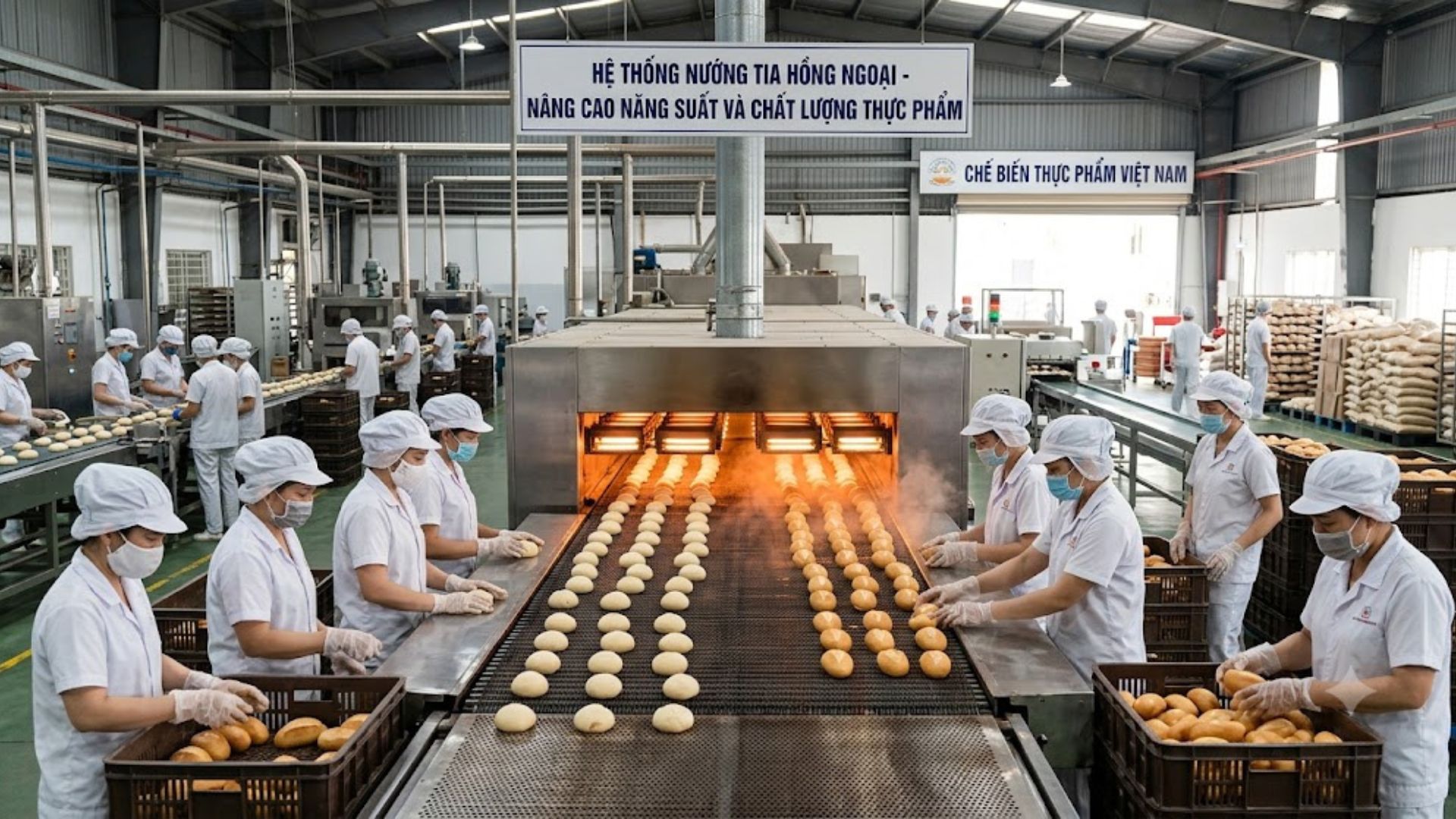
Infrared burners are used in many food processing applications. They help in baking, drying, roasting, and browning food products. Infrared heat is perfect for instant meals, snacks, and bakery items. It improves the appearance and texture of food without overcooking. Many plants in Vietnam rely on infrared burners to boost production and maintain quality.

Infrared Burners for Food Processing Plants in Vietnam: Boost Efficiency

Credit: amfbakery.com

Benefits For Vietnamese Food Plants

Infrared burners offer many benefits for food processing plants in Vietnam. These burners improve cooking speed, reduce energy use, and enhance food safety. Vietnamese food plants can increase productivity and lower costs with this technology.

Using infrared burners helps maintain the quality and taste of food. It supports the unique needs of Vietnam’s food industry. These advantages make infrared burners a smart choice for local food processors.

Improving Cooking Efficiency

Infrared burners heat food faster than traditional methods. They transfer heat directly to the food surface. This reduces cooking time and increases output. Plants can process more food in less time. Faster cooking also means less heat loss to the environment.

Energy Savings And Cost Reduction

Infrared technology uses energy more efficiently. It requires less fuel to reach cooking temperatures. This lowers energy bills and reduces waste. Plants save money on fuel and maintenance costs. Lower expenses help Vietnamese food plants stay competitive.

Enhancing Food Quality And Safety

Infrared burners provide even and consistent heat. This prevents overcooking or burning food. The method preserves the food’s natural flavor and texture. Infrared heat also reduces bacteria growth. It supports higher food safety standards required in Vietnam.

Integration Challenges

Integrating infrared burners in food processing plants in Vietnam presents unique challenges. These challenges affect efficiency and safety. Careful planning and execution are essential for smooth integration. Several factors must be addressed before and after installation.

Installation Considerations

Proper installation is crucial for infrared burners to work well. Space constraints in existing plants may limit placement options. Ventilation systems must handle increased heat output. Electrical and gas connections require exact specifications. Poor installation can reduce burner efficiency and increase risks. Coordinating with plant engineers ensures compliance with local safety codes.

Maintenance And Durability

Infrared burners need regular maintenance to perform consistently. Dust and grease buildup can block infrared rays. Burners may require frequent cleaning to avoid damage. Components exposed to heat wear out faster and need replacement. Choosing durable materials helps reduce maintenance frequency. A maintenance schedule prolongs burner life and prevents downtime.

Training And Workforce Adaptation

Workers must learn how to operate infrared burners safely. Training includes understanding burner controls and safety measures. Staff need to recognize early signs of burner malfunction. Adapting to new technology can be challenging for some employees. Clear instructions and hands-on training improve confidence and skills. Ongoing support helps maintain smooth plant operations.

Comparing Infrared To Traditional Heating

Infrared burners offer a different heating method compared to traditional systems in food processing plants in Vietnam. Understanding their differences helps in choosing the best option for efficient operations. Below is a comparison focusing on speed, heat distribution, environmental impact, and operational costs.

Speed And Heat Distribution

Infrared burners heat food quickly by directly warming the surface. This reduces cooking time significantly. Traditional heaters warm the air first, which takes longer. Infrared heat spreads evenly across the food surface. Traditional heating can create hot and cold spots. This uneven heating may affect food quality and consistency.

Environmental Impact

Infrared burners use less fuel, lowering emissions. They produce fewer greenhouse gases than traditional systems. This helps food plants in Vietnam reduce their carbon footprint. Traditional heating often wastes energy by heating large air volumes. Infrared systems focus energy on the food itself, leading to less waste.

Operational Costs

Infrared burners consume less energy, cutting utility bills. They require less maintenance due to fewer moving parts. Traditional heaters may need regular servicing and replacement parts. Energy savings and low upkeep make infrared burners cost-effective. This benefits food processing plants managing tight budgets in Vietnam.

Case Studies From Vietnam

Vietnam’s food processing plants have started adopting infrared burners with promising outcomes. These case studies reveal how local companies integrate this technology to improve their operations. Each example shows unique benefits and practical challenges faced during implementation. The following sections highlight key successes, efficiency improvements, and valuable lessons from Vietnam’s experience.

Successful Implementations

Several Vietnamese food processors installed infrared burners in their production lines. One seafood processing plant reduced drying time by 30%. Another rice cracker factory improved product texture and color using infrared heating. These installations often replaced traditional gas or electric heaters. The new infrared systems offered faster, more uniform heating. Workers reported easier temperature control and less heat loss. The technology proved reliable in humid and coastal environments typical of Vietnam.

Measured Efficiency Gains

Energy consumption dropped significantly after switching to infrared burners. One factory recorded a 25% decrease in fuel usage within six months. The direct heating method minimized wasted energy. Infrared burners heated only the product surface, reducing overall power demand. Plants also saw lower maintenance costs due to fewer mechanical parts. Faster processing times boosted overall plant throughput. These gains contributed to lower production costs and higher profit margins.

Lessons Learned

Vietnamese companies learned to adapt burner settings for different food types. Infrared intensity and distance needed careful adjustment to avoid burning. Staff training proved essential for safe and effective operation. Some plants faced initial challenges integrating infrared systems with existing lines. Proper planning and gradual implementation helped overcome these hurdles. Regular cleaning of burner surfaces prevented efficiency loss from soot buildup. The experience highlighted the importance of supplier support and technical guidance.

Infrared Burners for Food Processing Plants in Vietnam: Boost Efficiency

Credit: coffeetec.com

Future Trends In Infrared Technology

Infrared technology continues to evolve in food processing plants across Vietnam. New trends focus on improving efficiency and precision. These advancements help plants save energy and enhance product quality.

Future developments will make infrared burners smarter and more versatile. These innovations aim to meet rising demands in the food industry. The technology will support a wider range of applications while reducing environmental impact.

Innovations In Burner Design

Burner designs now prioritize durability and heat control. New materials improve heat distribution and reduce wear. Compact burners fit better into existing production lines. These designs ensure consistent cooking and lower maintenance costs.

Smart Controls And Automation

Automation helps monitor and adjust infrared burners in real time. Smart controls optimize temperature and timing for each batch. This reduces human error and increases productivity. Integration with factory systems simplifies operation and data tracking.

Expanding Applications In Food Processing

Infrared burners are used beyond baking and drying. They assist in roasting, grilling, and sterilizing food products. The technology adapts to different food types and packaging. Growing interest in healthier cooking methods fuels this expansion.

Infrared Burners for Food Processing Plants in Vietnam: Boost Efficiency

Credit: www.twothousand.com

Frequently Asked Questions

Can Infrared Radiation Cook Food?

Yes, infrared radiation can cook food by directly heating its surface. It quickly raises temperature and enhances browning and flavor. Infrared cooking is efficient, safe, and commonly used in food processing and restaurant warming lamps.

Are Infrared Lamps Used In Restaurants To Keep Food Warm?

Yes, infrared lamps are used in restaurants to keep food warm. They heat food by emitting infrared radiation absorbed by moisture.

What Are The Downsides Of Infrared Heating?

Infrared heating may cause uneven heat distribution and limited penetration depth. It can be costly to install and has less humidity control. Some materials may not absorb infrared heat efficiently, reducing effectiveness.

Is Infrared Heating Safe For Food?

Infrared heating safely cooks food by raising its temperature without altering molecular structure. It is widely used in food processing and restaurants.

Conclusion

Infrared burners offer efficient heating for food processing plants in Vietnam. They cook food quickly and evenly, saving time and energy. These burners also improve product quality with precise temperature control. Many plants benefit from their easy maintenance and durability.

Choosing infrared technology supports modern food production needs. It helps plants stay competitive in a growing market. Overall, infrared burners provide practical solutions for food processing challenges.

Infrared Burners for Poultry Farms in Indonesia: Boost Efficiency Fast

If you run a poultry farm in Indonesia, you know how crucial maintaining the right temperature is for your birds’ health and growth. Infrared burners could be the game-changer you’ve been looking for.

These burners deliver consistent, efficient heat directly to your poultry, keeping them warm without wasting energy. Imagine reducing your heating costs while improving your flock’s comfort and productivity. You’ll discover how infrared burners work, why they suit Indonesian poultry farms perfectly, and how they can help you boost your farm’s success.

Keep reading to learn how to make your poultry operation more efficient and profitable with the power of infrared heating.

Poultry Farming In Indonesia

Poultry farming in Indonesia plays a vital role in meeting the country’s growing demand for protein. It supports millions of farmers and contributes significantly to the economy. Understanding the current landscape can help you make informed decisions about investing in or improving your poultry operations.

Industry Growth And Trends

The poultry industry in Indonesia has seen steady growth over the past decade. Rising incomes and changing diets have increased demand for chicken meat and eggs. Local farmers are expanding their operations, and modern farming techniques are becoming more common.

However, this growth also means competition is tougher. Farmers who adopt efficient technology, like infrared burners for heating, often gain a clear advantage. Have you considered how these tools could improve your farm’s productivity and bird health?

Common Farming Practices

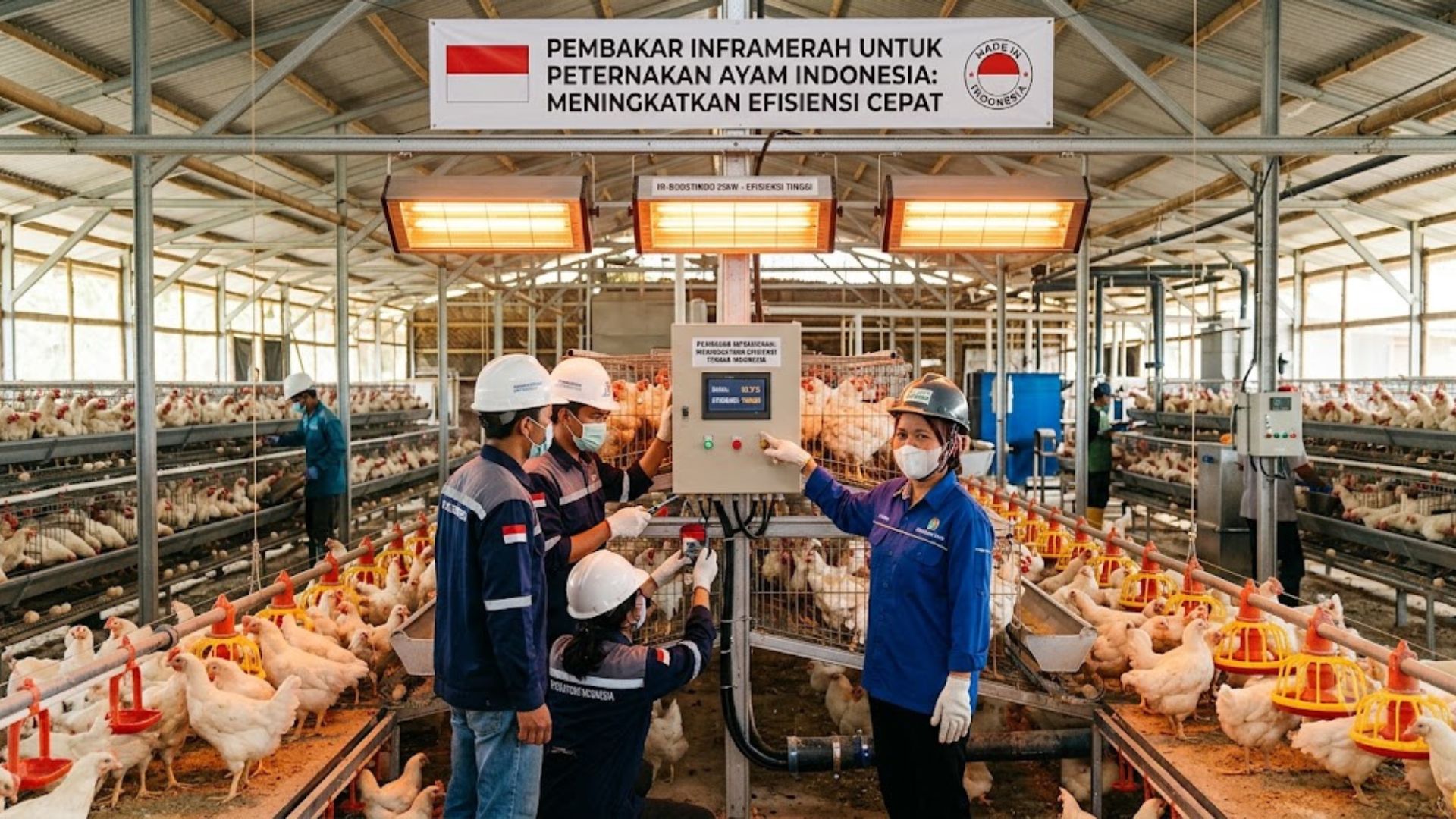
Many Indonesian poultry farms rely on traditional methods, including manual feeding and natural ventilation. Heating is crucial during the brooding period to keep chicks warm and healthy. Infrared burners are gaining popularity because they provide consistent, targeted heat without drying out the air.

Farmers also use open-sided houses to reduce heat stress in adult birds. But this can lead to temperature fluctuations that affect growth rates. Introducing controlled heating solutions might be the key to stabilizing conditions year-round on your farm.

Sustainability Challenges

Indonesian poultry farms face sustainability issues like waste management, water use, and energy consumption. Many smallholders struggle to balance productivity with environmental care. Infrared burners can help by using energy more efficiently compared to traditional heating systems.

Waste heat from these burners can reduce fuel costs and lower your farm’s carbon footprint. What steps are you taking to ensure your poultry farm remains both profitable and environmentally responsible?

Infrared Burners for Poultry Farms in Indonesia: Boost Efficiency Fast

Credit: www.alibaba.com

Infrared Burner Technology

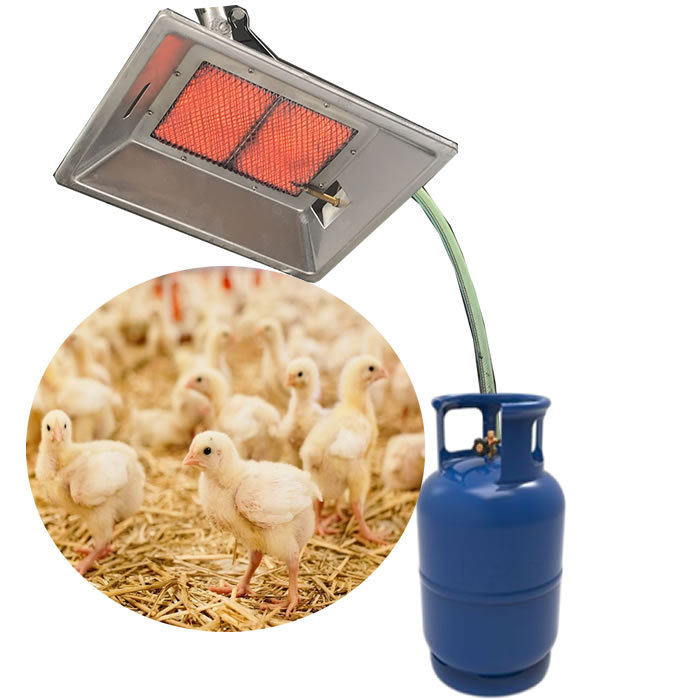
Infrared burner technology plays a crucial role in poultry farms across Indonesia. It offers a reliable heat source that supports the growth and health of poultry. This technology uses infrared radiation to provide warmth efficiently and evenly. Infrared burners help maintain optimal temperatures in poultry houses, especially during the brooding period. Farmers benefit from improved bird comfort and energy savings.

Using infrared burners can lead to better poultry performance and lower operational costs. The technology suits Indonesia’s climate and farming conditions well. Understanding how infrared heating works and its types helps farmers choose the right solution.

How Infrared Heating Works

Infrared heating transfers heat through electromagnetic waves. These waves heat objects and animals directly, not the air. This method creates a warm surface, ideal for poultry. The heat penetrates the skin, providing comfort to chicks and adult birds. Infrared burners convert gas or electricity into infrared radiation. This process is energy efficient and fast, reducing heat loss.

Types Of Infrared Burners

There are two main types: short-wave and medium-wave infrared burners. Short-wave burners emit high-intensity heat quickly. They are suitable for large open spaces and quick heating. Medium-wave burners provide gentler, longer-lasting warmth. They are ideal for brooding and maintaining stable temperatures. Some burners use ceramic plates for even heat distribution. Others have metal reflectors to direct heat precisely.

Advantages Over Traditional Heating

Infrared burners save energy compared to traditional heaters. They heat only the birds and floor, not the entire air volume. This targeted heating reduces fuel consumption and costs. Infrared heat improves bird comfort, reducing stress and illness. The burners require less maintenance and last longer. They also lower dust and moisture levels in the poultry house. This creates a healthier environment for the birds.

Benefits For Poultry Farms

Infrared burners offer many benefits for poultry farms in Indonesia. They provide efficient heating that supports poultry growth and farm productivity. Using infrared technology helps create a better environment for poultry, improving overall farm results.

Improved Brooding Efficiency

Infrared burners deliver focused heat directly to the floor and chicks. This method keeps the brooding area warm without wasting energy on the air. Chicks stay comfortable and active, which supports faster growth. The consistent warmth reduces stress and mortality rates during the critical brooding stage.

Energy Savings And Cost Reduction

Infrared burners use less fuel compared to traditional heating systems. They heat objects and animals, not the surrounding air, which lowers energy use. This targeted heating means farms spend less on fuel and electricity. Over time, these savings reduce overall operating costs significantly.

Enhanced Poultry Health

Infrared heat reduces dampness and humidity inside poultry houses. This environment lowers the risk of respiratory diseases and infections. Warm floors also promote better foot health for the birds. Healthy poultry grow better and produce higher yields for farmers.

Infrared Burners for Poultry Farms in Indonesia: Boost Efficiency Fast

Credit: www.alibaba.com

Installation And Usage Tips

Proper installation and careful usage of infrared burners boost poultry farm efficiency. Correct setup maximizes heat distribution and minimizes energy waste. Following simple tips ensures a safe and productive environment for your poultry.

Optimal Burner Placement

Place burners evenly to cover the entire brooding area. Position them high enough to avoid overheating chicks. Aim the infrared rays directly at the floor. This warms the chicks naturally, mimicking the mother hen’s heat. Keep burners away from flammable materials and water sources. Proper spacing prevents cold spots and reduces energy use.

Maintenance Best Practices

Clean burners regularly to remove dust and debris. Check for gas leaks before each use. Replace damaged parts immediately to ensure safety and efficiency. Inspect burner flames; they should be blue and steady. Schedule routine inspections to maintain performance. Well-maintained burners last longer and save costs.

Safety Considerations

Ensure proper ventilation to avoid harmful gas buildup. Install carbon monoxide detectors near burner areas. Keep children and animals away from hot burner surfaces. Use flame guards to prevent accidental contact. Follow local regulations for gas installation and usage. Always turn off burners when not in use to prevent accidents.

Market Availability In Indonesia

Infrared burners have become an important tool for poultry farms in Indonesia. They provide efficient and even heat distribution, which helps maintain the right temperature for chicks and adult birds. The market for these burners is growing steadily as more farmers recognize their benefits. Various suppliers offer different models suited to the local climate and farming needs.

Availability is good across major agricultural regions. Farmers can find infrared burners in both urban and rural areas. The demand drives suppliers to stock a variety of options, making it easier for poultry farms to upgrade their heating systems.

Leading Suppliers And Brands

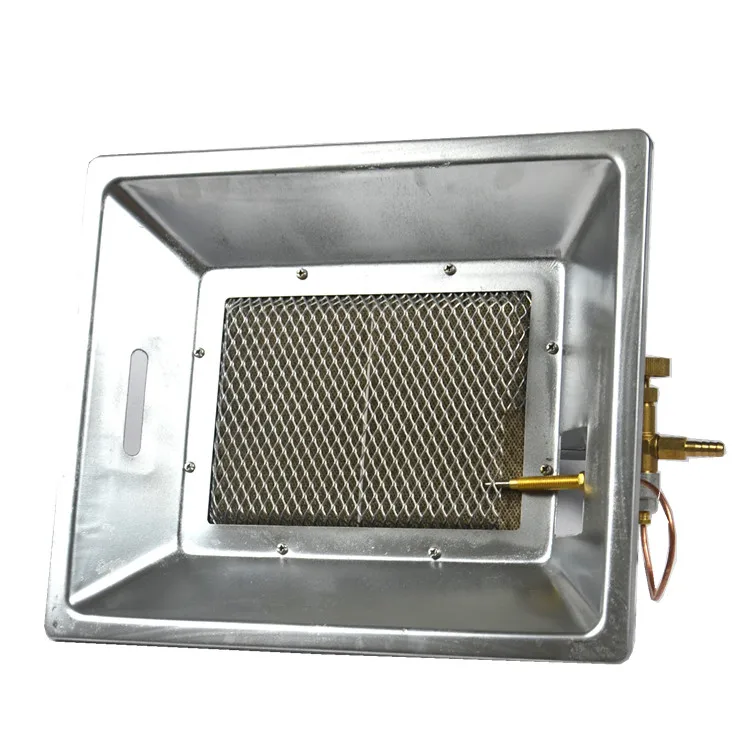
Several top suppliers provide infrared burners in Indonesia. Hengyi Burners is a well-known brand offering high-performance industrial infrared burners. Their products often feature ceramic honeycomb technology for efficient heat output.

Other notable brands include local manufacturers and international companies with distribution channels in Indonesia. These suppliers cater to different farm sizes and budgets, ensuring a wide range of options for poultry farmers.

Pricing And Warranty Options

Infrared burners in Indonesia come with varied pricing based on size, power, and technology. Smaller models for small-scale farms are more affordable. Larger, advanced units cost more but offer better efficiency.

Most suppliers provide warranties ranging from one to three years. This coverage gives farmers confidence in their purchase and protects against manufacturing defects. Some brands also offer extended warranty plans for added security.

Support And After-sales Service

Reliable support is key for farmers using infrared burners. Leading suppliers in Indonesia offer customer service to help with installation and maintenance. They provide technical guidance to ensure correct burner operation.

After-sales service often includes spare parts availability and repair options. This support helps keep poultry heating systems running smoothly and reduces downtime during critical farming periods.

Infrared Burners for Poultry Farms in Indonesia: Boost Efficiency Fast

Credit: www.alibaba.com

Future Trends In Poultry Heating

The future of poultry heating in Indonesia points to smarter, cleaner, and more efficient systems. Advances in technology improve comfort and growth for poultry. These developments also help farmers cut costs and reduce environmental harm. Infrared burners play a key role in these changes.

Innovations in infrared heating promise better heat distribution and energy savings. Smart farming integration allows precise control and monitoring. Reducing environmental impact is becoming a top priority in poultry farm management. These trends shape how poultry heating evolves in the years ahead.

Innovations In Infrared Technology

New infrared burners use ceramic materials for better heat output. These materials last longer and spread heat evenly across the poultry house. Improved burner designs reduce fuel use while maintaining warmth. This results in lower operational costs and healthier poultry growth.

Some burners now include adjustable heat settings. Farmers can change the temperature based on weather and chick age. This flexibility helps create optimal conditions for poultry at all times.

Integration With Smart Farming

Smart sensors now work with infrared burners for better heat control. Sensors track temperature, humidity, and air quality inside poultry houses. This data helps automate heating systems for consistent comfort. Farmers can also monitor conditions remotely through apps.

Automation reduces human error and saves time. It allows farms to respond quickly to changing conditions. This technology supports healthier poultry and improved farm productivity.

Environmental Impact Reduction

Infrared burners reduce greenhouse gas emissions compared to traditional heaters. They use less fuel and produce less waste heat. This makes poultry farms more eco-friendly and cost-effective.

New burners are designed to minimize pollution and noise. They help farms meet stricter environmental regulations in Indonesia. Sustainable heating solutions also protect nearby communities and wildlife.

Frequently Asked Questions

What Is The Heating System For Poultry Farms?

Poultry farms use infrared heating systems to provide consistent warmth. Infrared heaters warm the floor and air, improving chick comfort and growth. These systems are energy-efficient and maintain optimal temperature during brooding and rearing periods.

What Is The Poultry Sector In Indonesia?

The poultry sector in Indonesia involves raising chickens and other birds for meat and eggs. It supports rural livelihoods and contributes significantly to the economy.

How Does Infrared Heat Food?

Infrared heats food by emitting radiation that vibrates molecules, creating heat mainly on the surface. This cooks food quickly and evenly.

What Is The Principle Of Infrared Heating?

Infrared heating uses infrared radiation to transfer heat directly to objects and surfaces. It warms efficiently without heating the surrounding air. This method increases energy savings and provides consistent, comfortable warmth in various applications.

Conclusion

Infrared burners help maintain a stable, warm environment for poultry. They improve chick comfort and support healthy growth. Using these burners lowers energy costs and reduces heat loss. Many poultry farms in Indonesia benefit from their efficiency and reliability. Choosing the right infrared burner can boost farm productivity.

This technology suits local farming conditions well. Consider infrared burners to enhance your poultry farm’s heating system.

Industrial Infrared Burners for South Korean Manufacturing Companies

If you’re involved in Korean manufacturing, you know how crucial efficient heating solutions are to your production process. Industrial infrared burners offer a powerful way to boost your operations with stable, consistent heat that saves time and energy.

But how do you choose the right burner that fits your unique needs and keeps your equipment running smoothly? You’ll discover why industrial infrared burners are a game-changer for Korean manufacturers. You’ll learn what makes them stand out and how they can improve your production quality and efficiency.

Keep reading to find out how these burners can transform your manufacturing line and give you a competitive edge.

Industrial Infrared Burners for Korean Manufacturing Companies: Boost Efficiency

Credit: hengyiburners.com

Benefits Of Infrared Burners

Infrared burners offer many advantages for Korean manufacturing companies. These burners use infrared radiation to heat objects directly. This method improves overall production efficiency and lowers costs. Below are some key benefits that make infrared burners a smart choice for industries.

Energy Efficiency Gains

Infrared burners use energy more effectively than traditional burners. They deliver heat directly to the product, reducing wasted energy. This means less fuel consumption and lower energy bills. Many factories see a significant drop in operating costs after switching.

Enhanced Heat Transfer

Heat transfer with infrared burners is faster and more uniform. The burners heat surfaces without needing to warm the surrounding air. This improves product quality and shortens heating times. Faster heating helps increase production speed and output.

Reduced Emissions

Infrared burners produce fewer harmful emissions compared to conventional burners. They burn fuel more completely, reducing pollutants like carbon monoxide and nitrogen oxides. This cleaner operation supports environmental regulations and creates a safer workplace.

Industrial Infrared Burners for Korean Manufacturing Companies: Boost Efficiency

Credit: www.twothousand.com

Applications In Korean Manufacturing

Industrial infrared burners play a vital role in various Korean manufacturing sectors. They provide efficient heating solutions that improve productivity and reduce energy costs. These burners offer precise temperature control and fast heat-up times. Korean companies use them to enhance product quality and streamline production processes.

Many industries benefit from the consistent and uniform heat that infrared burners deliver. This technology supports high-volume manufacturing while maintaining strict quality standards. Korean manufacturers value infrared burners for their reliability and eco-friendly operation.

Metal Processing

Infrared burners heat metals quickly and evenly. This process is crucial for tasks like annealing, tempering, and drying coatings. The burners ensure metals reach the right temperature without overheating. Korean metal factories rely on this technology to increase efficiency and reduce waste. The precise heat improves the strength and durability of metal products.

Automotive Production

Automotive manufacturers use infrared burners for paint drying and curing. The burners provide uniform heat that speeds up the process. This reduces production time and lowers energy use. Infrared burners also help in plastic forming and bonding parts. Korean car makers achieve consistent finishes and better product quality with this heat source.

Electronics Assembly

Infrared burners supply controlled heat for soldering and curing in electronics. They prevent damage to sensitive components by offering gentle, even heat. Korean electronics companies use these burners to improve assembly precision and reliability. The technology supports faster production cycles and reduces defects. Infrared heat ensures strong connections and longer device life.

Types Of Industrial Infrared Burners

Industrial infrared burners play a key role in many manufacturing processes in Korea. These burners provide efficient, intense heat for drying, curing, and heating materials. Different types of infrared burners suit various industrial needs. Understanding each type helps companies choose the best option for their operations.

Ceramic Infrared Burners

Ceramic infrared burners use ceramic materials to emit heat. They produce radiant heat that penetrates materials evenly. These burners are energy-efficient and have a long lifespan. They work well in applications requiring consistent and uniform heat.

Gas-fired Infrared Burners

Gas-fired infrared burners burn natural gas or propane to generate infrared heat. They provide high heat intensity and fast response times. These burners are common in heavy industrial use due to their power and cost-effectiveness. They also offer stable combustion and easy control.

Electric Infrared Heaters

Electric infrared heaters use electricity to produce infrared radiation. They are clean, with no emissions or flames. These heaters are ideal for precise temperature control and smaller-scale applications. Maintenance is simple, and they operate quietly.

Key Features To Consider

Choosing the right industrial infrared burner is crucial for Korean manufacturing companies. These burners must offer reliable performance and meet specific production needs. Understanding key features helps in selecting a burner that fits well with your operations. Focus on combustion stability, heat output control, and durability to ensure efficiency and safety.

Combustion Stability

Stable combustion guarantees consistent heat output. It reduces the risk of flame failure and unsafe conditions. A burner with good combustion stability uses precise air and fuel mixing. This feature helps maintain a steady flame under varying conditions. It also lowers emissions and fuel consumption. Reliable combustion is vital for smooth manufacturing processes.

Heat Output Control

Accurate heat output control allows fine-tuning of the burner’s temperature. It ensures the process temperature stays within required limits. Adjustable heat output improves product quality and reduces waste. Look for burners with easy-to-use controls and fast response times. Good heat control supports energy savings and operational flexibility.

Durability And Maintenance

Durability is important for long-term use in harsh industrial environments. Choose burners made from high-quality materials resistant to corrosion and wear. Low maintenance requirements reduce downtime and operational costs. Check if the burner design allows quick access for cleaning and repairs. A durable burner keeps your production running smoothly and safely.

Leading Manufacturers And Suppliers

Choosing the right industrial infrared burner is critical for Korean manufacturing companies. The market offers many manufacturers and suppliers. Both global brands and local companies provide quality options. Understanding these sources helps businesses make informed decisions.

Global Brands Serving Korea

Several global manufacturers supply infrared burners to Korea. These brands have proven technology and reliability. They offer products designed for high efficiency and long life. Many global brands meet international safety and environmental standards. Their burners suit various industrial heating applications. Companies like Selas, Infratec, and Hengyi serve Korean factories with advanced solutions.

Local Korean Manufacturers

Local Korean manufacturers produce infrared burners tailored for domestic needs. They focus on customization and quick service. Local companies often provide better support and faster delivery. They understand Korean industry standards and regulations well. These manufacturers compete by offering cost-effective and reliable burners. Choosing a local supplier can simplify maintenance and spare parts sourcing.

Supplier Selection Tips

Check the supplier’s experience in industrial infrared burners. Verify product certifications and compliance with Korean standards. Assess the quality of combustion technology and burner efficiency. Look for suppliers offering good after-sales service and technical support. Request references or case studies from similar industries. Compare prices but prioritize long-term reliability and safety. A well-chosen supplier contributes to smoother operations and cost savings.

Installation And Integration

Installing and integrating industrial infrared burners in Korean manufacturing plants requires careful planning. Proper setup ensures efficient operation and long-term reliability. It also helps to meet production goals while maintaining safety standards.

Each step during installation influences the overall performance of the burner system. Coordination between equipment and existing systems is critical. This section covers key factors to consider for smooth integration.

System Compatibility

Check compatibility between infrared burners and existing equipment. Confirm fuel types and supply systems match burner specifications. Verify electrical and control systems can support the new burners. Choose models that fit the plant’s size and production needs. Proper matching prevents operational issues and reduces downtime.

Safety Measures

Install burners following all local safety codes and regulations. Use proper ventilation to avoid gas buildup. Equip systems with flame detectors and automatic shutoff valves. Train staff on emergency procedures related to infrared burners. Prioritize safety to protect workers and equipment.

Optimizing Burner Layout

Design the burner layout to maximize heat distribution and efficiency. Position burners for even heating across surfaces. Avoid placing burners too close to avoid overheating. Consider space constraints and maintenance access. A well-planned layout improves fuel use and extends burner life.

Cost And Return On Investment

Choosing industrial infrared burners involves careful consideration of costs and potential returns. Korean manufacturing companies must weigh initial expenses against future savings. Smart investment decisions lead to better budget management and operational efficiency.

Initial Investment Factors

The cost of industrial infrared burners depends on burner type and size. Installation charges vary based on factory setup and existing infrastructure. Quality and brand reputation also influence pricing. Some models include advanced features that may increase initial costs. Factoring in maintenance equipment and training adds to the upfront budget.

Operational Savings

Infrared burners use fuel efficiently, reducing energy expenses. They offer faster heat-up times, cutting production delays. Lower fuel consumption means fewer emissions and compliance costs. Maintenance needs are minimal compared to traditional burners. These savings improve overall factory productivity and reduce operating budgets.

Payback Period Expectations

Payback time typically ranges from one to three years. Companies with high production volumes see quicker returns. Energy cost reductions contribute significantly to recouping the initial investment. Regular monitoring ensures the burner performs optimally to meet payback goals. Clear financial planning helps predict and track return schedules.

Maintenance Best Practices

Maintaining industrial infrared burners is key for Korean manufacturers. Proper care ensures consistent performance and safety. It also reduces downtime and repair costs. Follow best practices for maintenance to keep your burners running smoothly.

Routine Inspection

Inspect burners regularly to catch early problems. Check for cracks, corrosion, and dirt buildup. Examine gas lines and connections for leaks. Verify the flame pattern and intensity. Clean burners to remove dust and debris. Keep inspection records for tracking issues over time.

Troubleshooting Common Issues

Address common problems quickly to avoid damage. If the burner fails to ignite, check the gas supply and ignition system. Uneven heating may signal clogged burner ports or incorrect air-fuel mix. Strange noises often indicate loose parts or blockages. Follow manufacturer guidelines to fix these problems safely and effectively.

Extending Burner Lifespan

Extend burner life with proper use and care. Avoid running burners at maximum capacity constantly. Use quality fuel to prevent residue buildup. Replace worn parts promptly to maintain efficiency. Schedule professional maintenance annually for thorough checks. Proper storage during off-seasons protects burners from damage.

Future Trends In Infrared Burner Technology

The future of industrial infrared burners holds exciting advancements for South Korean manufacturing companies. Technology is evolving to improve efficiency, reduce emissions, and meet specific industrial needs. These innovations will help factories operate smarter and cleaner. They will also provide more control over the heating process, saving energy and costs.

Smart Controls And Automation

Infrared burners will increasingly include smart controls. These systems can adjust the burner’s output automatically. Sensors monitor temperature and fuel use in real time. Automation improves precision and reduces human error. This leads to better product quality and energy savings. Factories can also track burner performance remotely. This helps in maintenance and avoids downtime.

Eco-friendly Innovations

New infrared burners focus on eco-friendly designs. They use cleaner fuels and produce fewer emissions. Advanced combustion techniques lower nitrogen oxide and carbon monoxide output. Materials with better heat retention reduce fuel consumption. These burners support environmental regulations and reduce factory carbon footprints. Korean manufacturers benefit from greener operations and possible cost incentives.

Customization For Industry Needs

Manufacturers will offer more customized infrared burner solutions. Burners can be tailored for specific processes and materials. Options include different sizes, heat intensities, and flame shapes. Custom burners improve heating efficiency and product consistency. Companies can choose models that fit their unique production lines. This flexibility supports diverse manufacturing sectors in Korea.

Industrial Infrared Burners for Korean Manufacturing Companies: Boost Efficiency

Credit: m.made-in-china.com

Frequently Asked Questions

What Are Industrial Infrared Burners Used For?

Industrial infrared burners provide efficient, high-intensity heat for manufacturing processes. They are ideal for drying, curing, heating, and baking applications in factories.

Why Choose Infrared Burners For Korean Manufacturers?

Infrared burners offer stable combustion and energy savings. Korean manufacturers benefit from improved product quality and reduced operational costs.

How Do Infrared Burners Improve Manufacturing Efficiency?

They deliver focused heat quickly and evenly. This reduces process time and energy consumption, boosting overall production efficiency.

Are Infrared Burners Environmentally Friendly?

Yes, infrared burners produce lower emissions compared to traditional burners. They help Korean companies meet strict environmental regulations.

Conclusion

Industrial infrared burners help Korean manufacturers save energy and reduce costs. They offer stable and efficient heat for various industrial needs. Choosing the right burner improves production quality and speed. These burners also support cleaner operations with lower emissions. Investing in reliable technology benefits long-term growth and sustainability.

Korean companies gain a competitive edge by adopting advanced infrared burners. Simple, effective heating solutions meet the demands of modern manufacturing. The right burner makes a clear difference in daily operations.

Industrial Burner Applications in Indonesia’s Manufacturing Sector: Boost Efficiency

If you’re involved in Indonesia’s manufacturing sector, understanding the role of industrial burners can give you a real edge. These powerful devices are the backbone of many production processes, delivering the high temperatures needed for everything from steelmaking to food processing.

But it’s not just about heat—they also impact energy efficiency, emissions, and overall operational costs. You’ll discover how industrial burners are shaping Indonesia’s manufacturing landscape and why making the right choices for your facility can boost performance and sustainability. Ready to see how these burners can transform your operations?

Keep reading.

Industrial Burners In Indonesia

Industrial burners play a vital role in Indonesia’s manufacturing sector. They provide the heat needed for various production processes. These burners help industries run efficiently and maintain product quality. Indonesia’s diverse industries depend on reliable and effective burners to meet their heat requirements.

Types Of Industrial Burners Used

Indonesia uses several types of industrial burners. Gas burners are common due to easy fuel availability. Oil burners serve industries with specific heating needs. Infrared burners are popular for uniform and precise heating. Each type fits different manufacturing processes and energy sources.

Key Manufacturing Industries

Key industries using industrial burners include cement, steel, and chemical production. Food processing plants rely on burners for cooking and drying. Glass manufacturers use them for melting and shaping materials. Power generation also depends on burners to produce steam and electricity.

Role In High-temperature Processes

Industrial burners provide controlled high temperatures for many processes. They enable melting, drying, and heat treatment tasks. These processes require stable and consistent heat levels. Burners help maintain efficiency and reduce fuel waste. This supports better product quality and lower production costs.

Industrial Burner Applications in Indonesia's Manufacturing Sector: Boost Efficiency

Credit: www.sxburner.com

Fuel Options And Emission Control

Fuel options and emission control play a crucial role in Indonesia’s manufacturing sector. Industrial burners must balance energy efficiency with environmental regulations. Choosing the right fuel can reduce pollution and operational costs. Emission control technologies help industries meet strict environmental standards. These measures protect public health and support sustainable growth.

Renewable Fuel Oil Adoption

Many Indonesian manufacturers are shifting to renewable fuel oil. This option lowers carbon emissions compared to traditional fossil fuels. Renewable oils come from plant-based or waste materials. Using these fuels helps reduce the sector’s environmental impact. It also aligns with government policies on clean energy. Adoption is growing in industries like cement, steel, and food processing.

Emission Reduction Technologies

Emission reduction technologies are vital for cleaner manufacturing. Systems like scrubbers and catalytic converters remove harmful gases. These devices target pollutants such as nitrogen oxides and sulfur dioxide. Integrating these technologies helps factories comply with emission limits. They improve air quality around industrial zones. Many factories invest in upgrades to meet stricter rules.

Air Regulation And Combustion Control

Proper air regulation is key to efficient combustion. Balancing fuel and air reduces waste and harmful emissions. Advanced control systems monitor flame stability and oxygen levels. These controls optimize fuel use and lower pollutant output. They also enhance burner performance and safety. Many Indonesian manufacturers use automated systems for this purpose.

Efficiency Improvements

Improving efficiency in Indonesia’s manufacturing sector is vital for reducing costs and environmental impact. Industrial burners play a key role in this effort. Advances in burner technology help factories save energy and increase productivity.

Efficiency improvements lower fuel consumption and reduce greenhouse gas emissions. These gains support Indonesia’s goals for sustainable industrial growth. Modern burners are designed to deliver precise heat with minimal waste. Below are some important ways industrial burners boost efficiency.

Energy-saving Burner Designs

Energy-saving burners use advanced technology to optimize fuel use. They control air and fuel flow to create a perfect flame. This reduces excess oxygen and heat loss. Many Indonesian factories use these burners to cut fuel bills.

Such designs also lower emissions by burning fuel more completely. They require less maintenance and last longer. This makes them cost-effective and eco-friendly for manufacturers.

Infrared Gas Burner Applications

Infrared gas burners produce heat through radiation, not just hot air. This method heats objects directly and evenly. It is ideal for processes like drying, curing, and coating in Indonesia’s industries.

Infrared burners heat faster and save energy by reducing heat loss. Factories benefit from shorter cycle times and improved product quality. These burners fit well with the demands of modern manufacturing lines.

Integration With Manufacturing Systems

Modern industrial burners integrate easily with automated manufacturing systems. Sensors and controls adjust burner operation based on real-time needs. This smart integration reduces fuel waste and improves process control.

Data from burners can monitor performance and predict maintenance needs. Indonesian manufacturers can optimize production schedules and energy use. Integration strengthens efficiency and supports overall factory automation.

Industrial Burner Applications in Indonesia's Manufacturing Sector: Boost Efficiency

Credit: www.marketsandmarkets.com

Industrial Sectors Benefiting Most

Several industrial sectors in Indonesia gain significant advantages from industrial burners. These burners provide the heat needed for various manufacturing processes. Their use improves efficiency and lowers operational costs. Industries with high-temperature needs benefit the most from these applications.

Cement And Steel Production

The cement industry uses industrial burners for clinker production. Burners deliver consistent heat for raw material processing. This process requires precise temperature control to ensure quality. Steel production also depends on burners for melting and heat treatment. Efficient burners reduce fuel consumption and emissions. This helps factories meet environmental regulations and cut costs.

Chemical And Glass Manufacturing

Chemical plants need controlled heat for reactions and distillation. Industrial burners provide stable and adjustable flames for these tasks. Glass manufacturing relies on burners for melting raw materials. Uniform heat prevents defects in glass products. Reliable burners increase production speed and product quality. Both sectors benefit from energy-efficient burner designs.

Food Processing And Power Generation

Food processing industries use burners for drying, baking, and cooking. Industrial burners offer precise temperature control, ensuring food safety. Power generation plants use burners to produce steam and electricity. Efficient burners help reduce fuel costs and emissions. These sectors improve productivity with reliable burner technology.

Challenges And Opportunities

The manufacturing sector in Indonesia faces many challenges and opportunities with industrial burner applications. Balancing growth with environmental concerns remains critical. Industries must adopt cleaner technologies while meeting rising production demands.

Understanding these factors helps businesses plan for sustainable development. The right approach can improve efficiency and reduce harmful emissions. Let’s explore some key areas shaping the future of industrial burners in Indonesia.

Reducing Greenhouse Gas Emissions

Indonesia’s manufacturing sector produces significant greenhouse gases. Industrial burners contribute a large share of these emissions. New regulations push companies to lower their carbon footprint.

Switching to cleaner fuels and improving burner efficiency can cut emissions. Many firms invest in modern systems to comply with environmental standards. This shift also helps reduce energy costs over time.

Market Growth And Demand Trends

The demand for industrial burners grows with expanding industries like cement, steel, and food processing. Rising urbanization and infrastructure projects drive this growth. Manufacturers seek reliable, cost-effective heating solutions.

Local and international suppliers compete to meet these needs. Customized burners for specific applications gain popularity. The market expects steady growth as Indonesia’s economy develops further.

Technological Innovations

Advances in burner technology improve performance and safety. Automation and digital controls allow precise fuel and air mix adjustments. These innovations enhance fuel efficiency and reduce waste.

Infrared burners and low-NOx models are becoming common in factories. Research focuses on integrating renewable fuels and smart monitoring systems. Such technologies support cleaner, smarter manufacturing processes.

Future Outlook

The future of industrial burner applications in Indonesia’s manufacturing sector holds significant potential. Technology and policies are shaping a new path for industries. They aim to reduce emissions and improve efficiency. This shift will impact how industrial burners are used and developed. Growth in demand and stricter environmental rules will drive innovation.

Decarbonizing Manufacturing

Indonesia’s manufacturing sector is focusing on cutting carbon emissions. Industrial burners play a key role in this effort. New burner designs use cleaner fuels and advanced combustion technology. These reduce greenhouse gases and harmful pollutants. Switching to natural gas and biofuels helps lower the carbon footprint. Companies seek burners that meet strict emission standards. This trend supports Indonesia’s national climate goals.

Expansion Of Industrial Burner Market

The market for industrial burners in Indonesia is growing steadily. Rising demand comes from industries like cement, steel, and food processing. Modern burners offer better energy efficiency and durability. Manufacturers invest in high-performance systems to reduce fuel costs. Foreign and local firms compete to provide innovative burner solutions. Expansion is also driven by infrastructure projects and industrial growth. This growth creates new opportunities for burner suppliers and service providers.

Sustainability Initiatives In Indonesia

Indonesia promotes sustainability across its manufacturing sector. Policies encourage use of energy-efficient equipment, including industrial burners. Programs support upgrading old systems to cleaner technologies. Industrial zones adopt green practices to reduce pollution. Training and awareness campaigns help companies improve energy management. These steps improve air quality and reduce environmental impact. Sustainable development is becoming a key priority for businesses and the government.

Industrial Burner Applications in Indonesia's Manufacturing Sector: Boost Efficiency

Credit: www.gasboilerseller.com

Frequently Asked Questions

What Industries Use Industrial Burners In Indonesia?

Industrial burners are widely used in cement, steel, chemicals, glass, and food processing industries. These sectors rely on burners for efficient high-temperature heating and energy production.

How Do Industrial Burners Improve Manufacturing Efficiency?

Industrial burners provide uniform heating, reducing energy waste and improving process control. This boosts product quality, lowers fuel consumption, and enhances overall manufacturing productivity.

Are Industrial Burners Energy-efficient In Indonesia’s Factories?

Yes, modern industrial burners incorporate advanced controls and renewable fuels. These features reduce greenhouse gas emissions and help factories meet energy efficiency standards.

What Fuels Are Commonly Used In Indonesian Industrial Burners?

Natural gas, diesel, and renewable fuel oils are common. Increasingly, manufacturers adopt renewable fuels to reduce environmental impact and comply with regulations.

Conclusion

Industrial burners play a vital role in Indonesia’s manufacturing sector. They provide efficient heating for various industries like cement, steel, and food processing. Using advanced burners helps reduce energy use and lower emissions. This supports cleaner production and cost savings for factories.

As Indonesia’s industry grows, the demand for reliable burners will increase. Choosing the right burner technology is key to meeting production needs. Overall, industrial burners remain essential for Indonesia’s manufacturing success and sustainability.

Best Industrial Burner Solutions for Vietnam Manufacturers: Boost Efficiency

If you’re a manufacturer in Vietnam, you know how crucial reliable and efficient industrial burners are to your operations. Choosing the right burner solution can save you money, boost productivity, and reduce downtime.

But with so many options out there, finding the best fit for your specific needs can feel overwhelming. You’ll discover top industrial burner solutions designed to meet the unique demands of Vietnam’s manufacturing sector. Whether you’re aiming to improve fuel efficiency, cut emissions, or enhance safety, this guide will help you make informed decisions that power your business forward.

Keep reading to unlock the burner technology that will transform your production process.

Best Industrial Burner Solutions for Vietnam Manufacturers: Boost Efficiency

Credit: oxmaint.com

Industrial Burners In Vietnam

Vietnam’s industrial sector is growing rapidly. Industrial burners play a key role in many manufacturing processes. These burners provide heat for boilers, furnaces, and other equipment. Reliable and efficient burners help factories maintain strong production levels. Vietnamese manufacturers need burners that reduce fuel use and emissions. This demand shapes the local market for industrial burners.

Choosing the right burner can improve product quality and lower costs. Many companies seek advanced burner technology that fits Vietnam’s needs. Local industries focus on energy-saving and eco-friendly solutions. This makes industrial burners an important part of Vietnam’s manufacturing future.

Market Demand And Trends

Vietnam’s industrial burner market is expanding steadily. Rising demand comes from sectors like textiles, food processing, and chemicals. Energy efficiency is a top priority for manufacturers. Strict environmental rules push companies to find cleaner burner options. Low-NOx and ultra-low NOx burners gain popularity. Digital controls and automation also attract buyers. These features improve safety and reduce fuel waste. The market favors burners that offer easy installation and maintenance. Importing quality burners from global brands remains common.

Key Manufacturing Sectors

Textile factories use industrial burners for dyeing and drying. Food processors rely on burners for cooking and sterilization. Chemical plants need precise heat control for reactions. Paper and pulp industries use burners in boilers for steam. Metalworking shops apply burners for heat treatment processes. Each sector requires burners with specific capacities and fuel types. Natural gas and LPG burners are common choices. Some sectors still use oil-fired burners due to cost factors. The diversity of industries drives demand for versatile burner solutions.

Best Industrial Burner Solutions for Vietnam Manufacturers: Boost Efficiency

Credit: shipandshore.com

Types Of Industrial Burners

Industrial burners play a vital role in manufacturing processes across Vietnam. Choosing the right type ensures efficient fuel use and stable heat output. Different burners suit different fuels and applications. Understanding burner types helps manufacturers pick the best fit for their needs.

Gas Burners

Gas burners use natural gas or propane as fuel. They offer clean combustion and easy control. Gas burners heat quickly and maintain steady flames. These burners reduce soot and ash buildup. Many factories prefer gas burners for their efficiency and low emissions.

Oil Burners

Oil burners burn fuels like diesel or heavy oil. They provide high heat for large industrial furnaces. Oil burners are reliable even in remote areas without gas supply. Proper maintenance is key to avoid clogging and ensure smooth operation. Many manufacturers use oil burners for heavy-duty heating.

Low-nox And Ultra-low Nox Burners

Low-NOx burners limit nitrogen oxide emissions during combustion. Ultra-low NOx burners take this reduction further. These burners help factories meet strict environmental rules. They use advanced designs to mix fuel and air carefully. Choosing these burners supports cleaner air and sustainable production.

Custom-engineered Burners

Custom-engineered burners meet specific production needs. They can handle unique fuels or unusual heat requirements. These burners are designed for maximum efficiency and safety. Many manufacturers require custom solutions for complex industrial processes. Working with experts ensures the burner fits the exact application.

Top Burner Brands And Suppliers

Vietnam manufacturers demand reliable industrial burners for efficient production. Choosing the right burner brand ensures better fuel efficiency, lower emissions, and consistent performance. Leading suppliers offer a wide range of burner types suited for various industries and processes. This section highlights top burner brands and suppliers trusted by manufacturers worldwide.

Faber Burner Company

Faber Burner Company is known for durable and efficient industrial burners. Their products serve diverse industries, including food processing and chemical manufacturing. Faber burners combine innovative technology with easy maintenance. Their solutions help reduce fuel consumption and emissions significantly. Vietnam manufacturers benefit from their tailored burner designs and global support network.

Honeywell Thermal Solutions

Honeywell Thermal Solutions delivers advanced burner systems for industrial needs. Their burners focus on safety, reliability, and environmental compliance. Honeywell provides smart controls to optimize combustion and reduce waste. These burners are ideal for power plants, refineries, and factories. Manufacturers in Vietnam trust Honeywell for cutting-edge thermal solutions and service.

Zeeco Burners

Zeeco offers a broad range of industrial burners, including low-NOx and ultra-low NOx models. Their burners suit power generation, petrochemical, and manufacturing sectors. Zeeco emphasizes clean combustion technologies to meet strict emission standards. Vietnam manufacturers gain from their customizable burner packages and global engineering expertise. Zeeco supports efficient and eco-friendly industrial operations.

Saacke And Nibe Group

SAACKE and NIBE Group provide energy-saving and emission-compliant burner solutions. Their burners focus on reducing environmental impact without compromising performance. These brands cater to marine, industrial, and power sectors worldwide. Vietnam manufacturers benefit from their high-tech, fuel-flexible burner systems. SAACKE and NIBE emphasize clean combustion and operational reliability.

Other Leading Manufacturers

Several other brands also supply quality industrial burners in Vietnam. Companies like Limpsfield, Oilon, and EBICO offer specialized burner types. These manufacturers focus on innovation, energy efficiency, and emission control. Vietnam’s growing industries can access a wide selection of burner solutions. Choosing the right supplier depends on industry needs and burner specifications.

Boosting Efficiency With Modern Burners

Modern industrial burners play a key role in boosting efficiency for Vietnam manufacturers. These burners reduce fuel use and cut waste in industrial processes. They also help factories meet strict environmental laws. Using the right burner technology improves production speed and lowers costs. This section explores how new burner features help manufacturers save energy, control emissions, and manage combustion effectively.

Energy-saving Technologies

Modern burners use advanced designs to reduce fuel consumption. They achieve better heat transfer and faster ignition. This lowers the total energy needed for operations. Some burners include smart sensors that adjust fuel flow automatically. This prevents energy waste during low-demand periods. Energy-saving burners reduce operating costs and improve factory output.

Emission Control And Compliance

New burners focus on reducing harmful emissions like nitrogen oxides and carbon monoxide. They use cleaner combustion methods to limit pollutants. Many models meet global and local environmental standards easily. This helps Vietnam manufacturers avoid fines and shutdowns. Emission controls also create a safer workplace and protect nearby communities.

Advanced Combustion Controls

Burners with advanced controls offer precise fuel and air mix management. They use digital systems to monitor combustion in real time. This keeps the flame stable and efficient throughout production. These controls allow quick adjustments to changing process needs. Advanced combustion controls improve reliability and reduce maintenance costs for manufacturers.

Choosing The Right Burner For Your Plant

Choosing the right burner for your plant is critical for efficient operation and cost savings. Each industrial process has unique needs that influence burner selection. The burner must align with your plant’s fuel supply, capacity demands, and safety standards. Careful evaluation improves performance and reduces downtime. Consider these key factors when selecting an industrial burner for your manufacturing facility in Vietnam.

Assessing Fuel Type And Availability

Fuel type affects burner design and performance significantly. Common fuels include natural gas, oil, and propane. Check what fuel sources are reliable and cost-effective in your area. Availability influences operational costs and maintenance. Choose a burner compatible with the fuel you can consistently supply. Some burners handle multiple fuel types, offering flexibility if fuel supply changes.

Matching Burner Capacity To Application

Burner capacity must fit your plant’s heating needs exactly. Oversized burners waste fuel and increase emissions. Undersized burners cause poor combustion and slow production. Calculate the heat output your process requires. Select a burner that delivers this capacity efficiently. Confirm the burner can handle peak loads and variable operating conditions.

Safety And Hazard Area Considerations

Safety is paramount in industrial environments. Identify if your plant has hazardous zones with flammable gases or dust. Choose burners certified for these conditions to prevent accidents. Look for features like flame detection and automatic shutdown. Proper installation and maintenance ensure safe operation. Comply with local regulations and industry safety standards.

Installation And Maintenance Best Practices

Proper installation and maintenance of industrial burners are essential for Vietnam manufacturers. These practices ensure safety, efficiency, and longer equipment life. Following the right steps reduces downtime and cuts operating costs.

Regular care helps spot issues early and keeps burners working at peak performance. Skilled installation and ongoing maintenance protect your investment and boost production reliability.

Proper Burner Setup

Start by reading the manufacturer’s instructions carefully. Ensure the burner matches the fuel type and capacity needs. Position the burner correctly to allow proper airflow and combustion.

Use correct tools and check all connections for tightness. Calibrate controls for optimal flame quality. Test the burner before full operation to confirm safe ignition and stable flame.

Regular Inspection And Servicing

Schedule routine checks every few months to clean and inspect burner parts. Look for signs of wear, corrosion, or soot buildup. Replace filters and worn components promptly.

Verify fuel supply lines and control systems function properly. Clean burners improve fuel efficiency and reduce harmful emissions. Document all maintenance activities for future reference.

Troubleshooting Common Issues

Watch for uneven flames, strange noises, or frequent shutdowns. These often indicate fuel or air supply problems. Check for blockages, leaks, or faulty sensors.

Reset controls and re-calibrate if needed. Consult the manual for error codes or contact a technician for complex faults. Quick troubleshooting prevents costly repairs and production delays.

Future Trends In Industrial Burners

The future of industrial burners holds exciting changes for Vietnam manufacturers. Advances will focus on improving efficiency, reducing emissions, and integrating smart technology. These trends will help factories run safer, cleaner, and more cost-effectively. The key areas to watch include digital monitoring, clean combustion, and Industry 4.0 integration.

Digital Monitoring And Automation

Digital monitoring allows real-time tracking of burner performance. Sensors collect data on temperature, fuel use, and emissions. Automation adjusts burner settings instantly for optimal operation. This reduces downtime and lowers maintenance costs. It also helps detect problems early, preventing costly failures. Vietnam manufacturers benefit from enhanced control and greater energy savings.

Sustainable And Clean Combustion Solutions

Clean combustion technologies reduce harmful emissions significantly. Low-NOx and ultra-low NOx burners are becoming standard. These burners burn fuel more completely, producing less pollution. Sustainable fuels, such as biogas and hydrogen, are also gaining use. Cleaner combustion helps factories meet environmental regulations. It also improves air quality around industrial zones.

Integration With Industry 4.0

Industry 4.0 connects industrial burners with smart factory systems. Burners communicate with other machines and control centers. This integration enables predictive maintenance and better process optimization. Data analytics provide insights to improve efficiency. Vietnam manufacturers gain a competitive edge with these smart systems. The result is smoother production and reduced operational costs.

Best Industrial Burner Solutions for Vietnam Manufacturers: Boost Efficiency

Credit: www.nutecbickley.com

Frequently Asked Questions

What Are The Top Industrial Burner Brands For Vietnam?

Leading brands include Faber, Honeywell Thermal Solutions, Limpsfield, and Oilon. These brands provide reliable, efficient, and advanced burners suited for Vietnam’s manufacturing needs.

How Do Industrial Burners Improve Manufacturing Efficiency?

Industrial burners optimize fuel combustion, reducing energy waste and emissions. This leads to lower operational costs and higher productivity in manufacturing plants.

What Types Of Industrial Burners Suit Vietnam Manufacturers?

Package burners, low-NOx burners, and conventional burners are popular. Selection depends on the specific manufacturing process and environmental regulations in Vietnam.

Why Choose Low-nox Burners For Industrial Use?

Low-NOx burners minimize harmful nitrogen oxide emissions, helping manufacturers comply with environmental laws. They also enhance air quality and reduce pollution.

Conclusion

Choosing the right industrial burner boosts efficiency and cuts costs. Reliable burners help Vietnam manufacturers meet production goals with ease. Quality and energy savings go hand in hand for better results. Consider factors like fuel type, emissions, and maintenance needs carefully.

Smart burner choices lead to safer, cleaner industrial operations. This approach supports growth and sustainability in Vietnam’s manufacturing sector.

Energy Efficient Industrial Infrared Burners in Malaysia: Manufacturing and Industries

Are you looking to cut down energy costs while boosting your manufacturing efficiency? Energy efficient industrial infrared burners could be the game-changer your business in Malaysia needs.

These burners offer a smart way to heat processes faster and use less fuel, which means savings and a smaller carbon footprint for your factory. You’ll discover how these advanced burners work, why they matter for your operations, and how they can help you stay competitive in Malaysia’s growing industrial landscape.

Keep reading to find out how to make your manufacturing smarter and greener.

Benefits Of Infrared Burners In Manufacturing

Infrared burners offer many benefits for manufacturing industries in Malaysia. These burners use infrared radiation to heat materials directly. This method improves energy use and speeds up production.

Manufacturers save money and reduce waste by using infrared burners. The technology also helps improve product quality. Below are some key benefits of infrared burners in manufacturing.

Energy Savings And Cost Reduction

Infrared burners use less fuel compared to traditional burners. They heat objects directly, so less energy is lost. This leads to lower energy bills for factories. Reduced fuel consumption also lowers greenhouse gas emissions. Overall, manufacturers spend less on energy and cut costs.

Improved Heat Transfer Efficiency

Infrared burners transfer heat faster and more evenly. They heat surfaces without heating the surrounding air. This means less heat is wasted during the process. Better heat transfer improves product quality and consistency. It also reduces the risk of overheating or damage to materials.

Enhanced Production Speed

Infrared burners reach working temperatures quickly. This helps to speed up manufacturing cycles. Faster heating means products move through production lines quicker. Increased speed boosts factory output without extra energy use. Manufacturers can meet higher demand with the same resources.

Energy Efficient Industrial Infrared Burners for Manufacturing Industries in Malaysia: Boost Productivity & Cut Costs

Credit: veyhen.en.made-in-china.com

Types Of Industrial Infrared Burners

Industrial infrared burners come in different types. Each type suits specific manufacturing needs in Malaysia. Choosing the right burner can save energy and cut costs. Below are the main types of industrial infrared burners used today.

Gas-fired Infrared Burners

Gas-fired infrared burners use natural gas or propane as fuel. They generate heat quickly and efficiently. These burners emit infrared radiation that heats objects directly. This method reduces heat loss and saves energy. Gas-fired burners are common in metal processing and drying applications. They offer strong heat output with low operating costs.

Electric Infrared Burners

Electric infrared burners use electricity to produce heat. They work well in clean environments where gas use is limited. These burners provide precise temperature control and uniform heat distribution. They are ideal for delicate materials and small-scale manufacturing. Electric burners produce no emissions, making them eco-friendly.

Hybrid Infrared Systems

Hybrid infrared systems combine gas and electric burners. They offer flexibility for various manufacturing processes. These systems switch between fuels based on availability and cost. Hybrid burners maximize energy efficiency and reduce downtime. They suit industries that need both high heat and fine control.

Factors Affecting Infrared Burner Efficiency

Infrared burners play a vital role in manufacturing industries across Malaysia. Their efficiency impacts production costs and environmental footprint. Several factors influence how well these burners perform. Understanding these factors helps industries save energy and reduce waste.

Fuel Quality And Combustion Control

The quality of fuel directly affects burner efficiency. Clean, consistent fuel produces better combustion and higher heat output. Poor fuel quality leads to incomplete burning and energy loss. Precise control of combustion ensures the fuel burns fully. Proper air-to-fuel ratio avoids excess air or fuel waste. Good combustion control lowers emissions and improves fuel use.

Burner Design And Materials

The design of the burner impacts heat transfer efficiency. Efficient burners have optimized shapes to focus infrared radiation. Materials used in burners must withstand high temperatures without degrading. Durable materials maintain performance over time. Advanced designs reduce heat loss and improve energy use. Choosing the right design and materials boosts burner efficiency.

Installation And Maintenance Practices

Correct installation ensures burners work as intended. Proper alignment and secure mounting prevent heat loss. Regular maintenance keeps burners clean and functional. Removing soot and debris improves heat transfer. Checking for leaks and wear avoids performance drops. Consistent upkeep extends burner life and saves energy.

Energy Efficient Industrial Infrared Burners for Manufacturing Industries in Malaysia: Boost Productivity & Cut Costs

Credit: www.zeeco.com

Implementing Infrared Burners In Malaysian Industries

Implementing infrared burners in Malaysian industries brings many benefits. These burners offer energy savings and cleaner heat. They fit well with the needs of different manufacturing sectors. Using them helps reduce costs and cut pollution. Many Malaysian factories are now adopting this technology to improve their processes.

Industry-specific Applications

Infrared burners work well in various Malaysian industries. In metal processing, they provide fast and even heating. Food manufacturers use them for drying and cooking. The electronics sector benefits from precise temperature control. These burners also help in rubber and plastic production. Each industry gains better quality and efficiency.

Regulatory Standards And Incentives

Malaysian government sets clear rules for industrial heating. Infrared burners meet many environmental and safety standards. Companies using energy-efficient burners may get tax benefits. The government encourages cleaner and greener technology. These rules guide factories to reduce emissions and save energy.

Case Studies From Malaysian Manufacturers

Several Malaysian companies have shared success stories. A metal foundry cut fuel use by 30% after switching to infrared burners. A food processing plant improved drying speed and product quality. A rubber factory lowered its carbon footprint and saved money. These cases show real benefits of infrared burner use in Malaysia.

Maximizing Productivity With Infrared Technology

Infrared technology improves manufacturing productivity by delivering fast and efficient heat. This method uses radiant energy to heat materials directly. It reduces energy waste and speeds up production cycles. Manufacturers in Malaysia benefit from more consistent results and lower costs. The technology also supports cleaner and safer operations.

Reducing Downtime And Maintenance

Infrared burners require less maintenance than traditional heating systems. Fewer moving parts mean fewer breakdowns and repairs. This reduces downtime and keeps production lines running smoothly. Infrared units also last longer, lowering replacement frequency. Maintenance tasks become simpler and quicker, saving time and money.

Optimizing Heat Distribution

Infrared burners provide even heat across surfaces. Uniform heating prevents hot spots and material damage. This improves product quality and reduces waste. Precise heat control matches different manufacturing needs. Optimized heat distribution speeds up processes and cuts energy use.

Automation And Control Integration

Infrared systems easily integrate with automated controls. This allows precise temperature regulation and monitoring. Automation reduces human error and ensures consistent output. Remote control options enable adjustments without stopping production. Integrated systems improve efficiency and reduce labor costs.

Environmental Impact And Sustainability

Energy efficient industrial infrared burners play a key role in reducing environmental harm. These burners help industries use less fuel and produce fewer pollutants. This makes manufacturing processes cleaner and safer for the planet.

Manufacturers in Malaysia can benefit from these technologies while supporting sustainability goals. Using infrared burners helps lower emissions and waste, aligning with the country’s push for greener industry practices.

Lower Emissions And Carbon Footprint

Industrial infrared burners burn fuel more completely. This reduces harmful gases like carbon monoxide and nitrogen oxides. Less fuel use means less carbon dioxide released into the air. These changes cut the overall carbon footprint of factories. Cleaner air benefits workers and nearby communities.

Waste Reduction Strategies

Infrared burners heat materials faster and more evenly. This efficiency lowers energy waste in production. Less wasted energy means fewer raw materials are needed. Infrared technology also reduces the chance of defects and rejects. This leads to less scrap and less landfill waste.

Aligning With Malaysia’s Green Initiatives

Malaysia aims to become more sustainable in its industrial sector. Using energy efficient infrared burners supports this goal. These burners help companies meet government standards for cleaner production. They also contribute to Malaysia’s commitment to lower greenhouse gas emissions. Industrial users benefit by improving their environmental reputation.

Cost Analysis And Return On Investment

Cost analysis and return on investment are key factors for manufacturers considering industrial infrared burners. Understanding the costs upfront helps businesses plan better. It also shows how quickly the investment can pay off through savings.

Energy-efficient infrared burners often require a higher initial cost than traditional burners. The benefits come from lower fuel use and less maintenance. These savings grow over time, improving the overall financial picture.

Initial Investment Vs Long-term Savings

The initial cost of infrared burners includes equipment and installation. This price is higher than standard burners. The difference is made up by reduced fuel consumption and longer burner life. Over several years, these savings exceed the initial expense. Businesses can recover their costs faster with efficient burners.

Energy Cost Comparisons

Infrared burners use energy more efficiently than conventional systems. They convert more fuel into usable heat. This means less fuel is needed for the same work. Lower fuel use means lower energy bills. For manufacturers in Malaysia, this leads to significant cost reductions.

Financial Incentives And Support Programs

The Malaysian government offers incentives for energy-saving equipment. These include tax breaks and rebates. Some programs provide financial aid for installing efficient burners. Taking advantage of these programs reduces upfront costs. This makes the investment more affordable for manufacturers.

Energy Efficient Industrial Infrared Burners for Manufacturing Industries in Malaysia: Boost Productivity & Cut Costs

Credit: www.sciencedirect.com

Frequently Asked Questions

What Are Industrial Infrared Burners?

Industrial infrared burners use infrared radiation to generate heat. They provide fast, efficient, and uniform heating for manufacturing processes, reducing energy consumption and improving product quality.

How Do Energy Efficient Infrared Burners Save Costs?

They reduce fuel usage by up to 40% through direct radiant heating. This lowers operational expenses and decreases greenhouse gas emissions in manufacturing plants.

Why Choose Infrared Burners For Malaysian Industries?

Infrared burners offer quick heating and energy savings. Malaysia’s humid climate benefits from their reduced combustion emissions, making them ideal for sustainable manufacturing.

Can Infrared Burners Improve Production Speed?

Yes, infrared burners heat materials faster than conventional methods. This speeds up manufacturing cycles, increases productivity, and supports tighter production schedules.

Conclusion

Energy efficient industrial infrared burners help reduce fuel use and costs. They improve manufacturing speed while cutting emissions. Malaysian industries gain from their simple design and easy maintenance. Choosing these burners supports cleaner, safer production processes. Investing in them leads to long-term savings and better performance.

Cleaner energy use benefits both companies and the environment. A smart choice for industries aiming to grow sustainably.

Industrial Ceramic Infrared Gas Burners for Food Processing Equipment in Russia: Boost Efficiency Today

If you are searching for Industrial Ceramic Infrared Gas Burners for Food Processing Equipment in Russia, you have come to the right place. These burners are very important for food processing. They help heat things quickly and safely. In this article, I will explain what these burners are, why they are good for the food industry, and why Hengyi Burners Factory is a trusted supplier.

What Are Industrial Ceramic Infrared Gas Burners?

Industrial ceramic infrared gas burners use gas to create heat. The heat comes from ceramic plates that glow with infrared light. This light heats food or equipment without direct flames. This is safer and more energy efficient.

These burners are made with special ceramic materials. The ceramic can handle very high temperatures. It also lasts a long time without breaking. This makes the burners perfect for food processing, where heat must be controlled carefully.

Industrial Ceramic Infrared Gas Burners for Food Processing Equipment in Russia: Boost Efficiency Today

Credit: www.alibaba.com

Industrial Ceramic Infrared Gas Burners for Food Processing Equipment in Russia: Boost Efficiency Today

Credit: www.ebay.com

Why Are They Used in Food Processing Equipment?

Food processing needs heat to cook, dry, or bake food. Using infrared burners is better than open flames or electric heaters. Here are some reasons why:

  • Even heating: Infrared burners spread heat evenly.
  • Fast heating: They heat up quickly, saving time.
  • Energy saving: Less gas is needed compared to other methods.
  • Clean and safe: No smoke or harmful gases are produced.
  • Durable: Ceramic parts last long and resist damage.

These benefits help food companies work faster and produce better quality food. They also save money on fuel and reduce pollution.

The Importance of Using These Burners in Russia

Russia has a big food processing industry. Many factories need reliable and efficient heating tools. Industrial Ceramic Infrared Gas Burners for Food Processing Equipment in Russia are a perfect fit. They work well in Russia’s cold climate and tough conditions.

Russian food companies want products that last and reduce energy costs. These burners meet those needs. They also help factories follow strict environmental rules. Using cleaner burners means less air pollution.

About Hengyi Burners Factory

One of the best suppliers of these burners is Hengyi Burners Factory. They make high-quality industrial burners and accessories. Their products include:

  • Gas ceramic ignition electrodes
  • Burner ignition controllers
  • Honeycomb ceramic burning plates
  • Coatings for gear pumps
  • Pulse ignition systems
  • Solenoid valves
  • Painting accessories and electrostatic spray paint machines

Hengyi Burners Factory exports products to many countries. These include Taiwan, Russia, Thailand, Myanmar, Malaysia, Japan, Germany, and the United Kingdom.

Contact Us

For any inquiry, don’t hesitate to contact us

phone +8613602984419

by email: hengyiburners@hotmail.com

Why Choose Hengyi Burners Factory?

Hengyi Burners Factory focuses on quality and sustainability. They aim to make products that save energy and reduce pollution. This is important for the food processing industry and the environment.

Their burners are designed to be:

  • Comfortable: Easy to use and safe for workers.
  • Economical: Save money on fuel and repairs.
  • Efficient: Heat food evenly and quickly.
  • Environmentally friendly: Lower harmful emissions and pollution.

How Hengyi Burners Help the Food Processing Industry in Russia

Many Russian companies trust Hengyi Burners Factory for their heating needs. Their burners improve production speed and product quality. Also, they help companies meet government rules on clean air.

Using these burners means factories use less gas. This lowers operating costs and helps the environment. Hengyi Burners also provide great customer service and technical support.

Key Features of Hengyi Industrial Ceramic Infrared Gas Burners

FeatureBenefit
Honeycomb Ceramic PlateProvides even heat distribution
Gas Ceramic Ignition ElectrodeEnsures quick and reliable ignition
Burner Ignition ControllerControls flame safely and efficiently
Durable Ceramic MaterialResists high temperatures and lasts longer
Energy Efficient DesignReduces fuel consumption and costs
Low EmissionsHelps factories meet environmental standards

How to Get Industrial Ceramic Infrared Gas Burners in Russia

If you want to buy Industrial Ceramic Infrared Gas Burners for Food Processing Equipment in Russia, Hengyi Burners Factory is a great choice. You can visit their website to learn more and order the right burners for your needs.

Their team helps customers pick the correct burners and accessories. They also provide guidance on installation and maintenance. This ensures you get the best performance and long service life.

Frequently Asked Questions

What Are Industrial Ceramic Infrared Gas Burners?

Industrial ceramic infrared gas burners use ceramic plates to emit infrared heat. They provide even and efficient heating for food processing.

Why Choose Ceramic Infrared Burners For Food Processing?

Ceramic burners heat quickly and evenly, improving food quality. They also save energy compared to traditional burners.

How Do Ceramic Infrared Burners Work In Russia’s Food Industry?

They burn gas to generate infrared heat through ceramic surfaces. This heat cooks food uniformly and reduces emissions.

What Benefits Do Ceramic Infrared Burners Offer In Food Equipment?

They improve cooking speed and product consistency. Plus, they lower fuel consumption and reduce pollution.

Conclusion

In summary, Industrial Ceramic Infrared Gas Burners for Food Processing Equipment in Russia are smart heating tools. They bring safety, efficiency, and eco-friendliness to food factories. Hengyi Burners Factory offers top-quality products with many useful features.

Choosing Hengyi Burners helps you save energy, reduce emissions, and improve your food production. Their strong presence in Russia and other countries shows their reliability.

For more information, visit Hengyi Burners Factory today. Find the perfect burner to boost your food processing equipment.

Explore reliable, efficient, and eco-friendly industrial ceramic infrared gas burners now!

Contact Us

For any inquiry, don’t hesitate to contact us

phone +8613602984419

by email: hengyiburners@hotmail.com