
Are you looking to cut down energy costs while boosting your manufacturing efficiency? Energy efficient industrial infrared burners could be the game-changer your business in Malaysia needs.
These burners offer a smart way to heat processes faster and use less fuel, which means savings and a smaller carbon footprint for your factory. You’ll discover how these advanced burners work, why they matter for your operations, and how they can help you stay competitive in Malaysia’s growing industrial landscape.
Keep reading to find out how to make your manufacturing smarter and greener.
Benefits Of Infrared Burners In Manufacturing
Infrared burners offer many benefits for manufacturing industries in Malaysia. These burners use infrared radiation to heat materials directly. This method improves energy use and speeds up production.
Manufacturers save money and reduce waste by using infrared burners. The technology also helps improve product quality. Below are some key benefits of infrared burners in manufacturing.
Energy Savings And Cost Reduction
Infrared burners use less fuel compared to traditional burners. They heat objects directly, so less energy is lost. This leads to lower energy bills for factories. Reduced fuel consumption also lowers greenhouse gas emissions. Overall, manufacturers spend less on energy and cut costs.
Improved Heat Transfer Efficiency
Infrared burners transfer heat faster and more evenly. They heat surfaces without heating the surrounding air. This means less heat is wasted during the process. Better heat transfer improves product quality and consistency. It also reduces the risk of overheating or damage to materials.
Enhanced Production Speed
Infrared burners reach working temperatures quickly. This helps to speed up manufacturing cycles. Faster heating means products move through production lines quicker. Increased speed boosts factory output without extra energy use. Manufacturers can meet higher demand with the same resources.

Credit: veyhen.en.made-in-china.com
Types Of Industrial Infrared Burners
Industrial infrared burners come in different types. Each type suits specific manufacturing needs in Malaysia. Choosing the right burner can save energy and cut costs. Below are the main types of industrial infrared burners used today.
Gas-fired Infrared Burners
Gas-fired infrared burners use natural gas or propane as fuel. They generate heat quickly and efficiently. These burners emit infrared radiation that heats objects directly. This method reduces heat loss and saves energy. Gas-fired burners are common in metal processing and drying applications. They offer strong heat output with low operating costs.
Electric Infrared Burners
Electric infrared burners use electricity to produce heat. They work well in clean environments where gas use is limited. These burners provide precise temperature control and uniform heat distribution. They are ideal for delicate materials and small-scale manufacturing. Electric burners produce no emissions, making them eco-friendly.
Hybrid Infrared Systems
Hybrid infrared systems combine gas and electric burners. They offer flexibility for various manufacturing processes. These systems switch between fuels based on availability and cost. Hybrid burners maximize energy efficiency and reduce downtime. They suit industries that need both high heat and fine control.
Factors Affecting Infrared Burner Efficiency
Infrared burners play a vital role in manufacturing industries across Malaysia. Their efficiency impacts production costs and environmental footprint. Several factors influence how well these burners perform. Understanding these factors helps industries save energy and reduce waste.
Fuel Quality And Combustion Control
The quality of fuel directly affects burner efficiency. Clean, consistent fuel produces better combustion and higher heat output. Poor fuel quality leads to incomplete burning and energy loss. Precise control of combustion ensures the fuel burns fully. Proper air-to-fuel ratio avoids excess air or fuel waste. Good combustion control lowers emissions and improves fuel use.
Burner Design And Materials
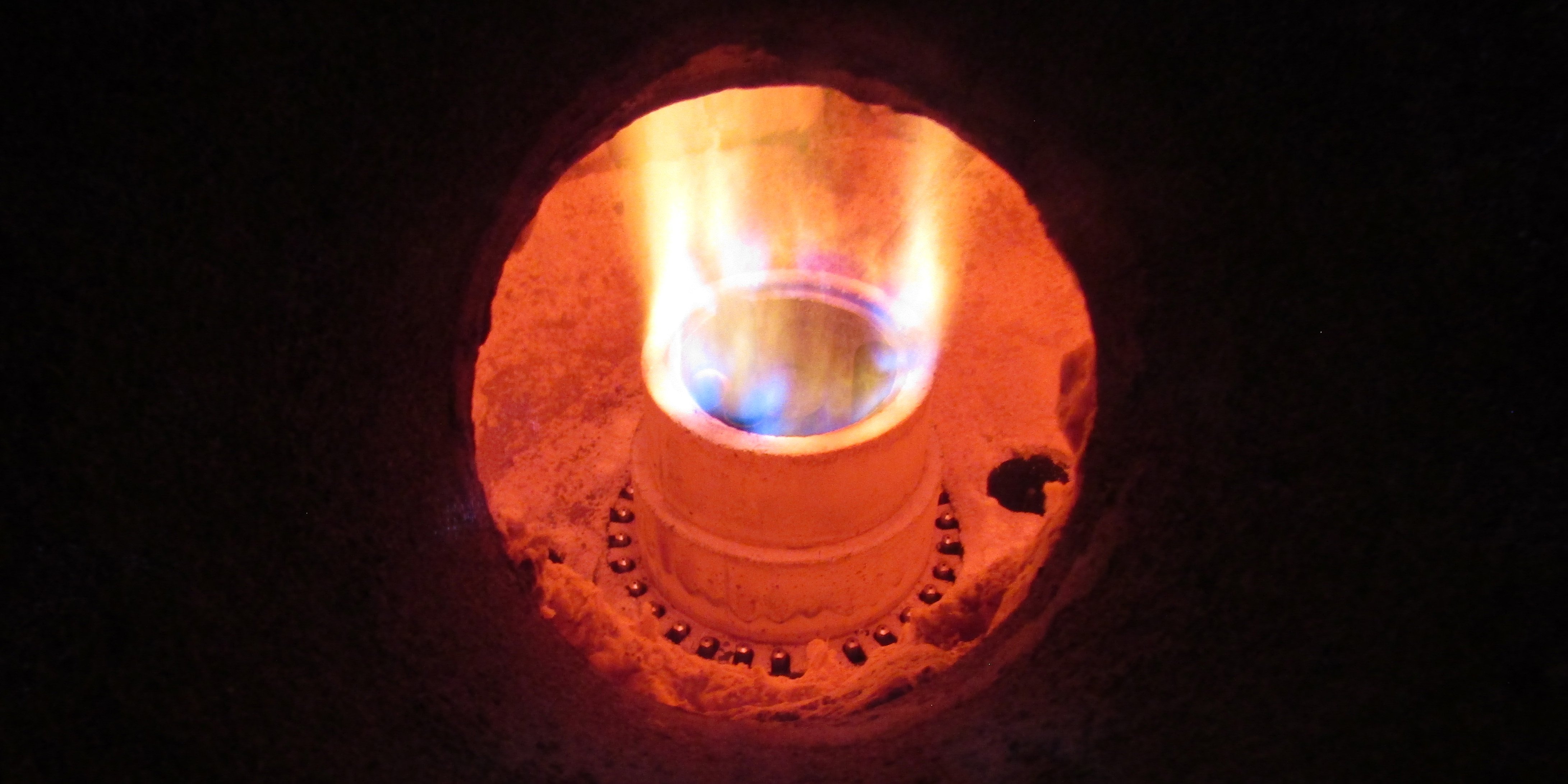
The design of the burner impacts heat transfer efficiency. Efficient burners have optimized shapes to focus infrared radiation. Materials used in burners must withstand high temperatures without degrading. Durable materials maintain performance over time. Advanced designs reduce heat loss and improve energy use. Choosing the right design and materials boosts burner efficiency.
Installation And Maintenance Practices
Correct installation ensures burners work as intended. Proper alignment and secure mounting prevent heat loss. Regular maintenance keeps burners clean and functional. Removing soot and debris improves heat transfer. Checking for leaks and wear avoids performance drops. Consistent upkeep extends burner life and saves energy.
Credit: www.zeeco.com
Implementing Infrared Burners In Malaysian Industries
Implementing infrared burners in Malaysian industries brings many benefits. These burners offer energy savings and cleaner heat. They fit well with the needs of different manufacturing sectors. Using them helps reduce costs and cut pollution. Many Malaysian factories are now adopting this technology to improve their processes.
Industry-specific Applications
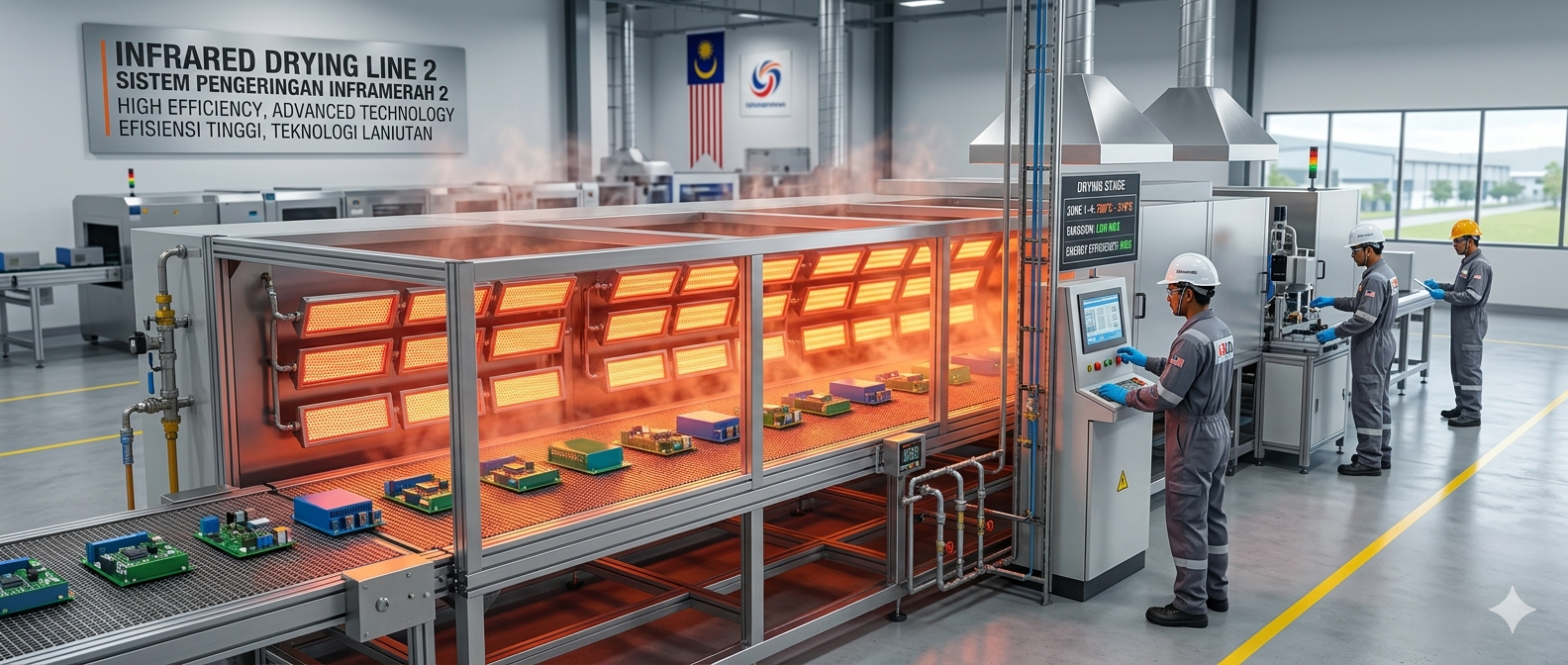
Infrared burners work well in various Malaysian industries. In metal processing, they provide fast and even heating. Food manufacturers use them for drying and cooking. The electronics sector benefits from precise temperature control. These burners also help in rubber and plastic production. Each industry gains better quality and efficiency.
Regulatory Standards And Incentives
Malaysian government sets clear rules for industrial heating. Infrared burners meet many environmental and safety standards. Companies using energy-efficient burners may get tax benefits. The government encourages cleaner and greener technology. These rules guide factories to reduce emissions and save energy.
Case Studies From Malaysian Manufacturers
Several Malaysian companies have shared success stories. A metal foundry cut fuel use by 30% after switching to infrared burners. A food processing plant improved drying speed and product quality. A rubber factory lowered its carbon footprint and saved money. These cases show real benefits of infrared burner use in Malaysia.
Maximizing Productivity With Infrared Technology
Infrared technology improves manufacturing productivity by delivering fast and efficient heat. This method uses radiant energy to heat materials directly. It reduces energy waste and speeds up production cycles. Manufacturers in Malaysia benefit from more consistent results and lower costs. The technology also supports cleaner and safer operations.
Reducing Downtime And Maintenance
Infrared burners require less maintenance than traditional heating systems. Fewer moving parts mean fewer breakdowns and repairs. This reduces downtime and keeps production lines running smoothly. Infrared units also last longer, lowering replacement frequency. Maintenance tasks become simpler and quicker, saving time and money.
Optimizing Heat Distribution
Infrared burners provide even heat across surfaces. Uniform heating prevents hot spots and material damage. This improves product quality and reduces waste. Precise heat control matches different manufacturing needs. Optimized heat distribution speeds up processes and cuts energy use.
Automation And Control Integration
Infrared systems easily integrate with automated controls. This allows precise temperature regulation and monitoring. Automation reduces human error and ensures consistent output. Remote control options enable adjustments without stopping production. Integrated systems improve efficiency and reduce labor costs.
Environmental Impact And Sustainability
Energy efficient industrial infrared burners play a key role in reducing environmental harm. These burners help industries use less fuel and produce fewer pollutants. This makes manufacturing processes cleaner and safer for the planet.
Manufacturers in Malaysia can benefit from these technologies while supporting sustainability goals. Using infrared burners helps lower emissions and waste, aligning with the country’s push for greener industry practices.
Lower Emissions And Carbon Footprint
Industrial infrared burners burn fuel more completely. This reduces harmful gases like carbon monoxide and nitrogen oxides. Less fuel use means less carbon dioxide released into the air. These changes cut the overall carbon footprint of factories. Cleaner air benefits workers and nearby communities.
Waste Reduction Strategies
Infrared burners heat materials faster and more evenly. This efficiency lowers energy waste in production. Less wasted energy means fewer raw materials are needed. Infrared technology also reduces the chance of defects and rejects. This leads to less scrap and less landfill waste.
Aligning With Malaysia’s Green Initiatives
Malaysia aims to become more sustainable in its industrial sector. Using energy efficient infrared burners supports this goal. These burners help companies meet government standards for cleaner production. They also contribute to Malaysia’s commitment to lower greenhouse gas emissions. Industrial users benefit by improving their environmental reputation.
Cost Analysis And Return On Investment
Cost analysis and return on investment are key factors for manufacturers considering industrial infrared burners. Understanding the costs upfront helps businesses plan better. It also shows how quickly the investment can pay off through savings.
Energy-efficient infrared burners often require a higher initial cost than traditional burners. The benefits come from lower fuel use and less maintenance. These savings grow over time, improving the overall financial picture.
Initial Investment Vs Long-term Savings
The initial cost of infrared burners includes equipment and installation. This price is higher than standard burners. The difference is made up by reduced fuel consumption and longer burner life. Over several years, these savings exceed the initial expense. Businesses can recover their costs faster with efficient burners.
Energy Cost Comparisons
Infrared burners use energy more efficiently than conventional systems. They convert more fuel into usable heat. This means less fuel is needed for the same work. Lower fuel use means lower energy bills. For manufacturers in Malaysia, this leads to significant cost reductions.
Financial Incentives And Support Programs
The Malaysian government offers incentives for energy-saving equipment. These include tax breaks and rebates. Some programs provide financial aid for installing efficient burners. Taking advantage of these programs reduces upfront costs. This makes the investment more affordable for manufacturers.

Credit: www.sciencedirect.com
Frequently Asked Questions
What Are Industrial Infrared Burners?
Industrial infrared burners use infrared radiation to generate heat. They provide fast, efficient, and uniform heating for manufacturing processes, reducing energy consumption and improving product quality.
How Do Energy Efficient Infrared Burners Save Costs?
They reduce fuel usage by up to 40% through direct radiant heating. This lowers operational expenses and decreases greenhouse gas emissions in manufacturing plants.
Why Choose Infrared Burners For Malaysian Industries?
Infrared burners offer quick heating and energy savings. Malaysia’s humid climate benefits from their reduced combustion emissions, making them ideal for sustainable manufacturing.
Can Infrared Burners Improve Production Speed?
Yes, infrared burners heat materials faster than conventional methods. This speeds up manufacturing cycles, increases productivity, and supports tighter production schedules.
Conclusion
Energy efficient industrial infrared burners help reduce fuel use and costs. They improve manufacturing speed while cutting emissions. Malaysian industries gain from their simple design and easy maintenance. Choosing these burners supports cleaner, safer production processes. Investing in them leads to long-term savings and better performance.
Cleaner energy use benefits both companies and the environment. A smart choice for industries aiming to grow sustainably.