HENGYI BURNERS

Industrial Burners for Textile Drying Applications: Maximize Efficiency

When it comes to textile drying, you know that efficiency and precision matter. Choosing the right industrial burner can make all the difference in your drying process—impacting everything from energy costs to fabric quality.

Are you looking for a solution that boosts performance while keeping your operations smooth and reliable? Industrial burners designed specifically for textile drying applications offer the power and control you need to dry fabrics quickly and evenly without damaging delicate materials.

You’ll discover the types of burners best suited for textile drying, how they work, and why investing in the right burner technology can transform your production line. Keep reading to find out how to optimize your textile drying process and stay ahead in this competitive industry.

For textile manufacturers looking for direct and responsive heating, different industrial infrared gas burners can be used depending on the dryer design, heating area, fabric type, and production requirements.

Types Of Industrial Burners

Industrial burners play a vital role in textile drying applications. They provide the heat needed to remove moisture from fabrics efficiently. Different types of burners suit various drying processes and equipment. Choosing the right burner improves drying speed and energy use. Each burner type offers unique features and benefits.

Understanding these types helps textile manufacturers select the best option. Below are common industrial burners used in textile drying systems.

Radiant Tube Burners

Radiant tube burners produce heat inside a sealed tube. The heat radiates evenly to dry textiles gently. These burners prevent direct flame contact with fabric. This reduces the risk of damage or discoloration. They work well for delicate materials requiring controlled heat.

Baffle Burners

Baffle burners use plates to direct flames and hot gases. The baffles create uniform heat distribution in the drying chamber. This design improves fuel efficiency and drying consistency. They suit large dryers needing steady heat over wide areas.

Air Staged Burners

Air staged burners mix air in stages to control combustion. This lowers nitrogen oxide emissions and enhances fuel use. They offer stable flames and precise temperature control. These burners are ideal for eco-friendly textile drying operations.

Premix And Partial Premix Burners

Premix burners mix fuel and air before ignition for clean burning. Partial premix burners mix only part of the air with fuel. Both types provide efficient combustion and high heat output. They help maintain consistent drying temperatures and reduce soot formation.

Self-recuperative Burners

Self-recuperative burners recycle heat from exhaust gases. This process saves energy and lowers operating costs. They deliver high thermal efficiency and quick heat recovery. Textile plants benefit from reduced fuel consumption with these burners.

High Thermal Release Burners

High thermal release burners generate intense heat in short bursts. This speeds up drying without overheating the fabric. They are perfect for fast production lines requiring rapid moisture removal. These burners balance power and fabric safety effectively.

Burners Designed For Textile Drying

Burners designed for textile drying play a key role in efficient fabric processing. They provide controlled heat to remove moisture quickly and evenly. Different burner types suit various drying needs and machine designs.

Choosing the right burner improves drying speed and fabric quality. It also reduces energy use and operational costs. Understanding each burner type helps find the best fit for specific textile drying tasks.

Air Vein Burners

Air vein burners mix air and fuel to create a clean, stable flame. They deliver uniform heat, which prevents fabric damage during drying. These burners are energy efficient and offer precise temperature control.

Their design allows easy integration into textile drying ovens. Air vein burners support consistent airflow, helping fabrics dry evenly. They work well for delicate textiles that need gentle heating.

Rosette Burners

Rosette burners have multiple small flame outlets arranged in a circular pattern. This design spreads heat over a wide area. It ensures fast and uniform drying for large fabric surfaces.

These burners maintain low emissions and stable combustion. They fit various industrial drying machines and operate with natural or propane gas. Rosette burners suit high-volume textile production lines.

Cylindrical Metal Fiber Jet Burners

Metal fiber jet burners use a porous cylinder to produce a soft, radiant flame. This flame provides gentle heat ideal for sensitive fabrics. The burner’s shape supports compact installation in drying systems.

They offer excellent heat distribution and quick response times. These burners reduce hot spots that can harm fabric quality. Their durability suits continuous industrial textile drying processes.

Infrared Burners

Infrared burners emit heat through radiant energy instead of direct flame contact. This method dries textiles faster while saving fuel. Infrared heat penetrates fabrics deeply, removing moisture thoroughly.

These burners cause less air movement, reducing dust and lint issues. They are easy to control and ideal for specialized drying needs. Infrared burners help maintain fabric strength and color vibrancy.

To better understand this heating technology and how it transfers energy directly to the target surface, learn what an infrared gas burner is and how it works.

How Industrial Burners Work In Textile Drying

Industrial burners play a vital role in textile drying by providing controlled heat. They ensure fast and efficient drying of fabrics. Understanding how these burners work helps improve textile quality and reduce energy use.

Heat Generation And Transfer

Industrial burners create heat through fuel combustion. The fuel, usually gas or oil, burns inside the burner chamber. This process releases high heat energy quickly. The heat then transfers to the drying air or directly to the textile surface. Proper heat transfer speeds up moisture evaporation from fabrics. It also helps maintain consistent drying temperatures.

The same principles of controlled heat transfer are used across many manufacturing processes. Explore the applications of infrared gas burners in industrial heating to see how infrared technology is used for different industrial operations.

Combustion Control Systems

Modern burners use control systems to manage combustion. Sensors monitor flame quality and temperature. Controls adjust fuel flow and air supply for stable burning. This prevents overheating or incomplete combustion. Precise control saves fuel and reduces emissions. It also protects delicate textiles from damage during drying.

Reliable burner operation may also depend on compatible control and ignition components. Explore our ignition controllers for industrial infrared burners for related burner control solutions.

Air And Gas Mixing

Efficient mixing of air and fuel gas is key for clean combustion. Burners use special mixers or nozzles to blend them evenly. Proper mixing creates a stable flame and high heat output. It also lowers harmful emissions like carbon monoxide. Balanced air and gas flow improve burner performance and textile drying speed.

Energy Efficiency In Textile Drying Burners

Energy efficiency plays a crucial role in textile drying burners. Efficient burners reduce fuel use and cut operating costs. They also lower emissions, helping the environment. Improving energy use can boost productivity and keep fabric quality high. This section covers key methods to enhance energy efficiency in textile drying burners.

Optimizing Fuel Consumption

Fuel use can be optimized by matching burner output to drying needs. Avoid excess heat that wastes energy and damages fabric. Regular burner maintenance ensures clean combustion and steady performance. Choosing the right fuel type also affects efficiency. Natural gas often burns cleaner and more efficiently than other fuels. Proper burner sizing prevents overuse of fuel and saves money.

For more information about burner selection and gas-based heating technology, explore our guide to natural gas infrared burners for industrial heating systems.

Heat Recovery Techniques

Heat recovery captures waste heat from exhaust gases. This heat can preheat incoming air or water, reducing fuel demand. Using heat exchangers recycles energy and cuts costs. Heat recovery systems lower overall energy consumption in textile drying. They also reduce the temperature of exhaust gases, which improves safety. Integrating these systems requires careful design and regular upkeep.

Advanced Control Technologies

Modern control systems adjust burner operation in real time. Sensors monitor temperature, airflow, and fuel flow to keep conditions ideal. Automated controls reduce human error and improve consistency. Programmable logic controllers (PLCs) optimize burner cycles for energy savings. These technologies enable quick adjustments to changing drying loads. They help maintain fabric quality while conserving energy.

Choosing Burners For Textile Drying Applications

Choosing the right industrial burner is key to efficient textile drying. The burner must match the fabric type and drying speed. Proper selection improves energy use and drying quality. This section explains important factors to consider when choosing burners for textile drying applications.

Similar selection factors apply to other industrial heating equipment. For ovens and enclosed heating systems, read our guide on how to choose an infrared burner for industrial ovens.

Matching Burner Types To Drying Requirements

Different burners suit different drying needs. Radiant tube burners provide even heat for delicate fabrics. Air vein burners offer fast and uniform air heating. Rosette burners deliver high heat for heavy textiles. Selecting the right burner type helps avoid fabric damage and ensures uniform drying.

Considering Burner Capacity And Output

Burner capacity must fit the dryer size and fabric load. Too small capacity slows drying and wastes energy. Too large capacity risks overheating and fabric harm. Check the burner’s heat output in BTUs or kW. Choose a burner that meets the exact heat demand of the drying process.

For industrial drying equipment that requires a dedicated infrared heating solution, the HY-1602 infrared gas burner for drying and powder coating ovens can be explored based on the required heating capacity and equipment design.

Materials And Durability Factors

Burner parts face high heat and harsh conditions. Materials like stainless steel resist corrosion and wear. Durable burners reduce maintenance and downtime. Look for burners designed for textile drying environments. Good material quality extends burner life and keeps drying consistent.

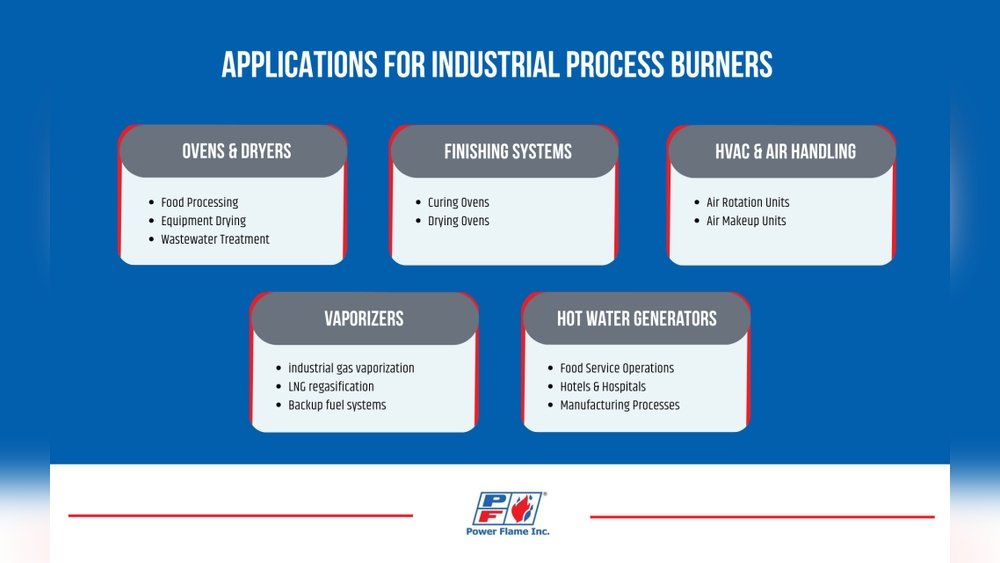
Industrial Burners for Textile Drying Applications: Maximize Efficiency

Credit: powerflame.com

Maintenance And Safety Practices

Proper maintenance and safety practices ensure industrial burners run efficiently and safely in textile drying. Regular care reduces downtime and extends burner life. Safety measures protect workers and prevent accidents. This section covers key practices for maintaining and safely operating industrial burners in textile drying applications.

Regular Inspection And Cleaning

Inspect burners frequently for signs of wear or damage. Check fuel lines, nozzles, and ignition systems. Clean burner parts to remove soot, dust, and debris. Use appropriate tools and cleaning agents. Regular cleaning improves combustion and prevents blockages. Schedule inspections based on manufacturer guidelines and usage levels.

Flame Monitoring And Safety Controls

Install flame sensors to monitor burner flames continuously. Sensors detect flame loss or irregularities quickly. Safety controls shut off fuel supply if flame goes out. These controls prevent gas leaks and explosions. Test sensors and safety systems regularly. Replace faulty components immediately to ensure reliable operation.

Troubleshooting Common Issues

Identify common burner problems early. Watch for uneven flame, unusual noises, or high fuel consumption. Inspect fuel supply and air mixture settings. Clean or replace clogged nozzles and filters. Calibrate control systems as needed. Keep a log of issues and repairs to track burner performance over time.

Innovations In Textile Drying Burners

Innovations in textile drying burners focus on improving efficiency, performance, and environmental safety. These new technologies help textile manufacturers reduce costs and meet stricter regulations. Advances target better heat control and cleaner combustion. Several key developments have shaped the industry recently.

Packaged Burner Systems

Packaged burner systems combine all burner components into one unit. This design simplifies installation and maintenance. It ensures consistent fuel and air mixing for better combustion. These systems often include built-in controls for precise temperature management. Manufacturers benefit from faster setup and reliable operation. The compact design fits well in limited spaces common in textile plants.

Infrared Booster Technology

Infrared booster technology enhances heat transfer during drying. Burners with infrared emitters deliver radiant heat directly to textiles. This method speeds up drying times and lowers energy use. Infrared heat is gentle on fabrics, reducing damage risk. It also improves uniformity in drying across the fabric surface. This technology is valuable for delicate textiles that need careful handling.

Infrared heating technology is also widely used in continuous industrial drying and coating equipment. Explore infrared burners for powder coating and drying lines to learn more about these applications.

Environmental Impact Reduction

Modern burners include features to reduce harmful emissions. Low-NOx burners limit nitrogen oxide release, a major pollutant. Improved combustion control minimizes fuel wastage and carbon dioxide output. Some systems use cleaner fuels or blend gases to lower environmental impact. These advances help textile plants comply with air quality standards. Reducing emissions supports sustainability goals in the industry.

Industrial Burners for Textile Drying Applications: Maximize Efficiency

Credit: www.rapidflame.com

Frequently Asked Questions

What Are The Different Types Of Industrial Burners?

Industrial burners include radiant tube, baffle, air staged, premix, partial premix, self-recuperative, and high thermal release types.

What Are Three Types Of Burners?

The three types of burners are radiant tube burners, baffle burners, and air staged burners. Each serves specific industrial heating needs.

How Do Industrial Burners Work?

Industrial burners mix fuel with air and ignite it to produce controlled heat. This heat powers processes like drying or heating efficiently.

What Is An Industrial Dryer Used For?

An industrial dryer removes moisture from materials like textiles, food, or chemicals. It speeds up drying to improve efficiency and product quality.

Looking for a Burner for Textile Drying Equipment?

Selecting the right burner for textile drying depends on the dryer design, fabric type, required heating capacity, fuel type, production speed, and temperature control requirements. If you need technical specifications or a customized industrial heating solution, contact our team to discuss your application.

Conclusion

Industrial burners play a key role in textile drying processes. They provide consistent heat needed to dry fabrics efficiently. Choosing the right burner improves energy use and fabric quality. Reliable burners help maintain steady production speeds. Simple operation and easy maintenance reduce downtime.

Investing in proper burners supports better overall performance. Textile businesses benefit from improved drying and lower costs. Efficient industrial burners keep your operations running smoothly.
Posted in general

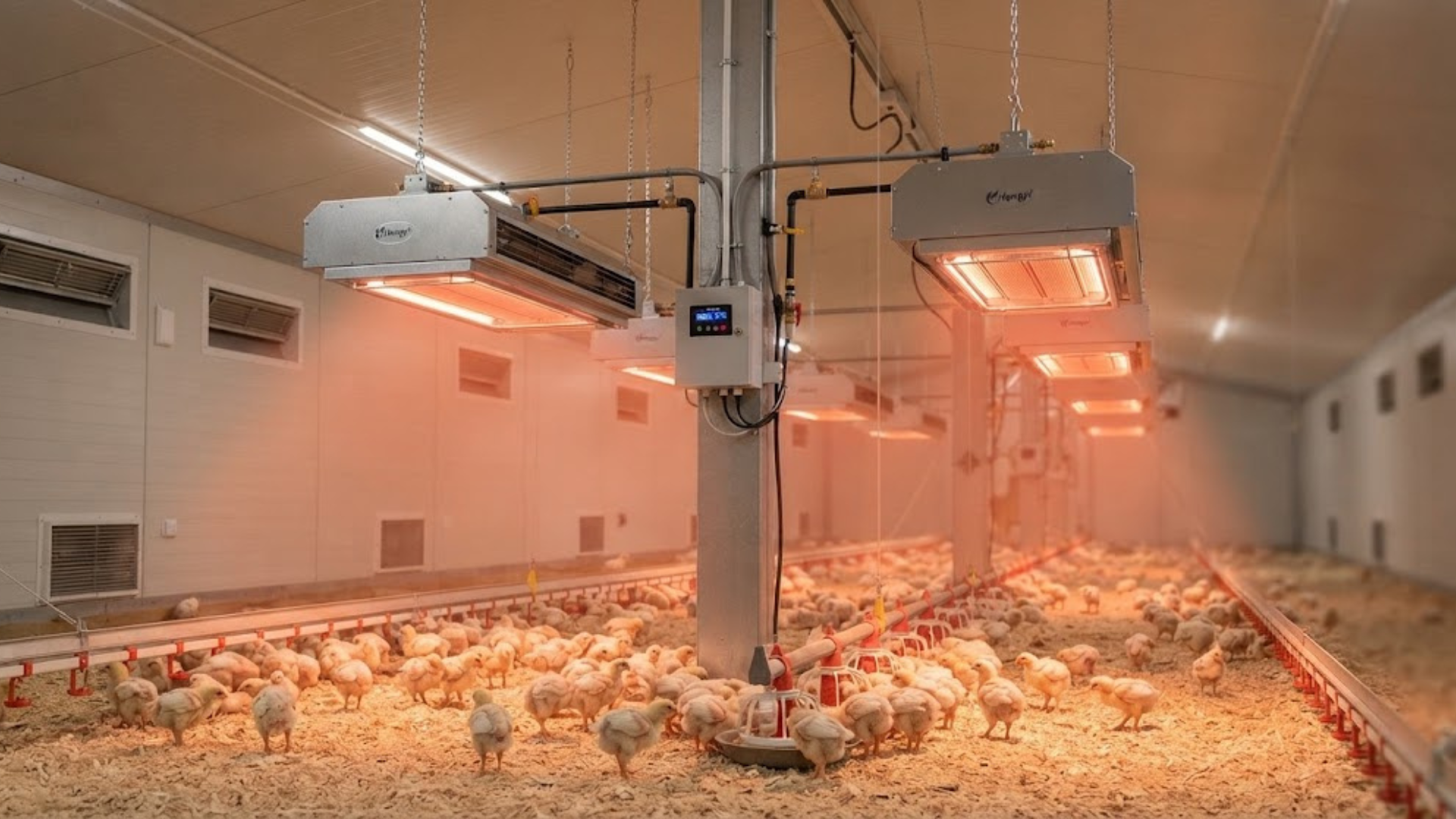
Gas Burners for Poultry Heating Systems: Efficient Warmth Solutions

If you’re raising poultry, you know how crucial it is to keep your birds warm and comfortable, especially during colder months. That’s where gas burners for poultry heating systems come in.

These burners provide reliable, efficient heat that helps maintain the perfect environment for your flock to thrive. But how do you choose the right gas burner for your poultry house? And what benefits can you expect from upgrading your heating system?

Keep reading to discover everything you need to know about gas burners for poultry heating systems—and how they can make a difference in your poultry farming success.

For poultry houses that require direct and responsive radiant heating, different industrial infrared gas burners can be selected based on the heating area, farm layout, fuel type, and temperature requirements.

Benefits Of Gas Burners

Gas burners offer many benefits for poultry heating systems. They provide reliable warmth, which is essential for bird health and growth. Choosing the right burner can improve farm efficiency and reduce energy costs. Below are key advantages of using gas burners in poultry heating.

Energy Efficiency

Gas burners use fuel efficiently to produce heat. They convert most of the gas energy into warmth without much waste. This high efficiency means less fuel is needed to keep the poultry house warm. Efficient burners lower energy use and reduce the farm’s carbon footprint.

For applications that require controlled and flameless radiant heating, you can also learn more about catalytic infrared burners and their heating characteristics.

Consistent Heat Distribution

Gas burners deliver steady heat across the poultry area. This even heat prevents cold spots where birds could get sick. Consistent warmth supports uniform growth and comfort for all poultry. It also helps maintain stable temperatures during cold weather.

Cost Savings

Using gas burners can lower heating expenses over time. Their energy efficiency reduces fuel consumption and bills. Maintenance costs are often low due to simple burner designs. Cost savings allow farmers to invest more in other farm areas.

Types Of Gas Burners

Gas burners are essential components of poultry heating systems. They provide warmth that supports healthy growth and comfort for birds. Different types of gas burners serve various heating needs in poultry farms. Understanding these types helps in choosing the right system for better results.

Infrared Burners

Infrared burners emit radiant heat directly to birds and surfaces. This heat feels like sunshine and warms objects, not air. They are energy-efficient and reduce heat loss. Infrared burners help maintain consistent temperatures in poultry houses. They are quiet and create a calm environment for the birds.

To understand the technology behind this direct radiant heating method, learn what an infrared gas burner is and how it works.

Forced Air Burners

Forced air burners use a fan to blow warm air into the poultry house. This method heats the air quickly and evenly. It helps maintain proper ventilation and reduces moisture buildup. Forced air burners are easy to control and adjust. They are suitable for larger poultry farms with high heating demands.

Indirect Gas Fired Burners

Indirect gas fired burners heat air without exposing it directly to combustion gases. This keeps the air clean and safe for birds. The burner heats a heat exchanger, which then warms the air. Indirect burners are ideal for sensitive environments where air quality matters. They offer reliable and efficient heating for poultry houses.

For poultry house heating and brooding applications, explore our poultry farm infrared catalytic gas heater designed for gas-fired infrared heating systems.

Choosing The Right Burner

Choosing the right gas burner for your poultry heating system is essential for maintaining a healthy environment. The burner affects heat distribution, fuel efficiency, and overall safety. Selecting a burner that fits your specific needs ensures comfort for your birds and lowers operating costs.

Consider the fuel type, burner size, and built-in safety features before making a decision. These factors impact performance and long-term reliability.

Fuel Options: Propane Vs Natural Gas

Propane burners provide quick heat and are easy to install. They work well in areas without natural gas lines. Propane is stored on-site in tanks and offers consistent heat output.

Natural gas burners connect directly to gas pipelines. They are often cheaper to operate but require reliable access to gas lines. Natural gas burns cleaner than propane, reducing emissions.

Both fuels have their advantages. Choose based on availability, cost, and your farm’s infrastructure.

Fuel selection is also an important consideration for commercial and industrial heating systems. Explore our guide to natural gas infrared burners for industrial heating systems to understand gas-based infrared heating applications.

Burner Size And Capacity

Burner size must match the space you need to heat. A burner too small will struggle to keep the area warm. Too large a burner wastes fuel and raises costs.

Calculate the volume of your poultry house before selecting a burner. Check the BTU rating to ensure it can handle your heating needs efficiently.

Correct capacity keeps temperatures stable and supports bird growth and health.

Burner capacity, heating area, and equipment design are also important selection factors in other heating systems. Read our guide on how to choose an infrared burner for industrial ovens to understand key burner selection considerations.

Safety Features

Safety is crucial when using gas burners around animals. Look for models with automatic shutoff valves. These stop gas flow if the flame goes out.

Burners with flame sensors prevent gas leaks and reduce fire risks. Overheat protection adds a layer of security during operation.

Proper ventilation and regular maintenance also improve safety for your poultry and farm workers.

Installation Considerations

Installing gas burners for poultry heating systems requires careful planning. Proper setup ensures safety, efficiency, and long-lasting performance. Consider important factors before installation to avoid problems later. Focus on ventilation, burner placement, and system integration. Each aspect plays a key role in maintaining a healthy environment for your poultry.

Ventilation Requirements

Gas burners need adequate ventilation to operate safely. Proper airflow removes harmful gases like carbon monoxide. Ensure the building has vents or fans to allow fresh air in. Avoid enclosed spaces without ventilation. Check local codes for ventilation standards to meet safety rules. Good ventilation also helps control humidity and heat levels.

Placement For Optimal Heat

Place gas burners where heat spreads evenly across the poultry area. Avoid putting burners too close to birds to prevent burns. Position burners away from flammable materials and bedding. Mount burners at a height that allows warm air to circulate well. Proper placement reduces cold spots and improves energy use.

Integration With Existing Systems

Combine gas burners with your current heating and ventilation systems smoothly. Check compatibility with thermostats and controllers already in use. Use compatible piping and fittings to connect gas supply safely. Plan for easy access to burners for maintenance and inspection. Coordinated systems help maintain steady temperature and save fuel.

Compatible control systems can also help manage burner operation and ignition. Explore our ignition controllers for industrial infrared burners for related burner control components.

Maintenance Tips

Proper maintenance keeps gas burners in poultry heating systems safe and efficient. Regular care prevents breakdowns and extends burner life. It also helps maintain consistent warmth for your poultry. Follow these simple tips to ensure your heating system works well all season.

Regular Cleaning

Clean burners remove dust and debris that block flames. Turn off the gas supply before cleaning. Use a soft brush or cloth to wipe burner surfaces. Avoid harsh chemicals that can damage parts. Clean burner ports gently to keep flames even. A clean burner improves fuel efficiency and heat output.

Inspection For Gas Leaks

Check connections and hoses for gas leaks regularly. Use a soap solution on joints; bubbles show leaks. Never check leaks with a flame. Tighten loose fittings carefully to stop leaks. Gas leaks waste fuel and pose serious safety risks. Early detection protects your poultry and property.

Seasonal Checks

Perform a full system check before each heating season. Inspect the ignition system and pilot light for proper operation. Replace worn or damaged parts immediately. Test the thermostat and controls for accuracy. Verify ventilation is clear for safe gas combustion. Seasonal checks keep your heating system reliable and safe.

Reliable burner operation also depends on properly maintained ignition components. Explore our ignition needles for infrared gas burners for related burner ignition solutions.

Safety Measures

Gas burners are common in poultry heating systems. Safety is crucial to protect both the birds and the farm. Proper safety measures reduce risks and ensure smooth operation. Understanding key safety steps helps avoid accidents and health problems.

Preventing Fire Hazards

Fire hazards can cause serious damage. Keep burners clean and free from dust. Regularly inspect gas lines for leaks or cracks. Use flame detectors to spot unsafe conditions early. Store flammable materials far from heating areas. Train staff to handle gas equipment carefully. Ensure proper ventilation to avoid gas buildup.

Protecting Poultry Health

Gas burners must provide safe, even heat. Avoid overheating or cold spots in the coop. Monitor air quality to reduce harmful gases. Keep humidity at comfortable levels for birds. Regularly check burner settings to keep temperature stable. Clean burners to prevent smoke and fumes. Healthy birds grow better and resist disease.

Emergency Shutoff Systems

Emergency shutoff systems stop gas flow instantly. Install automatic shutoff valves near burners. Test shutoff devices regularly to confirm they work. Place manual shutoff switches where workers can reach easily. These systems prevent accidents during malfunctions. Quick response limits damage and keeps birds safe.

Common Challenges

Gas burners play a crucial role in poultry heating systems. They provide consistent warmth to maintain bird health and growth. Despite their importance, these burners face common challenges that affect their performance and lifespan. Understanding these issues helps farmers keep their systems efficient and reliable.

Temperature Fluctuations

Maintaining a steady temperature is vital for poultry comfort. Gas burners sometimes cause temperature swings. These fluctuations stress the birds and reduce growth rates. Causes include poor burner calibration and uneven heat distribution. Regular checks and adjustments help minimize these swings.

Fuel Supply Issues

Gas burners depend on a steady fuel supply. Interruptions can stop heating and harm poultry health. Problems arise from low gas pressure or supply line blockages. Monitoring fuel flow and keeping supply lines clear prevents these issues. Backup fuel options also ensure continuous operation.

Equipment Wear And Tear

Gas burners endure constant use, leading to wear and tear. Parts like igniters and valves may fail over time. Dirt and debris buildup also impair burner function. Routine cleaning and timely replacement of worn parts extend burner life. Proper maintenance keeps the system running smoothly.

Innovations In Poultry Heating

Innovations in poultry heating improve comfort and efficiency. New technologies help maintain stable temperatures for healthy birds. These advances reduce energy costs and simplify system management. Gas burners now work smarter and save more energy.

Smart Thermostats

Smart thermostats control poultry heating with precision. They adjust heat based on real-time temperature data. This keeps the environment steady and avoids overheating. Farmers can set temperature ranges easily. These devices learn patterns to improve heating over time.

Energy-saving Technologies

Energy-saving features reduce fuel use without losing warmth. Burners use better combustion methods to maximize heat output. Insulation and airflow designs help keep heat inside. Some systems recycle warm air to heat the space again. This lowers bills and protects the environment.

Infrared heating technology is also used across different manufacturing and processing environments where fast and controlled heat is required. Explore the applications of infrared gas burners in industrial heating to learn more about these broader heating applications.

Remote Monitoring Systems

Remote monitoring systems allow farmers to check heating from anywhere. They send alerts if temperatures drop or rise too high. This quick response prevents harm to poultry. Mobile apps show real-time data and system status. Remote control helps fix issues without being on site.

Cost Analysis

Understanding the cost of gas burners for poultry heating systems helps farmers plan their budget wisely. This section breaks down the expenses into three parts. The initial investment, operating expenses, and return on investment show the true financial picture.

Initial Investment

The initial investment includes the purchase price of the gas burner. Installation fees and any necessary modifications to the poultry house add to this cost. Quality burners may cost more but last longer and perform better. Choosing the right burner size affects both efficiency and upfront cost.

Operating Expenses

Operating expenses cover fuel costs, maintenance, and repairs. Gas prices can vary, impacting monthly bills. Regular maintenance keeps burners running efficiently and reduces costly breakdowns. Efficient burners use less fuel, lowering overall expenses. Monitoring fuel use helps control costs over time.

Return On Investment

Return on investment depends on fuel savings and improved poultry health. Proper heating reduces mortality and boosts growth rates. Energy-efficient burners save money compared to electric or less efficient heaters. Over time, savings can cover the initial investment and increase profits. Tracking performance helps measure ROI accurately.

Gas Burners for Poultry Heating Systems: Efficient Warmth Solutions

Credit: www.infinibandta.org

Gas Burners for Poultry Heating Systems: Efficient Warmth Solutions

Credit: www.inlandaction.com

Frequently Asked Questions

What Is The Safest Heater For A Chicken Coop?

The safest heater for a chicken coop is an indirect gas-fired heater with a closed combustion system. It prevents carbon monoxide risks and maintains consistent warmth. Choose thermostatically controlled, poultry-specific heaters to ensure safety and comfort for your chickens during cold weather.

What Heaters Are Used In Poultry Farms?

Poultry farms use gas burners, infrared heaters, and forced-air poultry heaters. These provide efficient, safe, and consistent warmth for birds.

What Is The Best Heating Source For A Chicken Coop?

The best heating source for a chicken coop is a safe, indirect gas or propane heater. It provides consistent warmth and reduces fire risk.

Are Propane Heaters Safe For Chickens?

Propane heaters can be safe for chickens if used properly with good ventilation and indirect heat sources. Avoid direct exposure to flames or fumes.

Looking for a Gas Infrared Heating Solution for Your Poultry Farm?

Choosing the right heating system depends on the poultry house size, required temperature, fuel availability, burner capacity, ventilation, and farm layout. If you need product specifications or a customized infrared heating solution, contact our team to discuss your poultry heating requirements.

Conclusion

Choosing the right gas burner improves poultry heating efficiency and bird comfort. Reliable burners keep the coop warm during cold weather. They help maintain consistent temperatures, which supports healthy growth. Energy-efficient models reduce fuel costs and lower emissions. Simple installation and easy maintenance save time and effort.

Proper heating protects poultry from stress and illness. Investing in quality burners benefits both farmers and birds. Warm poultry means better productivity and fewer health problems.

Posted in general

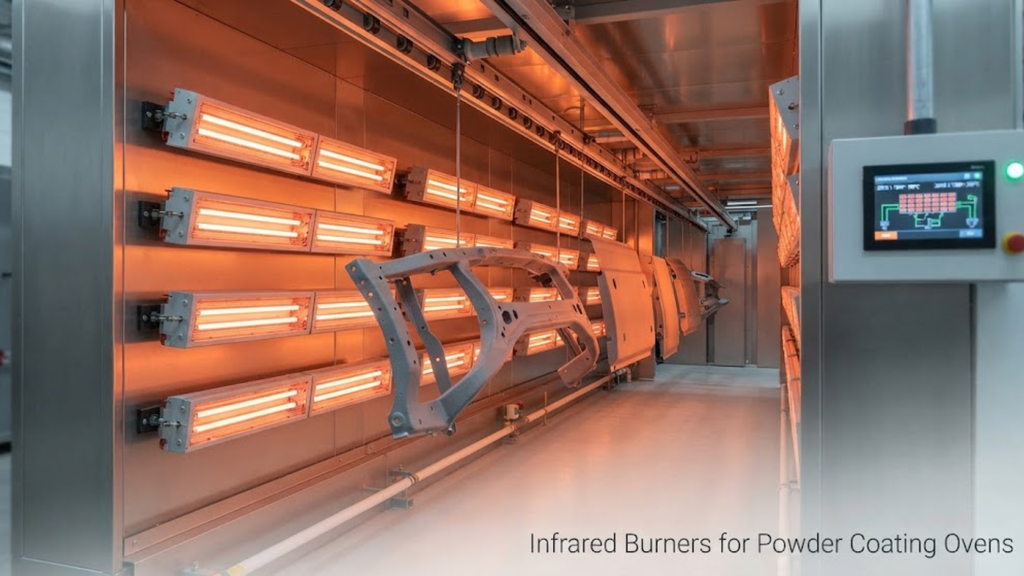
Infrared Burners for Powder Coating Ovens: Boost Efficiency Fast

If you’re looking to improve the efficiency and quality of your powder coating process, understanding the role of infrared burners for powder coating ovens is key. These burners can transform how your oven heats, offering faster curing times and more consistent finishes.

But how do they work, and why might they be the right choice for your setup? You’ll discover what makes infrared burners stand out, how they benefit your powder coating operations, and practical tips for selecting the best burner for your needs.

Keep reading to unlock the secrets to boosting your coating performance and cutting energy costs.

Benefits Of Infrared Burners

Infrared burners offer many advantages for powder coating ovens. These burners provide faster and more consistent heating. They improve the overall efficiency of the coating process. Using infrared burners can save time and reduce energy costs. They also help achieve a better finish on coated items.

Faster Heating Times

Infrared burners heat up quickly and transfer heat directly to the surface. This reduces the time needed to reach the desired temperature. Faster heating means shorter cycle times in the powder coating process. This improves productivity and lowers production delays.

Energy Efficiency Gains

Infrared burners use energy more efficiently than traditional heating methods. They focus heat on the target area, reducing wasted energy. This leads to lower fuel consumption and operating costs. Energy-efficient ovens also contribute to a smaller environmental footprint.

Improved Coating Quality

Infrared heat provides even and consistent temperature distribution. This ensures the powder coating cures properly across all surfaces. Better heat control reduces defects like uneven coating or bubbling. The result is a smooth, durable finish that lasts longer.

Types Of Infrared Burners

Infrared burners come in several types, each suited for specific powder coating oven needs. Choosing the right burner affects heat distribution, efficiency, and cure quality. Understanding the differences helps in selecting a burner that matches your oven size and powder type.

Gas-fired Infrared Burners

Gas-fired infrared burners use natural gas or propane. They produce intense infrared heat quickly. These burners are popular for their fast startup and high heat output. They offer precise temperature control, improving powder curing consistency. Maintenance is generally simple, and fuel costs are moderate.

Ceramic Infrared Burners

Ceramic infrared burners use a ceramic surface to emit heat. They provide even heat distribution, reducing hot spots in the oven. These burners are energy-efficient and maintain stable temperatures. Their durable ceramic plates withstand high heat and last longer. They work well in ovens requiring uniform curing.

Catalytic Infrared Burners

Catalytic infrared burners produce heat through a chemical reaction, not flame. They operate quietly and with lower emissions. These burners offer gentle, even heat ideal for delicate powder coatings. They use less fuel, lowering operational costs. Catalytic burners are excellent for ovens focusing on energy efficiency.

Design Considerations For Ovens

Designing an oven for powder coating with infrared burners requires careful planning. Every detail impacts the quality of the finish and the efficiency of the process. Proper design ensures even heating, energy savings, and safety. Focus lies on burner placement, temperature control, and ventilation. These factors create a stable curing environment and extend oven life.

Burner Placement And Configuration

Correct placement of infrared burners is vital for uniform heat distribution. Position burners to cover all areas evenly. Avoid hot spots that may damage the coating. Arrange burners in a layout that matches oven size and shape. Use reflectors or shields to direct heat precisely. Consider the number of burners to balance power and efficiency. Proper spacing prevents overheating and ensures consistent curing.

Temperature Control Systems

Accurate temperature control maintains the powder coating’s quality. Use sensors to monitor oven temperature constantly. Automated controls adjust burner output to keep heat steady. Set alarm systems for temperature deviations to avoid defects. Select controls that allow easy calibration and quick response. Stable temperature reduces energy waste and improves coating durability. Reliable systems lower the risk of under or over-curing.

Ventilation And Exhaust Setup

Effective ventilation removes fumes and excess heat from the oven. Design exhaust systems to maintain airflow without cooling the oven chamber. Proper ventilation prevents buildup of harmful gases and protects workers. Use fans and ducts sized to the oven capacity. Position vents to avoid interference with burners and coating areas. Regular maintenance keeps exhaust systems working efficiently. Good airflow helps achieve a clean and safe curing process.

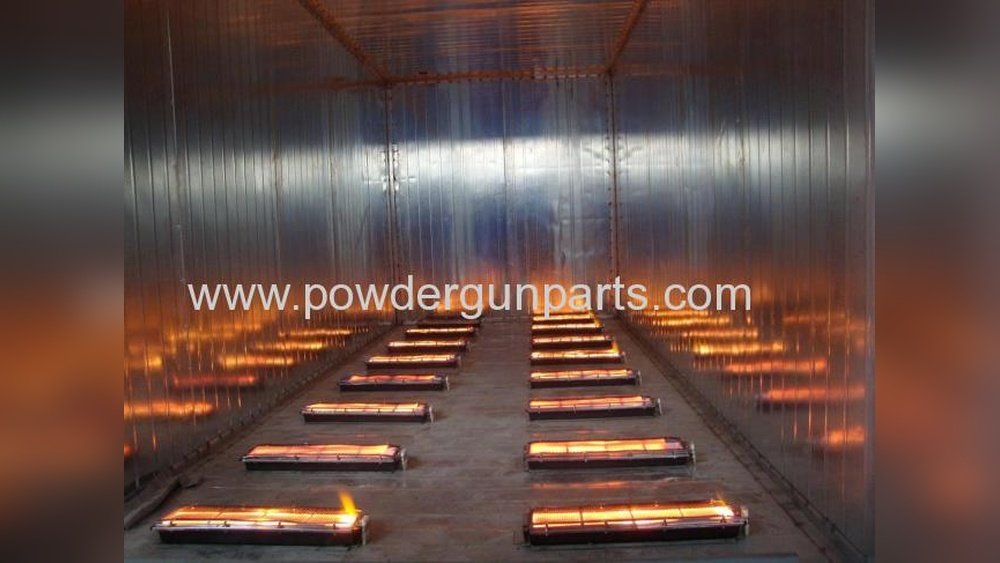
Infrared Burners for Powder Coating Ovens: Boost Efficiency Fast

Credit: m.made-in-china.com

Installation And Maintenance Tips

Installing and maintaining infrared burners in powder coating ovens ensures efficient and safe operation. Proper setup avoids common problems and extends burner life. Regular care keeps performance steady and reduces downtime.

Proper Burner Installation

Start with reading the manufacturer’s instructions carefully. Mount burners securely to prevent movement during operation. Check gas connections for tight seals to avoid leaks. Position burners for even heat distribution inside the oven. Use proper tools and safety gear during installation. Confirm electrical wiring meets local codes and standards. Test the burner after installation to ensure correct ignition and flame shape.

Routine Maintenance Practices

Clean burners regularly to remove dust and debris. Inspect burner nozzles for clogs or damage. Check gas pressure and adjust if needed to maintain steady flames. Replace worn or cracked parts promptly. Lubricate moving components as recommended by the manufacturer. Monitor the flame color; a bright blue flame indicates good combustion. Schedule maintenance checks monthly or as per usage intensity.

Troubleshooting Common Issues

Weak or no flame may mean gas supply issues or blocked nozzles. Uneven heating often results from misaligned burners or dirty elements. Strange odors can signal gas leaks—shut off supply and inspect immediately. Flame flickering may indicate air supply problems or burner damage. Use a professional technician for complex repairs to avoid risks. Keep a log of issues and fixes for future reference.

Comparing Infrared To Traditional Gas Burners

Infrared burners and traditional gas burners serve the same purpose in powder coating ovens: to provide heat. The way they deliver this heat, though, differs significantly. Understanding these differences helps decide which burner suits your powder coating needs better. The comparison covers heat transfer efficiency, operational costs, and environmental impact.

Heat Transfer Efficiency

Infrared burners transfer heat directly to the powder-coated surface. This method reduces heat loss and heats the parts faster. Traditional gas burners heat the oven air, which then heats the parts indirectly. This process takes longer and wastes more energy. Infrared burners offer more precise heat control, improving coating quality and consistency.

Operational Costs

Infrared burners typically use less fuel due to higher efficiency. They reach the desired temperature faster, cutting down oven run times. Traditional gas burners consume more fuel and require longer heating periods. Lower fuel use with infrared burners leads to reduced operational expenses over time. Maintenance costs for infrared units can also be lower, as they have fewer moving parts.

Environmental Impact

Infrared burners produce fewer emissions because they burn fuel more efficiently. Less fuel consumption means a smaller carbon footprint. Traditional gas burners release more greenhouse gases due to incomplete combustion. Using infrared technology supports cleaner operations and helps meet stricter environmental regulations. This advantage makes infrared burners a greener choice for powder coating ovens.

Infrared Burners for Powder Coating Ovens: Boost Efficiency Fast

Credit: colo2016.en.made-in-china.com

Optimizing Powder Coating With Infrared

Infrared technology improves powder coating by offering precise heat control. It helps achieve even curing and consistent finishes. Infrared burners heat surfaces quickly and uniformly. This leads to better adhesion and durability of the coating. Using infrared allows operators to fine-tune the process for optimal results.

Curing Time Adjustments

Infrared burners shorten curing times by delivering focused heat. Operators can reduce oven time while maintaining quality. Adjustments in curing time help prevent overbaking or undercuring. This saves energy and improves throughput. Careful timing ensures the powder melts and bonds properly.

Using Infrared Thermometers

Infrared thermometers measure surface temperature without contact. This allows quick checks during the curing process. They help verify that the coating reaches the required temperature. Consistent temperature readings avoid defects and color changes. Operators can make real-time adjustments based on these readings.

Quality Control Measures

Infrared burners support strict quality control by providing even heat. Uniform curing reduces issues like bubbling and cracking. Regular inspection with infrared thermometers confirms coating integrity. Maintaining stable temperatures throughout the oven is crucial. These steps lead to smooth, durable, and high-quality finishes.

Popular Infrared Burner Brands

Infrared burners play a crucial role in powder coating ovens. They provide consistent heat that ensures the coating cures evenly. Many manufacturers specialize in these burners, each offering unique features. Choosing the right brand can improve oven efficiency and coating quality.

Selas Burners

Selas Burners is a well-known name in infrared burners. Their products are reliable and built for long-term use. Selas burners provide precise heat control, which is vital for powder coating. They use advanced technology to reduce fuel consumption. Many powder coating shops trust Selas for consistent results.

Vulcan Catalytic Systems

Vulcan Catalytic Systems offers infrared burners designed for energy efficiency. Their burners produce even heat distribution across the oven. Vulcan focuses on reducing emissions and maintaining high performance. Their systems are easy to install and maintain. This brand is popular among industrial powder coating facilities.

Other Leading Manufacturers

Several other brands also produce quality infrared burners. Companies like Honeywell and Eclipse offer reliable options. These manufacturers often provide customizable burners for specific oven sizes. Many of these brands emphasize durability and heat consistency. Choosing a burner from a trusted manufacturer ensures better oven performance.

Cost And Roi Analysis

Evaluating the cost and return on investment (ROI) of infrared burners for powder coating ovens helps businesses make smart decisions. Understanding expenses and savings guides the choice of technology. This section breaks down costs and benefits clearly.

Initial Investment Costs

Infrared burners require upfront spending. Prices vary by size and brand. Installation may need professional help, adding to costs. Some models offer longer lifespans, which can balance the initial price. Budgeting for replacement parts is also wise.

Energy Savings Over Time

Infrared burners use less energy than traditional burners. They heat surfaces directly, reducing wasted heat. Lower energy use cuts monthly utility bills. Savings accumulate steadily over months and years. This efficiency supports more sustainable operations.

Boosting Productivity And Profit

Infrared burners speed up powder coating cycles. Faster curing times mean more products finished daily. Improved production capacity raises overall profit margins. Consistent heat improves coating quality, reducing rework costs. These factors combine to enhance business growth.

Frequently Asked Questions

Can I Use An Infrared Lamp For Powder Coating?

Yes, infrared lamps can cure powder coating effectively by providing focused, radiant heat. They speed up curing and improve energy efficiency.

What Is The Most Accurate Infrared Thermometer For Powder Coating?

The Fluke 62 Max Plus offers high accuracy and fast response for powder coating temperature. It ensures precise infrared readings essential for curing.

How Hot Should An Oven Be For Powder Coating?

Set the oven temperature between 350°F and 400°F for powder coating. Cure for 10 to 20 minutes. Adjust time based on coating thickness and material type.

Is An Infrared Burner Better Than Gas?

Infrared burners provide faster, more even heat with higher efficiency than traditional gas burners. They reduce energy use and improve coating quality.

Conclusion

Infrared burners improve powder coating ovens by providing even heat. They help cure coatings faster and more efficiently. This leads to better finish quality and less energy use. Choosing the right burner can reduce costs and boost productivity. Maintenance stays simple, keeping ovens running smoothly.

Overall, infrared burners offer a reliable way to enhance powder coating processes. Consider them a smart choice for improving oven performance and coating results.

Posted in general

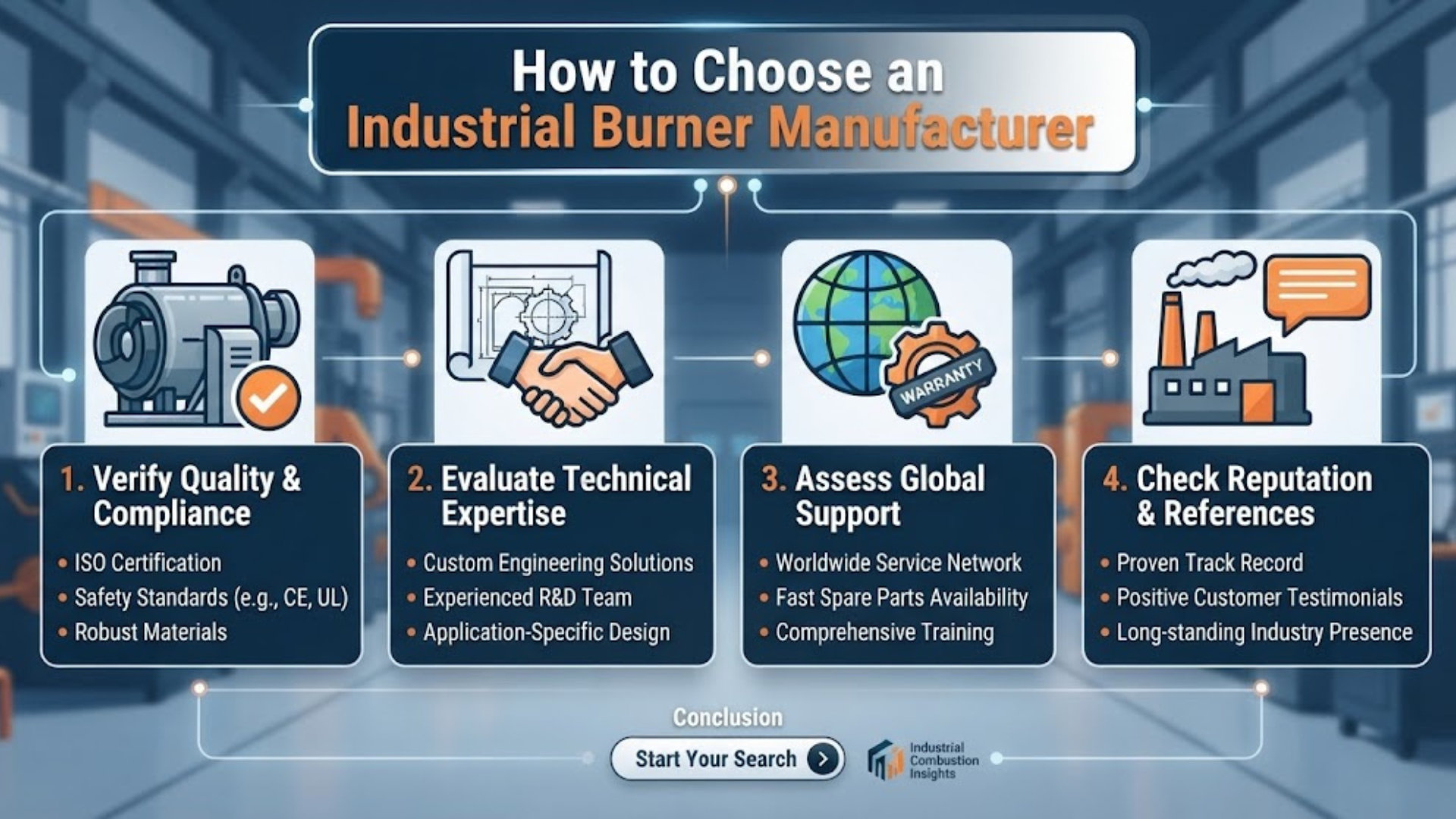
How to Choose an Industrial Burner Manufacturer: Expert Tips

Choosing the right industrial burner manufacturer can make all the difference for your business. You want a partner who not only delivers reliable, efficient burners but also understands your specific needs and challenges.

But with so many options out there, how do you find the manufacturer that fits your operation perfectly? You’ll discover the key factors to consider—from fuel type and heat requirements to compliance and service support. Keep reading to ensure you make a smart, confident choice that keeps your facility running smoothly and cost-effectively.

Assess Industrial Needs

Assessing your industrial needs is the first step in choosing the right industrial burner manufacturer. Understanding specific requirements helps find a burner that fits your operation perfectly. This process reduces risks of inefficiency and high costs. It also ensures safety and compliance with regulations.

Identify Application Types

Start by listing the types of industrial applications you operate. Different burners suit different processes, like heating, drying, or melting. Knowing the exact application helps narrow down manufacturers who specialize in your field. Each application has unique demands on burner design and performance.

Calculate Heat Output

Calculate the heat output required for your operations. This measurement is crucial to avoid under- or over-sizing the burner. Too small a burner wastes time and energy. Too large a burner increases fuel costs and wear. Accurate heat calculation improves efficiency and saves money.

Determine Fuel Preferences

Determine which fuel types are available and preferred at your site. Common fuels include natural gas, propane, oil, or electricity. Fuel choice affects burner design and operating costs. Some manufacturers may offer burners optimized for specific fuels. Understanding fuel preferences helps select the right manufacturer.

Check Manufacturer Expertise

Choosing the right industrial burner manufacturer means checking their expertise carefully. This ensures the equipment meets your needs and lasts long. Experts bring knowledge and skills that improve product quality. They help solve problems quickly and provide reliable service. Understanding their expertise can save time and money.

Review Industry Experience

Check how long the manufacturer has worked in the industry. More years usually mean better knowledge of burner systems. Experienced manufacturers understand different applications and challenges. They have proven track records and customer feedback. This shows they can deliver reliable products for your specific needs.

Evaluate Technical Support

Technical support is vital after purchasing a burner. Good manufacturers offer fast and clear help. They assist with installation, maintenance, and troubleshooting. Access to expert advice reduces downtime and repair costs. Confirm the support team is skilled and reachable when needed.

Consider Custom Solutions

Not all industries have the same burner needs. Some require unique designs or special features. Choose a manufacturer who offers custom solutions. They adapt products to fit your exact requirements. Customization improves performance and efficiency in your operation. It also ensures compliance with industry standards.

Evaluate Burner Performance

Evaluating burner performance plays a vital role in selecting the right industrial burner manufacturer. It ensures the equipment meets your specific needs and operates efficiently. Understanding how the burner performs can save costs and improve safety. Focus on key factors such as combustion efficiency, reliability, and maintenance demands. These aspects influence the burner’s overall effectiveness and lifespan.

Analyze Combustion Efficiency

Combustion efficiency measures how well the burner converts fuel into heat. Higher efficiency means less fuel waste and lower operating costs. Check the burner’s specifications for efficiency ratings. Look for models that minimize unburned fuel and harmful emissions. Efficient burners reduce environmental impact and improve energy use.

Assess Reliability And Durability

Reliable burners operate consistently without frequent breakdowns. Durable burners withstand harsh industrial conditions. Ask about materials used and build quality. Find out the average lifespan and failure rates. Reliable and durable burners reduce downtime and repair expenses.

Examine Maintenance Requirements

Maintenance needs affect the total cost of ownership. Choose burners that require simple and infrequent servicing. Check if parts are easy to access and replace. Consider the availability of technical support from the manufacturer. Lower maintenance demands save time and money over the burner’s life.

How to Choose an Industrial Burner Manufacturer: Expert Tips

Credit: www.alibaba.com

Confirm Compliance Standards

Confirming compliance standards is essential when choosing an industrial burner manufacturer. Compliance ensures the burner meets legal and safety requirements. It protects your business from fines and operational disruptions. It also guarantees the burner operates efficiently and safely. Checking compliance means reviewing emissions, safety, and international standards. Each plays a critical role in the burner’s quality and reliability.

Review Emissions Regulations

Emissions regulations control the pollutants released by industrial burners. These rules vary by region and industry. Confirm the manufacturer’s products meet local and national emissions limits. Ask for documentation proving compliance with environmental laws. A burner that follows emissions standards reduces pollution and helps avoid penalties. It also supports your company’s environmental responsibility.

Check Safety Certifications

Safety certifications prove the burner meets strict safety requirements. Look for recognized certifications such as UL, CE, or FM approval. These ensure the burner has been tested for safe operation. A certified burner reduces risks of accidents and equipment damage. Verify the manufacturer provides clear safety documentation with each product.

Consider International Standards

International standards ensure consistent quality across countries. Standards like ISO 9001 show the manufacturer follows quality management practices. Other standards, like IEC or API, apply to industrial burners specifically. Choosing a manufacturer that meets these global standards means reliable and high-quality equipment. It also eases integration with international projects and suppliers.

Compare Pricing And Value

Comparing pricing and value is crucial when selecting an industrial burner manufacturer. The cheapest option may not always offer the best return on investment. Consider all costs, benefits, and services before making a decision. This ensures you get the right balance between upfront expenses and long-term performance.

Analyze Initial Costs

Start by reviewing the purchase price of the burner. Include installation fees and any extra charges. Request detailed quotes from multiple manufacturers. Check what is included in the price. Avoid hidden costs that could increase your spending later.

Consider Long-term Savings

Look beyond the initial price. Assess energy efficiency and fuel consumption rates. A more efficient burner reduces operating costs. Lower maintenance needs also save money over time. Calculate potential savings to understand the true value.

Look For Warranty And Support

Check the warranty period and coverage. Good warranties protect your investment and reduce repair costs. Also, evaluate the manufacturer’s customer support. Reliable service can minimize downtime and keep your operation running smoothly.

Explore Customer Feedback

Exploring customer feedback provides valuable insight into the reliability and quality of an industrial burner manufacturer. Real experiences from other buyers reveal how well the manufacturer meets expectations. This helps you avoid costly mistakes and choose a trusted supplier. Focus on honest opinions and specific examples to understand product performance and service.

Read Testimonials And Reviews

Check testimonials on the manufacturer’s website and third-party platforms. Look for detailed comments about product quality, delivery times, and customer service. Pay attention to repeated praise or complaints to spot trends. Reviews from similar industries offer relevant information. Positive feedback shows reliability. Negative reviews may reveal hidden issues.

Request Case Studies

Ask the manufacturer for case studies that show their burners in action. Case studies provide a clear view of how products perform under real conditions. They highlight the solutions offered for specific challenges. This helps you see if the manufacturer can handle your unique needs. Case studies also demonstrate their expertise and problem-solving skills.

Seek Industry References

Request references from clients within your industry. Contact these clients to ask about their experience with the manufacturer. Inquire about product durability, support, and overall satisfaction. Industry references offer trustworthy feedback from professionals who face similar demands. Their opinions carry more weight and help confirm your choice.

Assess After-sales Service

Assessing after-sales service is crucial when selecting an industrial burner manufacturer. Good after-sales support ensures your equipment runs smoothly and lasts longer. It also helps reduce downtime and repair costs. Focus on the manufacturer’s commitment to customer care beyond the initial sale.

Evaluate Training Options

Check if the manufacturer offers training for your team. Proper training helps operators use the burner safely and efficiently. Training may include on-site sessions or online courses. Ensure the training covers maintenance and troubleshooting. Well-trained staff can prevent mistakes and extend equipment life.

Check Availability Of Spare Parts

Ask about the availability of spare parts. Fast access to parts reduces downtime during repairs. Confirm if the manufacturer stocks common components. Also, find out how quickly they can deliver parts. Reliable spare parts support keeps your operations running without delay.

Consider Technical Assistance

Technical assistance is vital for solving problems quickly. Find out if the manufacturer provides 24/7 support. Check if they offer phone, email, or on-site service. Quick responses help minimize production losses. Good technical support builds trust and ensures smooth operation.

How to Choose an Industrial Burner Manufacturer: Expert Tips

Credit: www.skyquestt.com

Frequently Asked Questions

What Factors Determine The Best Industrial Burner Manufacturer?

The best manufacturer offers quality, reliability, and compliance with safety standards. They provide custom solutions and excellent customer support. Consider their industry experience and client reviews for trustworthy service.

How To Assess An Industrial Burner’s Fuel Compatibility?

Check if the burner supports your specific fuel type, such as natural gas, oil, or biomass. Proper fuel compatibility ensures efficient combustion and reduces maintenance issues.

Why Is Combustion Efficiency Important In Choosing Burners?

High combustion efficiency saves fuel and reduces emissions. Efficient burners lower operating costs and meet environmental regulations, making them ideal for industrial applications.

How Do Emissions Regulations Impact Burner Selection?

Burners must comply with local and international emissions standards to avoid fines. Manufacturers offering low-emission technologies help maintain environmental compliance and sustainability.

Conclusion

Choosing the right industrial burner manufacturer takes careful thought. Focus on experience, quality, and support. Check if they meet safety and efficiency standards. Think about your fuel type and heat needs. Ask about maintenance and warranty services. A good manufacturer will help your operations run smoothly.

Take your time to compare options. This will lead to better performance and fewer problems. Selecting wisely saves money and ensures long-term success.

Posted in general

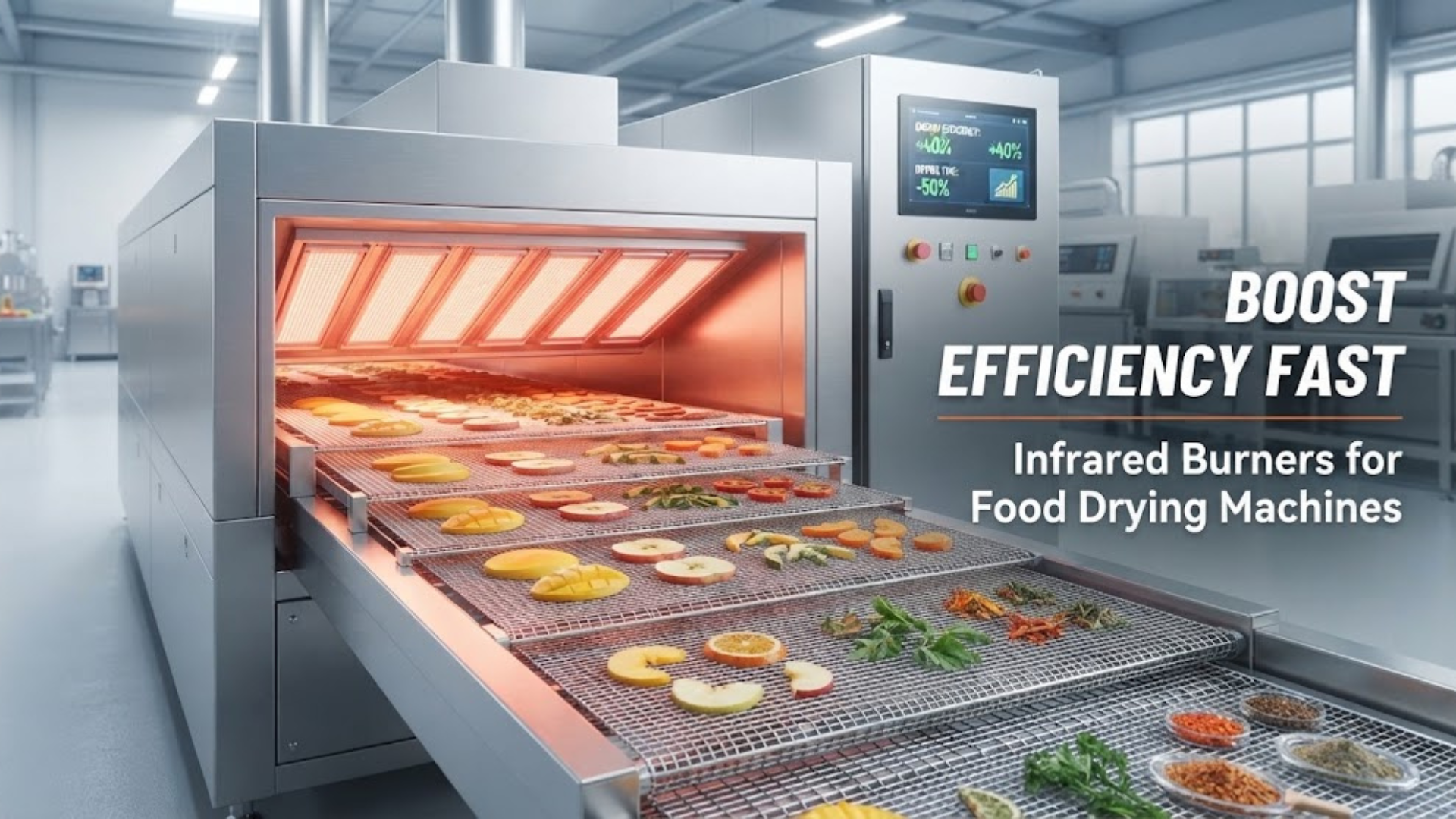
Infrared Burners for Food Drying Machines: Boost Efficiency Fast

Are you looking to improve the efficiency and quality of your food drying process? Infrared burners for food drying machines might be the solution you need.

These burners use infrared radiation to heat your products quickly and evenly, cutting down drying time while preserving the taste, texture, and nutrients of your food. Imagine drying your fruits, vegetables, or meats faster without sacrificing quality—sounds like a game-changer, right?

You’ll discover how infrared burners work, why they’re safe for food, and how they can transform your drying operations for the better. Keep reading to find out how to take your food drying to the next level.

For commercial and industrial food drying equipment, different industrial infrared gas burners can be selected based on the drying capacity, heating area, food type, fuel requirements, and machine design.

Benefits Of Infrared Burners

Infrared burners offer many benefits for food drying machines. They improve efficiency, speed, and product quality. These burners use infrared radiation to deliver heat directly to food surfaces. This process reduces energy waste and enhances drying performance. Below are key advantages of using infrared burners in food drying.

Energy Efficiency Gains

Infrared burners consume less energy than traditional heating methods. They transfer heat directly to the food, reducing heat loss. This direct heating lowers overall power use. Food drying machines with infrared burners save on energy bills. They support eco-friendly operations by cutting energy waste.

Faster Drying Times

Infrared radiation speeds up moisture evaporation from food. It heats the surface quickly and evenly. This faster heat transfer shortens drying cycles significantly. Reduced drying time increases production capacity. It also lowers the chance of microbial growth during drying.

Improved Product Quality

Infrared burners help maintain food color and texture. They cause less damage to nutrients compared to other heating methods. The gentle yet effective heat preserves flavor and appearance. This results in higher quality dried food products. Customers enjoy fresher taste and better shelf life.

Precise Temperature Control

Infrared burners allow accurate heat adjustments. Operators can set specific temperatures for different foods. This control prevents overheating or uneven drying. It ensures consistent and safe drying conditions. Precise control leads to reliable product quality every time.

How Infrared Burners Work

Infrared burners are key components in food drying machines. They provide heat through infrared radiation, which dries food efficiently and evenly. Understanding how these burners work helps in appreciating their role in food processing and preservation.

Infrared Radiation Basics

Infrared burners emit energy as infrared waves. These waves are invisible light with longer wavelengths than visible light. The energy travels through the air and hits the food surface. This radiation causes molecules in the food to vibrate and generate heat.

To understand the technology behind these heating systems in more detail, learn what an infrared gas burner is and how infrared energy is used for direct radiant heating.

Heat Transfer Mechanism

The heat from infrared radiation transfers directly to the food. It does not rely on hot air or convection. This direct heating speeds up the drying process. It also reduces energy loss compared to traditional drying methods.

Penetration Depth In Food

Infrared waves can penetrate food surfaces but only to a shallow depth. This limited penetration ensures the outer layers dry first. It helps maintain the texture and quality of the food. The drying process continues inward as moisture moves to the surface.

Surface Heating Effects

Infrared burners heat the food surface quickly and evenly. This surface heating helps prevent overcooking or burning. It also preserves the food’s color and nutrients. The result is a dried product that looks and tastes natural.

Types Of Infrared Burners

Infrared burners play a vital role in food drying machines by providing efficient heat transfer. Different types of infrared burners suit various drying needs. Each type offers unique features that affect drying speed, energy use, and product quality. Understanding these types helps in selecting the right burner for specific food drying applications.

Quartz Infrared Burners

Quartz infrared burners use quartz tubes to emit heat. They heat up quickly and provide intense infrared radiation. These burners deliver fast drying and precise temperature control. Quartz burners work well for delicate foods that need gentle drying. Their quick response time saves energy and reduces drying duration.

Ceramic Infrared Burners

Ceramic infrared burners feature ceramic plates that radiate heat evenly. They heat slower than quartz burners but keep a steady temperature. Ceramic burners offer uniform heat distribution, which prevents food from drying unevenly. They are durable and ideal for products requiring consistent drying over longer periods.

Ceramic heating surfaces can be an important part of industrial infrared burner design. Explore our honeycomb ceramic burner plates for related ceramic infrared heating components and customized burner applications.

Metal-sheathed Infrared Burners

Metal-sheathed infrared burners have metal tubes that protect the heating element. These burners are robust and handle harsh drying conditions. They last longer and resist damage from moisture and heat. Metal-sheathed burners suit industrial food drying machines where durability is crucial.

Hybrid Burner Systems

Hybrid burner systems combine two or more types of infrared burners. This mix balances fast heating and steady temperature control. Hybrid systems optimize energy use while maintaining product quality. They adapt well to different food types and drying stages for improved efficiency.

Applications In Food Drying Machines

Infrared burners play an important role in food drying machines. These burners use infrared radiation to heat food products efficiently. This method helps remove moisture quickly without affecting food quality. Different types of food dryers use infrared burners in unique ways to suit various drying needs.

Food drying is one example of how direct radiant heating can be used in manufacturing and processing equipment. Explore the applications of infrared gas burners in industrial heating to see other industrial processes that can use infrared heating technology.

Batch Dryers

Batch dryers dry food in small quantities at a time. Infrared burners provide steady heat that reaches the food surface directly. This reduces drying time and saves energy. These dryers work well for fruits, vegetables, and herbs.

Continuous Dryers

Continuous dryers move food through the drying zone on a conveyor. Infrared burners heat the food evenly as it moves along. This method suits large-scale food processing. It keeps the drying process consistent and fast.

Similar continuous heating principles are used in other industrial drying systems. Learn more about infrared burners for powder coating and drying lines and their role in continuous production equipment.

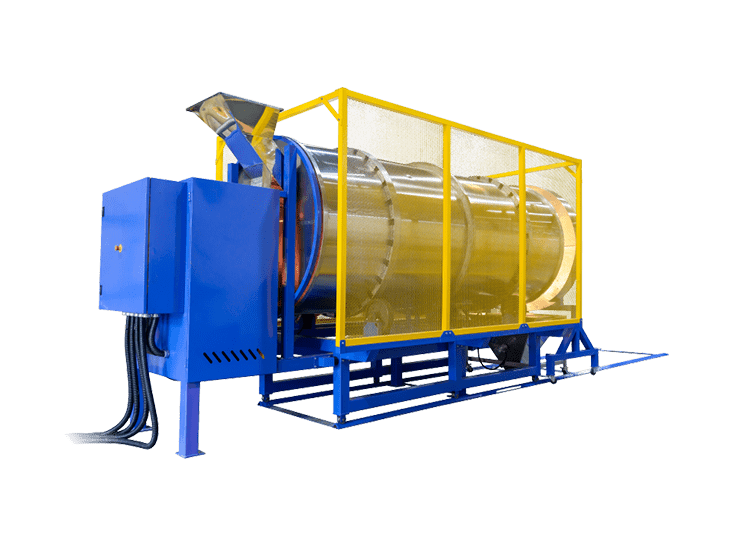
Rotary Infrared Dryers

Rotary dryers use a rotating drum to tumble food during drying. Infrared burners heat the food inside the drum uniformly. This prevents clumping and ensures even moisture removal. Rotary dryers are ideal for grains and small food pieces.

Hybrid Drying Systems

Hybrid systems combine infrared burners with other drying methods. They use the strengths of each method for better results. Infrared heat quickly removes surface moisture. Other methods dry the inside more deeply. This approach preserves food texture and nutrients well.

Food Safety And Quality

Food safety and quality are top priorities in food drying processes. Infrared burners offer precise heat control, which helps protect food properties. Using this technology can improve drying efficiency while keeping food safe and fresh. Understanding how infrared heating affects safety and quality is essential for food producers and consumers alike.

Safety Of Infrared Heating

Infrared heating uses electromagnetic waves to transfer heat. This method does not change the food’s molecular structure. Research confirms infrared heating is safe for cooking and drying food. It avoids harmful chemicals or residues. The technology ensures even heat distribution, reducing the risk of overcooking or burning.

Maintaining Nutrient Content

Infrared drying uses less time than traditional methods. Faster drying helps retain vitamins and minerals in food. Lower temperatures prevent nutrient loss caused by heat damage. This method preserves essential nutrients, making food healthier to eat. It supports better nutrition without compromising drying efficiency.

Preserving Color And Texture

Infrared burners provide gentle and consistent heating. This helps maintain the natural color of fruits and vegetables. The texture stays closer to fresh food, avoiding excessive hardness or brittleness. Preserved color and texture improve food appearance and consumer appeal. This method enhances the sensory quality of dried products.

Reducing Microbial Risks

Infrared drying rapidly removes moisture from food surfaces. Lower moisture levels prevent bacterial and mold growth. The heat also kills many harmful microbes during drying. This reduces the risk of foodborne illnesses. Infrared technology supports safer food storage and longer shelf life.

Infrared Burners for Food Drying Machines: Boost Efficiency Fast

Credit: www.tshs-dryer.com

Installation And Maintenance Tips

Proper installation and regular maintenance of infrared burners are vital for food drying machines. These steps ensure safety, efficiency, and long-lasting performance. Following clear guidelines helps avoid common problems and keeps the drying process smooth.

Below are practical tips covering placement, cleaning, troubleshooting, and performance optimization of infrared burners.

Proper Burner Placement

Place infrared burners at the correct height and distance from food products. This ensures even heat distribution and prevents burning. Avoid direct contact between burners and food. Align burners to cover all drying trays uniformly. Secure mounting prevents vibration and damage during operation.

Regular Cleaning Practices

Clean burners regularly to remove dust and food residue. Use a soft brush or cloth to avoid damage. Avoid water or harsh chemicals that can corrode burner surfaces. Inspect burners for blockages that reduce heat output. Clean reflectors and nearby surfaces to maintain heat efficiency.

Troubleshooting Common Issues

Check power connections if burners fail to ignite. Inspect wiring for wear or loose contacts. Monitor burner flames for irregular shapes or color changes that signal problems. Replace faulty sensors or controls promptly. Listen for unusual noises indicating mechanical issues.

Reliable burner operation can also depend on compatible ignition and control components. Explore our ignition controllers for industrial infrared burners for related burner control solutions.

Optimizing Burner Performance

Adjust burner settings to match the food type and drying stage. Use recommended wattage and temperature ranges. Ensure proper airflow around burners to avoid overheating. Calibrate controls regularly for accurate heat delivery. Monitor energy consumption to detect inefficiencies early.

Cost Considerations

Cost considerations play a crucial role when choosing infrared burners for food drying machines. Understanding different expense factors helps make smart decisions. These costs impact both short-term budgets and long-term savings. Evaluating initial costs, energy use, and upkeep ensures better financial planning. Below are key cost areas to consider.

Initial Investment

Infrared burners often require higher upfront spending than traditional heaters. The price depends on burner size, brand, and technology. Quality materials and advanced designs may increase cost. This initial investment covers equipment purchase and installation. Budgeting for these costs is essential before buying.

The right burner should be selected according to the equipment design and required heating capacity. For industrial drying and oven applications, explore the HY-1602 infrared gas burner for drying and powder coating ovens.

Energy Savings Over Time

Infrared burners use energy more efficiently than many alternatives. They deliver heat directly to food, reducing energy waste. This efficiency lowers electricity bills during operation. Over time, energy savings can balance the higher initial cost. Choosing energy-efficient models maximizes these savings.

Maintenance Expenses

Infrared burners usually need less maintenance than other heating systems. Their simple design reduces the risk of breakdowns. Still, regular cleaning and occasional part replacements are necessary. Maintenance costs depend on usage frequency and operating conditions. Planning for these expenses avoids unexpected costs.

Return On Investment

Return on investment (ROI) measures the financial benefits over time. Infrared burners often offer quicker ROI due to energy savings and low upkeep. Faster drying times also increase productivity, adding value. Calculating ROI helps evaluate if the burner suits your business goals.

Future Trends In Infrared Drying

Infrared drying is evolving rapidly with new trends shaping its future. These advances improve efficiency, reduce costs, and expand uses. Infrared burners for food drying machines will benefit from these innovations. The changes will impact how food drying meets industry demands.

New technologies make infrared drying faster and more reliable. Automation integration allows precise control and consistent results. Sustainable solutions reduce energy use and environmental impact. More industries will adopt infrared drying for various products.

Advancements In Burner Technology

Infrared burners are becoming more efficient and durable. New materials enhance heat transfer and reduce energy loss. Burners now produce more uniform heat distribution. This improves drying speed and food quality. Innovations focus on reducing maintenance needs and extending burner life.

As infrared heating systems become more specialized, selecting the right burner for the equipment design becomes increasingly important. Read our guide on how to choose an infrared burner for industrial ovens for key burner selection factors.

Integration With Automation

Automation helps control drying temperature and time precisely. Sensors monitor moisture and adjust heat automatically. This reduces human error and increases productivity. Data from machines allow better process optimization. Automation also supports remote monitoring and control.

Sustainability Improvements

Energy-efficient burners lower power consumption significantly. Infrared drying uses less energy than traditional methods. New designs minimize emissions and waste heat. Using renewable energy sources with burners is growing. These steps help industries meet environmental regulations.

Expanding Industrial Applications

Infrared drying now serves more food products and materials. It suits fruits, vegetables, meats, and herbs. Non-food sectors like pharmaceuticals and textiles use it too. Its fast, gentle drying preserves product quality well. The range of applications will keep growing worldwide.

Frequently Asked Questions

Is Infrared Heating Food Safe?

Infrared heating is safe for cooking food. It heats food without altering its molecular structure or quality. Infrared cooking preserves nutrients and ensures even heating, making it a reliable and healthy method for food preparation.

What Is The Infrared Drying Method?

The infrared drying method uses infrared radiation to heat and remove moisture from products. It saves time and energy while preserving quality.

Can Infrared Be Used To Heat Food?

Infrared can heat food by transferring energy through radiation, mainly heating the surface quickly and evenly. It preserves texture and nutrients.

What Is Infrared Heating In Food Drying An Overview?

Infrared heating in food drying uses electromagnetic waves to heat food surfaces directly. It speeds drying, preserves nutrients, color, and texture, and reduces energy use. This method avoids hot air convection, ensuring uniform, efficient moisture removal while maintaining high food quality.

Looking for an Infrared Burner for Food Drying Equipment?

Choosing the right infrared burner depends on the food product, drying capacity, heating area, production process, fuel type, and equipment design. If you need technical specifications or a customized infrared heating solution, contact our team to discuss your food drying application.

Conclusion

Infrared burners offer efficient and quick drying for food machines. They save energy while keeping food quality high. The heat reaches food surfaces evenly, preserving taste and nutrients. Using these burners reduces drying time and improves texture. Choosing the right infrared burner helps achieve consistent results every time.

This technology suits many food drying needs. Simple, reliable, and cost-effective—infrared burners enhance drying processes naturally.

Posted in general

Ceramic Infrared Burner Vs Metal Burner: Ultimate Heat Efficiency Showdown

When it comes to grilling, you want the best heat source to cook your food perfectly every time. But what’s better for your grill—ceramic infrared burners or traditional metal burners?

You might be wondering which one gives you that perfect sear, cooks faster, or even saves fuel. Choosing the right burner can change your entire grilling experience, from juicy steaks to evenly cooked veggies. You’ll discover the key differences between ceramic infrared and metal burners, so you can pick the one that fits your grilling style and brings out the best flavor in your food.

Keep reading—you’re about to unlock the secret to grilling like a pro.

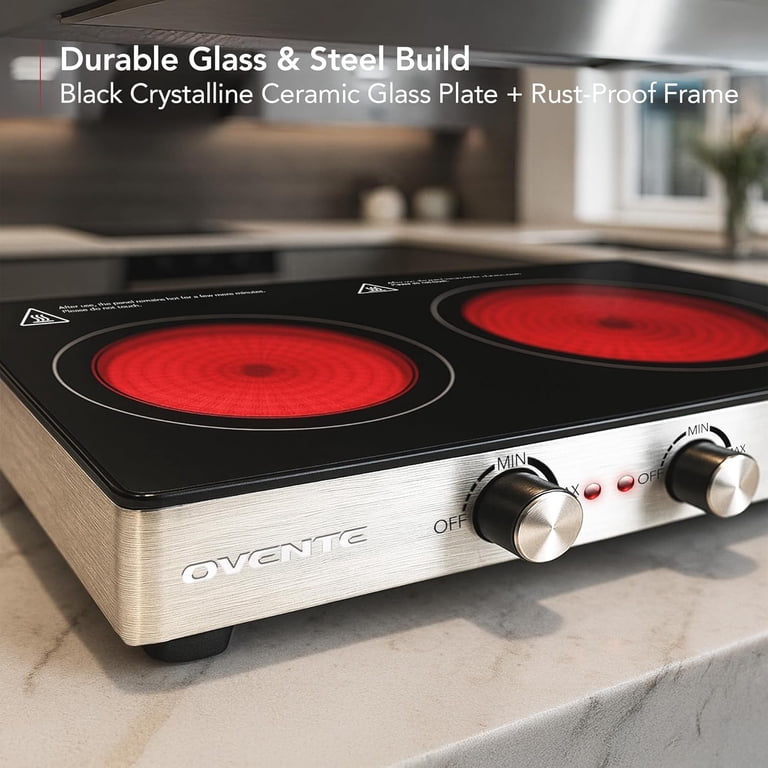
Ceramic infrared technology is also used in a wide range of commercial and industrial heating systems. Explore our range of industrial infrared gas burners to see different burner solutions and configurations.

Ceramic Infrared Burner Vs Metal Burner: Ultimate Heat Efficiency Showdown

Credit: www.walmart.com

Heat Generation Methods

Heat generation methods vary significantly between ceramic infrared burners and metal burners. Each type uses a distinct process to produce heat, impacting cooking performance and efficiency. Understanding these methods helps choose the right burner for your needs.

How Ceramic Infrared Burners Work

Ceramic infrared burners heat through infrared radiation. Gas flows beneath a ceramic plate. The plate absorbs the flame’s heat and emits infrared energy.

This energy travels directly to the food, heating it quickly. The ceramic surface reaches high temperatures fast. It creates intense, even heat without open flames.

The ceramic surface is an important part of the infrared heating process. For industrial and customized burner systems, explore our honeycomb ceramic burner plates and related infrared heating components.

The infrared heat cooks food by warming its surface, locking in juices. This method reduces flare-ups and uneven cooking.

How Metal Burners Work

Metal burners produce heat using direct flame contact. Gas burns through metal tubes or ports, creating an open flame. This flame heats the cooking surface by conduction.

The heat spreads from the burner to the grill grates. Food cooks through direct contact with these hot grates or the flame.

Metal burners often heat slower and can have hot or cool spots. Flames may cause flare-ups if fat drips onto them.

Comparing Heat Transfer

Ceramic infrared burners transfer heat mainly by radiation. This means heat moves directly to the food without heating the air first. It results in faster cooking and less heat loss.

Metal burners transfer heat by conduction and convection. Flames heat the grates, which then cook the food. This process can take longer and cause uneven heat.

Infrared burners offer more consistent heat with fewer flare-ups. Metal burners provide a traditional flame and may add smoky flavor.

To understand the basic technology behind radiant heating systems, learn what an infrared gas burner is and how infrared energy is used to transfer heat directly to the target.

Ceramic Infrared Burner Vs Metal Burner: Ultimate Heat Efficiency Showdown

Credit: www.walmart.com

Temperature Performance

Temperature performance defines how well a burner heats and cooks food. It affects cooking speed, searing quality, and even heat distribution. Both ceramic infrared burners and metal burners offer different heat characteristics. Understanding these differences helps you choose the right burner for your needs.

Maximum Heat Output

Ceramic infrared burners reach higher temperatures than metal burners. They can produce intense, focused heat ideal for searing. Metal burners usually have lower maximum heat output. They provide steady, even heat but lack the peak temperature of ceramic burners.

Heat-up Speed

Ceramic infrared burners heat up very fast. They radiate heat directly to the food surface, reducing wait time. Metal burners take longer to reach their full heat. Their heat rises gradually, which may slow down cooking.

Searing Capabilities

Infrared ceramic burners excel at searing. They create a hot, even surface that locks in juices. Metal burners can sear but less efficiently. They often require flipping and longer cook times to achieve the same result.

Cooking Quality

Cooking quality greatly influences the grilling experience and final taste. Ceramic infrared burners and metal burners differ in how they affect food texture and flavor. Each offers unique benefits in heat distribution and cooking control. Understanding these differences helps you choose the right burner for your needs.

Moisture Retention

Ceramic infrared burners cook food by emitting radiant heat. This method seals juices inside meat quickly. The result is tender, juicy food with less drying. Metal burners rely on direct flame heat. They can cause moisture loss if food is overexposed to heat. Ceramic burners maintain moisture better for more flavorful meals.

Evenness Of Cooking

Ceramic infrared burners heat evenly across their surface. This reduces hot spots and uneven cooking. Food cooks more uniformly, avoiding burnt edges or raw centers. Metal burners often create uneven heat zones. They may require frequent turning to cook food evenly. Ceramic burners simplify grilling with consistent heat.

Flare-up Management

Flare-ups occur when fat drips onto flames, causing bursts of fire. Metal burners are more prone to flare-ups due to open flames. This can char food and create bitter tastes. Ceramic infrared burners reduce flare-ups by radiating heat without open flames. This control helps protect food from burning and maintains clean flavors.

Fuel Efficiency

Fuel efficiency plays a key role in choosing between ceramic infrared burners and metal burners. It affects energy use and your overall costs. Both burner types operate differently, which influences fuel consumption and expenses over time.

Energy Consumption

Ceramic infrared burners use radiant heat to cook food. They reach high temperatures quickly and retain heat well. This reduces the amount of fuel needed during cooking.

Metal burners rely on direct flame and convection heat. They take longer to reach desired temperatures. This can lead to higher fuel use during cooking sessions.

Overall, ceramic infrared burners tend to consume less fuel compared to metal burners. Their efficient heat transfer means less wasted energy. This makes them a better option for energy-conscious users.

Cost Over Time

The initial cost of ceramic infrared burners is usually higher than metal burners. But their fuel savings can lower costs in the long run. Less fuel use means smaller gas bills or fewer refills.

Metal burners may cost less upfront but often use more fuel. This can increase expenses over time. Frequent cooking with metal burners can lead to higher fuel costs.

Choosing a burner with better fuel efficiency can save money over time. Ceramic infrared burners offer strong savings through lower energy use and fuel expenses.

Similar efficiency benefits can also be important in larger manufacturing and processing systems. Explore the applications of infrared gas burners in industrial heating to see how this technology is used beyond grilling equipment.

Durability And Maintenance

Durability and maintenance are key factors when choosing between ceramic infrared burners and metal burners. Both types have unique features that affect their lifespan and upkeep. Understanding these differences helps you make a smart purchase that lasts longer and stays efficient.

Lifespan Expectations

Ceramic infrared burners tend to have a longer lifespan than metal burners. The ceramic material resists high heat and corrosion better. Metal burners can rust or warp over time from constant exposure to flames. However, ceramic burners may crack if dropped or handled roughly. Metal burners usually withstand physical impact better but may need replacement sooner due to wear.

Cleaning And Care

Ceramic infrared burners require gentle cleaning to avoid damage. Use soft brushes and mild cleaners to remove grease and food residue. Avoid harsh chemicals or scrubbing pads that can crack the surface. Metal burners are easier to clean with wire brushes and stronger detergents. They tolerate tougher cleaning but may need more frequent attention to prevent rust.

Resistance To Wear

Ceramic burners resist wear from heat cycles and moisture well. They maintain performance without warping or corroding. Metal burners can suffer from rust spots, cracks, and warping after prolonged use. Protective coatings help but may wear off with time. Ceramic units often retain their shape and efficiency longer under regular use.

For burner systems designed around ceramic heating surfaces, different honeycomb ceramic burner plate solutions are available depending on burner size, application, and heating requirements.

Safety Considerations

Safety is a top concern when choosing between ceramic infrared burners and metal burners. Both types have unique features that affect how safe they are during cooking. Knowing these differences can help you avoid accidents and cook with confidence.

Burners reach very high temperatures, so controlling heat and preventing flare-ups is crucial. Proper burner choice contributes to a safer cooking environment.

Flare-up Prevention

Ceramic infrared burners reduce flare-ups by heating food evenly. Their design traps grease and drippings, preventing sudden flames. Metal burners often allow grease to drip directly on the flame, causing flare-ups. This can lead to burns or uncontrolled fire. Using ceramic burners lowers this risk and keeps cooking safer.

Heat Control Precision

Ceramic infrared burners provide precise heat control. They heat quickly and maintain steady temperatures. This makes it easier to cook food evenly without burning. Metal burners can have hot spots and uneven heat. This unevenness increases the chance of overcooking or flare-ups. Precise heat control with ceramic burners improves safety and cooking results.

Versatility And Use Cases

Choosing between ceramic infrared burners and metal burners depends on their versatility and use cases. Each type suits different cooking needs and styles. Understanding their strengths helps select the right burner for your kitchen.

Ideal Cooking Styles

Ceramic infrared burners excel in high-heat cooking. They deliver intense, even heat quickly. This makes them perfect for searing steaks and grilling meats. The heat penetrates food, locking in juices and flavor. Metal burners provide steady, moderate heat. They work well for simmering, boiling, and slow cooking. Metal burners suit recipes needing gentle and consistent heat. Both burners serve different cooking techniques effectively.

Adaptability To Different Foods

Ceramic infrared burners handle dense meats and thick cuts best. They cook quickly without drying out food. These burners also perform well with vegetables needing quick charring. Metal burners adapt to a wider range of foods. They gently cook soups, sauces, and delicate items. Metal burners offer better control for multi-step recipes. Choosing depends on the food type and cooking style.

Infrared heating technology is also widely adapted for commercial and industrial processes where fast and targeted heating is required. For applications involving industrial ovens and thermal equipment, read our guide on how to choose an infrared burner for industrial ovens.

Cost And Value

The cost and value of ceramic infrared burners versus metal burners vary significantly. Understanding these differences helps you make the best choice for your grilling needs. Both types offer unique benefits that affect your overall investment and satisfaction.

Initial Investment

Ceramic infrared burners usually cost more upfront than metal burners. The materials and technology involved drive this price difference. Metal burners tend to have a lower purchase price, making them budget-friendly. However, the initial cost is only part of the story. Consider what you get for your money beyond the price tag.

Long-term Benefits

Ceramic infrared burners provide better heat retention and efficiency over time. They reduce fuel use because they heat faster and maintain steady temperatures. This saves money on gas or propane. Metal burners may wear out sooner and need replacement parts more often. Ceramic burners resist rust and corrosion better, increasing their lifespan. These factors make ceramic burners a valuable long-term investment despite higher upfront costs.

For applications where flameless and controlled radiant heating is important, you can also learn more about catalytic infrared burners and their heating characteristics.

User Experiences

User experiences provide valuable insights into how ceramic infrared burners and metal burners perform in real-life settings. These insights highlight the strengths and weaknesses of each burner type. Users share their thoughts on cooking results, ease of use, and maintenance. This feedback helps others make informed decisions based on practical use.

Home Grilling Feedback

Many home grillers praise ceramic infrared burners for quick heating. They report faster searing and juicier meats. The even heat distribution reduces flare-ups. Some find ceramic burners easier to clean after use. Metal burners receive compliments for their durability and cost-effectiveness. Users say metal burners heat steadily but take longer to reach high temperatures. Some mention occasional hot spots with metal burners, requiring more attention while cooking.

Professional Use Insights

Chefs in professional kitchens favor ceramic infrared burners for precision. They enjoy the ability to achieve consistent sear marks quickly. The intense heat helps lock in flavors and moisture. Professionals note ceramic burners need less fuel, lowering costs. Metal burners are appreciated for their rugged build and long lifespan. Some chefs find metal burners better for slow cooking and grilling larger quantities. Maintenance is simpler with metal burners, making them suitable for busy environments.

Frequently Asked Questions

Are Infrared Burners Worth It?

Infrared burners offer faster, intense searing and even cooking. They reduce flare-ups and retain moisture better than traditional burners. Their efficiency and precise heat control make them worth considering for grilling enthusiasts.

What Is The Healthiest Method Of Grilling?

The healthiest grilling method uses indirect heat to avoid charring. Choose lean meats, trim fat, and marinate to reduce harmful compounds. Grill at moderate temperatures and clean the grill regularly to prevent flare-ups and toxins.

What Are The Disadvantages Of Infrared Gas Burners?

Infrared gas burners can cause uneven heat distribution and hot spots. They may require more maintenance and cost more upfront. Some users find their intense heat less versatile for low-temperature cooking.

What Is The Difference Between A Burner And An Infrared Burner?

A burner heats by direct flame, while an infrared burner uses ceramic plates to emit intense, even heat quickly for better searing.

Are Ceramic Infrared Burners Used in Industrial Applications?

Yes, ceramic infrared burner technology can be used in a range of industrial heating applications depending on the burner design and process requirements. For example, infrared heating is commonly used in drying, curing, and surface treatment systems. Learn more about infrared burners for powder coating and drying lines.

Looking for a Ceramic Infrared Burner Solution?

Choosing the right infrared burner depends on the heating application, required temperature, burner design, fuel type, and equipment requirements. If you need technical specifications or a customized infrared heating solution, contact our team to discuss your requirements.

Conclusion

Choosing between a ceramic infrared burner and a metal burner depends on your cooking needs. Ceramic burners heat faster and provide even searing with less flare-up. Metal burners offer durability and steady heat for longer cooking times. Both have benefits and limitations.

Think about how you cook and what you want from your burner. This will guide you to the best choice for your grill. Simple, clear differences help you decide with confidence.

Posted in general