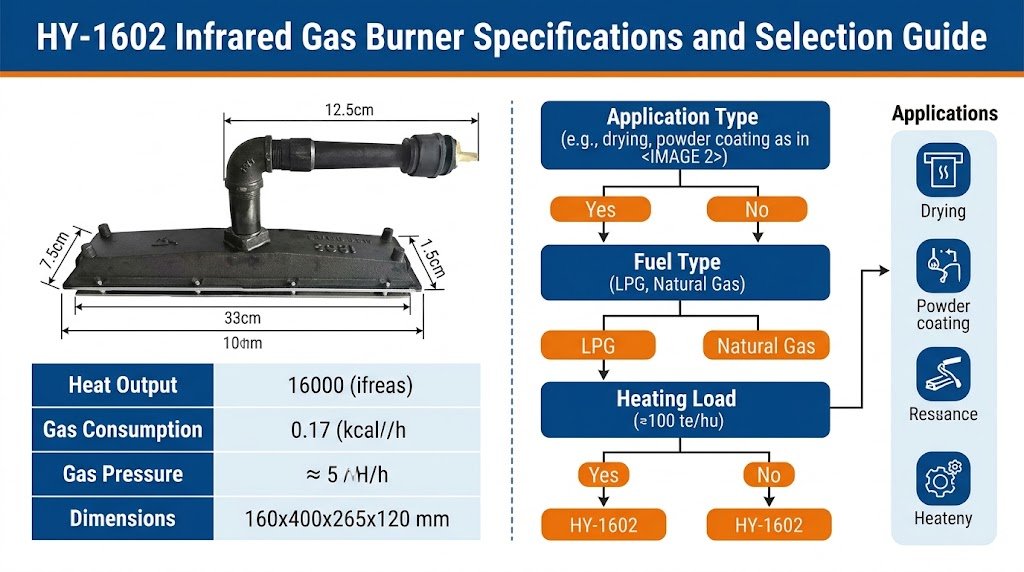
The HY-1602 infrared gas burner delivers high radiant heat through porous cordierite ceramic plates, operating at thermal outputs between 5.4 kW and 6.5 kW under low gas pressure. For industrial heating lines and commercial food processing, this guide gives the verified dimensions, gas supply figures, and ducting requirements that prevent surface scorch and incomplete combustion.
Continue reading “HY-1602 Infrared Gas Burner Specifications and Selection Guide”

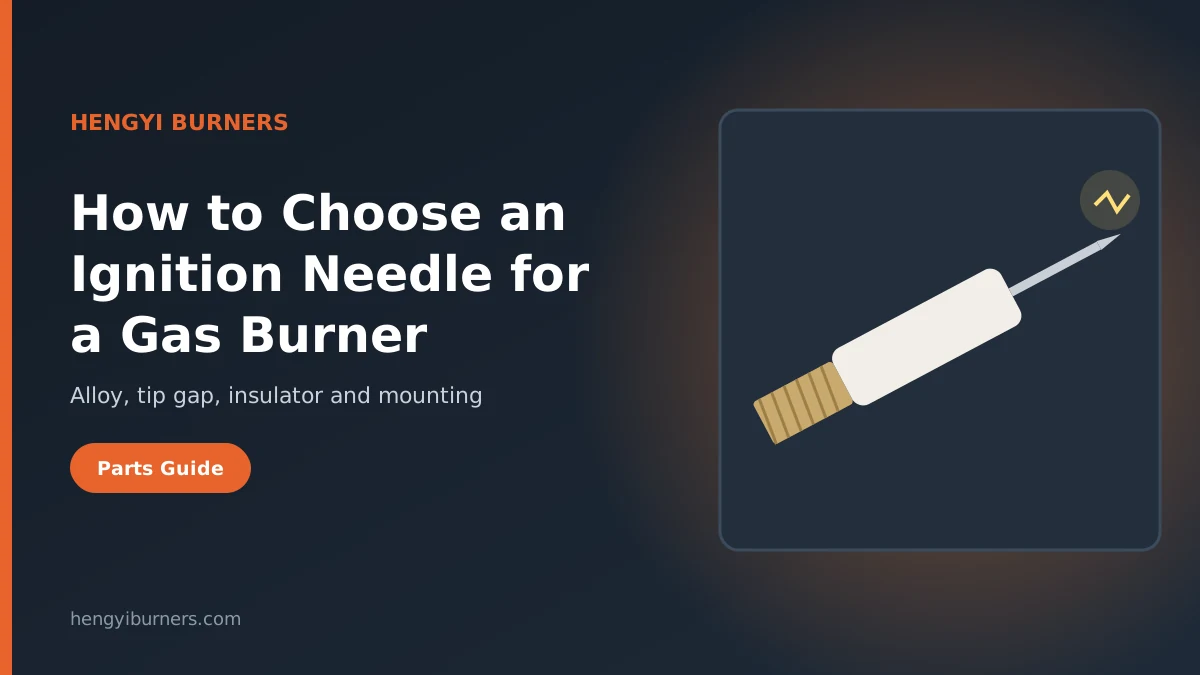
How to Choose an Ignition Needle for an Industrial Gas Burner
The ignition needle on an industrial gas burner is a small, inexpensive part that decides whether the burner lights reliably or shuts down on lockout — and choosing the right one comes down to matching its material, tip geometry, length, and mounting style to your specific burner, fuel, and ignition system. Get those four variables right and you’ll get years of dependable sparking; get them wrong and you’ll be replacing electrodes monthly while chasing intermittent flame failures.
Continue reading “How to Choose an Ignition Needle for an Industrial Gas Burner”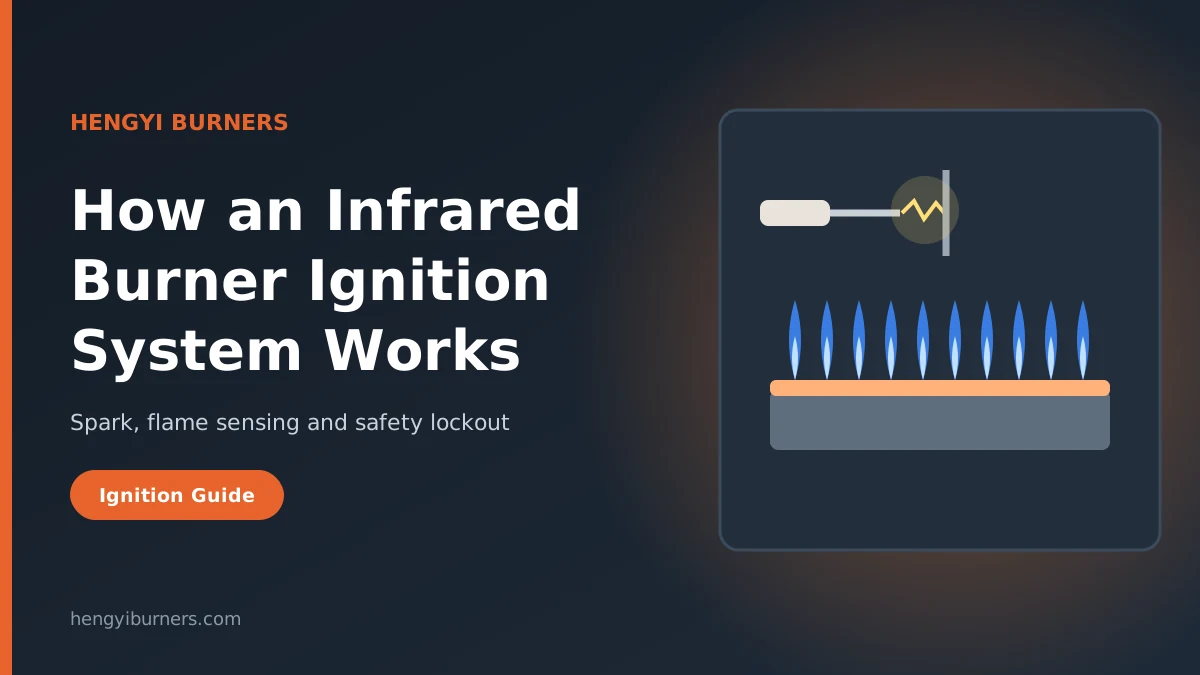
How Does an Infrared Burner Ignition System Work?
An infrared burner ignition system lights the burner by using a small electrical spark or a hot-surface element to ignite gas at the burner’s surface, then proves the flame is present with a sensor before opening the main gas valve to keep it running. In practice, the sequence is controlled by a module or control board that runs a fixed startup routine: call for heat, safety check, ignition, flame sensing, and full gas flow. If any step fails, the system shuts the gas off and either retries or locks out.
Continue reading “How Does an Infrared Burner Ignition System Work?”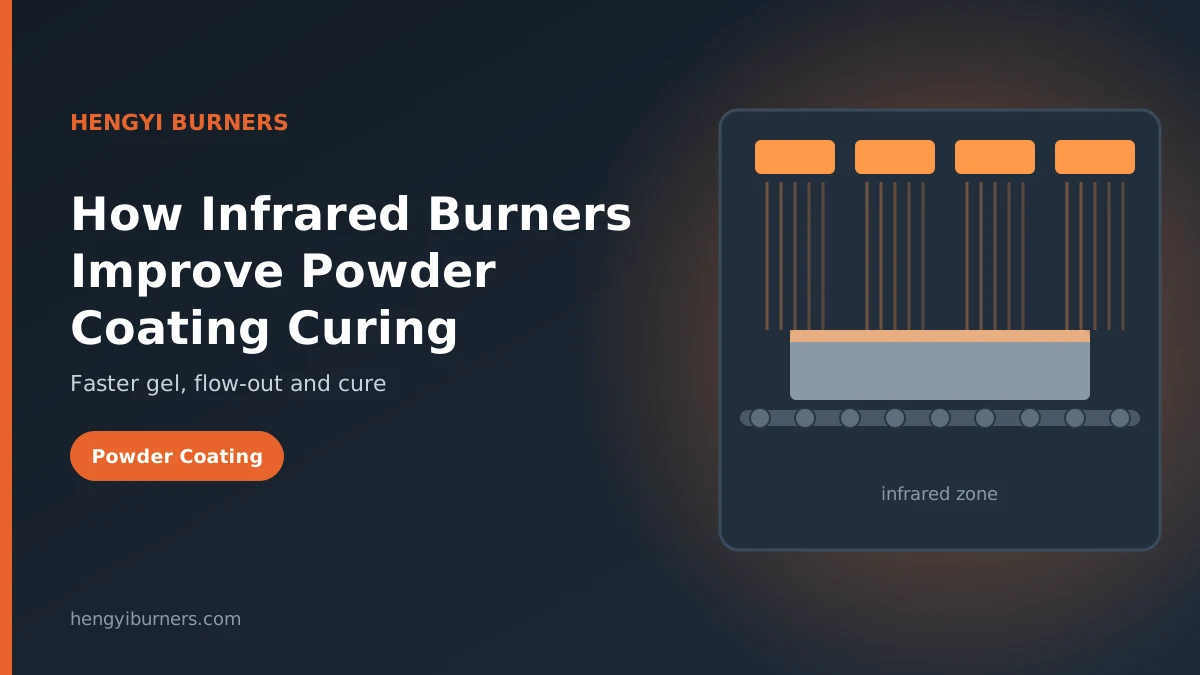
How Infrared Burners Improve Powder Coating Curing
Infrared burners improve powder coating curing by transferring heat directly to the part through electromagnetic radiation, so the powder gelates and flows in seconds to minutes instead of the 10–20 minutes a convection oven needs just to bring the substrate up to temperature. That speed changes the economics, the finish quality, and the range of parts you can coat — and it comes with its own rules for oven design, emitter selection, and process control.
Continue reading “How Infrared Burners Improve Powder Coating Curing”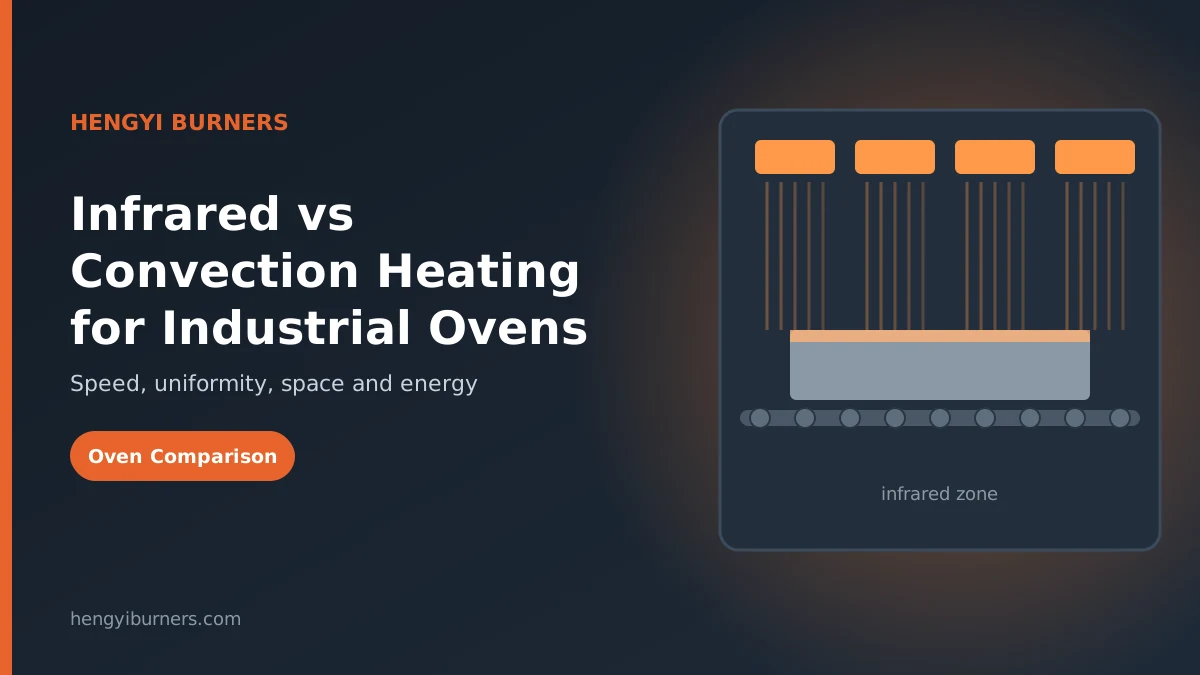
Infrared vs Convection Heating for Industrial Ovens
If you’re specifying heat for a curing, drying, or baking process, the choice between infrared vs convection heating for industrial ovens usually comes down to three things: how the part absorbs energy, how much floor space you have, and how tight your temperature uniformity has to be. Both technologies are mature and reliable, and both can be the wrong answer if they’re matched to the wrong product. This article breaks down how each method moves heat, where each one wins, what they cost to buy and operate, and how to decide — or combine them — for your specific line.
Continue reading “Infrared vs Convection Heating for Industrial Ovens”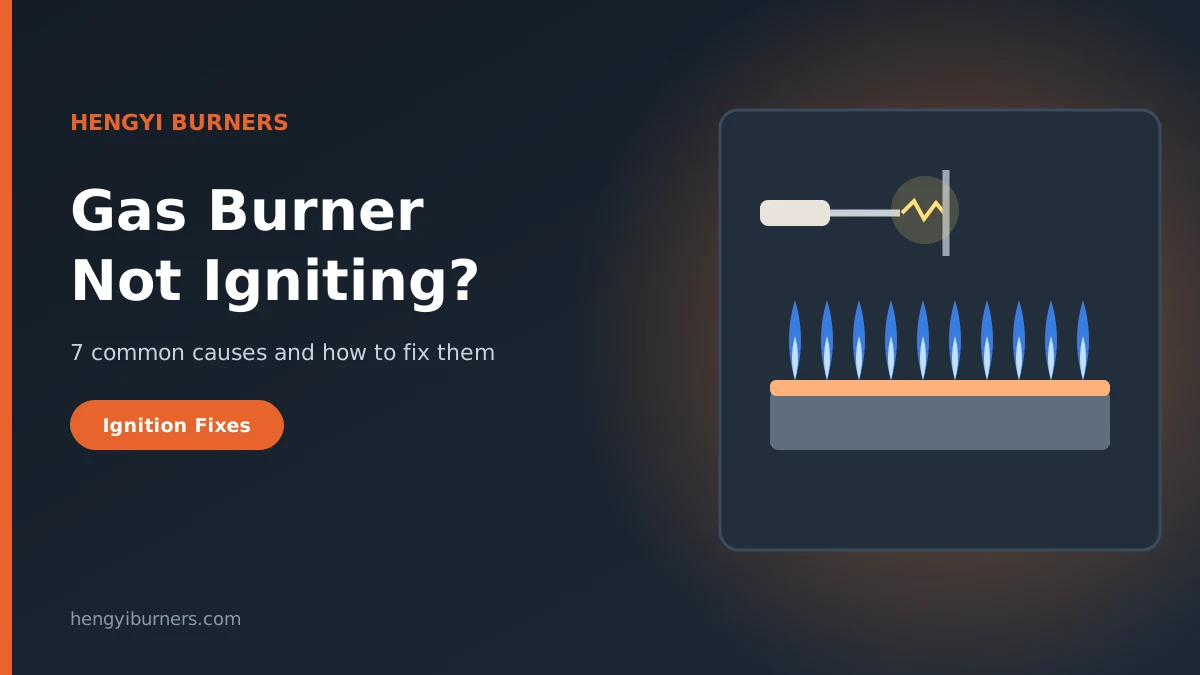
Why Is My Gas Burner Not Igniting? Common Causes and Solutions
A gas burner that clicks but won’t light, or won’t click at all, almost always traces back to one of a handful of causes: a wet or dirty igniter, a clogged burner cap, a misaligned spark electrode, a weak or tripped power source, or a gas supply that isn’t reaching the burner. Most of these are things a careful homeowner can diagnose in about fifteen minutes with nothing more than a dry cloth, a soft brush, and a straightened paper clip. The rest require a technician, and a few require you to stop and call one immediately.
Continue reading “Why Is My Gas Burner Not Igniting? Common Causes and Solutions”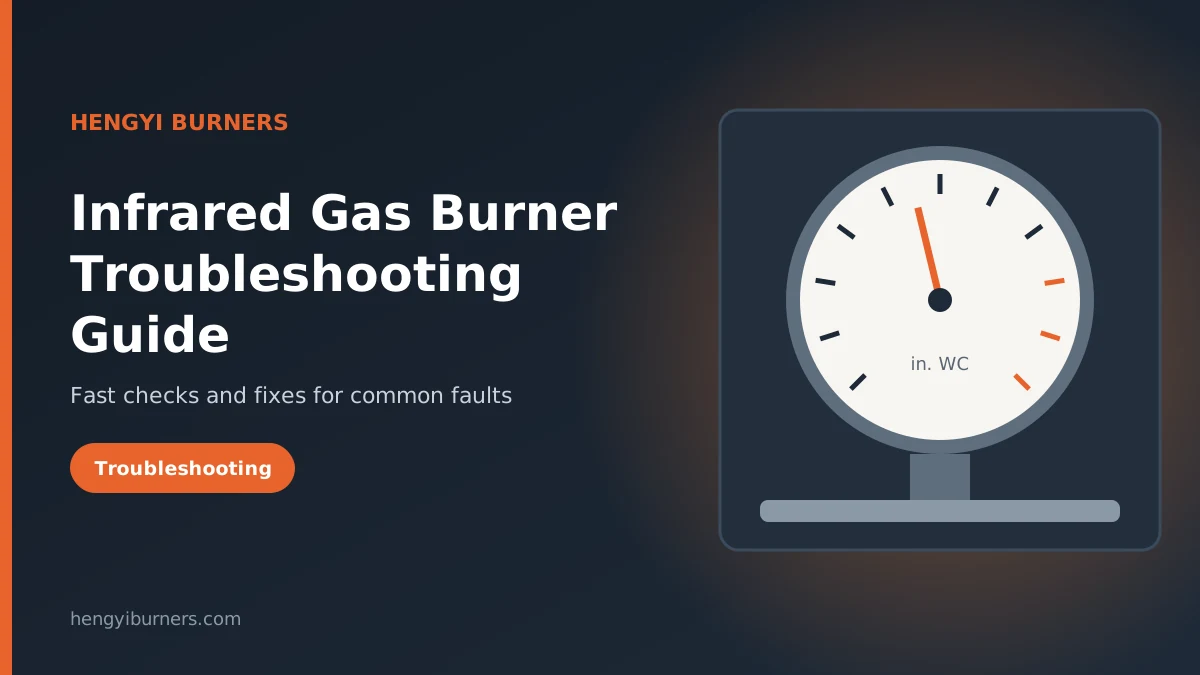
Industrial Infrared Gas Burner Troubleshooting Guide: Fixes
When your unit won’t glow red or blows out right after ignition, start with three checks. Shut off the manual fuel valve, inspect the burner face for blockages or cracks, and clear shop dust from the air intake screen. The most common cause of combustion failure is a wrong air-to-fuel ratio. Blocked venturi openings or sudden drops in supply pressure usually cause it.
Continue reading “Industrial Infrared Gas Burner Troubleshooting Guide: Fixes”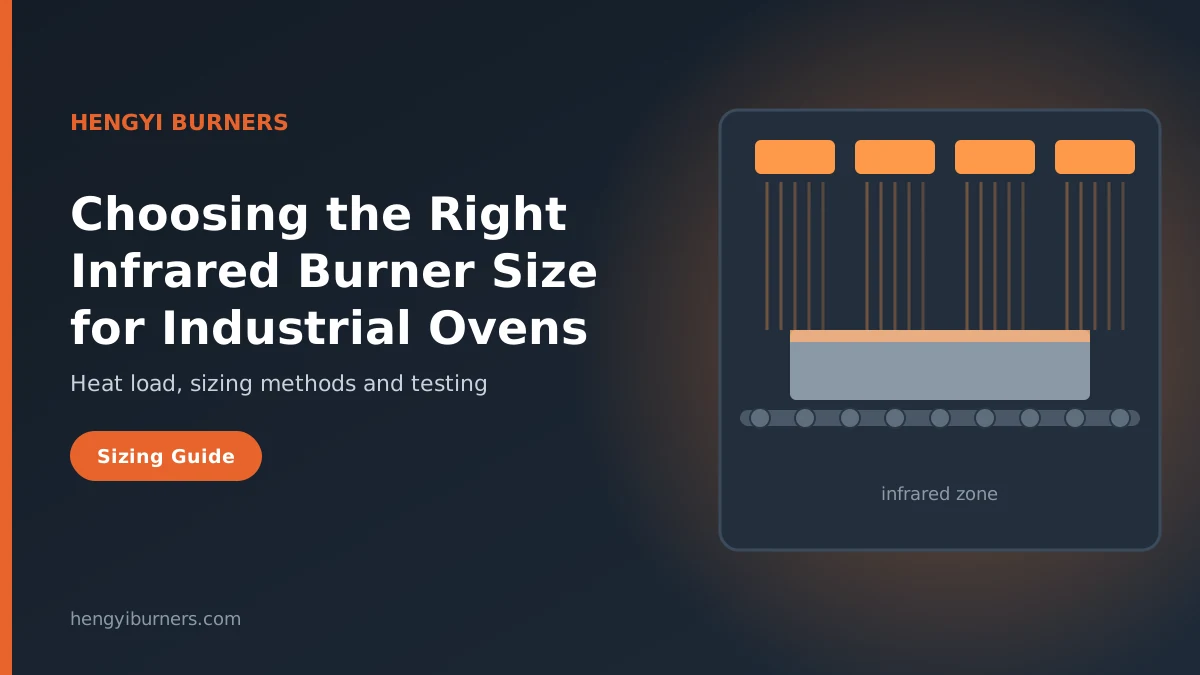
How to Choose the Right Infrared Burner Size for Industrial Ovens
Choosing the right infrared burner size for an industrial oven is determined by calculating the total heat load in BTUs per hour and matching that load to the chamber’s volume and insulation rating. If your oven operates at high temperatures, you must size for maximum throughput; if you only need gentle heat, you size for the minimum steady-state requirement. This varies by model — check the label for the manufacturer’s specified input range and thermal efficiency rating.
Continue reading “How to Choose the Right Infrared Burner Size for Industrial Ovens”
How to Maintain an Industrial Infrared Gas Burner: Expert Tips
You should clean the ceramic surface and inspect the burner plenum every 1,000 hours of operation to ensure peak efficiency. Maintaining an industrial infrared gas burner comes down to three routine jobs: removing dust buildup, checking the ceramic for cracks, and verifying gas pressure settings. If you leave these units for twice that duration, you risk uneven heating, carbon monoxide buildup, and eventual failure of the ceramic tiles. This schedule assumes a clean, indoor environment; if your facility has high airborne particulates, you must shorten the interval by half to prevent premature clogging.
Continue reading “How to Maintain an Industrial Infrared Gas Burner: Expert Tips”
How to Choose a Honeycomb Ceramic Burner Plate for Your System
To pick the right component for your gas system, you must match the hole density and material thermal rating to your burner’s specific BTU output, so the plate delivers reliable, even heat. This guide explains how to verify compatibility, select the correct size, and install the plate to ensure safe operation without damaging your equipment.
Continue reading “How to Choose a Honeycomb Ceramic Burner Plate for Your System”