HENGYI BURNERS

Gas Burners for Food Drying Equipment in Indonesia: Ultimate Guide

If you’re involved in food drying in Indonesia, you know how crucial reliable heating is to your process. That’s where gas burners for food drying equipment come in.

They provide consistent, efficient heat that helps preserve your products’ quality and extend shelf life. But with so many options out there, how do you choose the right gas burner for your needs? This article will guide you through the key benefits of using gas burners, what to look for in the Indonesian market, and how to get the best performance for your food drying equipment.

Keep reading to find out how the right gas burner can transform your drying process and boost your business.

Gas Burners for Food Drying Equipment in Indonesia: Ultimate Guide

Credit: zhongliweiye.en.made-in-china.com

Gas Burner Types

Gas burners play a vital role in food drying equipment in Indonesia. Different types of burners offer unique benefits for drying processes. Choosing the right burner type improves efficiency and product quality. Below are common gas burner types used in food drying machines.

Infrared Gas Burners

Infrared gas burners emit heat using infrared radiation. This heat transfers directly to the food, speeding up drying. They provide even heat distribution and reduce energy waste. Infrared burners lower drying time and improve product taste. Many food drying businesses in Indonesia prefer them for these reasons.

Natural Gas Burners

Natural gas burners burn clean fuel with low emissions. Indonesia has a good supply of natural gas, making these burners cost-effective. They produce steady heat, ideal for consistent drying results. These burners are common in large-scale food drying operations. Their easy control helps maintain precise temperature levels.

Lpg Burners

LPG burners use liquefied petroleum gas as fuel. LPG is widely available and portable, suitable for remote areas. These burners ignite quickly and offer strong heat output. Many small and medium food drying businesses in Indonesia rely on LPG burners. They are simple to install and maintain.

Ceramic Honeycomb Technology

This technology uses ceramic honeycomb structures inside burners. It improves heat transfer and combustion efficiency. Ceramic honeycomb burners produce uniform heat and lower fuel consumption. They also reduce harmful emissions, supporting eco-friendly drying. Many modern food dryers in Indonesia incorporate this technology for better performance.

Benefits Of Gas Burners

Gas burners play a vital role in food drying equipment in Indonesia. They offer several advantages that improve the drying process. These benefits include better energy use, cost savings, environmental friendliness, and precise heat control. Understanding these advantages helps businesses choose the right drying solution.

Energy Efficiency

Gas burners use fuel in a way that maximizes energy output. This means more heat is produced with less fuel. Efficient energy use lowers fuel consumption and reduces waste. It also helps maintain a steady drying temperature. This efficiency is crucial for food drying, which requires consistent heat.

Cost-effectiveness

Using gas burners can lower operational costs. Gas is often cheaper than electric power in many parts of Indonesia. The burners need less maintenance compared to other heat sources. This saves money on repairs and downtime. Businesses can dry food faster and save on energy bills.

Environmental Impact

Gas burners produce fewer emissions than many traditional fuels. They burn cleaner, releasing less smoke and pollutants. This helps reduce the carbon footprint of food drying operations. Cleaner burning gas supports a healthier environment. It also meets stricter environmental regulations in Indonesia.

Heat Control And Consistency

Gas burners offer precise heat control. Operators can adjust the flame to reach the desired temperature quickly. This control ensures uniform drying of food products. Consistent heat prevents over-drying or under-drying. It improves the quality and shelf life of dried foods.

Food Drying Equipment

Food drying equipment plays a vital role in Indonesia’s food processing industry. It helps preserve food by removing moisture. This process increases shelf life and maintains food quality. Efficient drying also reduces transportation costs and prevents spoilage. Many types of equipment use gas burners for heating. Gas burners provide consistent heat, making drying faster and more reliable.

Different drying systems serve various industries, from agriculture to large-scale food manufacturing. Each system uses specific technology to meet drying needs. Understanding these systems helps choose the right equipment for any drying task.

Industrial Dryers

Industrial dryers handle large volumes of food products. They use gas burners to generate steady heat for drying. These dryers are common in food factories across Indonesia. They work well with grains, spices, and processed foods. Industrial dryers ensure uniform drying and save energy. Their design allows easy control of temperature and airflow. This control prevents overheating and food damage.

Agricultural Dryers

Agricultural dryers focus on drying fresh crops like coffee, cocoa, and spices. Farmers use gas burners to speed up drying after harvest. This method helps reduce post-harvest losses. Agricultural dryers are usually smaller but effective. They protect crops from mold and insects. These dryers improve the quality and market value of produce.

Thermal Driven Ejector Systems

Thermal driven ejector systems use heat from gas burners to create airflow. This airflow removes moisture from food quickly. These systems are energy-efficient and reliable. They work well in tropical climates like Indonesia’s. The ejector system reduces drying time and lowers fuel use. It suits drying sensitive foods that need gentle heat.

Mechanical Chilling Integration

Mechanical chilling integration combines drying with cooling. After drying, food passes through a chilling process. This step stops further moisture loss and preserves texture. Gas burners provide heat, then mechanical chillers cool the product. This method is common in drying fruits and vegetables. It helps keep food fresh and attractive for longer.

Gas Burners In Indonesian Market

Gas burners play a vital role in food drying equipment across Indonesia. They provide reliable heat essential for drying various food products efficiently. The Indonesian market shows growing interest in advanced gas burner technologies to improve drying processes. Understanding key aspects of this market helps businesses and manufacturers make informed decisions.

Leading Suppliers And Manufacturers

Indonesia hosts several well-known gas burner suppliers. Companies like Hengyi and Bejo Burner offer high-quality burners tailored for industrial use. These suppliers focus on durability and energy efficiency. Local manufacturers also adapt designs to fit Indonesian food drying needs. Their products often support both LPG and natural gas fuel types.

Local Fuel Availability

LPG and natural gas are widely available fuels in Indonesia. Many regions rely on LPG due to its portability and ease of storage. Natural gas supply grows steadily in urban and industrial areas. Access to these fuels ensures continuous operation of gas burners. Fuel cost and availability directly affect the choice of burner technology.

Regulations And Standards

Indonesia enforces safety and environmental regulations for gas burners. These standards ensure burner designs meet emission and safety requirements. Manufacturers must comply with local laws to sell products in the market. Certification processes promote quality and safe operation. Businesses benefit from using compliant equipment to avoid legal issues.

Market Trends And Demand

Demand for efficient food drying equipment rises with Indonesia’s food processing growth. Energy-saving gas burners attract buyers focused on reducing costs. There is a shift towards burners with better combustion control and lower emissions. Innovation in burner technology meets both small-scale and industrial needs. The market favors reliable, easy-to-maintain gas burners.

Installation And Maintenance

Proper installation and maintenance of gas burners are crucial for food drying equipment in Indonesia. These steps ensure efficient operation and long service life. They also prevent accidents and costly repairs. Understanding key safety measures and routine care helps operators keep burners running smoothly.

Safety Considerations

Install gas burners in well-ventilated areas to avoid gas buildup. Use certified parts and follow local regulations strictly. Check all connections for leaks before starting the equipment. Keep fire extinguishers nearby in case of emergencies. Train staff on emergency shutdown procedures and proper burner handling. Never leave burners unattended during operation to prevent accidents.

Regular Maintenance Practices

Clean burner nozzles and surfaces regularly to remove soot and debris. Inspect gas lines and valves for signs of wear or damage. Replace filters and seals as recommended by the manufacturer. Test ignition systems and safety devices often to ensure they work correctly. Schedule routine inspections to catch issues early. Proper maintenance boosts burner efficiency and reduces fuel use.

Troubleshooting Common Issues

Slow ignition may indicate clogged nozzles or weak gas flow. Uneven flames could result from dirt buildup or faulty valves. Strange noises often signal loose parts or air in the gas line. If burners fail to light, check the gas supply and ignition spark. Address problems promptly to avoid damage or downtime. Keep a troubleshooting guide handy for quick fixes.

Service And Support Options

Choose suppliers that offer local service and spare parts in Indonesia. Technical support helps resolve complex burner issues faster. Some companies provide training for maintenance and operation. Extended warranties give peace of mind for costly repairs. Regular service contracts keep burners in peak condition year-round. Reliable support ensures minimal disruption to your drying process.

Choosing The Right Burner

Choosing the right gas burner for food drying equipment in Indonesia is crucial. The burner directly affects drying quality and energy use. Selecting a burner that fits the dryer type and meets performance needs ensures smooth operation. Consider fuel options, capacity, and budget to find the best match. This guide helps you make an informed choice.

Matching Burner To Dryer Type

Different dryers need different burners. Some dryers use infrared burners for fast drying. Others require conventional flame burners for steady heat. Check the dryer’s design and heating method. Use a burner that fits the dryer’s heating system. This match prevents damage and improves drying results.

Fuel Source Compatibility

Burners run on various fuels like natural gas or LPG. Confirm the fuel type available in your area. Use a burner compatible with local fuel sources. This reduces fuel costs and supply issues. Proper fuel matches also improve burner safety and efficiency.

Capacity And Performance Needs

Burner capacity must suit drying volume. Large-scale drying needs higher capacity burners. Small batches work well with low-capacity models. Check burner output to match drying speed and volume. Proper capacity ensures even drying and saves energy.

Budget And Efficiency Balance

Choose a burner that fits your budget and saves fuel. Higher efficiency burners cost more but reduce energy bills. Lower-cost burners may need more fuel and maintenance. Balance initial cost with long-term savings. Invest in quality burners for better performance and durability.

Future Trends

The future of gas burners for food drying equipment in Indonesia is promising. New trends focus on efficiency, sustainability, and advanced technology. These developments aim to improve performance and reduce environmental impact. Businesses adopting these trends gain advantages in cost and quality.

Innovations In Burner Technology

New burner designs use advanced materials for better heat transfer. Ceramic honeycomb technology improves heat distribution and fuel use. Improved burner shapes reduce emissions and increase safety. Research continues to find burners that dry food faster and more evenly.

Sustainability Initiatives

Energy-efficient burners help reduce fuel consumption significantly. Many companies switch to cleaner fuels like natural gas or biogas. Lower emissions protect air quality and meet stricter regulations. Sustainable practices in food drying support Indonesia’s environmental goals.

Smart Controls And Automation

Smart controls adjust the burner’s heat automatically for consistent drying. Sensors monitor temperature and humidity inside the drying chamber. Automation reduces human error and saves labor costs. Remote control systems allow operators to manage burners from anywhere.

Expansion Of Gas Infrastructure

Indonesia invests in expanding natural gas pipelines nationwide. More access to gas lowers fuel costs for food drying businesses. Improved infrastructure supports rural areas with modern drying technology. Reliable gas supply encourages wider use of gas burners in the food sector.
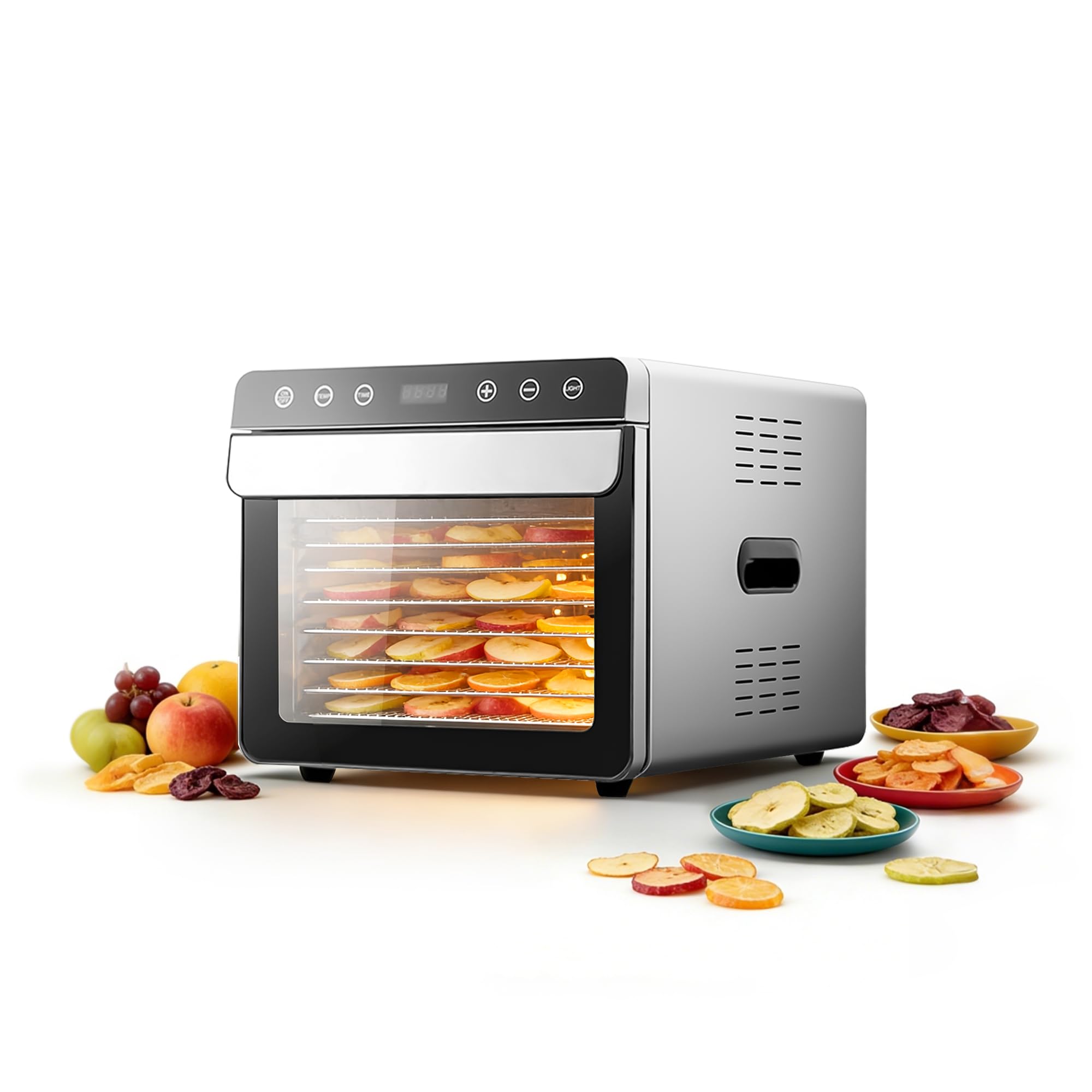
Gas Burners for Food Drying Equipment in Indonesia: Ultimate Guide

Credit: hakkabros.com

Gas Burners for Food Drying Equipment in Indonesia: Ultimate Guide

Credit: zhongliweiye.en.made-in-china.com

Frequently Asked Questions

What Types Of Gas Burners Are Used For Food Drying In Indonesia?

In Indonesia, LPG and natural gas burners are commonly used for food drying. These burners provide efficient, controllable heat ideal for drying various food products while maintaining quality and safety.

How Do Gas Burners Improve Food Drying Efficiency?

Gas burners offer precise temperature control and quick heat generation. This results in faster drying times and energy savings, essential for large-scale food drying operations in Indonesia.

Are Gas Burners Safe For Food Drying Equipment?

Yes, modern gas burners designed for food drying are safe when properly installed. They feature safety controls to prevent leaks and ensure consistent heat, protecting both operators and products.

What Maintenance Is Required For Gas Burners In Indonesia?

Regular cleaning, inspection, and burner tuning are essential. Proper maintenance ensures optimal performance, reduces fuel consumption, and extends the lifespan of food drying equipment.

Conclusion

Choosing the right gas burner improves food drying efficiency in Indonesia. Reliable burners save energy and maintain consistent heat. This leads to better quality dried food products. Many local suppliers offer burners suited to various fuels like LPG and natural gas.

Simple, effective equipment supports small and large food businesses alike. Investing in good gas burners helps growers and producers thrive. Quality drying ensures food lasts longer and meets market demands. Clean, controlled heat makes a big difference in drying results.

Consider burner options carefully to match your drying needs. The right choice supports sustainable and profitable food processing.
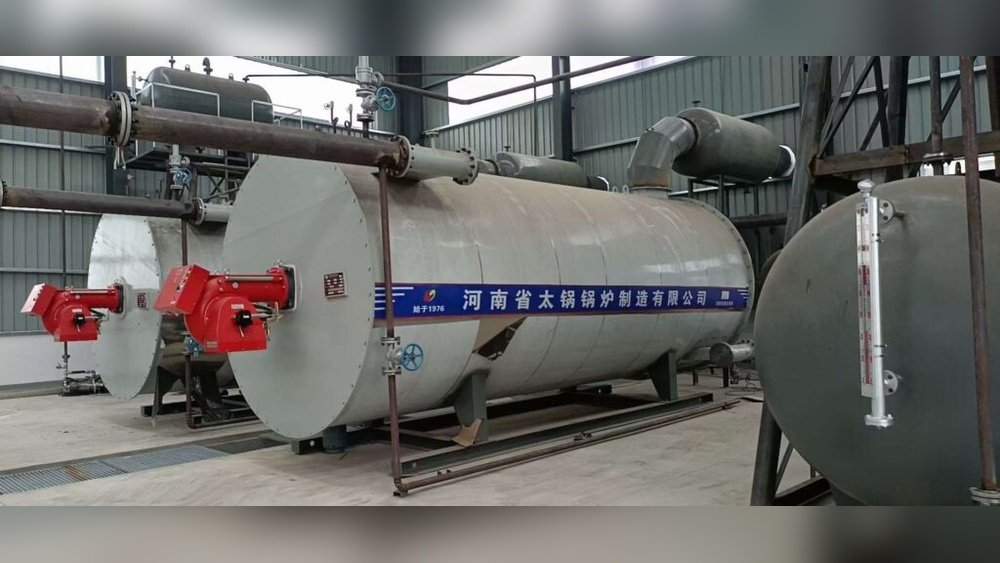
Industrial Heating Solutions for Indonesia Factories: Boost Efficiency Now

If you run a factory in Indonesia, you know how crucial reliable heating solutions are for your operations. Whether you need to maintain precise temperatures in production lines or ensure energy efficiency, the right industrial heating system can make all the difference.

But with so many options available—like industrial ovens, furnaces, and thermal oil heaters—how do you choose what fits your factory’s unique needs? You’ll discover practical insights and expert tips to help you find the best industrial heating solutions tailored specifically for Indonesian factories.

Keep reading to unlock ways to boost your productivity, reduce costs, and stay ahead in your industry.

Industrial Heating Solutions for Indonesia Factories: Boost Efficiency Now

Credit: process.honeywell.com

Heating Needs In Indonesian Factories

Factories in Indonesia require reliable heating systems to maintain smooth operations. Many industrial processes depend on consistent and efficient heat. Heating plays a vital role in manufacturing, food processing, and metalwork. Proper heating ensures quality products and reduces downtime. Factories face unique challenges due to Indonesia’s climate and energy infrastructure. Choosing the right heating solution helps factories save energy and costs. Industrial heating also supports safety and environmental compliance.

Common Industrial Heating Challenges

High humidity and tropical temperatures affect heating system performance. Factories must control heat without raising indoor temperatures too much. Maintenance is difficult due to dust and corrosive environments. Energy costs can be unpredictable in some regions. Heating equipment needs to be durable and easy to repair. Factories also seek systems with fast heat-up times and precise control. Finding heating solutions that match process needs is critical.

Key Industries Using Heating Solutions

Indonesia’s main industries rely heavily on heating technology. The palm oil sector uses heat for drying and refining. Textile factories need heat for dyeing and finishing fabrics. Food and beverage plants apply heating to cook and sterilize products. Metal processing facilities depend on furnaces and ovens for shaping metals. Chemical manufacturers use heat in reactions and processing. Each industry has different temperature and energy demands.

Energy Sources In Indonesia

Indonesia offers a mix of energy sources for industrial heating. Natural gas is widely available and popular for boilers and furnaces. Coal remains a common fuel in larger factories. Electricity powers many electric heaters and thermal oil systems. Some factories explore renewable options like biomass and geothermal energy. The choice depends on cost, availability, and environmental goals. Efficient energy use reduces factory expenses and emissions.

Industrial Heating Solutions for Indonesia Factories: Boost Efficiency Now

Credit: www.siemens-energy.com

Types Of Industrial Heating Systems

Industrial heating systems play a crucial role in Indonesia’s factories. They provide the heat necessary for manufacturing, processing, and other operations. Choosing the right heating system improves efficiency and lowers costs. Various types of industrial heating systems serve different needs and energy sources. Understanding these types helps factory managers select the best option.

Steam Heating Systems

Steam heating systems use steam to transfer heat. Boilers generate steam by heating water. The steam moves through pipes to heat equipment or space. This method is common in textile and food factories. Steam heating offers quick, uniform heat and is easy to control.

Fuel Combustion Heating

Fuel combustion heating burns fuels like natural gas, oil, or coal. The heat from burning fuels heats air or liquids. This system suits large factories needing high heat levels. It is cost-effective but requires proper ventilation. Regular maintenance ensures safe and efficient operation.

Electric Heating Elements

Electric heating elements convert electricity into heat. They include resistance wires and heating coils. These elements offer precise temperature control and fast response. Electric heating is clean and easy to install. It is ideal for small to medium-sized industrial processes.

Thermal Fluid Heating

Thermal fluid heating uses hot liquids to transfer heat. Heated thermal oil or other fluids circulate through pipes. This system provides stable and even heat at high temperatures. It is common in chemical and manufacturing industries. Thermal fluid heating reduces energy consumption and improves safety.

Heat Recovery Solutions

Heat recovery systems capture waste heat from industrial processes. They reuse this heat to warm other parts of the factory. This method saves energy and lowers operating costs. Heat recovery suits factories with large heat demands. It supports sustainable and eco-friendly manufacturing.

Popular Heating Equipment In Indonesia

Factories in Indonesia use various heating equipment to meet industrial needs. These tools help control temperature and improve production quality. Choosing the right heating device saves energy and boosts efficiency.

Several heating systems have gained popularity due to their reliability and suitability for different factory processes. Below are some commonly used heating equipment in Indonesian factories.

Industrial Ovens And Furnaces

Industrial ovens and furnaces provide controlled heating for manufacturing tasks. They are essential in processes like drying, curing, and heat treatment. These ovens can handle high temperatures and maintain consistent heat levels. Indonesian factories often rely on these for metalworking and ceramics production.

Induction Furnace Systems

Induction furnace systems use electromagnetic fields to melt metals. They are energy-efficient and offer precise temperature control. These systems reduce pollution compared to traditional fuel-based furnaces. Many Indonesian metal foundries prefer induction furnaces for their speed and clean operation.

Tubular Heaters

Tubular heaters are electric heating elements shaped like tubes. They fit into various equipment for heating air, liquids, or solids. These heaters are durable and easy to install. Factories in Indonesia use tubular heaters in machinery, ovens, and water heaters.

Infrared Gas Burners

Infrared gas burners emit radiant heat for quick and even warming. They are ideal for drying, baking, and curing processes. These burners consume less fuel and produce less smoke. Indonesian industries use infrared burners to improve heating efficiency and reduce costs.

High-efficiency Boiler Systems

High-efficiency boiler systems generate steam or hot water for factory heating. They use fuel and technology to maximize heat output with minimal waste. These boilers help maintain stable temperatures in production lines. Many Indonesian factories upgrade to efficient boilers for energy savings and lower emissions.

Benefits Of Modern Heating Solutions

Modern heating solutions bring many advantages to factories in Indonesia. These systems use new technology to improve how factories run. They help save energy, cut costs, and raise product quality. Worker safety also gets better with advanced heating methods. These benefits make factories more competitive and efficient in a busy market.

Boosting Energy Efficiency

Modern heating systems use energy more wisely. They deliver heat exactly where it is needed. This reduces waste and lowers energy use. Efficient heating means less fuel is burned. Factories save money on electricity and gas bills. These systems often include smart controls to adjust heat automatically. This keeps energy use at the lowest possible level.

Reducing Operational Costs

New heating technology cuts down factory costs. Using less energy means smaller utility bills. Maintenance costs drop because modern systems are more reliable. They need fewer repairs and last longer. Factories spend less on fuel and parts. This helps free up budget for other important needs. Lower costs improve overall business profits.

Enhancing Production Quality

Precise heating improves the quality of factory products. Consistent temperature ensures materials are processed correctly. This reduces defects and waste in production. Better heat control leads to stronger and more reliable products. Factories can meet strict quality standards easily. Customers receive better goods, raising satisfaction and trust.

Improving Worker Safety

Modern heating systems improve safety for factory workers. They reduce the risk of burns and accidents. New equipment often has safety guards and automatic shutoffs. Heat is controlled more carefully, lowering dangerous hot spots. Better air quality results from cleaner heating methods. Safe workplaces protect workers and reduce downtime.

Sustainable Heating Technologies

Sustainable heating technologies are transforming industrial heating in Indonesia. Factories seek solutions that save energy and cut costs. These technologies also reduce environmental impact. They help industries meet strict regulations and improve efficiency.

Adopting sustainable heating supports Indonesia’s goals for cleaner energy use. It promotes long-term growth while protecting natural resources. Factories can use modern systems that blend technology and green energy. These innovations offer reliable heat with less pollution.

Electric Heating Advances

Electric heating systems are becoming more efficient and affordable. New electric heaters provide precise temperature control for factory processes. They reduce energy waste and improve safety. Advances in materials and design extend their lifespan. Factories using electric heating cut reliance on fossil fuels.

Renewable Energy Integration

Factories now combine heating systems with solar and biomass energy. Solar thermal panels can supply heat directly to industrial processes. Biomass boilers use agricultural waste to produce heat sustainably. This integration lowers operational costs and carbon footprints. It also supports local energy independence.

Emission Reduction Strategies

Reducing emissions is key to sustainable industrial heating. Factories install advanced filters and scrubbers on heating units. These devices capture harmful gases before release. Using cleaner fuels like natural gas helps cut emissions too. Regular maintenance ensures heating systems run cleanly and efficiently.

Industrial Heating Solutions for Indonesia Factories: Boost Efficiency Now

Credit: global.kawasaki.com

Choosing The Right Heating System

Choosing the right heating system is crucial for factory efficiency and safety. A well-selected system ensures consistent temperature control and lowers energy costs. It also supports production quality and worker comfort. Several factors influence the best heating choice for Indonesian factories. This section breaks down key points to consider during selection.

Assessing Factory Requirements

Start by understanding your factory’s size and layout. Different areas may need varied heat levels. Consider the materials processed and their heating sensitivity. Identify peak production times and heat demand cycles. This helps match the heating system to actual factory needs. Avoid oversizing or undersizing the system to save energy and costs.

Evaluating Equipment Reliability

Choose heating equipment known for durability and consistent performance. Reliable systems reduce downtime and repair costs. Look for brands with strong local support and spare parts availability. Check reviews or case studies from similar factories. Reliable equipment improves factory productivity and safety.

Considering Maintenance Needs

Review the maintenance demands of each heating option. Some systems require frequent checks and part replacements. Others run longer without intervention. Easy maintenance lowers labor costs and avoids unexpected shutdowns. Factor in local technical expertise for repairs. A system with simple maintenance suits busy factories better.

Budget And Roi Considerations

Calculate the initial investment and operating costs for each system. Energy consumption and fuel type affect long-term expenses. Balance upfront cost against expected savings and lifespan. A higher initial price may bring better efficiency and lower bills. Aim for a heating solution that pays back within a reasonable time.

Leading Industrial Heating Providers In Indonesia

Indonesia’s industrial sector demands reliable heating solutions to boost production and efficiency. Leading industrial heating providers serve a vital role in meeting these needs. They offer a range of products and services tailored to factory environments across the country.

These providers combine local expertise with global technology. Their focus includes system design, installation, and ongoing support. Factories gain access to advanced heating equipment that fits specific industrial processes. This ensures energy efficiency and consistent performance.

Local Manufacturers And Suppliers

Local manufacturers in Indonesia produce a wide array of industrial heating equipment. They specialize in industrial ovens, furnaces, and thermal oil heating systems. These suppliers understand the unique needs of Indonesian factories. Their proximity allows for faster delivery and on-site service. They also provide components tailored to regional industry standards.

International Technology Partners

Many Indonesian providers partner with global technology firms. These partnerships bring cutting-edge heating technology to local factories. International partners supply advanced induction furnaces and electric heating elements. They help upgrade factory processes and reduce energy consumption. Collaboration ensures compliance with international safety and quality standards.

Customization And Support Services

Customization is key for industrial heating solutions. Providers offer tailored systems based on factory size and production type. They design heating units to meet precise temperature and timing requirements. Support services include installation, maintenance, and troubleshooting. Continuous support helps factories avoid downtime and optimize performance.

Installation And Maintenance Tips

Proper installation and maintenance of industrial heating systems ensure long-term efficiency. Factories in Indonesia benefit from reliable heating solutions with fewer breakdowns. Following practical tips can save time and reduce costs. Understanding how to install, maintain, and troubleshoot these systems supports smooth factory operations.

Proper System Installation

Begin by selecting the right heating system for your factory’s needs. Ensure all components meet local safety and quality standards. Install equipment on stable, level surfaces to prevent damage. Connect electrical and fuel lines following manufacturer instructions. Test the system thoroughly before full operation. Proper installation prevents leaks and energy loss.

Routine Maintenance Practices

Schedule regular checks to keep the system running efficiently. Clean filters, ducts, and heating elements to avoid blockages. Inspect electrical connections for wear or corrosion. Lubricate moving parts to reduce friction and wear. Replace worn or damaged parts promptly. Document all maintenance activities for future reference.

Troubleshooting Common Issues

Watch for uneven heating or unusual noises as warning signs. Check fuel supply and electrical connections first. Clean or replace clogged filters to restore airflow. Reset controls and sensors if the system stops unexpectedly. Consult the manual for error codes and fixes. Contact professionals for complex repairs beyond basic troubleshooting.

Training And Safety Protocols

Train staff on proper system operation and emergency procedures. Emphasize the importance of using personal protective equipment. Keep clear access to heating units and control panels. Establish a routine for reporting issues immediately. Conduct safety drills to prepare for possible hazards. Regular training reduces accidents and equipment damage.

Future Trends In Industrial Heating

The industrial heating sector in Indonesia is evolving rapidly. Factories seek efficient, reliable, and eco-friendly heating solutions. Future trends focus on smarter, more connected, and energy-saving systems. These innovations aim to reduce costs and environmental impact while boosting productivity.

Smart Heating Systems

Smart heating systems use sensors and data to adjust temperatures automatically. They optimize heat delivery based on real-time factory needs. This reduces energy waste and improves product quality. Factories benefit from precise control and lower operating costs. Smart systems also offer easy remote monitoring and maintenance.

Automation And Iot Integration

Automation links industrial heating with factory machinery for seamless operation. Internet of Things (IoT) devices collect data from heating equipment continuously. This data helps detect faults early and schedule preventive maintenance. IoT integration supports better decision-making and increases system uptime. It also enables energy use tracking for better efficiency.

Energy Storage Solutions

Energy storage allows factories to save heat for later use. Thermal energy storage reduces peak energy demand and lowers costs. It helps balance power supply, especially with renewable energy sources. Stored heat can be released when needed, ensuring steady production. This trend supports cleaner energy and enhances system reliability.

Frequently Asked Questions

How To Heat A Large Factory?

Heat a large factory using industrial heating systems like steam, fuel combustion, electric, or thermal-fluid heaters. Choose based on energy efficiency and factory size. Install industrial ovens or furnaces for targeted heating. Use heat recovery systems to reduce energy costs and maintain consistent temperatures.

Who Is The Largest Gas Producer In Indonesia?

Pertamina is the largest gas producer in Indonesia. The state-owned company dominates domestic gas production and distribution.

What Is Indonesia Famous For Producing?

Indonesia is famous for producing palm oil, coffee, rubber, textiles, coal, and industrial heating equipment like ovens and furnaces.

Which One Is Also Used In Heating In Industrial Processes?

Steam heating systems, fuel combustion, electric heating, thermal-fluid heating, and heat recovery systems also heat industrial processes.

Conclusion

Choosing the right industrial heating solutions boosts factory efficiency and lowers costs. Reliable heating systems help maintain product quality and meet production goals. Factories in Indonesia benefit from technology suited to local energy sources and climate. Simple, effective heating keeps operations running smoothly every day.

Investing in proper heating equipment supports long-term growth and success.

Industrial Burner Applications in Indonesia’s Manufacturing Sector: Key Innovations

If you’re involved in Indonesia’s manufacturing sector, understanding how industrial burners play a crucial role can transform your operations. These powerful devices are at the heart of many manufacturing processes, delivering the heat and energy needed to keep production running smoothly and efficiently.

But what exactly makes industrial burners so essential? And how can you leverage their applications to boost productivity, cut costs, and meet growing environmental standards? Keep reading to discover how industrial burners are shaping Indonesia’s manufacturing landscape and why they should matter to you.

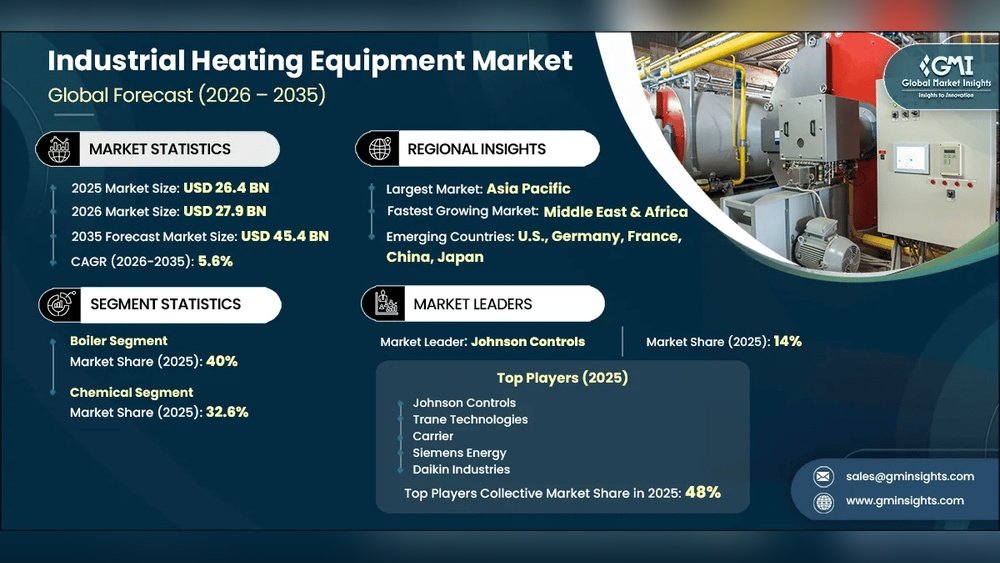
Industrial Burner Applications in Indonesia's Manufacturing Sector: Key Innovations

Credit: www.gminsights.com

Industrial Burners In Indonesia

Industrial burners play a crucial role in powering Indonesia’s manufacturing industry. These devices generate controlled heat essential for processes like metal forging, chemical production, and food processing. Understanding how industrial burners fit into Indonesia’s manufacturing landscape can help you optimize your operations and reduce energy costs.
Manufacturing Sector Overview

Indonesia’s manufacturing sector is diverse, ranging from textiles and electronics to cement and food production. The country’s rapid industrial growth has increased demand for efficient heating solutions. Industrial burners are at the heart of many manufacturing processes, providing reliable and cost-effective heat.

In sectors like cement manufacturing, burners help achieve the high temperatures needed for kiln operation. Meanwhile, in food processing, precise temperature control ensures product quality and safety. Have you considered how upgrading your burners could improve your manufacturing efficiency?

Key Burner Types Used

Several types of industrial burners are popular in Indonesia, each suited to different manufacturing needs. The most common include:

  • Gas burners: Known for clean combustion and easy control, ideal for food and chemical industries.
  • Oil burners: Widely used in heavy industries where high heat output is necessary.
  • Infrared burners: Favored for uniform heating in processes like powder coating and drying.
  • Dual-fuel burners: Offer flexibility by switching between gas and oil depending on availability and cost.

Choosing the right burner type depends on your production process, fuel availability, and environmental regulations. Have you evaluated which burner technology aligns best with your operational goals?

Energy Efficiency Advances

Energy efficiency advances are transforming Indonesia’s manufacturing sector. Industrial burners play a key role in reducing fuel use and emissions. New technologies help factories save energy and cut costs.

Improving burner performance means less waste and better heat control. These changes support Indonesia’s goals for cleaner production and sustainability. Factories adopting energy-saving burners gain a competitive edge in the market.

Low-emission Technologies

Low-emission burners reduce harmful gases like nitrogen oxides and carbon monoxide. They use cleaner fuel combustion methods to limit pollution. Many Indonesian manufacturers now install these burners to meet environmental rules.

These technologies improve air quality inside and outside factories. They also help companies avoid fines and shutdowns. Efficient burners use less fuel while producing the same heat output, saving money and energy.

Automation And Control Systems

Modern burners come with automation that controls fuel flow and flame size. Sensors monitor temperature and adjust the burner in real time. This precise control prevents overheating and fuel waste.

Automated systems also reduce manual errors and maintenance needs. Indonesian plants benefit from smoother operations and lower emissions. The data collected helps managers optimize energy use continuously.

Infrared Gas Burner Applications

Infrared gas burners play an important role in Indonesia’s manufacturing sector. They provide efficient and even heat, which is essential for many industrial processes. These burners use infrared radiation to transfer heat directly to materials. This method reduces energy waste and speeds up production. Many industries in Indonesia rely on these burners for their heating needs.

Powder Coating Processes

Infrared gas burners improve powder coating by providing fast and uniform heating. The burners help cure the coating evenly on metal surfaces. This results in a strong and smooth finish. The quick heating reduces the time needed for curing. It also lowers energy costs compared to traditional heating methods. Manufacturers in Indonesia use infrared burners to enhance product quality and efficiency.

Food Processing Industry

In the food processing industry, infrared gas burners offer precise temperature control. This helps in drying, baking, and cooking food products evenly. The burners ensure consistent heat, which maintains product quality. Infrared heating also reduces contamination risks by limiting direct contact. Many Indonesian food producers use these burners to improve production speed and safety.

Innovations In Burner Design

Innovations in burner design have greatly impacted Indonesia’s manufacturing sector. New designs improve efficiency and reduce fuel use. These changes help factories save money and lower emissions. Advances also support Indonesia’s goals for cleaner industry and sustainable growth.

Compact And Modular Systems

Modern burners are smaller and easier to install. Compact designs fit into tight spaces in factories. Modular systems allow quick assembly and repair. Factories can add or remove modules to match production needs. These features reduce downtime and maintenance costs. Compact burners also improve safety by minimizing exposed parts.

Improved Heat Distribution

New burner designs spread heat evenly across surfaces. Better heat distribution ensures consistent product quality. It prevents hot spots that can damage materials. Uniform heating saves fuel by reducing overheating. This innovation supports precise temperature control for sensitive processes. It also extends the life of manufacturing equipment.

Decarbonizing Manufacturing

Indonesia’s manufacturing sector faces growing pressure to reduce carbon emissions. Decarbonizing manufacturing processes is vital for a cleaner environment. Industrial burners play a key role in this transition. They provide heat for various manufacturing steps but also emit greenhouse gases. Improving burner technology and fuel sources helps lower emissions without harming productivity.

Cleaner Combustion Methods

Cleaner combustion methods cut harmful emissions from industrial burners. These methods improve fuel efficiency and reduce pollutants like carbon monoxide and nitrogen oxides. Techniques such as staged combustion and flue gas recirculation optimize flame stability and temperature. This leads to more complete fuel burning and fewer emissions. Upgrading burners with advanced control systems also enables precise fuel-air mixing. Indonesian manufacturers adopting these technologies see lower fuel costs and better air quality.

Renewable Fuel Integration

Renewable fuel integration offers new paths to decarbonize manufacturing. Industrial burners can use biofuels, hydrogen, or biogas instead of fossil fuels. These renewable sources emit less or zero carbon dioxide during combustion. Indonesia’s abundant biomass resources support biofuel production on a large scale. Switching to renewable fuels reduces dependence on imported coal and oil. It also aligns with government goals for sustainable industry growth. Gradual fuel blending allows manufacturers to adapt burners without major disruptions.

Industrial Burner Market Trends

The industrial burner market in Indonesia is evolving rapidly. Many industries in the manufacturing sector rely on these burners for heating and processing. Market trends show a shift towards energy efficiency and cleaner technologies. Manufacturers seek solutions that lower costs and reduce emissions. This demand influences product development and sales strategies. Understanding these trends helps businesses stay competitive and meet regulatory requirements.

Rising Demand Factors

Indonesia’s growing manufacturing base drives demand for industrial burners. Rising production in sectors like food processing, chemicals, and metal works needs reliable heat sources. Strict government policies push for energy-efficient equipment. Companies want burners that offer fuel savings and lower emissions. The focus on sustainability encourages adopting advanced burner technologies. Increasing exports also require consistent and high-quality manufacturing processes. These factors together boost the industrial burner market steadily.

Regional Growth Patterns

Java island leads Indonesia’s industrial burner market growth. It hosts many manufacturing hubs and industrial zones. Sumatra and Sulawesi show emerging opportunities due to new factories. Regions with better infrastructure attract more investments. Urban areas see higher demand for modern burner systems. Government incentives promote industrial development in select provinces. Regional growth is uneven but expanding, reflecting Indonesia’s overall economic progress.

Future Opportunities

The manufacturing sector in Indonesia is evolving rapidly, creating fresh prospects for industrial burner technologies. Future opportunities lie in enhancing efficiency and cutting emissions. Industries are keen on adopting new solutions that offer precise control and energy savings.

These advancements promise to reshape how manufacturers manage heat and combustion processes. Innovations in burner technology will support sustainable growth and meet stricter environmental rules. The future holds great potential for integrating smart systems and expanding burner uses across different industries.

Smart Burner Technologies

Smart burner technologies use sensors and automation to improve performance. They adjust fuel and air flow in real time, ensuring optimal combustion. This technology reduces fuel waste and lowers emissions significantly. Manufacturers benefit from lower operational costs and better product quality. Smart burners also provide data for predictive maintenance, avoiding unexpected downtime. In Indonesia’s factories, these systems can enhance energy management and support sustainability goals.

Cross-sector Applications

Industrial burners serve many sectors beyond traditional manufacturing. They are vital in food processing, chemical production, and metalworking. Each sector requires tailored burner solutions to meet specific needs. Expanding burner use into new industries boosts efficiency and lowers environmental impact. In Indonesia, cross-sector applications open doors for burner suppliers and service providers. This diversification supports the country’s broader industrial growth and energy goals.

Industrial Burner Applications in Indonesia's Manufacturing Sector: Key Innovations

Credit: www.sxburner.com

Industrial Burner Applications in Indonesia's Manufacturing Sector: Key Innovations

Credit: oxmaint.com

Frequently Asked Questions

What Are Common Industrial Burner Applications In Indonesia?

Industrial burners in Indonesia are used for heating, drying, and steam generation. They serve sectors like food processing, chemical manufacturing, and metalworking industries efficiently.

How Do Industrial Burners Improve Manufacturing Efficiency?

They provide consistent, controlled heat, reducing energy waste. This boosts production speed, product quality, and lowers operational costs in manufacturing plants.

Which Industries In Indonesia Use Industrial Burners Most?

Key users include food processing, textiles, chemicals, and metal fabrication industries. These sectors rely on burners for processes like drying, melting, and curing.

What Fuel Types Are Used In Indonesian Industrial Burners?

Natural gas, LPG, and diesel are common fuels. Choice depends on availability, cost, and specific manufacturing requirements.

Conclusion

Industrial burners play a vital role in Indonesia’s manufacturing sector. They help improve energy use and production speed. Many industries rely on them for consistent heat and better quality. Choosing the right burner boosts efficiency and lowers costs. As the sector grows, demand for advanced burners will rise.

This supports Indonesia’s goal of modern and sustainable manufacturing. Industrial burners remain key to stronger, smarter factories in the country.

Industrial Heating Technology Trends in South Korea: Innovations Unveiled

Are you ready to discover how South Korea is transforming industrial heating? If your business relies on efficient, cutting-edge heating technology, understanding these trends can give you a real advantage.

South Korea is leading the way with innovations that make heating systems smarter, greener, and more cost-effective. From energy-efficient solutions to smart, connected devices, these advancements could reshape how your industry manages heat. Keep reading to find out what’s driving these changes and how you can stay ahead in this fast-evolving market.

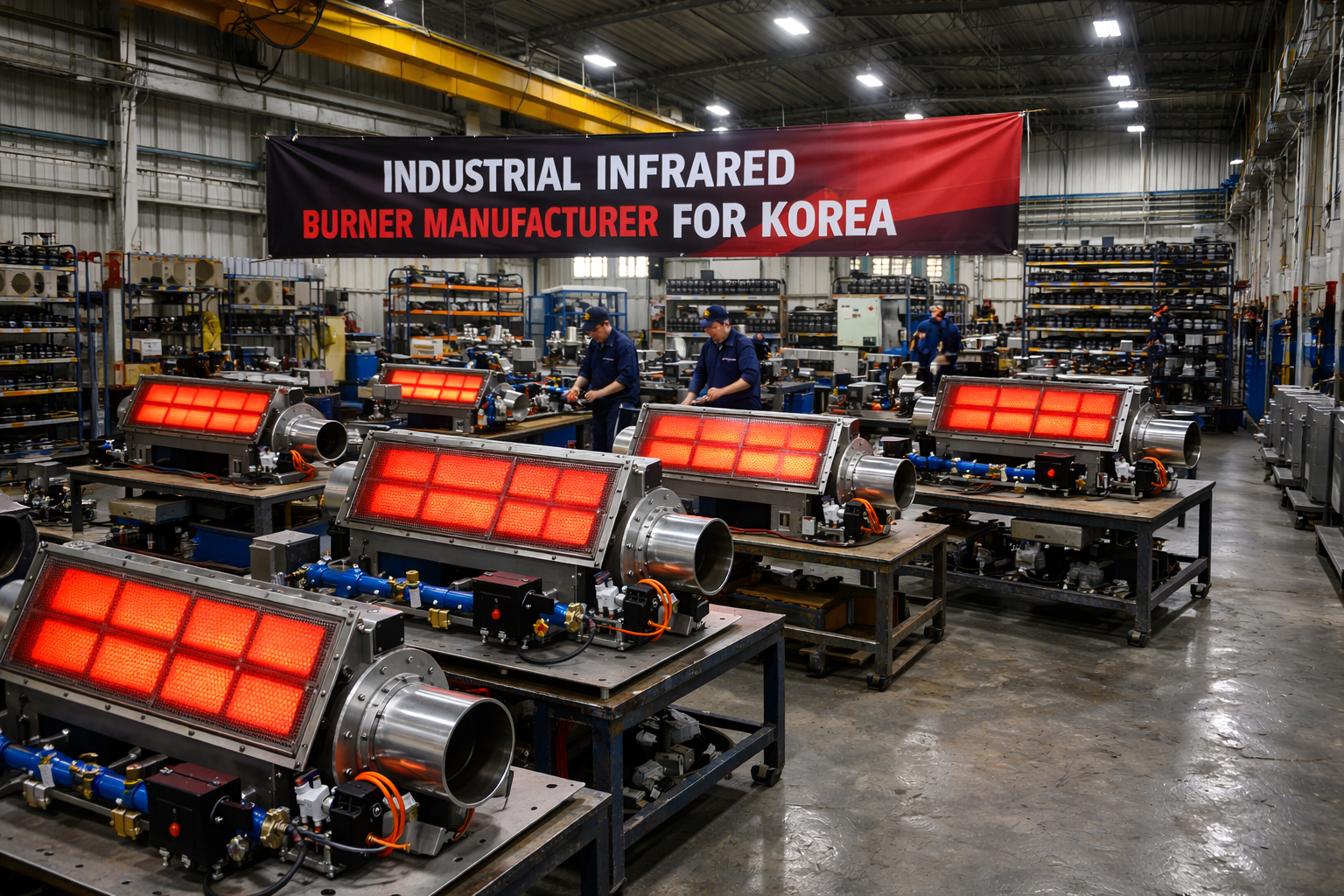
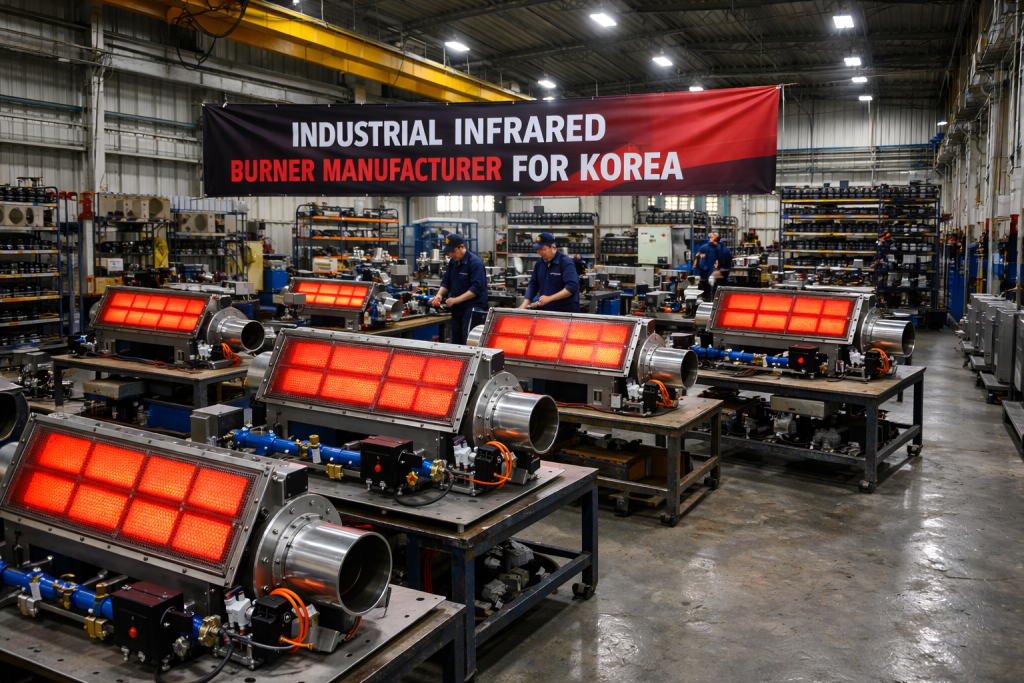
As South Korean manufacturers continue to adopt advanced and energy-efficient heating systems, choosing the right industrial equipment supplier becomes increasingly important. Hengyi works as an industrial infrared burner manufacturer for Korea, supplying infrared heating solutions for a range of industrial applications.

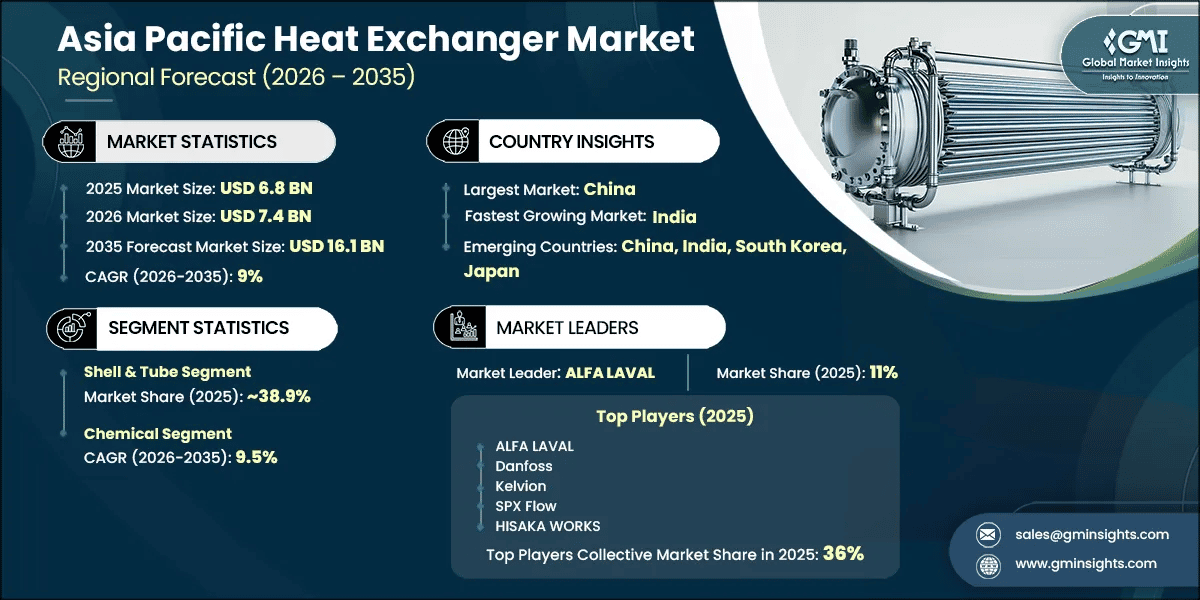
Industrial Heating Technology Trends in South Korea: Innovations Unveiled

Credit: www.gminsights.com

Heat Pump Innovations

South Korea is advancing rapidly in heat pump technology for industrial heating. Innovations focus on efficiency, cost savings, and reducing environmental impact. These changes support the country’s goals for cleaner energy and smart manufacturing. Heat pumps now play a key role in modern industrial processes.

Electric Vs Gas Heat Pumps

Electric heat pumps are gaining popularity due to lower emissions and easier integration with smart grids. They use electricity to move heat, making them efficient and cleaner. Gas heat pumps still have a place in industries needing high temperatures and quick heating. South Korea studies both types to find the best use for each sector. The shift toward electric models is steady but careful.

Integration With Renewable Energy

Heat pumps in South Korea increasingly connect with renewable energy sources. Solar and wind power supply electricity to run heat pumps, lowering carbon footprints. This integration helps industries reduce fuel use and costs. It also supports government policies on clean energy adoption. Renewables paired with heat pumps create a flexible and sustainable heating system.

Hybrid Energy Systems

Hybrid systems combine heat pumps with traditional heating methods like gas boilers. These systems balance efficiency and reliability, especially during peak demand. South Korea develops hybrid models to optimize energy use and cut emissions. This approach suits industries with varying heat needs throughout the year. Hybrid systems offer a practical path toward greener industrial heating.

Carbon-free Heat Sources

South Korea is shifting toward carbon-free heat sources to reduce industrial emissions. This change supports the country’s commitment to a cleaner environment and sustainable growth. Industries are adopting new heating technologies that lower carbon footprints and improve energy efficiency.

Carbon-free heat sources offer a reliable way to power factories without harmful gases. They use electricity or clean fuels, helping industries meet strict environmental standards. South Korea’s focus on these technologies sets a strong example for other nations.

Electric Boilers

Electric boilers replace traditional gas or oil boilers in factories. They use electricity to generate heat without burning fossil fuels. This switch cuts carbon emissions and lowers air pollution.

Electric boilers offer quick startup times and precise temperature control. They fit well in factories aiming for energy savings and cleaner operations. South Korea is investing in electric boiler technology for various industrial sectors.

Hydrogen Heating Technologies

Hydrogen heating uses hydrogen gas as a clean energy source. When burned, hydrogen produces only water vapor, not carbon dioxide. This makes it an ideal fuel for reducing industrial emissions.

South Korea explores hydrogen heating for heavy industries like steel and chemicals. The country supports hydrogen infrastructure development to boost adoption. These efforts aim to build a hydrogen-based economy with low carbon impact.

Roadmap For Low-carbon Solutions

South Korea has a clear plan to expand low-carbon heating technologies. This roadmap guides industries on adopting electric boilers and hydrogen heating. It includes targets for reducing emissions and improving energy use.

The government promotes research, subsidies, and regulations to support this transition. The roadmap helps industries plan investments and align with national climate goals. It ensures a steady move toward a sustainable industrial future.

Energy Efficiency Advances

South Korea leads the way in improving energy efficiency in industrial heating. New technologies focus on saving energy while maintaining high performance. These advances help industries reduce their carbon footprint and comply with stricter environmental rules.

Energy efficiency is no longer optional. It is vital for cost savings and sustainable growth. South Korean companies invest in smart systems and automation to optimize heating processes. These efforts cut waste and boost productivity.

Modern industrial facilities can improve heating efficiency by selecting the appropriate burner design and radiant heating system. Explore our infrared gas burner technology for different industrial heating requirements.

Iot-enabled Heating Solutions

Internet of Things (IoT) devices connect industrial heaters to digital networks. This connection allows real-time monitoring and control. Factories can track energy use and detect faults quickly. IoT systems adjust heat output based on demand, saving energy.

IoT-enabled heaters provide detailed data reports. Managers use this data to improve operations. Predictive maintenance reduces downtime and avoids costly repairs. South Korean industries adopt IoT to stay competitive and eco-friendly.

Smart Controls And Automation

Smart controls automate heating systems with precision. Sensors measure temperature and adjust settings automatically. Automation reduces human error and improves energy management. South Korean plants use these controls to maintain steady heat levels efficiently.

These systems learn from past performance and adapt over time. Automation supports flexible production schedules without wasting energy. Smart heating controls also integrate with other factory systems for better overall efficiency.

Reducing Operational Costs

Energy-efficient heating lowers fuel and electricity bills. South Korean industries save money by using advanced technologies. Reduced energy waste leads to lower operational costs. This saving allows reinvestment in further innovation.

Efficient heating systems require less maintenance and last longer. Fewer breakdowns mean less production loss. Companies benefit from improved reliability and stable costs. Energy efficiency drives sustainable industrial growth across South Korea.

The heating surface plays an important role in radiant heat distribution and burner performance. Explore our honeycomb ceramic burner plates for industrial infrared heating systems and customized applications.

Industrial Microwave Heating

Industrial microwave heating is gaining attention in South Korea’s manufacturing sector. This technology uses microwave energy to heat materials quickly and evenly. It offers precise control, reduces energy use, and speeds up production processes. Many industries in South Korea are exploring its benefits to improve efficiency and product quality.

Applications In Manufacturing

Microwave heating is widely used in food processing to cook and dry products faster. It also helps in curing plastics and composites with uniform heat. Electronics manufacturers use it to bond materials and remove moisture. The textile industry applies microwave energy for drying and finishing fabrics. These applications reduce production time and improve product consistency.

Infrared heating is used across a wide range of manufacturing sectors where fast, controlled, and efficient heat transfer is required. Learn more about infrared gas burners in industrial heating and their applications across different industries.

Technology Adoption Trends

South Korean industries are adopting microwave heating for its energy efficiency. Many factories integrate this technology with automation systems. IoT devices monitor and control microwave heating in real-time. Companies invest in research to develop new microwave heating methods. The trend moves towards greener and smarter manufacturing processes.

Market Growth Drivers

Rising demand for energy-saving solutions drives the market growth. Strict regulations on emissions push factories to use cleaner heating methods. The need for faster production cycles also supports adoption. Growing electronics and automotive sectors increase the use of microwave heating. Government incentives for green technology encourage investments in this area.

Policy And Market Trends

The industrial heating sector in South Korea is evolving rapidly due to dynamic policy and market trends. These changes shape how companies adopt new heating technologies. They also influence investment and innovation across industries.

South Korea’s government plays a key role by creating incentives and setting regulations. These efforts encourage cleaner, more efficient heating solutions. The market responds quickly, driving growth and competition.

Government Incentives

The South Korean government offers financial support to promote energy-efficient heating. Subsidies and tax breaks help businesses reduce costs. These incentives focus on adopting low-carbon and renewable energy technologies.

Programs target industries that use large amounts of heat. Support also extends to research and development in advanced heating systems. This boosts the local manufacturing of cutting-edge industrial heaters.

Regulatory Framework

Strict regulations guide emissions and energy use in industrial heating. South Korea enforces standards that promote clean energy transition. Companies must comply with limits on pollutants and energy consumption.

New rules encourage switching from fossil fuels to electric and hydrogen-based heating. These policies aim to lower carbon footprints and improve air quality. Regulations also foster innovation in heating technology design.

Impact On Industry Growth

Policy and market trends drive rapid growth in the industrial heating sector. Businesses invest more in efficient and eco-friendly heating equipment. This creates new opportunities for technology providers and manufacturers.

Industries adopting modern heating technologies see cost savings and better performance. The government’s support reduces risks for early adopters. Overall, these trends strengthen South Korea’s position as a leader in industrial heating innovation.

Future Outlook

The future of industrial heating technology in South Korea is full of promise. Rapid innovation and government support are driving change. This section explores key trends shaping the path forward.

Emerging Technologies

South Korea is adopting electric boilers and hydrogen-based heating solutions. These technologies reduce carbon emissions significantly. Integration with renewable energy sources is gaining pace. IoT-enabled systems improve energy efficiency and control. Smart sensors help monitor and optimize heating processes in real time. These advances aim to lower costs and environmental impact.

Challenges And Opportunities

High initial costs slow technology adoption in some sectors. Skilled workforce shortages limit rapid deployment of new systems. Energy infrastructure must upgrade to support electric and hydrogen heating. The government offers incentives to encourage green technology use. Companies have chances to lead in low-carbon heating markets. Collaboration between industry and research institutions drives innovation.

Global Competitiveness

South Korea competes strongly in industrial heating technology worldwide. Its focus on energy efficiency and clean solutions attracts global partners. Exporting advanced heating equipment boosts the economy. Local firms invest in research to stay ahead. International standards and regulations shape product development. Staying competitive means continuous innovation and adapting to market needs.

Industrial Heating Technology Trends in South Korea: Innovations Unveiled

Credit: straitsresearch.com

Frequently Asked Questions

What Are The Latest Industrial Heating Trends In South Korea?

South Korea is adopting energy-efficient and IoT-enabled heating solutions. Integration with renewable and hybrid energy systems is a key trend. Low-carbon technologies like electric boilers and hydrogen are gaining importance in industrial heating.

How Does South Korea Use Heat Pump Technology Industrially?

South Korea is expanding the use of electric heat pumps (EHPs) to replace gas heat pumps. This transition improves energy efficiency and reduces carbon emissions. Heat pumps integrated with renewables lower operational costs in industries.

Why Is South Korea Focusing On Carbon-free Heat Sources?

South Korea aims to reduce industrial carbon emissions by using carbon-free heat sources. This includes electric boilers, hydrogen, and renewable energy integration. The government supports roadmaps for low-carbon heating technologies to meet climate goals.

How Is Iot Influencing Industrial Heating In South Korea?

IoT enables real-time monitoring and control of heating systems in South Korean industries. This improves energy efficiency and predictive maintenance. IoT adoption helps optimize processes and reduce downtime in industrial heating technology.

Looking for Industrial Infrared Heating Solutions for South Korea?

The right heating technology depends on your production process, energy requirements, operating temperature, equipment configuration, and automation needs. If you are looking for industrial infrared burner solutions for the South Korean market, contact our team to discuss your project requirements.

Conclusion

South Korea leads in adopting advanced industrial heating technology. The focus remains on energy efficiency and low-carbon solutions. Integration of smart systems improves operational control and reduces costs. These trends support South Korea’s move towards greener industry practices. Businesses benefit from improved performance and environmental compliance.

Staying updated on these trends helps industries remain competitive. The future of industrial heating in South Korea looks sustainable and innovative.

Posted in general

Industrial Infrared Burners for Korean Manufacturing Companies: Boost Efficiency

If you’re part of a Korean manufacturing company, you know how crucial efficient and reliable heating solutions are for your production lines. Industrial infrared burners could be the game-changer your operations need.

These burners deliver fast, uniform heat directly to your materials, helping you save energy while boosting productivity. Imagine cutting down your processing times and improving product quality—all with a technology designed to fit the unique demands of Korean industries. Ready to discover how industrial infrared burners can transform your manufacturing process?

Let’s dive in.

Industrial Infrared Burners for Korean Manufacturing Companies: Boost Efficiency

Credit: hengyiburners.com

Benefits Of Infrared Burners

Infrared burners provide several benefits to Korean manufacturing companies. These burners use infrared radiation to heat objects directly. This method improves heating efficiency and supports precise process control.

Choosing infrared burners enhances production quality while lowering energy use. These advantages make them ideal for various industrial applications in Korea.

Energy Efficiency And Cost Savings

Infrared burners convert most fuel into usable heat. They heat surfaces directly without wasting energy on air heating. This feature lowers fuel consumption and reduces operational costs. Faster heating times mean higher production rates and less downtime. Korean manufacturers can save money while boosting output.

Uniform Heating And Process Control

Infrared burners deliver consistent heat across surfaces. This uniform heating prevents hot spots and material damage. Precise temperature control improves product quality and repeatability. Companies can maintain strict manufacturing standards with ease. Such control is essential for complex industrial processes.

Reduced Emissions And Environmental Impact

Infrared burners produce fewer harmful emissions than traditional burners. Lower fuel use means less carbon dioxide and pollutants released. This reduction helps Korean companies meet environmental regulations. Cleaner operations support a healthier workplace and community. Using infrared technology contributes to sustainable manufacturing.

Applications In Korean Manufacturing

Industrial infrared burners play a vital role in Korean manufacturing. These burners provide efficient, fast, and even heating. This technology suits many industrial processes. Korean factories use infrared burners to boost productivity and quality.

The ability to heat objects directly saves energy and time. Korean manufacturers benefit from better product finishes and lower costs. Below are key areas where infrared burners are widely applied.

Powder Coating And Surface Treatment

Infrared burners offer precise heat for powder coating lines. This ensures coatings cure evenly and strongly. Korean manufacturers achieve smooth, durable surfaces on metal parts. The fast heating reduces cycle times and energy use. Infrared heat improves adhesion and finish quality. It is ideal for automotive parts and electronics housings.

Food Processing And Drying

Infrared burners speed up drying in Korean food factories. They gently remove moisture without damaging products. This helps keep flavor, texture, and nutrients intact. Infrared heat suits snacks, grains, and seafood processing. The burners deliver consistent drying, reducing waste and improving shelf life.
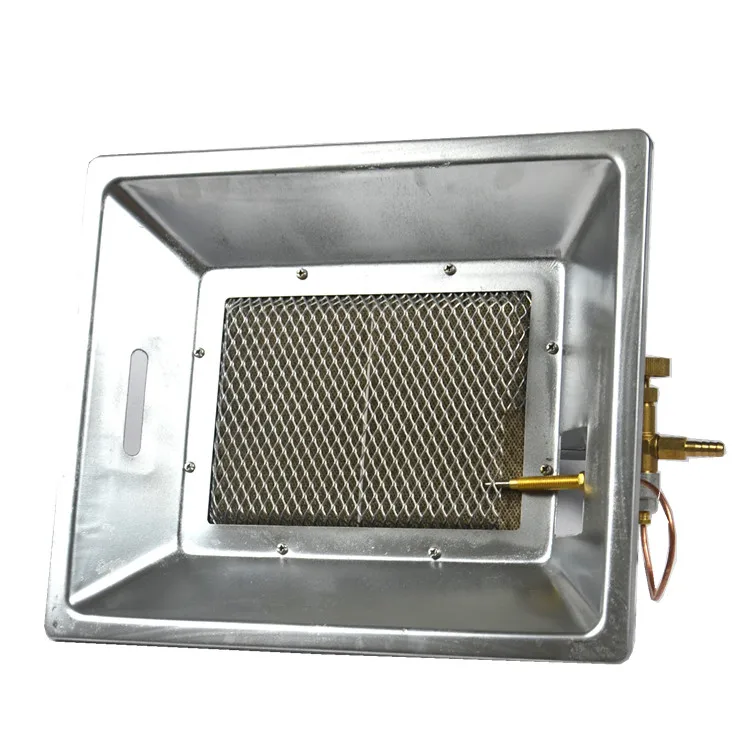
Automotive And Electronics Industries

Infrared burners support precise heating in automotive manufacturing. They cure paints, adhesives, and coatings quickly and cleanly. Korean plants use this technology to increase production speed. In electronics, infrared heat aids in soldering and component drying. This leads to better product reliability and lower defects.

Choosing The Right Infrared Burner

Choosing the right industrial infrared burner is key for Korean manufacturing companies. The burner must fit the specific needs of the process. Efficiency, durability, and fuel type all play a role. A proper selection can reduce costs and improve product quality. Understanding different burner types and installation needs helps make the best choice.

Metal Vs Ceramic Burner Types

Metal infrared burners offer fast heating and good durability. They handle high temperatures well and cool down quickly. Ceramic burners provide more uniform heat and better energy efficiency. They are ideal for delicate processes requiring steady temperature. Choose metal burners for heavy-duty work and ceramic for precision heating.

Fuel Options And Combustion Technology

Infrared burners use natural gas, propane, or other fuels. Natural gas is common for its clean burn and availability. Propane suits remote locations without gas lines. Modern combustion technology reduces emissions and saves fuel. Select a burner with efficient combustion to lower operating costs and meet regulations.

Sizing And Installation Considerations

Proper burner size ensures effective heating without wasting energy. Oversized burners consume more fuel and cause uneven heating. Undersized burners fail to meet process demands. Installation must allow safe fuel supply and ventilation. Space constraints and maintenance access affect burner placement. Work with experts to get correct sizing and installation.

Industrial Infrared Burners for Korean Manufacturing Companies: Boost Efficiency

Credit: www.twothousand.com

Maintenance And Safety

Maintaining industrial infrared burners is vital for smooth operation and safety in Korean manufacturing facilities. Proper upkeep extends burner life and ensures reliable performance. Safety measures protect workers and prevent accidents in industrial settings.

Routine Inspection And Cleaning

Check burners regularly for dirt and damage. Clean burner surfaces to remove dust and debris. Inspect gas connections and fuel lines for leaks. Replace worn parts immediately to avoid breakdowns. Keep burners free from soot buildup to maintain efficiency.

Safety Protocols For Industrial Use

Follow all safety guidelines when operating burners. Use protective gear such as gloves and goggles. Ensure proper ventilation to prevent gas buildup. Install safety shut-off valves and alarms. Train staff on emergency procedures and safe handling of burners.

Troubleshooting Common Issues

Identify unusual noises or flame irregularities early. Check fuel supply and pressure for consistency. Clean clogged nozzles to restore proper flame shape. Reset burners if automatic controls fail. Contact experts for complex repairs to avoid damage.

Future Trends In Infrared Heating

Infrared heating is evolving rapidly in the industrial sector. Korean manufacturers must keep up with the latest trends. These advancements improve productivity and reduce costs. The focus shifts towards smarter, greener, and more efficient infrared burners. Understanding these future trends helps businesses stay competitive and meet market demands.

Industrial infrared burners will integrate new technologies and adapt to stricter regulations. This ensures better performance and environmental compliance. Korean companies can expect innovations that enhance burner efficiency and support smart manufacturing systems.

Advancements In Burner Efficiency

Burner designs continue to improve for higher energy efficiency. New materials and engineering methods help reduce heat loss. Infrared burners now deliver more consistent and intense heat. This leads to faster processing times and lower fuel consumption. Manufacturers benefit from reduced operational costs and improved product quality.

Integration With Smart Manufacturing

Infrared burners are becoming part of automated production lines. Sensors and control systems monitor temperature and adjust heat output. This real-time data ensures precise heating and reduces waste. Smart integration allows predictive maintenance, avoiding unexpected downtime. Korean factories gain better control over their processes and improve overall efficiency.

Sustainability And Regulatory Developments

Environmental regulations are shaping the future of infrared heating. Burners must meet stricter emission standards and energy use limits. Manufacturers adopt greener technologies to lower their carbon footprint. Use of cleaner fuels and advanced combustion controls is increasing. These changes support sustainable manufacturing and comply with global regulations.

Local Support And Suppliers

Local support and suppliers are vital for Korean manufacturing companies using industrial infrared burners. Having nearby resources reduces downtime and improves maintenance speed. It ensures quick access to parts and expert help. This support boosts production efficiency and lowers operational risks.

Korean companies benefit from strong local networks offering tailored solutions. These networks connect businesses with reliable suppliers and skilled technicians. Both local and international manufacturers contribute to this ecosystem. Their collaboration provides diverse options and advanced technologies for Korean industries.

Korean And International Manufacturers

Several Korean manufacturers specialize in industrial infrared burners. They understand local market needs and offer customized products. These companies focus on energy efficiency and durability. International manufacturers also supply cutting-edge burner technology. They bring global experience and innovation to Korean factories.

Combining local expertise with international quality creates balanced options. Korean firms can choose burners suited to their specific production lines. This variety helps maintain competitive advantage in global markets.

Service And Technical Support Options

Service centers across Korea provide fast technical support for infrared burners. They handle installation, repair, and routine maintenance tasks. Trained technicians offer on-site assistance and remote troubleshooting. Spare parts are stocked locally to minimize delays in repairs.

Manufacturers often provide training programs for operators and maintenance staff. These programs improve safe and efficient burner use. Regular support helps prevent unexpected breakdowns. It also extends the lifespan of industrial infrared burners.

Case Studies Of Successful Implementations

A Korean automotive parts maker improved heating uniformity using infrared burners. This upgrade reduced fuel consumption and increased production speed. Another food processing company cut drying time significantly by switching to advanced burners. They also lowered emissions and met environmental regulations.

These examples highlight the benefits of local support combined with quality burners. They show how Korean companies can enhance productivity and reduce costs. Real-world success stories encourage wider adoption of infrared burner technology.

Industrial Infrared Burners for Korean Manufacturing Companies: Boost Efficiency

Credit: m.made-in-china.com

Frequently Asked Questions

What Are Industrial Infrared Burners Used For?

Industrial infrared burners provide direct and efficient heat. They are commonly used in manufacturing processes like drying, curing, and heating materials uniformly.

Why Choose Infrared Burners For Korean Manufacturing?

Infrared burners offer energy efficiency, faster heating, and precise temperature control. These benefits help Korean manufacturers reduce costs and improve product quality.

How Do Infrared Burners Improve Manufacturing Efficiency?

They deliver consistent heat directly to materials, reducing processing time. This leads to higher production rates and lower energy consumption.

Are Industrial Infrared Burners Environmentally Friendly?

Yes, infrared burners produce fewer emissions compared to conventional burners. Their efficient combustion minimizes fuel use, supporting cleaner manufacturing operations.

Conclusion

Industrial infrared burners help Korean manufacturers save energy and cut costs. They heat materials quickly and evenly, improving product quality. These burners fit many industries, from food processing to metalwork. Choosing the right burner boosts efficiency and supports cleaner production.

Investing in this technology can strengthen Korean manufacturing’s global position. Industrial infrared burners make processes simpler and more reliable. They meet modern demands while reducing environmental impact. Smart heating solutions drive progress in Korea’s factories today.

Oem Infrared Burner Manufacturing for Korean Equipment Builders: Precision Excellence

Are you a Korean equipment builder looking to elevate your product quality and efficiency? Choosing the right OEM infrared burner manufacturer can make all the difference in your equipment’s performance and reliability.

Infrared burners play a crucial role in heating processes, offering faster, cleaner, and more precise heat. But finding a manufacturing partner who understands your unique needs and delivers customized solutions isn’t always easy. You’ll discover how expert OEM infrared burner manufacturing can transform your equipment, streamline your production, and give you a competitive edge in the market.

Keep reading to learn what to look for and how to ensure your next infrared burner meets—and exceeds—your expectations.

Oem Infrared Burner Market In Korea

The OEM infrared burner market in Korea plays a vital role in the country’s industrial growth. Korean equipment builders rely on advanced infrared burner technology for their manufacturing needs. These burners provide efficient heating solutions for various industries. The demand for OEM infrared burners continues to rise as Korean manufacturers seek reliable and innovative components. Understanding the market landscape helps suppliers meet the unique needs of Korean builders.

Key Korean Equipment Builders

Major Korean equipment builders focus on quality and performance. Companies in sectors like automotive, electronics, and food processing use infrared burners. These builders require customized burners to fit their specific applications. Leading firms include Hyundai, LG, and Samsung, which invest in cutting-edge burner technology. They work closely with OEM manufacturers to ensure compatibility and efficiency.

Market Demand And Growth Trends

The demand for OEM infrared burners in Korea is steadily growing. Industries seek energy-efficient heating solutions to reduce costs. There is a shift towards eco-friendly and low-emission burners. Technological advancements drive innovation in burner design and materials. The market shows strong potential for expansion with increasing industrial automation. Suppliers who adapt to these trends will find success in Korea.

Oem Infrared Burner Manufacturing for Korean Equipment Builders: Precision Excellence

Credit: m.made-in-china.com

Precision Manufacturing Techniques

Precision manufacturing techniques are vital in producing OEM infrared burners for Korean equipment builders. These techniques ensure each burner meets strict performance and safety standards. They help create burners that deliver reliable heat and long-lasting operation. Every step focuses on accuracy and quality, improving the final product’s efficiency.

Advanced Material Selection

Choosing the right materials is key for burner durability and heat resistance. Manufacturers use metals that withstand high temperatures without warping. Corrosion-resistant alloys protect burners in harsh environments. This careful selection enhances burner lifespan and safety during operation.

High-accuracy Fabrication Processes

Fabrication uses precise cutting and welding methods to shape burner components. Computer-controlled machines ensure exact dimensions every time. This precision reduces errors and improves burner fit within equipment. Accurate fabrication results in consistent flame patterns and better heat distribution.

Quality Control Standards

Strict quality checks occur at every production stage to maintain high standards. Inspections test burner performance, safety, and material integrity. Defective parts are identified and removed early. This process guarantees that only reliable infrared burners reach Korean equipment builders.

Infrared Burner Design Features

Infrared burners used in Korean equipment require precise design features. These features improve performance and meet strict industrial standards. Manufacturers focus on making burners that save energy, reduce harmful emissions, and fit perfectly with various machines. Each design aspect plays a vital role in achieving high efficiency and reliability. Understanding these features helps equipment builders choose the right burner for their products.

Energy Efficiency Innovations

Infrared burners now use advanced materials to retain heat longer. This reduces fuel consumption and lowers operating costs. The burner design ensures even heat distribution, avoiding hot spots. Many models include adjustable flame controls for optimal energy use. These innovations help Korean equipment builders meet energy-saving goals and reduce waste.

Emission Reduction Technologies

New burners come with built-in emission controls to limit pollutants. Designs often feature low-NOx technology to reduce nitrogen oxide release. Some burners use special coatings that improve combustion and lower carbon monoxide output. These technologies support cleaner industrial processes and comply with environmental regulations. Korean manufacturers benefit from improved air quality and safer workplaces.

Customization For Equipment Compatibility

OEM infrared burners can be tailored to fit specific equipment needs. Custom sizing and mounting options ensure easy installation. Burner controls can be matched to existing system interfaces. Material choices vary to withstand different operating conditions. This flexibility helps Korean builders integrate burners smoothly without redesigning their equipment.

Collaboration With Korean Manufacturers

Collaboration with Korean manufacturers plays a vital role in OEM infrared burner manufacturing. Working closely with Korean equipment builders ensures products meet their exact needs and standards. This partnership helps deliver high-quality burners tailored for diverse industrial applications.

Effective teamwork streamlines the production process and strengthens market presence. It also allows for quick adaptation to new technologies and market demands. These collaborations build trust and long-term business relationships.

Tailored Oem Solutions

OEM infrared burner manufacturing focuses on creating custom solutions for Korean equipment builders. Each burner is designed to fit specific equipment requirements and performance goals. Manufacturers provide flexible designs to handle various fuels, sizes, and heat outputs.

Customization includes burner shape, material, and control options. Engineers work closely with Korean clients to ensure compatibility and efficiency. This approach guarantees that burners integrate seamlessly into their equipment.

Supply Chain Integration

Strong supply chain integration supports timely delivery and cost control. Manufacturers coordinate closely with Korean suppliers and logistics partners. This cooperation reduces lead times and avoids production delays.

Inventory management and quality control are synchronized between partners. Real-time communication helps resolve issues quickly. This creates a smooth workflow from raw materials to finished burners.

After-sales Support And Service

After-sales support is crucial for maintaining burner performance and customer satisfaction. Manufacturers provide technical assistance and training for Korean equipment builders. This helps with installation, troubleshooting, and maintenance.

Spare parts availability and repair services ensure minimal downtime. Ongoing support strengthens client confidence and promotes long-term cooperation. It also helps Korean builders optimize their equipment operation.

Applications Across Industries

Infrared burners play a crucial role in many industries worldwide. Korean equipment builders rely on OEM infrared burner manufacturing to meet diverse industrial needs. These burners provide efficient and reliable heat, improving production quality and speed. Their applications span several key sectors, each requiring specific heating solutions.

Industrial Heating Systems

Infrared burners are vital in industrial heating systems. They deliver consistent and controlled heat for processes like drying, curing, and heating metals. These burners help reduce energy costs and improve safety. Korean manufacturers trust OEM burners for their durability and performance in harsh environments. This ensures smooth operation and less downtime.

Foodservice Equipment

In foodservice, infrared burners provide even cooking heat. They are used in ovens, grills, and warmers to prepare food quickly and evenly. OEM burners help Korean equipment makers produce reliable cooking appliances. These burners also enhance energy efficiency and reduce heat loss. This leads to better food quality and lower operating costs.

Textile And Powder Coating Processes

Infrared burners support textile and powder coating industries with precise heat control. They speed up drying and curing, improving product finish and durability. Korean OEM manufacturers use infrared burners to meet strict process requirements. These burners enable faster production cycles and higher output quality. Their consistent heat output is essential for fine materials and coatings.

Oem Infrared Burner Manufacturing for Korean Equipment Builders: Precision Excellence

Credit: www.valmet.com

Challenges In Infrared Burner Manufacturing

Manufacturing infrared burners for Korean equipment builders presents several challenges. These burners must perform reliably under tough conditions. The production process demands precision and strict adherence to standards. Manufacturers face pressures from regulatory bodies, cost constraints, and rapid technology shifts. Understanding these challenges helps improve product quality and market success.

Meeting Strict Regulatory Requirements

Infrared burners must comply with national and international safety standards. Regulations cover emissions, materials, and energy efficiency. Manufacturers must keep up with evolving laws to avoid penalties. Testing and certification add time and cost to production. Meeting these requirements ensures safe operation and customer trust.

Balancing Cost And Quality

Producers strive to offer affordable burners without sacrificing durability. High-quality materials increase product lifespan but raise expenses. Cutting corners leads to early failures and warranty claims. Finding the right balance is crucial for competitiveness. Efficient designs and smart sourcing help manage costs while ensuring quality.

Adapting To Technological Advances

New technologies improve burner efficiency and reduce emissions. Manufacturers must integrate innovations into existing models quickly. Research and development require investment and skilled labor. Staying current with trends keeps products relevant in a fast-changing market. Adaptability enables companies to meet customer demands and industry standards.

Future Trends And Innovations

The future of OEM infrared burner manufacturing for Korean equipment builders holds exciting possibilities. Innovations focus on improving efficiency, reducing environmental impact, and expanding market reach. These trends aim to meet the evolving needs of industries relying on infrared heating technology.

Smart Burner Technologies

Smart burner technologies integrate sensors and controls for precise heat management. These burners adjust flame intensity automatically to save energy and boost performance. Real-time monitoring helps detect issues early, reducing downtime. Korean equipment builders benefit from burners that enhance safety and operational efficiency.

Sustainability And Green Manufacturing

Manufacturers prioritize eco-friendly materials and processes in burner production. Low-emission infrared burners minimize harmful gases and pollutants. Energy-efficient designs lower fuel consumption and operating costs. Green manufacturing practices help Korean builders meet strict environmental regulations and appeal to eco-conscious customers.

Global Market Expansion

Korean OEMs explore new markets worldwide to grow their business. Demand for infrared burners rises in industries like food processing, textiles, and automotive. Building strong partnerships with international suppliers and clients is key. Expanding globally encourages innovation and adaptation to diverse market needs.

Oem Infrared Burner Manufacturing for Korean Equipment Builders: Precision Excellence

Credit: hengyiburners.com

Frequently Asked Questions

What Is Oem Infrared Burner Manufacturing?

OEM infrared burner manufacturing involves producing custom burners for original equipment manufacturers. These burners are tailored to meet specific requirements of Korean equipment builders for optimal performance.

Why Choose Infrared Burners For Korean Equipment?

Infrared burners provide efficient, uniform heat and reduce energy consumption. They enhance equipment durability and improve process control in Korean industrial applications.

How Do Oem Burners Benefit Korean Equipment Builders?

OEM burners offer customization, ensuring compatibility with Korean equipment. This leads to improved product quality, reduced downtime, and enhanced operational efficiency.

What Industries Use Oem Infrared Burners In Korea?

Key industries include food processing, textile manufacturing, and powder coating. These sectors rely on infrared burners for fast, even heating and energy savings.

Conclusion

Choosing the right OEM infrared burner manufacturer boosts equipment quality. Korean builders benefit from precise, reliable burner designs. Strong partnerships ensure products meet specific industry needs. Efficient burners improve performance and reduce energy use. Trustworthy manufacturers deliver consistency and timely support.

This collaboration helps Korean equipment stand out globally. Quality burners lead to better customer satisfaction and success.

High-Efficiency Gas Burners for South Korea Factories: Boost Productivity

If you run a factory in South Korea, you know how crucial it is to keep your operations efficient and cost-effective. One key factor that often gets overlooked is the type of gas burners you use.

High-efficiency gas burners can make a huge difference in lowering your energy bills while boosting your production’s reliability. Imagine cutting fuel costs, reducing emissions, and improving performance all at once. Sounds like a win-win, right? You’ll discover why upgrading to high-efficiency gas burners is a smart move for your factory and how it can transform your bottom line.

Keep reading to find out what makes these burners stand out and how to choose the right one for your needs.

High-Efficiency Gas Burners for South Korea Factories: Boost Productivity

Credit: hengyiburners.com

Benefits Of High-efficiency Gas Burners

High-efficiency gas burners bring many benefits to factories in South Korea. They improve how energy is used and help reduce waste. These burners also lower costs and make factory operations safer. Factories can run cleaner and more smoothly with these advanced burners. The following sections explain the key benefits in detail.

Energy Savings

High-efficiency gas burners use less fuel to produce the same heat. This means factories consume less gas overall. Lower gas use helps conserve energy resources. It also reduces the need for frequent fuel purchases. Using energy wisely supports sustainable factory operations.

Lower Operational Costs

Using less fuel directly cuts down operational expenses. Factories spend less money on gas bills. Maintenance costs drop as burners run more efficiently. Efficient burners reduce wear and tear on equipment. These savings add up over time, improving factory profits.

Reduced Emissions

High-efficiency burners produce fewer harmful gases. This lowers pollution released into the air. Cleaner emissions help factories meet environmental regulations. Reduced emissions protect worker health and the surrounding community. Factories can improve their public image by using cleaner technology.

Improved Safety

Modern burners have better control systems and safety features. They reduce the risk of gas leaks and accidents. Proper combustion lowers the chance of dangerous explosions. Safe operation protects workers and factory assets. Safety improvements create a better work environment.

Applications In South Korean Factories

High-efficiency gas burners play a vital role in many South Korean factories. They provide reliable heat with less fuel. This reduces energy use and cuts costs. Factories across different industries benefit from these burners. Each industry uses them in ways that fit their specific needs.

Metal Processing

In metal processing, gas burners heat metals for shaping and treatment. They deliver steady, high temperatures needed for melting and forging. Efficient burners help save energy and improve product quality. They also reduce harmful emissions from the heating process.

Chemical Manufacturing

Chemical plants need precise temperature control for reactions. High-efficiency burners provide consistent heat for these processes. They help maintain safety by controlling combustion better. Lower fuel consumption also cuts production costs in chemical factories.

Food And Beverage Industry

Food factories use gas burners for cooking, drying, and sterilizing. Efficient burners ensure even heat and faster processing times. This keeps food safe and maintains taste and texture. Energy savings from burners help keep prices competitive.

Textile Production

Textile factories require heat for dyeing and finishing fabrics. High-efficiency burners offer reliable heat with less waste. They help factories reduce their carbon footprint. Consistent heat improves fabric quality and production speed.

Key Features Of Modern Gas Burners

Modern gas burners used in South Korea factories come with several key features. These features make them efficient, reliable, and easy to use. Factories benefit from lower fuel costs and reduced emissions. The design improvements also support safer factory operations. Below are the main features that define today’s high-efficiency gas burners.

Advanced Combustion Technology

Modern gas burners use advanced combustion technology. This technology ensures complete fuel burning. It reduces waste and harmful emissions. Improved flame stability helps maintain consistent heat. This stability is crucial for precise industrial processes. The technology also helps save energy by optimizing fuel use.

Durability And Reliability

Durability is a top priority for industrial burners. These burners are built with strong materials that resist corrosion and heat. Reliable operation means less downtime for factories. High-quality components extend the burner’s life span. This reduces maintenance costs and keeps production steady.

Automation And Control Systems

Automation improves burner performance and safety. Control systems adjust the fuel and air mix automatically. This keeps the burner running at peak efficiency. Sensors monitor flame conditions and detect faults early. Operators can control burners remotely, increasing convenience and safety.

Compact And Modular Designs

Modern gas burners have compact and modular designs. These designs save space in factories. Modular parts allow easy upgrades and repairs. Smaller footprints fit well in tight factory spaces. This flexibility supports various industrial setups and needs.

Choosing The Right Burner For Your Factory

Choosing the right high-efficiency gas burner is key for South Korea factories. The right burner saves energy and cuts costs. It also supports smooth production and reduces downtime. Consider several important factors to select the best burner for your factory needs.

Assessing Fuel Types

Check the types of fuel available at your factory site. Common fuels include natural gas, propane, and liquefied petroleum gas. Some burners work better with specific fuels. Using the correct fuel type improves burner performance and reduces emissions. Confirm local fuel supply stability before choosing your burner.

Matching Burner Capacity To Production Needs

Calculate the heat output your production process requires. A burner with too little capacity will slow down operations. One with excess capacity wastes fuel and energy. Choose a burner that fits your exact production scale. This balance ensures efficient and cost-effective operation.

Evaluating Efficiency Ratings

Look for burners with high thermal efficiency ratings. Higher efficiency means more heat is generated from the same fuel amount. This lowers fuel costs and reduces environmental impact. Check official efficiency certifications and test results to compare models. Select burners that offer long-term energy savings.

Considering Maintenance Requirements

Review how much maintenance the burner needs. Burners with simple designs usually require less upkeep. Frequent maintenance can increase downtime and costs. Choose burners with accessible parts and easy cleaning procedures. Reliable after-sales support also helps keep your burner running smoothly.

Top Manufacturers And Suppliers In South Korea

South Korea hosts a strong market for high-efficiency gas burners. Factories here demand reliable and energy-saving burner solutions. Many manufacturers and suppliers focus on quality and innovation to meet these needs. This section highlights the top providers in South Korea. They offer a mix of local expertise and global technology.

Local Industry Leaders

Several South Korean companies lead the market with advanced gas burner technology. Heungkuk Industries is notable for eco-friendly combustion solutions. They supply high-efficiency gas heaters and burners to diverse industries. These companies focus on energy savings and emission reductions. Their products undergo strict quality control to ensure durability. Local firms often tailor their products to specific factory requirements. They provide quick delivery and efficient support within South Korea.

Global Brands Available Locally

International brands also serve South Korean factories with high-quality burners. Companies like Zeeco bring global innovation and proven performance. These brands offer wide ranges of industrial burners for various applications. Their products meet international standards for efficiency and safety. Many have local offices or partners in South Korea. This presence helps factories access the latest technology easily. Global brands complement local manufacturers with diverse product options.

Support And Service Networks

Strong support networks are crucial for burner performance and maintenance. Top suppliers provide technical assistance and training programs. They ensure quick response times for repairs and parts replacement. Many companies maintain local service centers across South Korea. This reduces downtime and extends burner life. Factory managers benefit from expert advice on installation and operation. Reliable service networks build trust and improve customer satisfaction.

Installation And Integration Tips

Installing high-efficiency gas burners in factories requires careful planning. Proper integration ensures safety, performance, and energy savings. Following key steps helps smooth the process and maximizes benefits.

Site Preparation

Clear the installation area of debris and obstacles. Check the structural integrity of the mounting surface. Ensure sufficient space for burner access and maintenance. Confirm gas supply lines meet required pressure and flow rates. Arrange for proper ventilation to prevent gas buildup. Prepare electrical connections according to burner specifications.

Compliance With Safety Standards

Follow South Korea’s industrial safety regulations strictly. Use certified equipment and components to avoid hazards. Install safety valves and emergency shut-off systems. Conduct gas leak tests before operation. Ensure fire suppression systems are in place and functional. Keep documentation of safety checks and approvals.

Optimizing Burner Performance

Calibrate burners to match factory fuel type and load. Adjust air-to-fuel ratios for efficient combustion. Monitor flame stability and temperature regularly. Use automation controls for precise burner management. Schedule routine inspections and cleanings to maintain efficiency. Track energy consumption to identify improvement areas.

Training For Operators

Provide hands-on training on burner operation and safety. Teach how to spot early signs of malfunction. Explain emergency procedures clearly. Encourage regular communication with maintenance teams. Update training materials as technology advances. Support operators with easy-to-understand manuals and guides.

Future Trends In Industrial Gas Burners

Industrial gas burners are evolving rapidly to meet changing factory needs in South Korea. Future trends focus on cutting emissions, saving energy, and improving control. These advancements help factories run cleaner and smarter. The following sections highlight key trends shaping the future of gas burners in industry.

Eco-friendly Innovations

New burner designs aim to reduce harmful emissions like nitrogen oxides and carbon monoxide. Using low-NOx technology, burners burn fuel more completely and cleanly. Some models use alternative fuels or blend gases to lower carbon output. These eco-friendly changes help factories meet stricter environmental goals. Cleaner air benefits workers and nearby communities.

Smart Burner Technologies

Smart burners come with sensors and digital controls. They monitor flame stability, temperature, and fuel flow in real time. This data helps optimize combustion efficiency and detect faults early. Smart systems can adjust burner settings automatically for changing conditions. These technologies reduce energy waste and improve safety at industrial sites.

Energy Management Systems

Energy management systems integrate gas burners into factory-wide energy plans. They track fuel use and emissions continuously. This insight allows managers to find inefficiencies and reduce costs. Advanced software can predict maintenance needs and schedule repairs before failures occur. Such systems support overall energy saving and boost factory productivity.

Government Regulations Impact

South Korean laws are pushing factories to adopt cleaner, more efficient burners. Regulations set limits on emissions and fuel consumption. Factories must upgrade older equipment or face penalties. These rules drive innovation in burner technology and encourage energy-saving measures. Compliance improves environmental quality and aligns with global sustainability goals.

High-Efficiency Gas Burners for South Korea Factories: Boost Productivity

Credit: www.babcock.com

High-Efficiency Gas Burners for South Korea Factories: Boost Productivity

Credit: www.factorybuysdirect.com

Frequently Asked Questions

What Is The Ratio Of Gas Burners In Industrialist?

The typical gas burner ratio in industrial settings varies but often ranges from 60:40 to 80:20 for fuel to air. This ratio ensures efficient combustion, optimal energy use, and reduced emissions in industrial processes. Adjustments depend on specific burner design and application requirements.

What Are High-efficiency Gas Burners?

High-efficiency gas burners maximize fuel use and reduce waste. They improve combustion, lower emissions, and save energy in industrial settings.

Why Choose Gas Burners For South Korean Factories?

Gas burners provide reliable heat with cleaner emissions. They help South Korean factories cut costs and meet strict environmental regulations.

How Do Gas Burners Save Energy In Factories?

These burners optimize fuel-air mix, ensuring complete combustion. This process reduces fuel consumption and minimizes heat loss, boosting factory efficiency.

Conclusion

High-efficiency gas burners save energy and cut factory costs in South Korea. They reduce fuel use and lower emissions. Factories gain better control and consistent heat. This technology supports greener and more sustainable operations. Choosing the right burner boosts productivity and efficiency.

Investing in these burners benefits both business and environment. South Korean factories can improve performance with smart burner solutions. Cleaner and cheaper energy use makes a strong impact.

Infrared Burners for Poultry Farms in Indonesia: Boost Efficiency Fast

If you’re running a poultry farm in Indonesia, you know how crucial it is to keep your birds comfortable and healthy. That’s where infrared burners come in.

These devices provide steady, even heat that helps your chicks grow strong and keeps adult birds thriving. But why should you consider switching to infrared burners now? Because they’re not only energy-efficient but also improve overall farm productivity. Keep reading to discover how infrared burners can transform your poultry farm, save you money, and boost your flock’s well-being.

Infrared Burners for Poultry Farms in Indonesia: Boost Efficiency Fast

Credit: hengyiburners.com

Benefits Of Infrared Burners

Infrared burners offer many benefits for poultry farms in Indonesia. They improve heating systems by delivering steady, comfortable warmth. This helps farmers keep birds healthy and productive. Infrared technology also saves energy and supports better growth in poultry. These advantages make infrared burners a smart choice for poultry farming operations.

Improved Heat Distribution

Infrared burners spread heat evenly across the poultry house. This prevents cold spots where birds can get sick. Warmth reaches all birds at the same time, creating a stable environment. Even heat lowers stress and reduces the chance of illness. Birds stay comfortable and active throughout the day.

Energy Efficiency

Infrared burners use less gas or electricity than traditional heaters. They heat objects and animals directly, not just the air. This focused heat reduces energy waste. Farms can cut heating costs while maintaining good temperatures. Energy savings help farms run more profitably and sustainably.

Enhanced Poultry Growth

Consistent warmth from infrared burners supports faster poultry growth. Birds use energy for growth instead of staying warm. Better heat comfort improves feed conversion and weight gain. Healthy birds reach market size sooner, boosting farm income. Infrared heating creates ideal conditions for strong poultry.

Infrared Burners for Poultry Farms in Indonesia: Boost Efficiency Fast

Credit: hengyiburners.com

Types Of Infrared Burners

Infrared burners are vital for maintaining the right temperature in poultry farms. Different types of infrared burners suit various farm needs. Each type offers unique features and benefits for poultry heating.

Ceramic Infrared Burners

Ceramic infrared burners provide gentle and even heat. They spread warmth across a wide area. This helps keep chicks comfortable without hot spots. Ceramic burners are durable and resist corrosion. They are ideal for small to medium poultry houses.

Metal Infrared Burners

Metal infrared burners heat up quickly and deliver intense warmth. Their metal surface radiates heat efficiently. These burners suit larger poultry farms with high heat demand. They are robust and easy to clean. Metal burners work well in colder environments.

Gas-powered Infrared Burners

Gas-powered infrared burners use natural gas or propane for fuel. They offer cost-effective heating with low emissions. These burners provide consistent heat for long hours. Gas-powered burners are popular in Indonesia’s poultry farms. They help save energy and reduce operating costs.

Installation Tips For Poultry Farms

Installing infrared burners in poultry farms requires careful planning. Proper installation ensures even heat and better bird health. Follow key tips for best results and safety.

Optimal Placement Strategies

Place burners evenly to cover the entire poultry area. Position them at a safe height to avoid bird contact. Avoid placing burners near vents or drafty spots. Use reflectors to direct heat downward. Test heat distribution before full use. Keep burners away from wet areas to prevent damage.

Safety Precautions

Turn off burners before maintenance. Use proper wiring and secure connections. Ensure good ventilation to avoid gas buildup. Keep flammable materials away from burners. Train workers on burner operation and emergency steps. Regularly check for gas leaks using safe methods.

Maintenance Practices

Clean burners regularly to remove dust and debris. Inspect burners for cracks or wear before use. Replace damaged parts immediately to avoid hazards. Check gas supply lines for leaks or damage. Schedule routine inspections with a professional technician. Maintain records of all maintenance activities for safety compliance.

Cost Savings And Roi

Investing in infrared burners for poultry farms in Indonesia offers clear cost savings and strong returns on investment (ROI). These burners use energy efficiently to maintain ideal temperatures for poultry. This reduces operating costs and improves overall farm productivity. Understanding how these savings occur helps farmers make smart decisions.

Reduced Energy Consumption

Infrared burners use less fuel compared to traditional heaters. They directly warm the birds and surfaces, not the air. This targeted heating cuts wasted energy and lowers utility bills. Farms see noticeable reductions in gas and electricity costs. Energy savings help keep expenses down during all seasons.

Lower Mortality Rates

Consistent warmth from infrared burners improves bird health. Proper temperature control reduces stress and illness in poultry. Lower stress means fewer deaths and better growth rates. Healthy flocks increase farm profits by producing more market-ready birds. Reducing mortality also lowers costs for replacements and treatments.

Long-term Financial Benefits

Infrared burners require minimal maintenance and last many years. Their durability reduces repair and replacement expenses. Savings from energy and lower mortality add up over time. Farmers see a steady return on their initial investment. Choosing infrared technology supports sustainable, cost-effective poultry farming in Indonesia.

Challenges In Indonesian Poultry Farming

Poultry farming in Indonesia faces many challenges that affect productivity and growth. Farmers must deal with issues related to weather, infrastructure, and technology acceptance. These obstacles can limit the success of poultry businesses.

Understanding these challenges helps to find better solutions. Infrared burners offer one such option by improving heating efficiency. But before adopting new tools, farmers must overcome existing barriers.

Climate Considerations

Indonesia’s tropical climate brings high humidity and temperature swings. These conditions make it hard to keep poultry houses at stable temperatures. Chicks need warmth, but too much heat causes stress and illness. Seasonal rains and humidity can also affect heating equipment performance and durability.

Infrastructure Limitations

Many poultry farms in Indonesia lack modern infrastructure. Poor insulation in poultry houses leads to heat loss and increased energy use. Limited access to reliable electricity makes running heating devices difficult. Roads and transport networks may hinder timely delivery of equipment and maintenance support.

Adoption Barriers

Farmers hesitate to adopt new technologies due to cost concerns. Infrared burners require initial investment and knowledge to operate. Many poultry farmers have traditional practices and resist change. Lack of training and information limits understanding of benefits and usage of infrared heating systems.

Leading Infrared Burner Suppliers

Infrared burners play a vital role in poultry farms across Indonesia. They deliver steady heat that helps chicks grow healthy and keeps adult birds comfortable. Choosing a reliable supplier ensures farms get quality burners that last long and work efficiently. Several suppliers stand out in the market, offering a range of options suited to different farm needs.

Exploring the top suppliers helps farmers find burners that fit their budget and operational demands. Both local and international brands serve the Indonesian poultry market with strong reputations for quality and support.

Local Indonesian Manufacturers

Local manufacturers understand the unique needs of Indonesian poultry farms. They design infrared burners that suit tropical climates and local fuel types. These suppliers often provide quick delivery and easy access to customer service. Prices tend to be competitive, making them a popular choice among small and medium-sized farms. Their products usually come with warranties and parts availability within the country.

International Brands

Global brands offer advanced technology and proven performance in infrared heating. Many have years of experience in poultry farming equipment worldwide. These suppliers provide durable burners with high energy efficiency. Importing from international brands gives access to the latest burner innovations. Farms with larger operations may benefit from the reliability and long-term support these brands offer.

Choosing The Right Supplier

Farmers should consider product quality, price, and after-sales service when selecting a supplier. Checking reviews and asking for recommendations can prevent costly mistakes. A good supplier offers clear warranty terms and technical support. Compatibility with local fuel types and farm size is also essential. Choosing wisely leads to better heating results and reduced operating costs.

Future Trends In Poultry Heating

The future of poultry heating in Indonesia is moving toward smarter and greener solutions. Efficient heating ensures healthy birds and better farm results. Infrared burners will play a key role in this evolution. They offer steady warmth and reduce energy waste. New trends will shape how poultry farms use these systems.

Farmers will benefit from advanced technology, sustainable methods, and smart farming integration. These trends help improve bird comfort and lower costs. They also support environmental care, which is critical for future farming success.

Technological Innovations

Infrared burners will become more energy-efficient and durable. New models will have better heat control to match bird needs. Sensors will monitor temperature and adjust heat automatically. This reduces energy use and prevents overheating. Innovations also focus on easier installation and maintenance. These changes help farmers save time and money.

Sustainable Farming Practices

Infrared heating supports eco-friendly poultry farming. It uses less fuel compared to traditional heaters. Lower fuel use means fewer emissions and cleaner air. Sustainable farms focus on animal welfare and resource savings. Infrared burners provide gentle warmth without drying the air. This promotes healthier birds and reduces disease risks.

Integration With Smart Farming

Smart farming systems will link infrared burners with other devices. Farmers can control heaters remotely via smartphones or computers. Data from sensors will guide heating schedules and energy use. Automation ensures constant comfort for birds with minimal effort. Smart integration leads to better farm management and higher productivity.

Infrared Burners for Poultry Farms in Indonesia: Boost Efficiency Fast

Credit: hengyiburners.com

Frequently Asked Questions

Which Company Is Best For Poultry Farming?

Suguna Foods, Skylark Group, Simran Farms, and Sneha Group are top poultry farming companies in India.

What Are Infrared Burners Used For In Poultry Farms?

Infrared burners provide efficient, even heat distribution in poultry farms. They maintain optimal temperatures for chicks and adult birds, ensuring healthy growth and comfort. This helps reduce stress and mortality rates, improving overall farm productivity and energy efficiency.

How Do Infrared Burners Benefit Poultry Farms In Indonesia?

Infrared burners help poultry farms in Indonesia by saving energy and providing consistent warmth. They enhance bird health, promote faster growth, and reduce heating costs. These advantages support sustainable farming practices and improve profitability for local farmers.

Are Infrared Burners Energy-efficient For Poultry Farming?

Yes, infrared burners are highly energy-efficient. They convert gas or electricity directly into heat without wasting energy on air heating. This targeted heating reduces fuel consumption, lowers operational costs, and supports eco-friendly poultry farm management.

Conclusion

Infrared burners help poultry farms keep birds warm and healthy. They use less gas and spread heat evenly. This saves money and improves bird growth. Many farmers in Indonesia now trust this technology. It suits the local climate and farm size well.

Choosing the right burner can boost farm success. Simple to use and maintain, they fit any poultry setup. Warm birds grow better and stay strong. Infrared burners offer a practical heating solution for poultry farms.