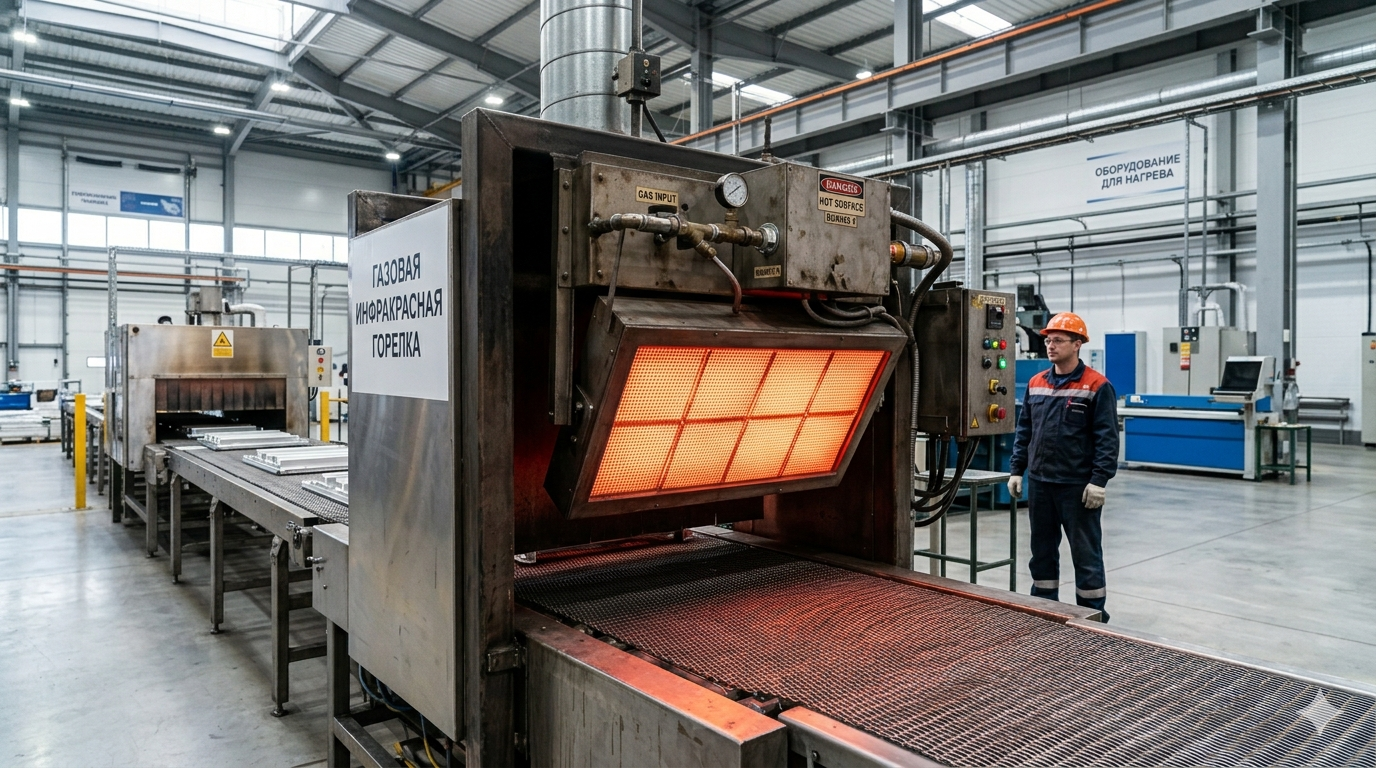
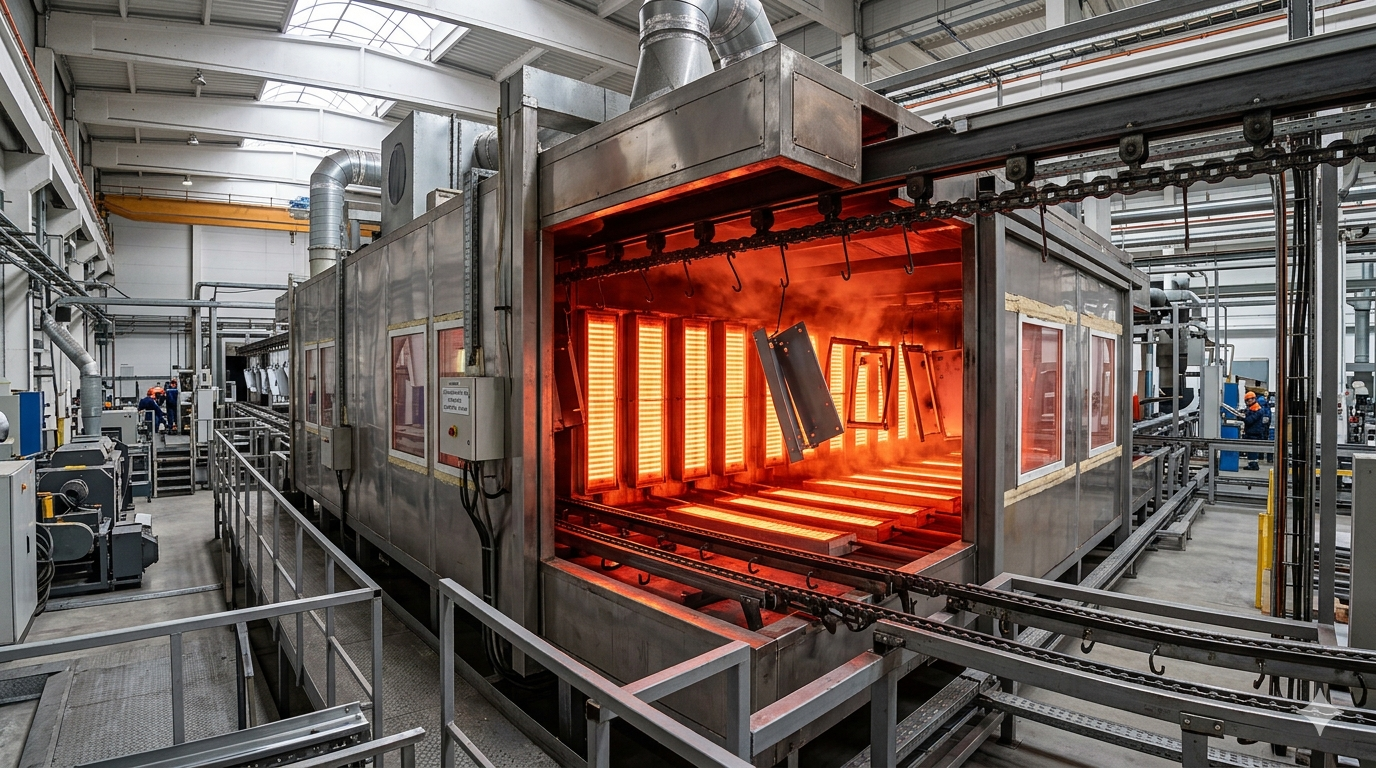
When it comes to heating solutions in industries, efficiency and reliability matter most. I want to introduce you to Hengyi Burners Factory, a top Industrial Infrared Gas Burner Supplier in Russia: High Efficiency Heating Solutions. They offer smart heating products that save energy and reduce pollution.
Why Choose Industrial Infrared Gas Burners?
Industrial infrared gas burners are special heating devices used in factories. They use gas to produce heat in a safe and efficient way. Infrared heat is direct and fast, which helps save energy.
Here are key benefits of infrared gas burners:
High Efficiency: Infrared burners convert more gas into heat.
Energy Saving: Less fuel is needed to reach high temperatures.
Eco-Friendly: They produce fewer harmful emissions.
Fast Heating: Infrared heats objects directly without wasting energy.
Durable and Reliable: Made for tough industrial use.
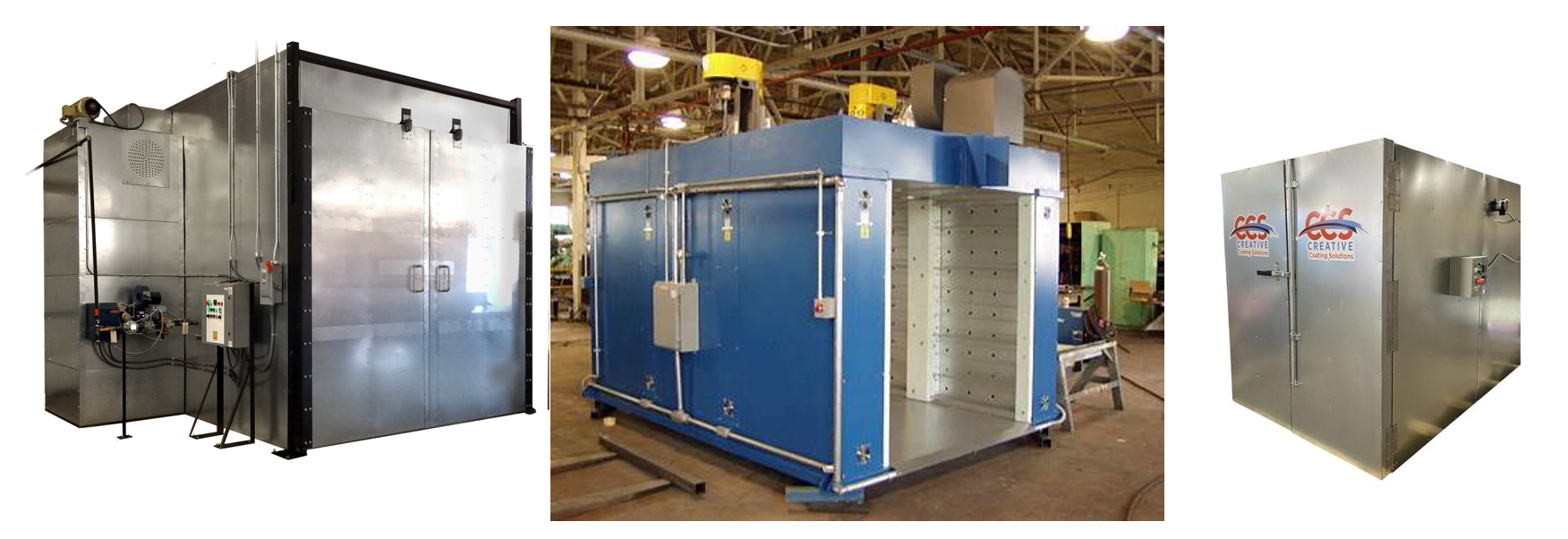
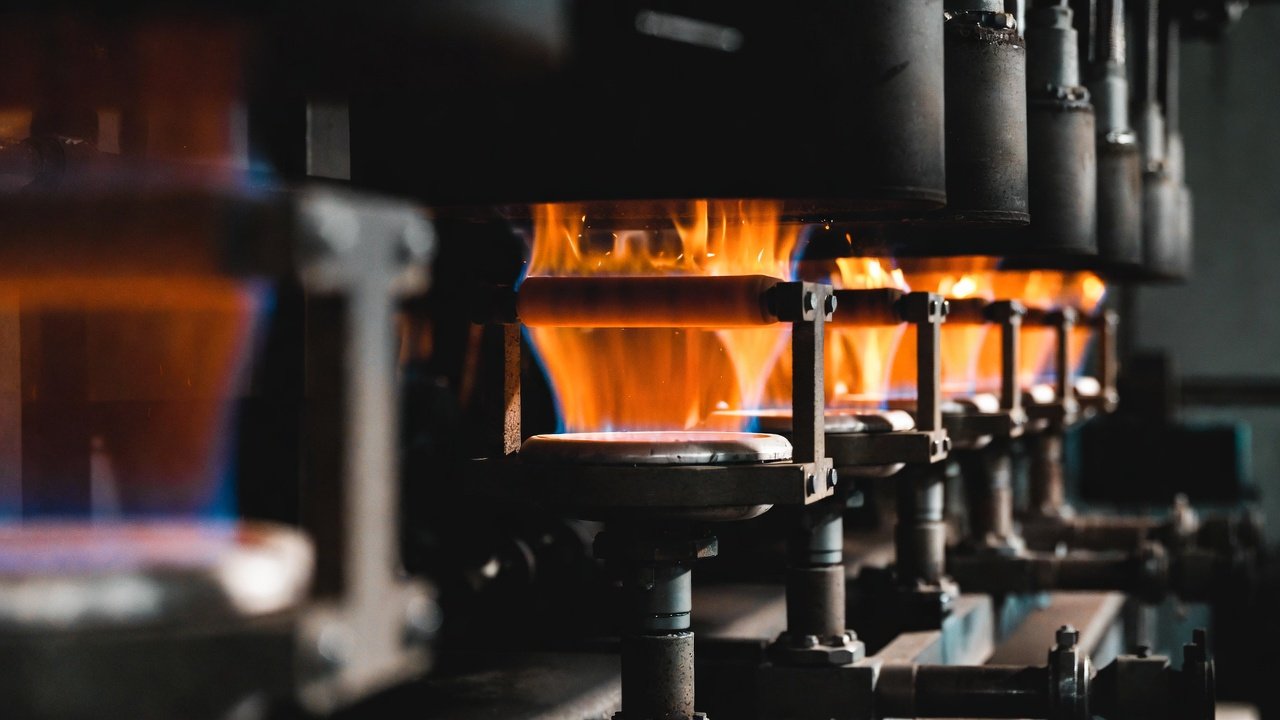
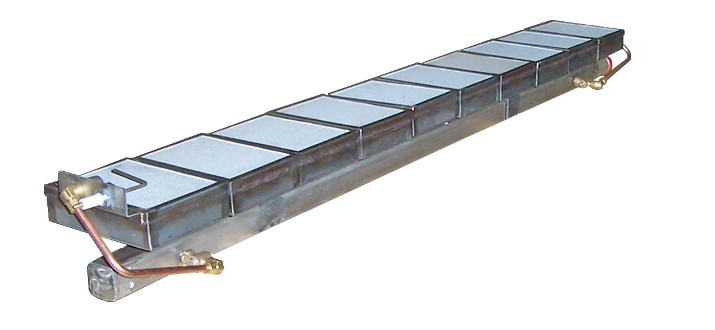
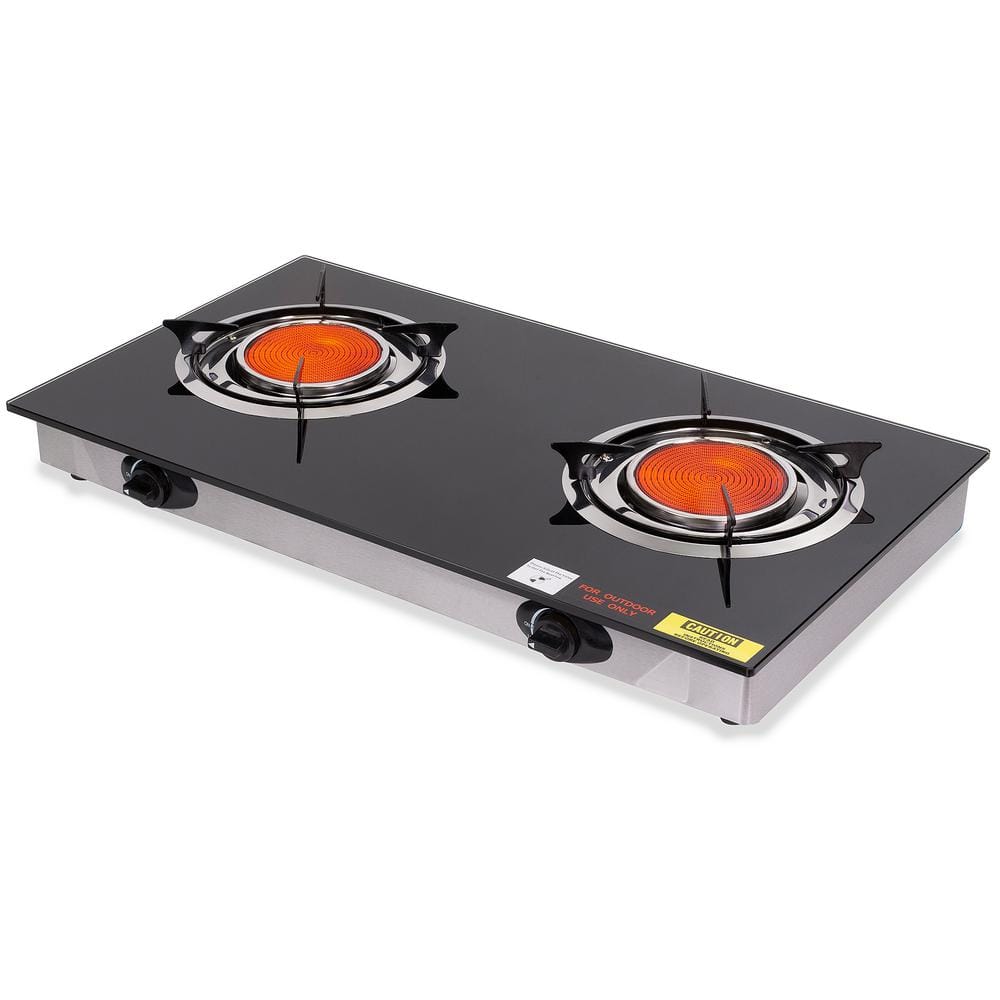
Credit: www.tenshine.shop
About Hengyi Burners Factory
Hengyi Burners Factory is a leading Industrial Infrared Gas Burner Supplier in Russia: High Efficiency Heating Solutions. They make many types of gas burners and accessories. Their products include:
Gas Infrared Burners
Gas Ceramic Ignition Electrodes
Burner Ignition Controllers
Honeycomb Ceramic Burning Plates
Coatings for Gear Pumps
Automatic Reciprocating Machines
Pulse Ignition Systems
Ignition Pins and Solenoid Valves
Painting Accessories
DISK Electrostatic Spray Paint Machines
High-voltage Electrostatic Generators (for oily and water-based paints)
DISK Atomizers
They export products worldwide and work with companies in Taiwan, Russia, Thailand, Myanmar, Malaysia, Japan, Germany, and the UK.
Focus on Environmentally Friendly Heating
Hengyi Burners Factory cares about the environment. Their heating products are designed to use less energy and emit fewer pollutants. This helps factories reduce their carbon footprint.
They are always improving technology for better energy use and less waste. Their goal is to make heaters that are:
Why Hengyi Burners Factory is the Best Choice in Russia
If you want the best Industrial Infrared Gas Burner Supplier in Russia: High Efficiency Heating Solutions, Hengyi Burners Factory is a smart pick. Here’s why:
Feature
Benefit to You
Wide Product Range
Find all burner and accessory needs in one place
High Quality Manufacturing
Products last longer and work better
Global Experience
Trusted by companies worldwide
Focus on Energy Savings
Save money on fuel and reduce emissions
Expert Support
Get help with installation and maintenance
Credit: zjzbkj.en.made-in-china.com
Applications of Industrial Infrared Gas Burners
These burners are used in many industries. Some common uses include:
Spray painting and coating lines
Heat treatment of metals
Food processing
Drying and curing processes
Plastic manufacturing
Ceramics and glass production
Because they heat quickly and evenly, they improve product quality and save time.
How to Choose the Right Burner Supplier
Choosing a good supplier is important. Here are some tips:
Check product quality and certifications
Look for experience in your industry
Ask about energy efficiency and emissions data
Consider after-sales support and service
Review customer feedback and references
Hengyi Burners Factory meets all these criteria.
Frequently Asked Questions
What Are The Benefits Of Infrared Gas Burners In Industry?
Infrared gas burners offer fast, even heating and high energy efficiency. They reduce fuel use and lower emissions compared to traditional burners.
How Does Hengyi Burners Ensure Product Quality?
Hengyi Burners uses strict manufacturing standards and advanced technology. Each burner undergoes thorough testing before shipment to ensure reliability.
Why Choose Hengyi Burners For Russian Industrial Heating?
Hengyi Burners has strong cooperation with Russian companies and local support. Their products suit Russia’s industrial needs and climate well.
What Types Of Accessories Come With Hengyi Infrared Burners?
Accessories include ignition electrodes, burner controllers, ceramic burning plates, and solenoid valves. These parts improve burner performance and maintenance ease.
Conclusion
For industries in Russia needing heating solutions, Hengyi Burners Factory is the top Industrial Infrared Gas Burner Supplier in Russia: High Efficiency Heating Solutions. Their burners save energy, reduce pollution, and deliver reliable performance. They offer a wide range of products and expert support to help your business run smoothly.
Learn more about their products and services by visiting Hengyi Burners Factory today. Choose quality, efficiency, and eco-friendliness for your heating needs.
If you work in the paint or powder coating industry in Russia, you need reliable drying solutions. High Temperature Infrared Gas Burners for Powder Coating And Paint Drying in Russia are excellent tools to get the job done fast and well. In this article, I will explain why these burners are great for your business and how Hengyi Burners Factory provides the best products.
What Are High Temperature Infrared Gas Burners?
High Temperature Infrared Gas Burners use gas to create heat. This heat is in the form of infrared waves. Infrared heat is very good for drying paint and powder coating because it warms the surface evenly without using too much energy.
These burners are designed to reach very high temperatures quickly. This helps dry coatings faster and better, which saves time and money.
Why Use Infrared Gas Burners for Powder Coating and Paint Drying?
Fast Drying: Infrared heat dries powder coatings and paint faster than traditional methods.
Even Heat Distribution: It heats the surface evenly, reducing defects in coatings.
Energy Efficient: These burners use less fuel, lowering costs and emissions.
Environmentally Friendly: They produce fewer harmful gases, helping protect the environment.
Improved Quality: High temperature drying improves the finish and durability of coatings.
Why Choose Hengyi Burners Factory?
When looking for High Temperature Infrared Gas Burners for Powder Coating And Paint Drying in Russia, Hengyi Burners Factory is a trusted leader. You can visit their website here: Hengyi Burners Factory.
Here are some reasons to choose Hengyi Burners:
1. Wide Range Of Products
Hengyi Burners Factory makes many products, including:
Gas Infrared Burners
Gas Ceramic Ignition Electrodes
Burner Ignition Controllers
Honeycomb Ceramic Burning Plates
Coatings for gear pumps and automatic reciprocating machines
Pulse ignition systems
Ignition pins and solenoid valves
Painting accessories
DISK electrostatic spray paint machines
High-voltage electrostatic generators for oily and water-based paints
DISK atomizers
2. International Experience And Cooperation
Hengyi Burners works with companies worldwide. They have strong partnerships in:
Russia
Taiwan
Thailand
Myanmar
Malaysia
Japan
Germany
United Kingdom
This global experience helps Hengyi deliver the best products for different markets.
3. Focus On Spray Painting Industry
Hengyi Burners Factory specializes in the spray painting sector. They know the challenges companies face and design products to improve efficiency.
Their burners help reduce drying times and improve coating quality. This focus means customers get the best performance from their equipment.
4. Commitment To Environmental Sustainability
Energy conservation and reducing pollution are top priorities for Hengyi. Their burners are designed to:
Lower harmful emissions
Use energy efficiently
Meet environmental regulations
Choosing Hengyi means supporting greener industrial processes.
5. High Quality And Customer Satisfaction
Hengyi aims to offer products that are:
Comfortable to use
Economical
Efficient
Environmentally friendly
Customers trust Hengyi for reliable burners that perform well in tough industrial settings.
Energy Efficiency: Look for models that save fuel and reduce costs.
Size and Power: Match the burner size to your production scale.
Durability: Pick products built to last in harsh factory conditions.
Support and Service: Work with suppliers who offer good customer support.
Credit: gbmindustries.com
Frequently Asked Questions
What Are High Temperature Infrared Gas Burners?
High temperature infrared gas burners generate intense heat using gas fuel. They provide efficient, fast drying for coatings and paints.
Why Use Infrared Burners For Powder Coating?
Infrared burners heat powder coatings evenly and quickly. This improves finish quality and reduces drying time.
How Do Infrared Burners Improve Paint Drying?
Infrared burners deliver focused heat that speeds up drying. This reduces energy use and prevents paint damage.
Are These Burners Energy Efficient For Industrial Use?
Yes, infrared gas burners consume less fuel than traditional methods. They save energy and lower operational costs.
Conclusion
In summary, High Temperature Infrared Gas Burners for Powder Coating And Paint Drying in Russia offer many benefits. They speed up drying, save energy, and improve coating quality. Hengyi Burners Factory is a top choice for these burners. Their experience, quality products, and focus on sustainability make them a leader in the industry.
If you want the best infrared gas burners, visit Hengyi Burners Factory today. They will help you find the perfect solution for your powder coating and paint drying needs in Russia.
Choosing the right infrared burner for your industrial oven can make all the difference in performance, efficiency, and safety. If you’re looking to boost your oven’s heating power while cutting energy costs, understanding how to pick the best burner is key.
You’ll discover clear, simple steps to help you find a burner that fits your exact needs. By the end, you’ll feel confident about making a smart choice that improves your operation and saves you money. Keep reading to unlock the insider tips that professionals use every day.
Choosing the right burner depends on the heating process, oven design, operating temperature, fuel type, and production requirements. Explore our range of industrial infrared gas burners to understand the available burner solutions for different heating applications.
Infrared burners offer many benefits for industrial ovens. They provide efficient heating and improve the overall baking or curing process. Choosing the right infrared burner can save energy and lower costs. These burners also help reduce pollution, making factories cleaner.
Understanding these benefits helps in selecting the best infrared burner for your oven.
Understanding the working principle of infrared heating can also help you select a suitable burner for your equipment. Learn what an infrared gas burner is and how infrared heating technology works.
Energy Efficiency
Infrared burners use less fuel than traditional burners. They convert most fuel into heat, reducing waste. This efficiency lowers energy bills. Less energy use means less strain on power sources. This makes operations more cost-effective and sustainable.
Improved Heat Distribution
Infrared burners deliver heat evenly across surfaces. This prevents hot or cold spots in the oven. Uniform heat improves product quality and consistency. It speeds up the heating process as well. Better heat distribution means less rework and higher output.
Reduced Emissions
Infrared burners produce fewer harmful gases. They burn fuel cleaner than other types. Reduced emissions help meet environmental rules. Cleaner air protects workers and nearby communities. This makes infrared burners a responsible choice for industries.
Credit: www.restaurantsupply.com
Types Of Infrared Burners
Infrared burners come in different types. Each type has unique features for industrial ovens. Choosing the right one affects oven performance and efficiency. Understanding the types helps select the best burner for your needs.
Ceramic Burners
Ceramic burners use a porous ceramic surface to emit infrared heat. They provide even heat distribution and high efficiency. These burners are durable and work well for slow, steady heating. Ideal for baking and curing processes.
Burner materials and heating surfaces can also affect heat distribution and system performance. For customized infrared heating systems, explore our honeycomb ceramic burner plates used in different industrial burner applications.
Metal Fiber Burners
Metal fiber burners use woven metal fibers to produce infrared radiation. They heat up quickly and offer precise temperature control. These burners are resistant to thermal shock and last long. Suitable for fast heating and drying applications.
Quartz Burners
Quartz burners use quartz tubes to generate infrared heat. They produce intense, short-wave infrared energy. These burners heat very fast and cool down quickly. Best for quick heating and surface heating tasks.
Key Factors To Consider
Choosing the right infrared burner is important for industrial ovens. It affects the oven’s efficiency and product quality. Several key factors guide this choice. These factors ensure the burner fits your oven and meets your heating needs. Consider these elements carefully to get the best results.
Heat Output And Temperature
Heat output shows how much heat the burner produces. It must match the oven’s size and heating needs. Temperature range matters too. The burner should reach the correct temperature for your process. Too low or too high heat can harm the product or waste energy.
Burner Size And Shape
The burner’s size must fit inside the oven. It should allow even heat distribution. Shape affects how heat spreads across the oven space. Choose a shape that matches your oven’s design. This helps avoid hot or cold spots on the product.
Different industrial oven applications require different burner configurations. For drying and powder coating oven applications, the HY-1602 infrared gas burner can be considered based on the heating requirements and equipment design.
For other industrial heating configurations and powder coating applications, explore the HY-2402 infrared gas burner and compare its suitability with your required heating area and production process.
Fuel Type Compatibility
Burners use different fuels like gas, propane, or electricity. The burner must support the fuel available at your facility. Fuel type affects operating cost and burner efficiency. Choose a burner that works well with your fuel source for smooth operation.
Installation Requirements
Check the space and mounting options for the burner. Some burners need special brackets or clearances. Installation should be simple and fit your oven’s structure. Proper installation keeps the burner safe and working well.
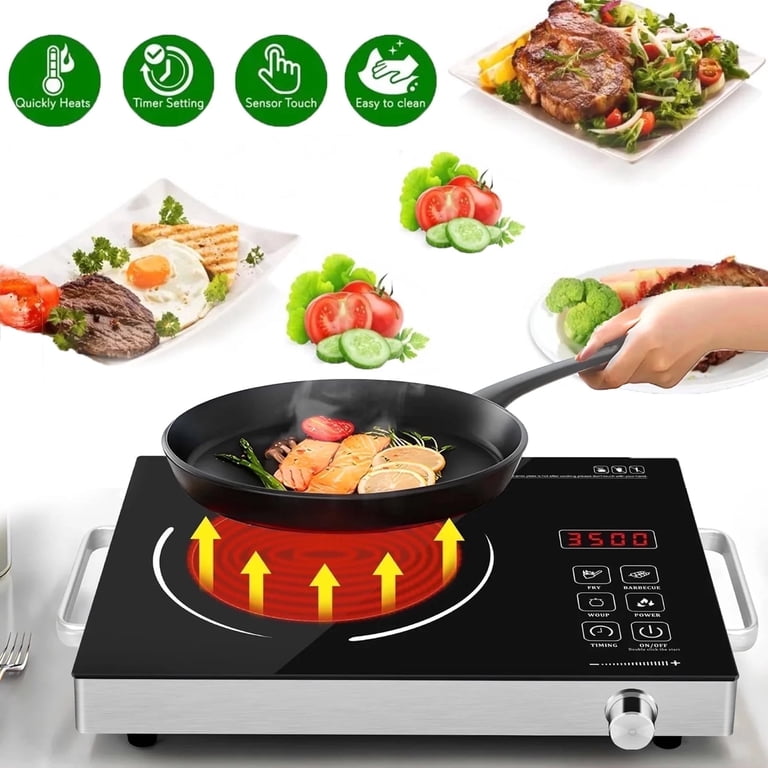
Credit: www.walmart.com
Matching Burners To Oven Applications
Choosing the right infrared burner depends on the oven’s specific use. Each industrial oven has unique heating needs. Matching the burner to the application ensures efficient and even heating. It also extends the oven’s life and improves product quality.
Industrial ovens are used for many different processes, including drying, baking, curing, heating, and surface treatment. Understanding the applications of infrared gas burners in industrial heating can help manufacturers select a burner configuration based on their specific process.
Curing And Drying Processes
Burners for curing need steady, low to medium heat. The heat should be uniform to avoid damage. Infrared burners with adjustable intensity work well here. They help dry coatings, adhesives, and paints quickly.
For powder coating ovens and industrial drying equipment, the burner should be selected according to the heating zone, production line design, material, and required temperature. Explore infrared burners for powder coating and drying lines for more application-specific information.
Baking And Cooking
Baking ovens require burners that provide consistent and even heat. Infrared burners deliver quick heat that penetrates food evenly. These burners reduce cooking time and save energy. Choosing a burner with precise control is important for delicate recipes.
Heat Treating And Sintering
Heat treating demands high temperatures and strong heat output. Infrared burners designed for this process offer intense, focused heat. Sintering needs precise temperature control to avoid defects. Burners with fast response times and durability are best for these tasks.
Maintenance And Durability
Maintenance and durability are key factors when choosing an infrared burner for industrial ovens. Proper care extends the burner’s life and ensures steady performance. A durable burner withstands harsh conditions and reduces downtime. Understanding how to clean and maintain it helps avoid costly repairs and replacements.
Cleaning Procedures
Clean the burner regularly to keep it working well. Remove dust and debris using a soft brush or cloth. Avoid harsh chemicals that can damage parts. Check the burner’s surface for blockages and clear them gently. Cleaning prevents clogs and maintains even heat distribution.
Lifespan Expectations
Infrared burners usually last several years with proper care. The exact lifespan depends on use and environment. Choose burners made from strong materials like stainless steel. Regular maintenance can extend the life of the burner. Plan for replacement after the expected lifespan to avoid surprises.
Troubleshooting Common Issues
Watch for uneven heating or strange noises from the burner. These signs may indicate blockages or worn parts. Inspect the burner for cracks or damage regularly. Clean or replace faulty components to keep the burner safe. Early troubleshooting prevents bigger problems and saves money.
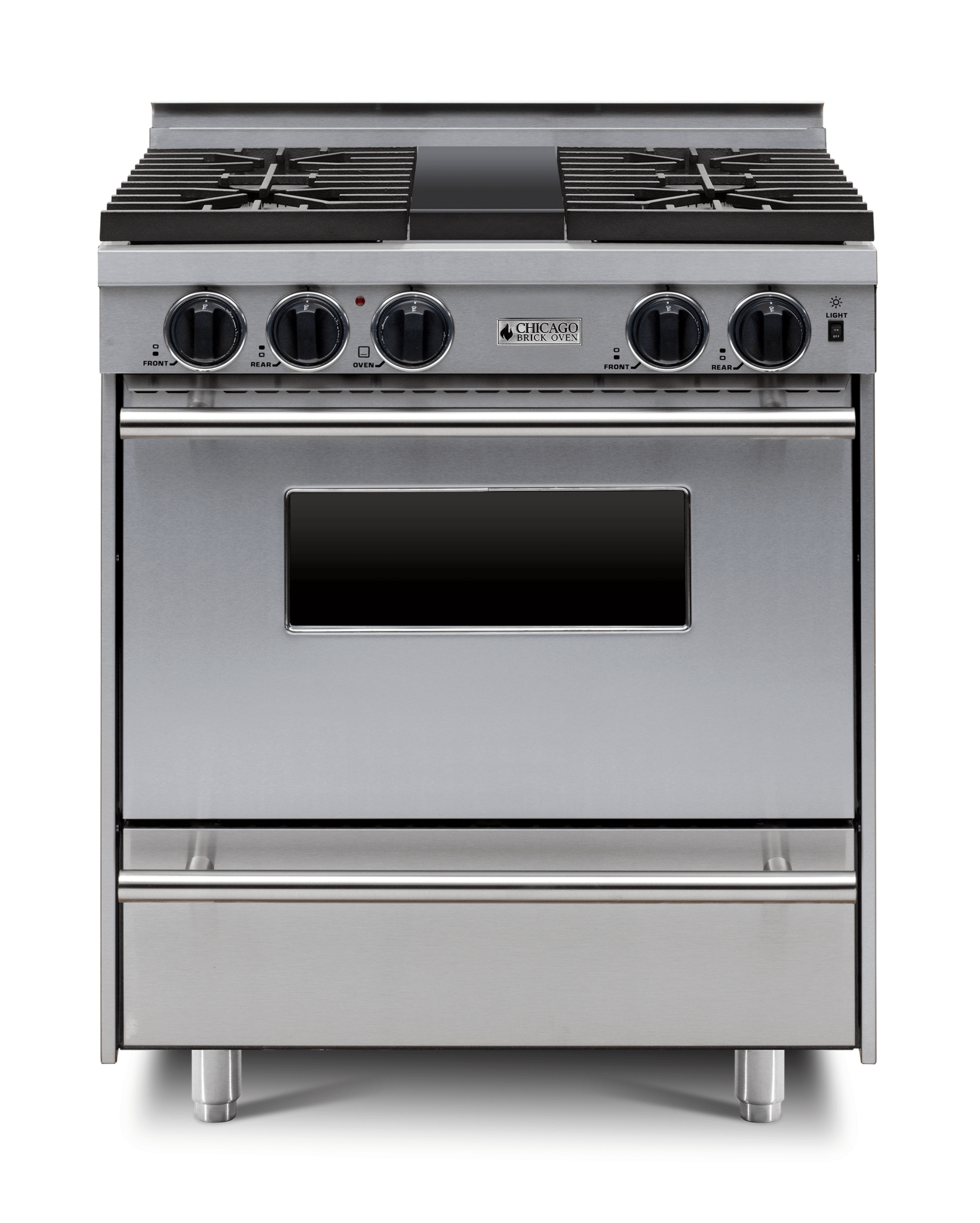
Credit: chicagobrickoven.com
Cost Considerations
Cost plays a big role in choosing an infrared burner for industrial ovens. Understanding different cost types helps to make a smart choice. This section breaks down key cost factors for better decision-making.
Initial Investment
The initial investment includes the price of the burner and installation fees. Some burners cost more due to size or technology. Choose a burner that fits your budget without cutting quality. Cheaper burners may need more repairs later.
Operating Costs
Operating costs cover fuel use and maintenance. Infrared burners often use less fuel than traditional ones. This can save money over time. Regular maintenance keeps the burner efficient and reduces unexpected costs. Check fuel type and availability too.
Return On Investment
Return on investment (ROI) measures how fast savings cover the initial cost. A burner with low fuel use may offer faster ROI. Calculate energy savings against purchase and upkeep costs. Choose a burner that balances cost and performance well.
Safety Measures
Safety is a key factor when choosing an infrared burner for industrial ovens. Proper safety measures protect workers and equipment. They reduce risks of accidents and damage. Understanding these measures helps in selecting the right burner.
Proper Ventilation
Good ventilation removes harmful gases from the oven area. It prevents buildup of dangerous fumes. Fresh air flow keeps the workspace safe. Always check if the burner supports proper ventilation needs. This ensures clean air and safer operation.
Temperature Controls
Temperature controls keep the oven heat within safe limits. They stop overheating that can cause fires or damage. Look for burners with accurate and easy-to-use temperature settings. These controls help maintain stable and safe oven conditions.
Emergency Shutoff Systems
Emergency shutoff systems stop the burner quickly in case of trouble. They reduce the risk of accidents or fires. Choose burners with reliable and fast-acting shutoff features. These systems offer extra protection during unexpected events.
Supplier Selection Tips
Choosing the right supplier for your infrared burner is essential for success. The supplier affects product quality, delivery time, and support. Picking a trustworthy supplier saves time and money. It also ensures the burner fits your industrial oven perfectly.
Reputation And Experience
Check the supplier’s reputation in the industry. Look for reviews and feedback from other businesses. A supplier with many years of experience knows the market well. They understand different needs and challenges. Choose a supplier with a strong track record of quality products.
Technical Support
Good technical support is vital for smooth operations. The supplier should offer help with installation and troubleshooting. Fast responses prevent downtime in your production. Ask if they provide manuals and training. A supportive supplier makes using the burner easier and safer.
Warranty And Service
A clear warranty shows the supplier’s confidence in their product. Check the warranty length and what it covers. Also, ask about repair and replacement services. Reliable after-sales service reduces risks and extra costs. Choose a supplier who stands behind their infrared burners.
Frequently Asked Questions
What Factors Determine The Best Infrared Burner For Ovens?
Choosing the right infrared burner depends on heat output, burner type, fuel efficiency, and oven size. Consider your industrial oven’s specific heating needs to ensure optimal performance and energy savings.
How Does Burner Type Affect Industrial Oven Performance?
Different burner types, like ceramic or metal, influence heat distribution and efficiency. Selecting the proper burner type ensures uniform heating and improves oven productivity.
Why Is Fuel Efficiency Important In Infrared Burners?
Fuel-efficient burners reduce operational costs and environmental impact. Choosing an efficient burner saves energy while maintaining consistent oven temperatures for industrial processes.
Can Infrared Burners Improve Industrial Oven Safety?
Yes, infrared burners provide controlled heating with fewer emissions. Properly selected burners reduce risks of overheating and enhance overall industrial oven safety.
Need Help Choosing an Infrared Burner for Your Industrial Oven?
Selecting the right infrared burner depends on your oven type, heating area, production process, operating temperature, fuel type, and equipment design. If you need technical assistance, product specifications, or a customized burner solution, contact our team to discuss your industrial heating requirements.
Conclusion
Choosing the right infrared burner helps improve oven performance. Focus on burner size, fuel type, and heat output. Check compatibility with your oven and production needs. Safety and maintenance are also important factors. Taking time to compare options leads to better results.
A good burner saves energy and boosts efficiency. Keep these tips in mind for a smart choice. Your industrial oven will work better and last longer. Simple steps can make a big difference.
If you’re looking to boost the efficiency of your industrial heating system, understanding the power of natural gas IR burners is a game-changer. These burners offer a smarter, cleaner way to heat your processes, saving you money while cutting down on emissions.
Imagine getting faster heat-up times and better temperature control—all while reducing your energy costs. You’ll discover how natural gas IR burners can transform your industrial heating setup and why they might be the perfect fit for your operation. Keep reading to unlock the benefits that could take your system to the next level.
For different industrial heating requirements, explore our range of industrial infrared gas burners and available burner configurations for drying, curing, coating, baking, and other manufacturing processes.
Benefits Of Natural Gas Ir Burners
Natural gas IR burners offer many benefits for industrial heating systems. They improve overall performance and reduce costs. These burners use infrared radiation to deliver heat directly to the target area. This method is efficient and effective for various industrial processes.
Using natural gas as fuel adds advantages like cleaner burning and better availability. The following points explain the key benefits of natural gas IR burners in detail.
To better understand how this radiant heating technology works, learn what an infrared gas burner is and how infrared energy is transferred directly to the target surface.
Energy Efficiency And Cost Savings
Natural gas IR burners use energy more efficiently than traditional burners. They convert fuel into heat with less waste. This lowers fuel consumption and reduces operating costs. Industries save money on energy bills. Maintenance costs also decrease due to fewer moving parts.
When comparing different industrial heating methods, direct radiant heating can offer advantages in response time and energy use. Learn more about the difference between an infrared gas burner vs traditional gas burner for industrial applications.
Reduced Emissions And Environmental Impact
Burning natural gas produces fewer pollutants than other fuels. IR burners emit less carbon dioxide and nitrogen oxides. This helps industries meet environmental regulations. Cleaner emissions protect air quality and reduce the carbon footprint. Using natural gas supports sustainable industrial practices.
Improved Heat Distribution
IR burners provide uniform heat across surfaces. Infrared radiation heats objects directly, not the air around them. This ensures consistent temperatures and faster heating times. Better heat distribution improves product quality and process control. It also reduces energy loss and hotspots.
Types Of Ir Burners For Industry
Natural gas IR burners come in different types to fit various industrial heating needs. Each type has unique features and uses. Choosing the right burner improves efficiency and saves energy.
Understanding these types helps industries pick the best solution for their heating systems. Below are the common types of IR burners used in industry.
Medium And High Intensity Burners
Medium intensity burners produce steady heat for general heating tasks. They work well for drying and curing processes. High intensity burners create very hot, focused heat. These are used for rapid heating and large-scale operations.
Both types offer precise temperature control. They help industries maintain consistent product quality. The choice depends on the heat level needed.
Selecting the appropriate burner intensity depends on the required temperature, heating distance, process speed, and equipment design. Read our guide on how to choose an infrared burner for industrial ovens for key burner selection factors.
Direct And Indirect Ir Burners
Direct IR burners emit heat straight to the target surface. They are efficient for fast heating and low heat loss. Indirect IR burners heat a surface that then radiates heat. This method protects sensitive materials from direct flame.
Direct burners suit tough materials needing quick heat. Indirect burners work best for fragile or complex products.
Custom Burner Designs
Custom burners are made to meet specific industry needs. They can vary in size, shape, and heat output. Custom designs solve unique heating challenges.
These burners improve process control and save energy. Industries benefit from tailored solutions that fit exact requirements.
Customized infrared burner designs can also use specialized ceramic heating surfaces. Explore our honeycomb ceramic burner plates for industrial infrared heating systems and customized burner applications.
Applications In Industrial Heating
Natural gas infrared (IR) burners play a key role in many industrial heating processes. Their efficient heat delivery helps industries save energy and improve product quality. These burners suit various heating needs with precise control and fast response.
Industries depend on natural gas IR burners for reliable and consistent heat. They work well in tough conditions and high-temperature environments. Below are some main applications of these burners in industrial heating.
Natural gas infrared heating is part of a broader range of radiant heating processes used across manufacturing industries. Explore the applications of infrared gas burners in industrial heating to learn more about different industrial uses of this technology.
Metal Processing And Heat Treating
Natural gas IR burners provide even heating for metal parts. They help in processes like annealing, hardening, and tempering. The burners reach high temperatures quickly, improving production speed. This heating method reduces energy waste and lowers costs. Quality control is easier with accurate heat application.
Food Processing And Drying
In food production, natural gas IR burners dry and cook products evenly. They ensure fast drying without overheating the food. This helps keep taste and texture intact. The burners also reduce moisture efficiently, extending shelf life. Their precise heat control supports various food types and recipes.
For food drying equipment that requires controlled and responsive radiant heat, explore infrared burners for food drying machines and their role in improving industrial food drying processes.
Ceramics And Glass Manufacturing
Natural gas IR burners heat ceramics and glass during shaping and finishing. They provide uniform temperature to avoid cracks or defects. The burners speed up firing and drying phases. Using infrared heat enhances product strength and surface quality. Energy savings are significant in these energy-demanding processes.
Installation And Maintenance Tips
Proper installation and regular maintenance keep natural gas IR burners working well. These steps help avoid breakdowns and increase burner life. Follow simple tips to ensure safety and performance in industrial heating systems.
Proper Burner Placement
Place burners where heat spreads evenly. Avoid blocking air flow around the burner. Keep enough space from walls and other equipment. Position burners to prevent overheating nearby parts. Correct placement saves fuel and improves heating.
Correct burner positioning is especially important in continuous production equipment where consistent heat coverage is required. Explore infrared burners for powder coating and drying lines to learn more about infrared heating applications in industrial production systems.
Regular Inspection And Cleaning
Check burners often for dirt or damage. Clean burner surfaces to stop soot build-up. Remove dust and debris from air intakes. Inspect gas lines for leaks or cracks. Regular care helps burners run smoothly and safely.
Troubleshooting Common Issues
Watch for uneven flames or strange smells. These signs show burner problems. Check gas pressure and adjust if needed. Clear clogged nozzles with proper tools. Replace worn parts quickly to avoid bigger issues.
Cost Factors And Roi
Understanding the cost factors and return on investment (ROI) of natural gas IR burners helps industries plan better. These burners offer efficient heating but come with various costs. Knowing these costs clarifies the financial benefits and timeline for payback.
Initial Investment And Setup Costs
Natural gas IR burners require an upfront investment. This includes the price of the burner unit and installation expenses. Setup costs cover piping, controls, and safety devices. Costs vary by burner size and system complexity. Proper installation ensures safe and efficient operation.
Operating Expenses
Fuel costs form the main part of operating expenses. Natural gas prices fluctuate but remain cost-effective. Maintenance is usually low compared to other heating systems. Periodic checks keep burners running efficiently. Reduced downtime also lowers overall operating costs.
Long-term Savings And Payback Period
IR burners use less fuel due to direct heating. This leads to significant energy savings over time. Faster heating reduces production delays and increases output. The payback period depends on fuel savings and initial costs. Many industries recover costs within a few years.
Credit: yhg688.en.made-in-china.com
Future Trends In Ir Burner Technology
Natural gas IR burners continue to evolve with new technology. These changes improve efficiency and reduce costs. Industries can expect safer, smarter, and greener heating solutions soon. The future holds many exciting developments in burner design and function.
Advances In Burner Materials
Burner materials are becoming stronger and more heat-resistant. New alloys and ceramics extend burner life. These materials help burners work in extreme temperatures without damage. Longer-lasting burners mean less downtime and fewer replacements.
Integration With Smart Controls
Smart controls allow precise regulation of burner performance. Sensors monitor temperature and fuel use in real-time. Automated adjustments improve fuel efficiency and lower emissions. Remote control features enable quick responses to system changes.
Burners are adapting to use cleaner fuels beyond natural gas. Hydrogen and biofuels are gaining attention as alternatives. Using these fuels reduces carbon footprints significantly. Sustainable fuel options support eco-friendly industrial heating systems.
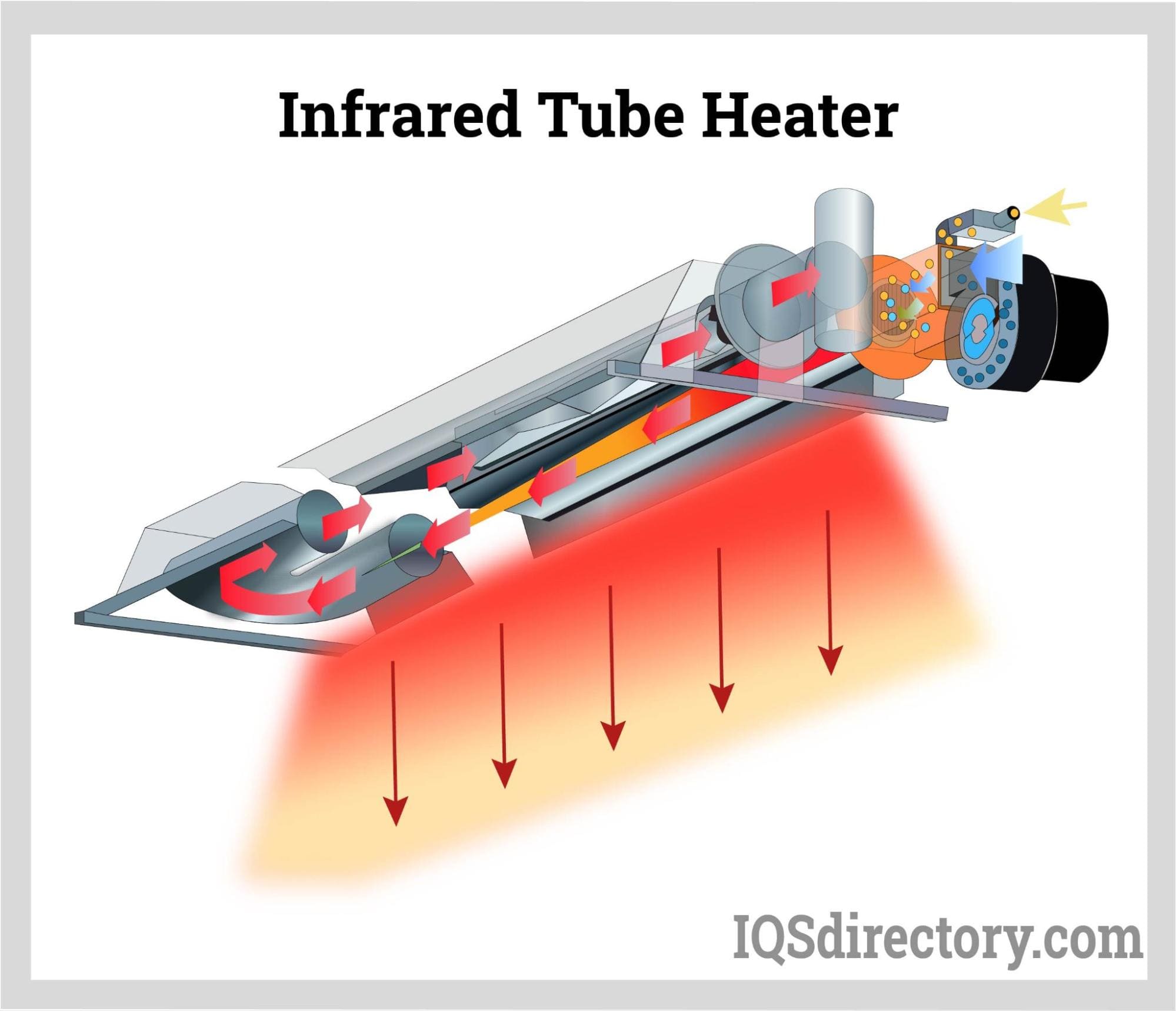
Credit: www.iqsdirectory.com
Frequently Asked Questions
What Are Natural Gas Ir Burners Used For?
Natural gas IR burners provide efficient heat in industrial heating systems. They emit infrared radiation that heats objects directly, improving energy use and reducing costs. These burners are ideal for processes needing uniform and intense heat.
How Do Natural Gas Ir Burners Improve Heating Efficiency?
IR burners convert natural gas into radiant heat, minimizing energy loss. This direct heating reduces warm-up times and increases process speed. Their precise heat control enhances overall system performance and lowers fuel consumption.
Are Natural Gas Ir Burners Safe For Industrial Use?
Yes, natural gas IR burners are safe when properly installed and maintained. They produce clean combustion with low emissions. Safety measures include flame monitoring and automatic shut-off systems to prevent accidents and ensure reliable operation.
What Industries Benefit From Natural Gas Ir Burners?
Industries like automotive, ceramics, food processing, and metalworking use natural gas IR burners. They are excellent for drying, curing, heating, and coating applications that require consistent and controllable heat.
Need a Natural Gas Infrared Burner for Your Industrial Heating System?
Choosing the right natural gas infrared burner depends on the required temperature, heating area, production process, burner capacity, fuel supply, and equipment design. If you need technical specifications or a customized industrial heating solution, contact our team to discuss your requirements.
Conclusion
Natural gas IR burners improve heating efficiency in industrial systems. They offer precise temperature control and reduce energy waste. These burners produce less pollution, helping industries stay eco-friendly. Easy installation and low maintenance save time and money. Choosing the right burner boosts productivity and cuts costs.
Industrial heating becomes safer and more reliable with these burners. A smart choice for businesses aiming to improve operations. Efficient heating leads to better performance and lower bills. Natural gas IR burners fit well in many industrial settings.
Are you wondering which gas burner is the best choice for your home or business? Choosing between an infrared gas burner and a traditional gas burner can be confusing.
You want something that saves energy, cooks efficiently, and lasts long. This article will help you understand the key differences so you can make the right decision. By the end, you’ll know which burner suits your needs and why it matters for your safety and budget.
Keep reading to find out what makes infrared and traditional gas burners unique. Before comparing both technologies in detail, it is useful to understand what an infrared gas burner is and how radiant heating differs from conventional flame-based heating.
Infrared Gas Burner Basics
Infrared gas burners are a type of heating device used in many cooking and heating applications. They work differently from traditional gas burners. Understanding their basics helps you see why they are useful and how they save energy.
For industrial ovens, drying systems, powder coating lines, food processing equipment, and other manufacturing applications, you can explore our industrial infrared gas burner products designed for different heating requirements.
These burners use infrared radiation to heat objects directly, not the air around them. This method offers fast and even heating. It also reduces heat loss, making them more efficient than traditional burners.
How Infrared Burners Work
Infrared burners use a ceramic or metal surface. Gas flows under this surface and ignites. The surface then heats up and emits infrared rays. These rays directly heat the food or object above.
This process skips heating the surrounding air. It gives faster cooking times and less wasted heat. Infrared burners also produce less smoke and fumes. Many industrial infrared burners use ceramic heating surfaces to generate and distribute radiant heat efficiently. You can explore our honeycomb ceramic burner plates for infrared burner applications and replacement components.
Key Features Of Infrared Burners
Infrared burners have several important features. They offer quick and even heat distribution. The surface stays hot for a long time, keeping food warm.
They use less gas than traditional burners. The flames are less visible, creating a clean look. These burners also last longer with less wear and tear.
Traditional Gas Burner Essentials
Traditional gas burners have served homes and businesses for decades. They rely on simple technology to produce heat. Understanding their essentials helps compare them with modern options.
These burners use direct flame to heat pots, pans, or air. They are common in kitchens and outdoor grills. Their design is straightforward and easy to maintain.
Operation Of Traditional Burners
Traditional burners mix gas and air to create a flame. The gas flows through small holes or ports. When ignited, the flame heats cookware directly above it.
The burner controls adjust the gas flow and flame size. Users can turn the flame higher or lower. This control helps manage cooking temperature.
The heat spreads unevenly at times. Hot spots may appear on cookware. This uneven heat can affect cooking results.
Common Characteristics
Traditional gas burners have open flames visible to the eye. They often produce some heat loss to the surrounding air. This can reduce energy efficiency.
These burners are simple to install and repair. Parts like burner heads and valves are widely available. Their cost is generally low compared to newer models.
Users must keep burners clean to avoid clogging. Dirt or food debris can block gas flow. Regular cleaning ensures proper flame and safety.
Fuel Efficiency Comparison
Fuel efficiency plays a major role in choosing between infrared gas burners and traditional gas burners. It affects energy bills and environmental impact. Understanding how each burner uses fuel helps make a smart choice.
Both burners use gas, but their efficiency differs. This section compares their energy use and heat transfer methods. The goal is to see which burner saves more fuel and works better for daily use.
The efficiency of infrared heating can also depend on burner design and the combustion technology used. For a deeper understanding of this technology, read about catalytic infrared burner technology and its features and benefits.
Energy Consumption Rates
Traditional gas burners consume gas by heating air around the flame. This process wastes some energy as heat escapes into the air. These burners often run longer to reach the desired heat level.
Infrared gas burners use less gas for the same heat output. They convert gas directly into infrared radiation. This radiation heats objects and surfaces quickly. Less gas is burned, which lowers energy use and costs.
Heat Transfer Methods
Traditional burners transfer heat mainly through convection. Hot air moves around to warm the area. This method loses heat as air cools down or escapes.
Infrared burners transfer heat through radiation. Infrared waves heat objects directly. This method is faster and more precise. Heat does not escape into the air as much. It means less fuel is needed to maintain temperature.
Performance And Heat Distribution
Performance and heat distribution are key factors when choosing a gas burner. They affect cooking quality and energy use. Infrared and traditional gas burners differ in how they deliver heat. This section explains these differences to help you understand their impact.
Uniformity Of Heat
Infrared burners spread heat evenly across the cooking surface. They use radiant heat, which heats objects directly. This reduces cold spots and uneven cooking. Traditional burners create heat with open flames. Flames heat some areas more than others. This can cause uneven cooking and hot spots.
Response Time To Temperature Changes
Infrared burners heat up quickly and cool down fast. They respond well to temperature changes. This allows better control during cooking. Traditional burners take longer to change temperature. The flame size changes slowly. This delay can make precise cooking harder.
Environmental Impact
Choosing the right gas burner impacts the environment in many ways. Both infrared and traditional burners produce heat differently. This affects air quality and resource use. Understanding their environmental impact helps make better choices.
Emission Levels
Infrared gas burners release fewer pollutants into the air. They burn fuel more completely. This lowers carbon monoxide and nitrogen oxide emissions. Traditional gas burners often emit higher levels of these gases. Cleaner emissions mean better air quality and less harm to health.
Sustainability Factors
Infrared burners use less fuel to produce the same heat. This reduces overall gas consumption. Less gas use helps conserve natural resources. Traditional burners waste more energy and fuel. Using infrared technology supports long-term energy savings. It also reduces the carbon footprint of heating systems.
Cost Analysis
Cost analysis plays a key role in choosing between infrared and traditional gas burners. It helps to understand the money spent upfront and over time. This insight guides smart buying decisions for homes or businesses.
Initial Investment
Infrared gas burners usually cost more at purchase. Their advanced design and technology raise the price. Traditional gas burners have a lower upfront cost. They use simple parts and common materials. Buyers must weigh the higher start cost against long-term savings.
Operational And Maintenance Costs
Infrared burners use gas more efficiently. This reduces fuel bills significantly over time. They also produce less heat loss, saving energy costs. Traditional burners consume more fuel for the same heat output. Maintenance is simpler but more frequent for traditional burners. Infrared burners have fewer parts that wear out. This lowers repair and maintenance expenses. Overall, infrared burners can save money after installation.
Safety Considerations
Safety is a key factor when choosing between infrared and traditional gas burners. Understanding how each type works helps keep homes and workplaces safe. Both burners have different risks and safety features to consider.
Risk Factors
Traditional gas burners use open flames, which can cause burns or fires. Gas leaks are a common risk, leading to possible explosions or poisoning. Infrared burners produce intense heat but no open flame, reducing fire risk. However, they can cause burns if touched accidentally. Both types need proper ventilation to prevent gas buildup and carbon monoxide poisoning.
Safety Features
Traditional burners often include flame failure devices that stop gas flow if the flame goes out. Infrared burners usually have automatic shut-off systems for gas leaks. Some models have heat sensors to prevent overheating. Both burners benefit from regular maintenance to ensure safety devices work properly. Using carbon monoxide detectors adds an extra safety layer for any gas appliance.
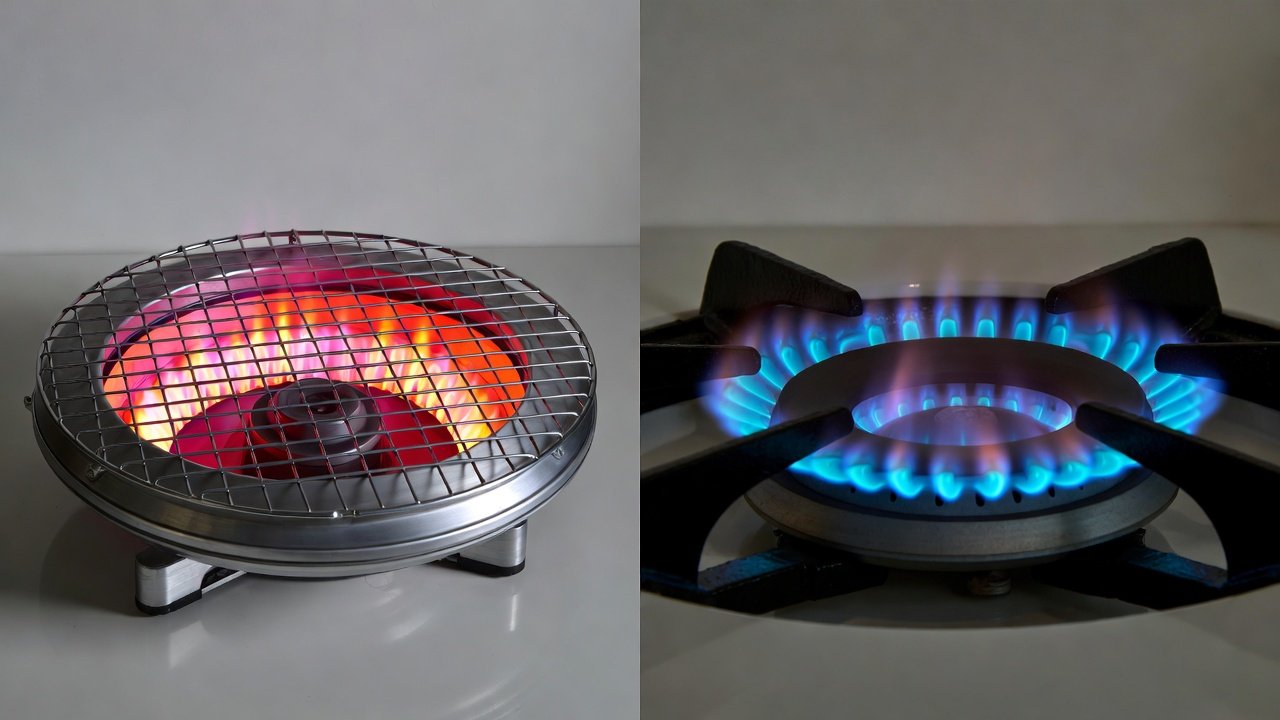
Credit: www.youtube.com
Applications And Suitability
Choosing the right gas burner depends on the task and environment. Each burner type works best in certain settings. Knowing their applications helps pick the right one. This section explains where infrared and traditional burners fit best.
Infrared heating is used across a wide range of manufacturing processes where fast, controlled, and efficient heat transfer is important. Learn more about the industrial applications of infrared gas burners in drying, curing, coating, food processing, and other industrial heating processes.
Best Use Cases For Infrared Burners
Infrared burners heat surfaces directly with radiant energy. They work well in outdoor heating and large spaces. These burners suit industrial processes needing quick, even heat. Food trucks and grills use infrared burners for faster cooking. They save energy by reducing heat loss to air. Infrared burners also perform well in cold or windy areas.
Ideal Scenarios For Traditional Burners
Traditional burners heat air through flame combustion. They fit well in kitchens and indoor spaces. These burners are good for cooking with pots and pans. Traditional burners offer precise flame control for delicate tasks. They also work well in smaller, enclosed areas. Maintenance and repairs are simple with many traditional models.
Future Trends In Gas Burner Technology
The future of gas burner technology shows clear paths for growth and change. Both infrared and traditional burners will see new features. These changes aim to make burners safer, cleaner, and more efficient.
As manufacturers focus on improving energy efficiency and process control, industrial heating systems are increasingly being designed around application-specific radiant heating solutions. Explore our infrared burner solutions for industrial heating to see available options for different industrial processes.
Technology will focus on using less fuel and reducing pollution. Smart systems will help control heat better. This will save energy and lower costs for users. The goal is a better cooking or heating experience for everyone.
Innovations In Infrared Burners
Infrared burners will become more precise and reliable. New materials will allow burners to heat faster and last longer. These burners will use less gas while giving more heat. Sensors will adjust flames automatically for perfect cooking.
Some designs will include smart controls. This helps users manage heat with apps or remote devices. Infrared burners will become common in homes and industries. They will offer cleaner air by cutting down on smoke.
Improvements In Traditional Burners
Traditional burners will get better at saving fuel. New burner shapes will spread heat more evenly. This means food cooks faster and uses less gas. Safety features will improve to stop gas leaks and fires.
Manufacturers will add simple digital controls. This helps users set heat levels easily. Traditional burners will stay popular because they are affordable. These improvements will keep them useful for many years.
Frequently Asked Questions
What Is An Infrared Gas Burner?
An infrared gas burner uses radiant heat technology to transfer energy directly. It heats objects efficiently, reducing energy loss. This makes it ideal for industrial and commercial heating applications.
How Does A Traditional Gas Burner Work?
Traditional gas burners create heat by burning gas with an open flame. The heat transfers through convection and conduction. This method is less efficient, as much heat escapes with exhaust gases.
Which Burner Is More Energy Efficient?
Infrared gas burners are more energy efficient. They convert most fuel into usable heat. Traditional burners lose more heat through exhaust, resulting in higher fuel consumption.
Are Infrared Burners Safer Than Traditional Ones?
Infrared burners operate at lower flame temperatures, reducing fire hazards. They also produce less carbon monoxide. This makes them a safer choice for enclosed spaces.
Looking for the Right Industrial Gas Burner?
Choosing the right burner depends on your heating process, operating temperature, fuel type, production requirements, and energy-efficiency goals. If you need help selecting an infrared burner for an industrial application, contact our team to discuss your requirements.
Conclusion
Choosing between infrared and traditional gas burners depends on your needs. Infrared burners heat faster and use less fuel. Traditional burners offer familiar control and wide availability. Both types have pros and cons to consider. Think about efficiency, cost, and cooking style.
Your decision should match your kitchen habits and budget. Understanding these differences helps you pick the best burner. This way, you get better cooking results and save energy. Simple choices can make a big difference.
Have you ever wondered how some heaters and grills deliver heat so evenly and efficiently? The secret often lies in a device called an infrared gas burner.
If you’re looking to upgrade your heating system or just curious about how this technology works, understanding what an infrared gas burner is can change the way you think about heat. This article will break down everything you need to know in simple terms, helping you make smarter choices for your home or business.
Keep reading, and you’ll discover how this burner can save you energy, improve comfort, and even enhance safety.
For industrial and commercial heating projects, choosing the right burner design and capacity is important. Explore our infrared gas burner products to find solutions for industrial ovens, drying systems, food processing, powder coating, and other heating applications.
Credit: www.selas.com
Infrared Gas Burner Basics
An infrared gas burner produces heat using infrared radiation. This heat is efficient and direct. It heats objects and surfaces instead of the air. This method saves energy and increases effectiveness in many applications.
Infrared burners are common in industrial heating, cooking, and outdoor heating. They work quietly and provide uniform heat. Understanding their basics helps in choosing the right type for your needs.
How It Works
The burner mixes gas with air to create a flame. The flame heats a special surface called the emitter. The emitter then releases infrared rays. These rays carry heat directly to the target area.
The heat transfer is quick and focused. It avoids heat loss in the surrounding air. This makes infrared burners more energy-efficient than traditional burners.
Components And Design
An infrared gas burner has several key parts. The main parts include the burner head, emitter, and gas supply system. The burner head controls the gas and air flow. The emitter is made from materials that absorb and radiate heat.
The design ensures even heat distribution. Many emitters use ceramic or metal plates. The gas supply system includes valves and pipes to regulate fuel flow. Proper design leads to safe and reliable operation.
Credit: www.homedepot.com
Types Of Infrared Gas Burners
Infrared gas burners come in different types. Each type has its own use and design. Knowing these types helps you choose the right burner for your needs. The main types include ceramic burners, metal burners, and radiant tubes. Each works differently but all produce infrared heat efficiently.
Ceramic Burners
Ceramic burners use a special ceramic surface. The gas flame heats the ceramic, which then glows and emits infrared heat. These burners provide even heat distribution. They are good for cooking and heating in small spaces. Ceramic burners are quiet and energy-efficient.
The ceramic surface plays an important role in heat distribution and infrared performance. For applications that require replacement ceramic components or customized heating surfaces, you can also explore our ceramic infrared burner plates.
Metal Burners
Metal burners have a metal plate or mesh. The gas flame heats this metal surface, which radiates infrared heat. Metal burners are durable and strong. They heat up quickly and cool down fast. These burners work well in industrial settings and outdoor heaters.
Radiant Tubes
Radiant tubes are long metal tubes that get hot from gas flames inside. The tube surface emits infrared radiation outward. They are used in large heating systems. Radiant tubes heat large areas evenly. They are common in factories and warehouses.
Catalytic Infrared Burners
To understand the technology, operating principles, and advantages in more detail, read our guide to catalytic infrared burners.
Key Benefits
Infrared gas burners offer several important benefits. These advantages make them popular in many heating applications. Understanding these benefits helps in choosing the right heating solution.
Energy Efficiency
Infrared gas burners use fuel more efficiently than traditional burners. They convert most fuel into heat, wasting less energy. This efficiency reduces fuel costs and saves money.
Less energy use also means less strain on natural resources. It supports a greener and more sustainable environment.
Faster Heating
These burners heat up surfaces quickly. Infrared rays transfer heat directly to objects, not the air. This direct heating cuts down wait times significantly.
Faster heating improves productivity in industrial settings. It also makes outdoor heating more effective in cold weather.
Improved Heat Distribution
Infrared gas burners spread heat evenly across surfaces. This consistent heat avoids hot or cold spots. It ensures better comfort and process control.
Even heat distribution protects materials from damage. It also enhances the quality of cooking or manufacturing results.
Lower Emissions
Infrared burners produce fewer pollutants than traditional burners. They burn fuel more completely, reducing smoke and gases. This cleaner burn helps improve air quality.
Lower emissions make these burners suitable for indoor and outdoor use. They support health and safety regulations effectively.
Credit: www.ridaxcookers.com
Common Applications
Infrared gas burners have many uses in different fields. They provide efficient heat and save energy. Their ability to heat quickly and evenly makes them popular.
Infrared heating can be adapted for many manufacturing processes, depending on the material, required temperature, and production method. Learn more about the industrial applications of infrared gas burners and how they are used in different heating processes.
These burners work well in places where direct heat is needed without burning the surface. Below are some common ways people use infrared gas burners.
Industrial Heating
Factories use infrared gas burners to heat metals and other materials. The burners help in processes like drying, melting, and heating parts. They heat surfaces fast and keep the temperature steady. This saves time and lowers costs.
Food Processing
In food production, infrared gas burners cook or dry food quickly. They help bake, grill, or roast without using too much energy. The burners keep food moist and cook it evenly. This improves the taste and quality.
In many food processing and drying applications, the burner surface and heating components are important for maintaining stable and uniform radiant heat. Our honeycomb ceramic burner plates are designed for infrared heating applications that require efficient heat distribution.
Space Heating
Infrared gas burners warm up large spaces like warehouses or workshops. They provide heat directly to people and objects, not just the air. This makes the space feel warmer faster. The burners use less fuel and reduce heat loss.
Drying And Curing
These burners help dry paints, coatings, and other materials. They speed up the curing process without damaging the surface. Infrared heat works well for sensitive materials that need gentle drying. This increases production speed and quality.
For industrial drying, curing, powder coating, and similar processes, selecting the correct burner type and heating capacity is essential. Browse our infrared gas burners for industrial heating to explore available product solutions.
Maintenance And Safety Tips
Proper maintenance and safety are key to using an infrared gas burner. These tips help keep the burner efficient and safe to operate. Regular care prevents problems and extends the burner’s life.
Regular Inspections
Check the burner often for signs of wear or damage. Look for cracks, rust, or loose parts. Early detection stops small issues from growing. Test the burner’s flame to ensure it burns evenly. A weak or uneven flame means a problem needs fixing.
Cleaning Procedures
Keep the burner clean to maintain good performance. Remove dirt, dust, and debris from the surface and burner ports. Use a soft brush or cloth for cleaning. Avoid harsh chemicals that can damage the burner. Clean the burner at least once a month or more if used often.
Safety Precautions
Always turn off the gas supply before cleaning or inspecting. Use the burner in a well-ventilated area to avoid gas buildup. Keep flammable materials away from the burner. Never leave the burner unattended while in use. Wear protective gloves and glasses if needed. Follow the manufacturer’s instructions carefully to stay safe.
Frequently Asked Questions
What Is An Infrared Gas Burner Used For?
An infrared gas burner provides efficient heat for industrial and commercial applications. It uses infrared radiation to transfer heat directly. This method saves energy and improves heating speed. Common uses include drying, curing, and space heating.
How Does An Infrared Gas Burner Work?
Infrared gas burners burn fuel to produce infrared radiation. This radiation heats objects directly without heating the surrounding air. The burner emits heat in the form of infrared waves, which are absorbed by surfaces, making heating faster and more efficient.
What Are The Benefits Of Infrared Gas Burners?
Infrared gas burners offer fast, even heating with less energy waste. They reduce emissions and improve fuel efficiency. Their direct heat transfer minimizes heat loss. They are low maintenance and provide precise temperature control for various processes.
Are Infrared Gas Burners Energy Efficient?
Yes, infrared gas burners are highly energy efficient. They heat objects directly, reducing heat loss to the environment. This direct heating means faster heat-up times and lower fuel consumption compared to conventional burners. This efficiency leads to cost savings and reduced carbon footprint.
Need Help Choosing an Infrared Gas Burner?
The right infrared burner depends on your application, fuel type, heating area, operating temperature, and production requirements. If you are looking for an industrial infrared gas burner or customized heating solution, contact our team to discuss your requirements.
Conclusion
Infrared gas burners use heat to warm objects directly, not the air. They save energy and provide fast, even heating. These burners work well in many places, from homes to factories. They produce less pollution than some other heaters. Understanding how they work helps you choose the right heating method.
Infrared gas burners offer a clear, simple way to heat spaces efficiently. They combine safety, speed, and cost-effectiveness in one tool. A smart choice for many heating needs.
Are you looking for a way to boost the efficiency of your industrial heating processes? Infrared gas burners might be the solution you need.
These burners deliver fast, even heat and can help you save energy while improving your production quality. You’ll discover how infrared gas burners work and why they are becoming essential in industries like manufacturing, drying, and curing. Keep reading to find out how you can transform your heating systems and get the best results with this innovative technology.
Different industrial processes require different burner designs, heating capacities, and operating temperatures. Explore our industrial infrared gas burner solutions for drying, curing, food processing, powder coating, and other industrial heating applications.
Credit: www.wattco.com
Infrared Gas Burners Basics
Infrared gas burners are essential tools in industrial heating processes. They use infrared radiation to transfer heat directly to objects or surfaces. This method offers fast and efficient heating, reducing energy waste. Understanding the basics of these burners helps in choosing the right one for specific industrial needs.
If you are new to this technology, you can first learn what an infrared gas burner is and understand its main features and benefits.
Infrared gas burners are popular in many industries such as metalworking, drying, and curing. Their design and operation differ from traditional burners. Learning how they work and their types is important for optimal use.
How Infrared Burners Work
Infrared burners burn gas to create heat energy. This heat produces infrared radiation, a type of light invisible to the human eye. The radiation travels in waves and heats objects directly without heating the air. This direct heating saves time and energy. The burner surface emits infrared rays, which heat the target quickly and evenly.
Types Of Infrared Burners
There are mainly two types of infrared burners: catalytic and radiant. Catalytic burners use a special material that heats up and emits infrared rays. Radiant burners have a ceramic or metal surface that glows when heated. Each type suits different industrial heating tasks. Some burners are designed for low temperature, others for high temperature applications.
Choosing the right burner type depends on the required temperature, heating area, material, and industrial process. You can explore our range of infrared gas burner products for different industrial heating requirements.
Key Performance Features
Infrared gas burners offer quick heat-up times and high thermal efficiency. They provide uniform heat distribution over the surface area. Many models allow easy control of temperature and flame size. Their compact design fits well in tight spaces. They also reduce emissions compared to traditional burners. Durable materials ensure long service life even in harsh environments.
Credit: www.iqsdirectory.com
Industrial Heating Applications
Infrared gas burners play a vital role in many industrial heating applications. They provide efficient, even heat, which helps improve product quality and reduce energy costs. Industries benefit from their quick heating and precise temperature control.
These burners are used in processes that need consistent and controlled heat. Their ability to deliver direct radiant heat makes them ideal for tough industrial environments.
Metal Processing
Infrared gas burners help heat metals for shaping and treating. They are used in forging, annealing, and tempering. The burners heat metal quickly without overheating. This prevents damage and improves metal strength.
Food Industry
In the food industry, these burners dry and cook food products. They provide uniform heat, which keeps food quality high. Infrared heating reduces cooking time and saves energy. It is common in baking, roasting, and drying processes.
For food drying, baking, roasting, and other radiant heating processes, the burner surface can also play an important role in heat distribution. Explore our honeycomb ceramic plates for infrared gas burner applications.
Glass Manufacturing
Glass production needs precise heating to shape and cool glass. Infrared gas burners supply steady heat to melt raw materials. They help control temperature during forming and annealing. This leads to better glass clarity and strength.
Plastic And Rubber Curing
Infrared burners cure plastics and rubber efficiently. The heat activates chemical reactions to harden materials. They ensure even curing without overheating parts. This improves product durability and reduces defects.
Efficiency Advantages
Infrared gas burners offer clear efficiency advantages for industrial heating. These burners use infrared radiation to heat objects directly. This method reduces wasted energy and improves overall performance. The result is lower fuel consumption and faster heating cycles.
Industries using infrared gas burners can expect better control over heating processes. The efficiency gains translate into cost savings and less environmental impact. Below are key benefits that highlight these efficiency advantages.
The efficiency benefits of infrared heating become clearer when the technology is compared with conventional open-flame heating methods. You can learn more about infrared gas burners compared with traditional burners and their differences in heat transfer, fuel efficiency, and performance.
Energy Savings
Infrared gas burners convert most fuel energy into usable heat. This direct heat transfer means less energy loss. Plants save money on fuel bills due to higher burner efficiency. Infrared burners reduce the need for extra heating equipment. This efficiency lowers operating costs significantly.
Faster Heating Times
Infrared burners heat surfaces quickly by targeting them directly. This reduces the time needed to reach desired temperatures. Faster heating improves production speed and output. Shorter heating cycles also mean less energy use overall. This speed advantage helps industries meet tight deadlines.
Reduced Emissions
Infrared gas burners produce cleaner combustion than traditional burners. They emit fewer pollutants like carbon monoxide and nitrogen oxides. Lower emissions help factories comply with environmental regulations. Cleaner burning also improves air quality around industrial sites. This makes infrared burners a greener heating option.
Installation And Maintenance
Installing and maintaining infrared gas burners is key to their performance in industrial heating. Proper setup ensures efficient heat output and safety. Regular care extends burner life and reduces downtime.
Design Considerations
Choose the right burner size for the heating area. Ensure fuel and air supply meet burner specifications. Position burners for even heat distribution. Allow enough space for air flow and maintenance access. Use materials that withstand high temperatures and corrosion.
Common Challenges
Poor installation can cause uneven heating and fuel waste. Dirt and debris may block burner ports. Incorrect fuel pressure leads to unstable flames. Overheating damages burner parts. Lack of regular checks increases breakdown risk.
Maintenance Tips
Clean burners regularly to remove soot and dust. Check fuel lines and connections for leaks. Inspect flame quality and adjust air-fuel mix as needed. Replace worn or damaged parts promptly. Schedule routine inspections to catch issues early.
Case Studies
Infrared gas burners have proven their value across many industries. Real-world case studies reveal how these burners improve heating efficiency and cut costs. These examples offer clear insights into their practical benefits and applications.
Examining these cases helps businesses see the potential impact on their operations. The following sections highlight success stories and energy-saving results from actual industrial settings.
Manufacturing Plant Success
A metal fabrication plant replaced old heating systems with infrared gas burners. The new system provided faster heat-up times and more even temperature control. Production speed increased by 20%, reducing downtime.
Workers reported better working conditions due to lower ambient heat. Maintenance costs dropped because the burners required less frequent repairs. Overall, the plant saw improved product quality and less waste.
Energy Cost Reduction Examples
A ceramics factory installed infrared gas burners to replace electric heaters. This switch cut energy use by 30%. The factory saved thousands on monthly utility bills.
The burners’ precise heat targeting reduced fuel consumption. The plant also lowered carbon emissions, supporting environmental goals. These savings helped the company invest in other efficiency upgrades.
Future Trends
Infrared gas burners are evolving fast. The future holds many changes that will shape industrial heating. These changes focus on better technology and green energy use. Industries expect more efficiency and less pollution from these burners.
As industrial heating technology continues to develop, manufacturers are looking for more efficient, controllable, and application-specific burner systems. Explore more infrared heating applications and available industrial burner solutions for different heating processes.
Technological Innovations
New designs improve heat distribution and control. Smart sensors will adjust heat automatically. This saves energy and keeps processes steady. Infrared burners will link with digital systems for easy monitoring. These updates reduce downtime and boost productivity.
Sustainability Focus
Eco-friendly fuels will gain popularity in burners. Lower emissions will meet stricter environmental rules. Companies will use infrared burners to cut carbon footprints. Energy-saving models will reduce waste and cost. Cleaner technology means safer workplaces and a healthier planet.
Frequently Asked Questions
What Industries Use Infrared Gas Burners For Heating?
Infrared gas burners are widely used in metal processing, ceramics, food, and automotive industries. They provide efficient, uniform heating and reduce energy consumption. These burners offer precise temperature control, making them ideal for various industrial heating applications.
How Do Infrared Gas Burners Improve Heating Efficiency?
Infrared gas burners convert fuel into radiant heat with minimal energy loss. They deliver direct heat to surfaces, reducing heat waste. This efficient heat transfer lowers fuel consumption and enhances overall industrial heating performance.
Are Infrared Gas Burners Safe For Industrial Use?
Yes, infrared gas burners are designed with safety features like automatic shutoff and flame detection. They operate at controlled temperatures, minimizing risks. Proper installation and maintenance ensure safe and reliable operation in industrial environments.
Can Infrared Gas Burners Reduce Industrial Energy Costs?
Infrared gas burners provide targeted heating, cutting down energy waste. Their high thermal efficiency lowers fuel usage and operational costs. Many industries report significant energy savings after switching to infrared burners.
Need an Infrared Burner for Your Industrial Application?
The right infrared gas burner depends on your production process, heating area, operating temperature, fuel type, and efficiency requirements. If you need help selecting a burner for drying, curing, food processing, powder coating, or another industrial application, contact our team to discuss your project requirements.
Conclusion
Infrared gas burners play a key role in industrial heating. They heat quickly and use energy efficiently. Many industries trust them for drying, curing, and baking tasks. Their ability to provide even heat helps improve product quality. These burners also reduce downtime and maintenance costs.
Choosing the right burner can save money and boost productivity. Industrial processes benefit from their reliable and steady heat output. A smart choice for businesses seeking efficient heating solutions.
If you’re looking to boost the efficiency and quality of your powder coating and drying lines, infrared burners might be the game-changer you need. These burners deliver fast, even heat that can transform your process, saving you time and energy.
Imagine cutting down drying times while improving the finish on every product that passes through your line. You’ll discover how infrared burners work, why they’re ideal for powder coating and drying, and how they can help you take your production to the next level.
Keep reading to find out how this simple upgrade can make a big difference for your business.
Choosing the right burner design and heating capacity is important for achieving efficient curing and drying results. Explore our infrared gas burner solutions for industrial powder coating, drying, ovens, and other manufacturing applications.
Benefits Of Infrared Burners
Infrared burners offer many benefits for powder coating and drying lines. They enhance efficiency and improve product quality. These burners use infrared radiation to deliver heat directly to surfaces. This method saves energy and speeds up drying. The heat spreads evenly, reducing defects and waste. Below are some key advantages of using infrared burners in these industrial processes.
Energy Efficiency Gains
Infrared burners use less fuel than traditional heating methods. They transfer heat directly to the coating or drying surface. This direct heating reduces energy loss. Less energy use means lower operating costs. Plants can run more sustainably with infrared burners. Energy savings add up over time, improving profit margins.
Improved Drying Speed
Infrared burners heat surfaces quickly and evenly. This fast heat delivery cuts drying time significantly. Products move faster through production lines. Shorter drying times increase overall output. Faster drying also reduces the risk of defects caused by uneven curing. This keeps product quality high and consistent.
Consistent Heat Distribution
Infrared burners provide uniform heat across coated surfaces. Even heat prevents hot or cold spots. This consistency helps powders cure thoroughly and evenly. Proper curing improves coating adhesion and durability. Uniform heat reduces rework and scrap rates. Infrared burners ensure a smooth, high-quality finish every time.
For a more detailed look at selecting and using radiant heating systems specifically for coating equipment, read our guide on infrared burners for powder coating ovens.
Credit: colo2016.en.made-in-china.com
Types Of Infrared Burners
Infrared burners come in different types to suit various powder coating and drying needs. Each type has its unique heat emission and wavelength. Choosing the right burner can improve drying speed and coating quality. Here are the main types of infrared burners used in these processes.
Short Wave Burners
Short wave burners emit high energy in a short infrared wavelength. They heat surfaces quickly and deeply. These burners are ideal for fast drying and curing. They work best with thin coatings and metals that absorb heat well.
Medium Wave Burners
Medium wave burners provide moderate heat with a medium wavelength. They offer balanced heating for many coating types. These burners are good for thicker coatings and materials sensitive to rapid heating. They deliver steady and even heat distribution.
Long Wave Burners
Long wave burners produce lower energy with a long infrared wavelength. They heat surfaces gently and slowly. These burners suit delicate materials and coatings that need careful curing. They help avoid overheating and ensure uniform drying.
Integration With Powder Coating Lines
Integrating infrared burners with powder coating lines improves drying and curing processes. These burners deliver fast, even heat, which enhances coating quality. Proper integration ensures smooth operation and better energy use. Below are key points about integrating infrared burners into powder coating lines.
Infrared heating can also be adapted for other manufacturing processes that require controlled and efficient heat transfer. Learn more about infrared gas burners for industrial heating and their wider industrial applications.
Placement And Positioning
Correct placement of infrared burners is vital for uniform heat. Position burners close to the coated parts without touching them. This setup allows quick drying without damaging the powder. Adjust the height and angle of burners to cover all surfaces. Proper spacing prevents hot spots and uneven curing.
Smaller or differently configured drying zones may require another burner size or layout depending on the production process. You can also explore the HY-1602 infrared gas burner for industrial drying and powder coating applications.
Compatibility With Existing Systems
Infrared burners must fit with current powder coating equipment. Choose burners that match the line’s size and speed. Check electrical and fuel connections to avoid extra work. Ensure burner heat output fits the coating material needs. Compatibility helps avoid costly upgrades or downtime.
For larger powder coating ovens and production lines, burner selection should be based on the heating area, line speed, required temperature, and installation layout. The HY-2402 infrared gas burner is one of the industrial burner options that can be considered for suitable powder coating and drying applications.
Automation And Control
Automated controls improve the efficiency of infrared burners. Use sensors to monitor temperature and adjust heat levels. Integrate burners with the line’s control system for easy operation. Automation reduces human error and saves energy. Programmable settings help maintain consistent coating quality.
Maintenance And Durability
Infrared burners play a vital role in powder coating and drying lines. Their maintenance and durability directly affect production quality and efficiency. Proper care ensures burners work well for a long time. Neglect can cause breakdowns and costly repairs. Understanding the key maintenance tasks helps keep burners reliable and safe.
Cleaning And Upkeep
Regular cleaning removes dust and powder buildup. This prevents blockages that reduce heat output. Use soft brushes or low-pressure air to clean burners. Avoid harsh chemicals that can damage parts. Check filters and replace them as needed. Keep the burner area free from debris for better air flow. Routine inspections catch small problems early.
Common Wear Issues
Burners face wear from heat and powder exposure. Nozzles and ignition parts often wear out first. Cracks in ceramic parts can reduce efficiency. Corrosion affects metal components over time. Loose connections cause flame instability. Watch for unusual noises or flame color changes. These signs suggest maintenance or part replacement.
Extending Burner Lifespan
Use quality fuel and maintain proper air-fuel mix. Avoid running burners at extreme temperatures for too long. Schedule regular professional inspections and servicing. Replace worn parts promptly to prevent damage. Store burners in dry, clean areas during downtime. Training staff on correct operation reduces errors. Taking these steps prolongs burner life and saves costs.
Cost Considerations
Cost is a key factor when choosing infrared burners for powder coating and drying lines. Understanding the costs helps in planning and budgeting effectively. This section breaks down the main cost areas to consider.
Initial Investment
Infrared burners require a significant upfront cost. This includes the price of the burners themselves and installation fees. Quality burners may cost more but last longer. Proper installation ensures safety and efficiency, which can save money later.
Operational Savings
Infrared burners use energy efficiently, reducing fuel bills. They heat up quickly, cutting down on wasted energy. Less energy means lower monthly costs. Maintenance costs are usually lower than traditional burners. Fewer repairs also save money over time.
Return On Investment Timeline
The return on investment depends on usage and savings. Typically, savings on energy and maintenance pay back the initial cost in months or a few years. High production rates can shorten this timeline. Tracking costs and savings helps measure progress clearly.
Case Studies And Success Stories
Case studies and success stories reveal how infrared burners improve powder coating and drying lines. These real-world examples show benefits in many industries. They provide clear evidence of performance and reliability. Insights from users highlight practical advantages and challenges.
Industrial Applications
Infrared burners serve many industries like automotive, electronics, and furniture. Factories use them to speed up drying and curing processes. They help apply coatings evenly and reduce energy use. Some plants cut production time by 30% using these burners. Others report better finish quality and less waste.
For manufacturers looking for application-specific solutions in Southeast Asia, you can also read about infrared burners for powder coating lines in Malaysia and the heating requirements of Malaysian manufacturing facilities.
Performance Metrics
Key metrics include drying speed, energy consumption, and product quality. Infrared burners often dry coatings in minutes, not hours. Energy savings range from 20% to 40% compared to traditional methods. Temperature control is precise, avoiding overheating. This reduces defects and improves coating durability.
User Feedback
Users say infrared burners are easy to install and maintain. Many notice faster line speeds and fewer breakdowns. Operators appreciate consistent heat distribution and control options. Some report quieter operation and safer working conditions. Challenges include initial investment and training requirements.
Future Trends In Infrared Technology
The future of infrared burners in powder coating and drying lines is bright. New technology will make these burners more efficient and easier to control. Industries will benefit from faster drying times and better energy use.
Infrared technology is evolving with smarter designs and better environmental care. These changes will help companies save money and reduce waste. The next sections explain key trends shaping this future.
Advancements In Burner Design
Burner designs are becoming more compact and efficient. New materials help burners last longer and work better at high temperatures. These designs improve heat distribution for even drying. This means fewer defects and higher product quality.
Smart Controls And Iot Integration
Burners now connect to smart controls and the Internet of Things (IoT). This allows real-time monitoring and automatic adjustments. Operators get alerts about maintenance needs early. Smart controls reduce energy use by optimizing burner output.
Sustainability And Environmental Impact
Infrared burners are using cleaner fuels and cutting emissions. New models reduce waste heat and lower carbon footprints. Companies meet stricter environmental rules with these advances. Sustainable burners help protect the planet while saving costs.
Credit: www.selas.com
Frequently Asked Questions
What Are Infrared Burners Used For In Powder Coating?
Infrared burners provide efficient, uniform heat for curing powder coatings. They enhance drying speed and improve finish quality in coating lines.
How Do Infrared Burners Improve Drying Lines?
They deliver focused, consistent heat that speeds drying without damaging materials. This results in higher throughput and energy savings.
Are Infrared Burners Energy-efficient For Industrial Applications?
Yes, infrared burners convert most energy into heat, reducing fuel use. They lower operational costs and environmental impact in drying processes.
Can Infrared Burners Handle Different Powder Coating Materials?
Infrared burners adapt to various coatings by adjusting wavelength and intensity. This flexibility ensures optimal curing for diverse materials.
Need an Infrared Burner for Your Powder Coating Line?
The right burner depends on your coating material, line speed, heating area, operating temperature, fuel type, and production requirements. If you need an infrared burner for powder coating, drying, or industrial oven applications, contact our team to discuss your project requirements.
Conclusion
Infrared burners improve powder coating and drying lines effectively. They offer quick, even heating and save energy. This technology helps maintain quality and speeds up production. Easy to install and control, they fit many industrial settings. Choosing the right infrared burner boosts your line’s performance.
Small changes bring noticeable results. Consider infrared burners for reliable, efficient coating and drying processes.