
If you’re involved in food processing in Vietnam, you know how important it is to have efficient, reliable heating solutions. Infrared burners are changing the game by offering faster, cleaner, and more precise heating for your food production lines.
Imagine cutting down cooking times while improving product quality and energy savings—all at once. This technology can help you do just that. You’ll discover how infrared burners work, why they’re ideal for Vietnam’s food processing plants, and how they can boost your operation’s performance and profitability.
Keep reading to see if infrared burners are the missing piece in your production puzzle.
Infrared Burners In Food Processing
Infrared burners play a vital role in food processing plants across Vietnam. They provide a clean, efficient heat source that improves cooking speed and product quality. Infrared burners use radiant energy to heat food directly, reducing energy loss and cooking times. These burners are becoming popular in food plants for their precision and consistent heat output.
How Infrared Burners Work
Infrared burners emit heat as infrared radiation. This radiation heats objects and food surfaces directly without heating the air. The burners convert fuel into radiant heat through a ceramic or metal surface. The heat penetrates food quickly, ensuring even cooking. Infrared burners also respond fast to temperature changes, offering better control.
Types Of Infrared Burners
There are mainly two types of infrared burners: metal and ceramic. Metal burners provide quick heat and are durable. Ceramic burners emit more intense, uniform radiation and can reach higher temperatures. Both types suit different food processing needs. Choosing the right burner depends on the type of food and cooking process.
Applications In Food Processing Plants
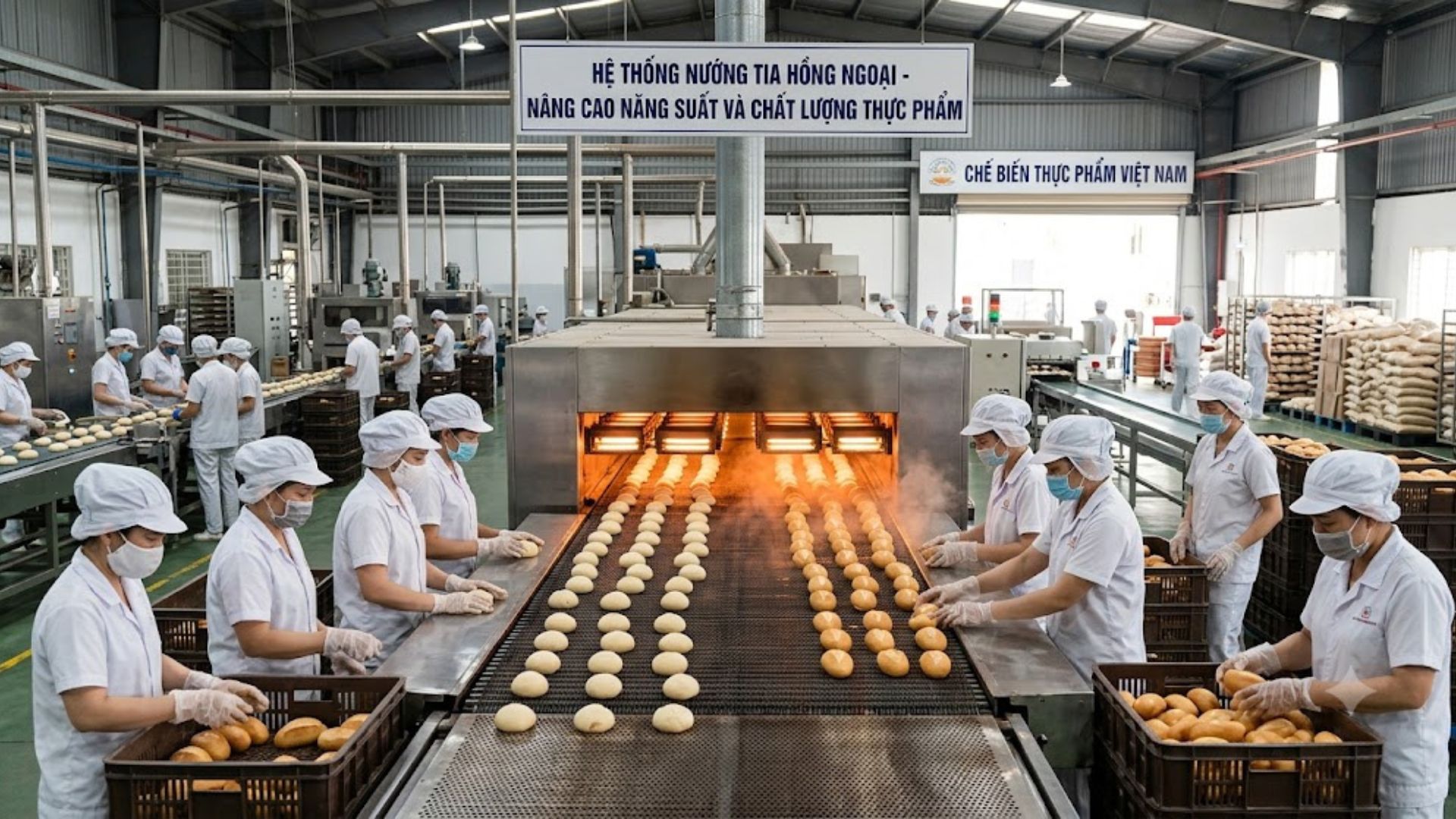
Infrared burners are used in many food processing applications. They help in baking, drying, roasting, and browning food products. Infrared heat is perfect for instant meals, snacks, and bakery items. It improves the appearance and texture of food without overcooking. Many plants in Vietnam rely on infrared burners to boost production and maintain quality.

Credit: amfbakery.com
Benefits For Vietnamese Food Plants
Infrared burners offer many benefits for food processing plants in Vietnam. These burners improve cooking speed, reduce energy use, and enhance food safety. Vietnamese food plants can increase productivity and lower costs with this technology.
Using infrared burners helps maintain the quality and taste of food. It supports the unique needs of Vietnam’s food industry. These advantages make infrared burners a smart choice for local food processors.
Improving Cooking Efficiency
Infrared burners heat food faster than traditional methods. They transfer heat directly to the food surface. This reduces cooking time and increases output. Plants can process more food in less time. Faster cooking also means less heat loss to the environment.
Energy Savings And Cost Reduction
Infrared technology uses energy more efficiently. It requires less fuel to reach cooking temperatures. This lowers energy bills and reduces waste. Plants save money on fuel and maintenance costs. Lower expenses help Vietnamese food plants stay competitive.
Enhancing Food Quality And Safety
Infrared burners provide even and consistent heat. This prevents overcooking or burning food. The method preserves the food’s natural flavor and texture. Infrared heat also reduces bacteria growth. It supports higher food safety standards required in Vietnam.
Integration Challenges
Integrating infrared burners in food processing plants in Vietnam presents unique challenges. These challenges affect efficiency and safety. Careful planning and execution are essential for smooth integration. Several factors must be addressed before and after installation.
Installation Considerations
Proper installation is crucial for infrared burners to work well. Space constraints in existing plants may limit placement options. Ventilation systems must handle increased heat output. Electrical and gas connections require exact specifications. Poor installation can reduce burner efficiency and increase risks. Coordinating with plant engineers ensures compliance with local safety codes.
Maintenance And Durability
Infrared burners need regular maintenance to perform consistently. Dust and grease buildup can block infrared rays. Burners may require frequent cleaning to avoid damage. Components exposed to heat wear out faster and need replacement. Choosing durable materials helps reduce maintenance frequency. A maintenance schedule prolongs burner life and prevents downtime.
Training And Workforce Adaptation
Workers must learn how to operate infrared burners safely. Training includes understanding burner controls and safety measures. Staff need to recognize early signs of burner malfunction. Adapting to new technology can be challenging for some employees. Clear instructions and hands-on training improve confidence and skills. Ongoing support helps maintain smooth plant operations.
Comparing Infrared To Traditional Heating
Infrared burners offer a different heating method compared to traditional systems in food processing plants in Vietnam. Understanding their differences helps in choosing the best option for efficient operations. Below is a comparison focusing on speed, heat distribution, environmental impact, and operational costs.
Speed And Heat Distribution
Infrared burners heat food quickly by directly warming the surface. This reduces cooking time significantly. Traditional heaters warm the air first, which takes longer. Infrared heat spreads evenly across the food surface. Traditional heating can create hot and cold spots. This uneven heating may affect food quality and consistency.
Environmental Impact
Infrared burners use less fuel, lowering emissions. They produce fewer greenhouse gases than traditional systems. This helps food plants in Vietnam reduce their carbon footprint. Traditional heating often wastes energy by heating large air volumes. Infrared systems focus energy on the food itself, leading to less waste.
Operational Costs
Infrared burners consume less energy, cutting utility bills. They require less maintenance due to fewer moving parts. Traditional heaters may need regular servicing and replacement parts. Energy savings and low upkeep make infrared burners cost-effective. This benefits food processing plants managing tight budgets in Vietnam.
Case Studies From Vietnam
Vietnam’s food processing plants have started adopting infrared burners with promising outcomes. These case studies reveal how local companies integrate this technology to improve their operations. Each example shows unique benefits and practical challenges faced during implementation. The following sections highlight key successes, efficiency improvements, and valuable lessons from Vietnam’s experience.
Successful Implementations
Several Vietnamese food processors installed infrared burners in their production lines. One seafood processing plant reduced drying time by 30%. Another rice cracker factory improved product texture and color using infrared heating. These installations often replaced traditional gas or electric heaters. The new infrared systems offered faster, more uniform heating. Workers reported easier temperature control and less heat loss. The technology proved reliable in humid and coastal environments typical of Vietnam.
Measured Efficiency Gains
Energy consumption dropped significantly after switching to infrared burners. One factory recorded a 25% decrease in fuel usage within six months. The direct heating method minimized wasted energy. Infrared burners heated only the product surface, reducing overall power demand. Plants also saw lower maintenance costs due to fewer mechanical parts. Faster processing times boosted overall plant throughput. These gains contributed to lower production costs and higher profit margins.
Lessons Learned
Vietnamese companies learned to adapt burner settings for different food types. Infrared intensity and distance needed careful adjustment to avoid burning. Staff training proved essential for safe and effective operation. Some plants faced initial challenges integrating infrared systems with existing lines. Proper planning and gradual implementation helped overcome these hurdles. Regular cleaning of burner surfaces prevented efficiency loss from soot buildup. The experience highlighted the importance of supplier support and technical guidance.
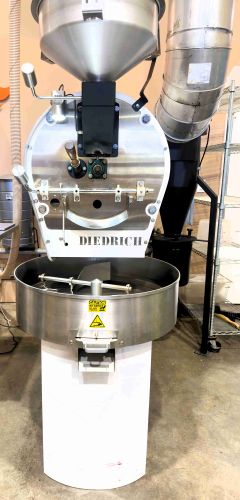
Credit: coffeetec.com
Future Trends In Infrared Technology
Infrared technology continues to evolve in food processing plants across Vietnam. New trends focus on improving efficiency and precision. These advancements help plants save energy and enhance product quality.
Future developments will make infrared burners smarter and more versatile. These innovations aim to meet rising demands in the food industry. The technology will support a wider range of applications while reducing environmental impact.
Innovations In Burner Design
Burner designs now prioritize durability and heat control. New materials improve heat distribution and reduce wear. Compact burners fit better into existing production lines. These designs ensure consistent cooking and lower maintenance costs.
Smart Controls And Automation
Automation helps monitor and adjust infrared burners in real time. Smart controls optimize temperature and timing for each batch. This reduces human error and increases productivity. Integration with factory systems simplifies operation and data tracking.
Expanding Applications In Food Processing
Infrared burners are used beyond baking and drying. They assist in roasting, grilling, and sterilizing food products. The technology adapts to different food types and packaging. Growing interest in healthier cooking methods fuels this expansion.
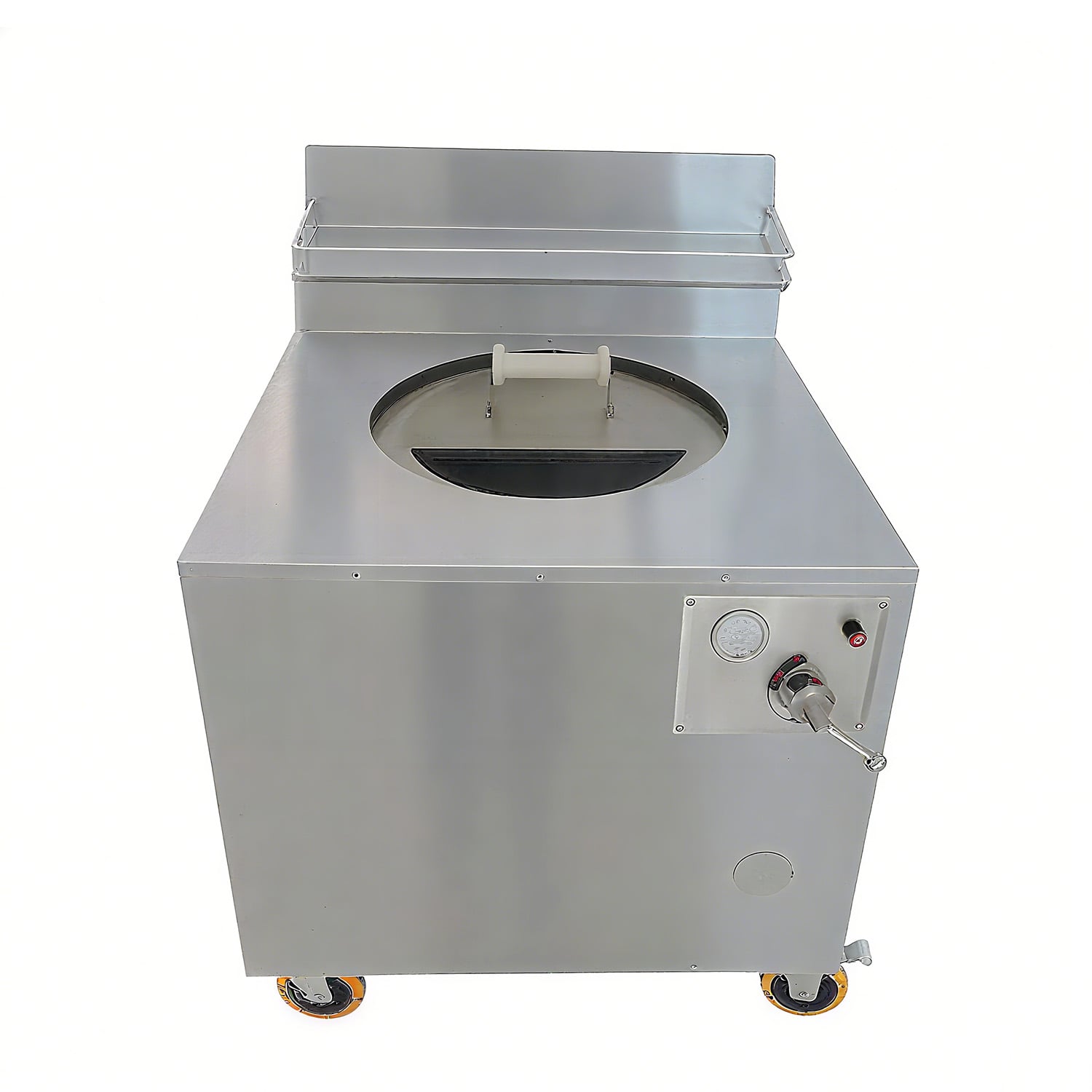
Credit: www.twothousand.com
Frequently Asked Questions
Can Infrared Radiation Cook Food?
Yes, infrared radiation can cook food by directly heating its surface. It quickly raises temperature and enhances browning and flavor. Infrared cooking is efficient, safe, and commonly used in food processing and restaurant warming lamps.
Are Infrared Lamps Used In Restaurants To Keep Food Warm?
Yes, infrared lamps are used in restaurants to keep food warm. They heat food by emitting infrared radiation absorbed by moisture.
What Are The Downsides Of Infrared Heating?
Infrared heating may cause uneven heat distribution and limited penetration depth. It can be costly to install and has less humidity control. Some materials may not absorb infrared heat efficiently, reducing effectiveness.
Is Infrared Heating Safe For Food?
Infrared heating safely cooks food by raising its temperature without altering molecular structure. It is widely used in food processing and restaurants.
Conclusion
Infrared burners offer efficient heating for food processing plants in Vietnam. They cook food quickly and evenly, saving time and energy. These burners also improve product quality with precise temperature control. Many plants benefit from their easy maintenance and durability.
Choosing infrared technology supports modern food production needs. It helps plants stay competitive in a growing market. Overall, infrared burners provide practical solutions for food processing challenges.