
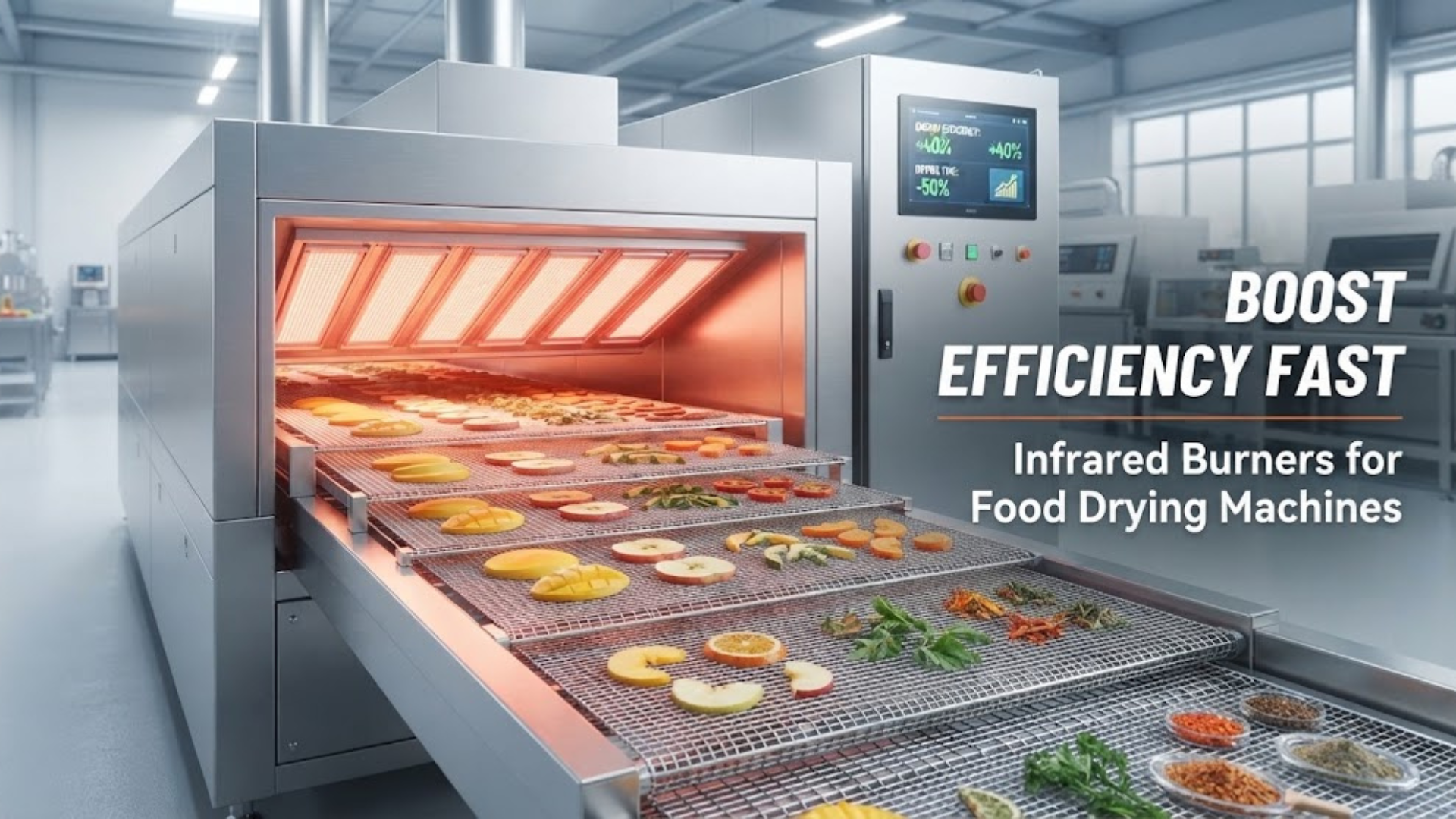
Are you looking to improve the efficiency and quality of your food drying process? Infrared burners for food drying machines might be the solution you need.
These burners use infrared radiation to heat your products quickly and evenly, cutting down drying time while preserving the taste, texture, and nutrients of your food. Imagine drying your fruits, vegetables, or meats faster without sacrificing quality—sounds like a game-changer, right?
You’ll discover how infrared burners work, why they’re safe for food, and how they can transform your drying operations for the better. Keep reading to find out how to take your food drying to the next level.
For commercial and industrial food drying equipment, different industrial infrared gas burners can be selected based on the drying capacity, heating area, food type, fuel requirements, and machine design.
Benefits Of Infrared Burners
Infrared burners offer many benefits for food drying machines. They improve efficiency, speed, and product quality. These burners use infrared radiation to deliver heat directly to food surfaces. This process reduces energy waste and enhances drying performance. Below are key advantages of using infrared burners in food drying.
Energy Efficiency Gains
Infrared burners consume less energy than traditional heating methods. They transfer heat directly to the food, reducing heat loss. This direct heating lowers overall power use. Food drying machines with infrared burners save on energy bills. They support eco-friendly operations by cutting energy waste.
Faster Drying Times
Infrared radiation speeds up moisture evaporation from food. It heats the surface quickly and evenly. This faster heat transfer shortens drying cycles significantly. Reduced drying time increases production capacity. It also lowers the chance of microbial growth during drying.
Improved Product Quality
Infrared burners help maintain food color and texture. They cause less damage to nutrients compared to other heating methods. The gentle yet effective heat preserves flavor and appearance. This results in higher quality dried food products. Customers enjoy fresher taste and better shelf life.
Precise Temperature Control
Infrared burners allow accurate heat adjustments. Operators can set specific temperatures for different foods. This control prevents overheating or uneven drying. It ensures consistent and safe drying conditions. Precise control leads to reliable product quality every time.
How Infrared Burners Work
Infrared burners are key components in food drying machines. They provide heat through infrared radiation, which dries food efficiently and evenly. Understanding how these burners work helps in appreciating their role in food processing and preservation.
Infrared Radiation Basics
Infrared burners emit energy as infrared waves. These waves are invisible light with longer wavelengths than visible light. The energy travels through the air and hits the food surface. This radiation causes molecules in the food to vibrate and generate heat.
To understand the technology behind these heating systems in more detail, learn what an infrared gas burner is and how infrared energy is used for direct radiant heating.
Heat Transfer Mechanism
The heat from infrared radiation transfers directly to the food. It does not rely on hot air or convection. This direct heating speeds up the drying process. It also reduces energy loss compared to traditional drying methods.
Penetration Depth In Food
Infrared waves can penetrate food surfaces but only to a shallow depth. This limited penetration ensures the outer layers dry first. It helps maintain the texture and quality of the food. The drying process continues inward as moisture moves to the surface.
Surface Heating Effects
Infrared burners heat the food surface quickly and evenly. This surface heating helps prevent overcooking or burning. It also preserves the food’s color and nutrients. The result is a dried product that looks and tastes natural.
Types Of Infrared Burners
Infrared burners play a vital role in food drying machines by providing efficient heat transfer. Different types of infrared burners suit various drying needs. Each type offers unique features that affect drying speed, energy use, and product quality. Understanding these types helps in selecting the right burner for specific food drying applications.
Quartz Infrared Burners
Quartz infrared burners use quartz tubes to emit heat. They heat up quickly and provide intense infrared radiation. These burners deliver fast drying and precise temperature control. Quartz burners work well for delicate foods that need gentle drying. Their quick response time saves energy and reduces drying duration.
Ceramic Infrared Burners
Ceramic infrared burners feature ceramic plates that radiate heat evenly. They heat slower than quartz burners but keep a steady temperature. Ceramic burners offer uniform heat distribution, which prevents food from drying unevenly. They are durable and ideal for products requiring consistent drying over longer periods.
Ceramic heating surfaces can be an important part of industrial infrared burner design. Explore our honeycomb ceramic burner plates for related ceramic infrared heating components and customized burner applications.
Metal-sheathed Infrared Burners
Metal-sheathed infrared burners have metal tubes that protect the heating element. These burners are robust and handle harsh drying conditions. They last longer and resist damage from moisture and heat. Metal-sheathed burners suit industrial food drying machines where durability is crucial.
Hybrid Burner Systems
Hybrid burner systems combine two or more types of infrared burners. This mix balances fast heating and steady temperature control. Hybrid systems optimize energy use while maintaining product quality. They adapt well to different food types and drying stages for improved efficiency.
Applications In Food Drying Machines
Infrared burners play an important role in food drying machines. These burners use infrared radiation to heat food products efficiently. This method helps remove moisture quickly without affecting food quality. Different types of food dryers use infrared burners in unique ways to suit various drying needs.
Food drying is one example of how direct radiant heating can be used in manufacturing and processing equipment. Explore the applications of infrared gas burners in industrial heating to see other industrial processes that can use infrared heating technology.
Batch Dryers
Batch dryers dry food in small quantities at a time. Infrared burners provide steady heat that reaches the food surface directly. This reduces drying time and saves energy. These dryers work well for fruits, vegetables, and herbs.
Continuous Dryers
Continuous dryers move food through the drying zone on a conveyor. Infrared burners heat the food evenly as it moves along. This method suits large-scale food processing. It keeps the drying process consistent and fast.
Similar continuous heating principles are used in other industrial drying systems. Learn more about infrared burners for powder coating and drying lines and their role in continuous production equipment.
Rotary Infrared Dryers
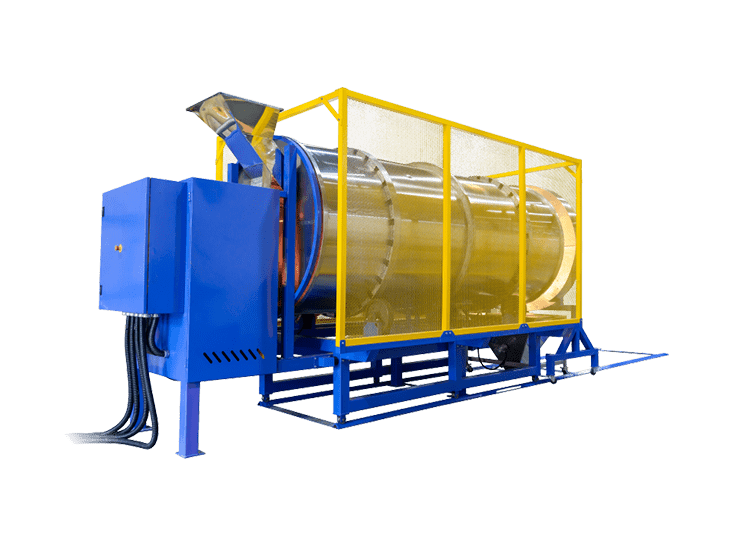
Rotary dryers use a rotating drum to tumble food during drying. Infrared burners heat the food inside the drum uniformly. This prevents clumping and ensures even moisture removal. Rotary dryers are ideal for grains and small food pieces.
Hybrid Drying Systems
Hybrid systems combine infrared burners with other drying methods. They use the strengths of each method for better results. Infrared heat quickly removes surface moisture. Other methods dry the inside more deeply. This approach preserves food texture and nutrients well.
Food Safety And Quality
Food safety and quality are top priorities in food drying processes. Infrared burners offer precise heat control, which helps protect food properties. Using this technology can improve drying efficiency while keeping food safe and fresh. Understanding how infrared heating affects safety and quality is essential for food producers and consumers alike.
Safety Of Infrared Heating
Infrared heating uses electromagnetic waves to transfer heat. This method does not change the food’s molecular structure. Research confirms infrared heating is safe for cooking and drying food. It avoids harmful chemicals or residues. The technology ensures even heat distribution, reducing the risk of overcooking or burning.
Maintaining Nutrient Content
Infrared drying uses less time than traditional methods. Faster drying helps retain vitamins and minerals in food. Lower temperatures prevent nutrient loss caused by heat damage. This method preserves essential nutrients, making food healthier to eat. It supports better nutrition without compromising drying efficiency.
Preserving Color And Texture
Infrared burners provide gentle and consistent heating. This helps maintain the natural color of fruits and vegetables. The texture stays closer to fresh food, avoiding excessive hardness or brittleness. Preserved color and texture improve food appearance and consumer appeal. This method enhances the sensory quality of dried products.
Reducing Microbial Risks
Infrared drying rapidly removes moisture from food surfaces. Lower moisture levels prevent bacterial and mold growth. The heat also kills many harmful microbes during drying. This reduces the risk of foodborne illnesses. Infrared technology supports safer food storage and longer shelf life.
Credit: www.tshs-dryer.com
Installation And Maintenance Tips
Proper installation and regular maintenance of infrared burners are vital for food drying machines. These steps ensure safety, efficiency, and long-lasting performance. Following clear guidelines helps avoid common problems and keeps the drying process smooth.
Below are practical tips covering placement, cleaning, troubleshooting, and performance optimization of infrared burners.
Proper Burner Placement
Place infrared burners at the correct height and distance from food products. This ensures even heat distribution and prevents burning. Avoid direct contact between burners and food. Align burners to cover all drying trays uniformly. Secure mounting prevents vibration and damage during operation.
Regular Cleaning Practices
Clean burners regularly to remove dust and food residue. Use a soft brush or cloth to avoid damage. Avoid water or harsh chemicals that can corrode burner surfaces. Inspect burners for blockages that reduce heat output. Clean reflectors and nearby surfaces to maintain heat efficiency.
Troubleshooting Common Issues
Check power connections if burners fail to ignite. Inspect wiring for wear or loose contacts. Monitor burner flames for irregular shapes or color changes that signal problems. Replace faulty sensors or controls promptly. Listen for unusual noises indicating mechanical issues.
Reliable burner operation can also depend on compatible ignition and control components. Explore our ignition controllers for industrial infrared burners for related burner control solutions.
Optimizing Burner Performance
Adjust burner settings to match the food type and drying stage. Use recommended wattage and temperature ranges. Ensure proper airflow around burners to avoid overheating. Calibrate controls regularly for accurate heat delivery. Monitor energy consumption to detect inefficiencies early.
Cost Considerations
Cost considerations play a crucial role when choosing infrared burners for food drying machines. Understanding different expense factors helps make smart decisions. These costs impact both short-term budgets and long-term savings. Evaluating initial costs, energy use, and upkeep ensures better financial planning. Below are key cost areas to consider.
Initial Investment
Infrared burners often require higher upfront spending than traditional heaters. The price depends on burner size, brand, and technology. Quality materials and advanced designs may increase cost. This initial investment covers equipment purchase and installation. Budgeting for these costs is essential before buying.
The right burner should be selected according to the equipment design and required heating capacity. For industrial drying and oven applications, explore the HY-1602 infrared gas burner for drying and powder coating ovens.
Energy Savings Over Time
Infrared burners use energy more efficiently than many alternatives. They deliver heat directly to food, reducing energy waste. This efficiency lowers electricity bills during operation. Over time, energy savings can balance the higher initial cost. Choosing energy-efficient models maximizes these savings.
Maintenance Expenses
Infrared burners usually need less maintenance than other heating systems. Their simple design reduces the risk of breakdowns. Still, regular cleaning and occasional part replacements are necessary. Maintenance costs depend on usage frequency and operating conditions. Planning for these expenses avoids unexpected costs.
Return On Investment
Return on investment (ROI) measures the financial benefits over time. Infrared burners often offer quicker ROI due to energy savings and low upkeep. Faster drying times also increase productivity, adding value. Calculating ROI helps evaluate if the burner suits your business goals.
Future Trends In Infrared Drying
Infrared drying is evolving rapidly with new trends shaping its future. These advances improve efficiency, reduce costs, and expand uses. Infrared burners for food drying machines will benefit from these innovations. The changes will impact how food drying meets industry demands.
New technologies make infrared drying faster and more reliable. Automation integration allows precise control and consistent results. Sustainable solutions reduce energy use and environmental impact. More industries will adopt infrared drying for various products.
Advancements In Burner Technology
Infrared burners are becoming more efficient and durable. New materials enhance heat transfer and reduce energy loss. Burners now produce more uniform heat distribution. This improves drying speed and food quality. Innovations focus on reducing maintenance needs and extending burner life.
As infrared heating systems become more specialized, selecting the right burner for the equipment design becomes increasingly important. Read our guide on how to choose an infrared burner for industrial ovens for key burner selection factors.
Integration With Automation
Automation helps control drying temperature and time precisely. Sensors monitor moisture and adjust heat automatically. This reduces human error and increases productivity. Data from machines allow better process optimization. Automation also supports remote monitoring and control.
Sustainability Improvements
Energy-efficient burners lower power consumption significantly. Infrared drying uses less energy than traditional methods. New designs minimize emissions and waste heat. Using renewable energy sources with burners is growing. These steps help industries meet environmental regulations.
Expanding Industrial Applications
Infrared drying now serves more food products and materials. It suits fruits, vegetables, meats, and herbs. Non-food sectors like pharmaceuticals and textiles use it too. Its fast, gentle drying preserves product quality well. The range of applications will keep growing worldwide.
Frequently Asked Questions
Is Infrared Heating Food Safe?
Infrared heating is safe for cooking food. It heats food without altering its molecular structure or quality. Infrared cooking preserves nutrients and ensures even heating, making it a reliable and healthy method for food preparation.
What Is The Infrared Drying Method?
The infrared drying method uses infrared radiation to heat and remove moisture from products. It saves time and energy while preserving quality.
Can Infrared Be Used To Heat Food?
Infrared can heat food by transferring energy through radiation, mainly heating the surface quickly and evenly. It preserves texture and nutrients.
What Is Infrared Heating In Food Drying An Overview?
Infrared heating in food drying uses electromagnetic waves to heat food surfaces directly. It speeds drying, preserves nutrients, color, and texture, and reduces energy use. This method avoids hot air convection, ensuring uniform, efficient moisture removal while maintaining high food quality.
Looking for an Infrared Burner for Food Drying Equipment?
Choosing the right infrared burner depends on the food product, drying capacity, heating area, production process, fuel type, and equipment design. If you need technical specifications or a customized infrared heating solution, contact our team to discuss your food drying application.
Conclusion
Infrared burners offer efficient and quick drying for food machines. They save energy while keeping food quality high. The heat reaches food surfaces evenly, preserving taste and nutrients. Using these burners reduces drying time and improves texture. Choosing the right infrared burner helps achieve consistent results every time.
This technology suits many food drying needs. Simple, reliable, and cost-effective—infrared burners enhance drying processes naturally.