

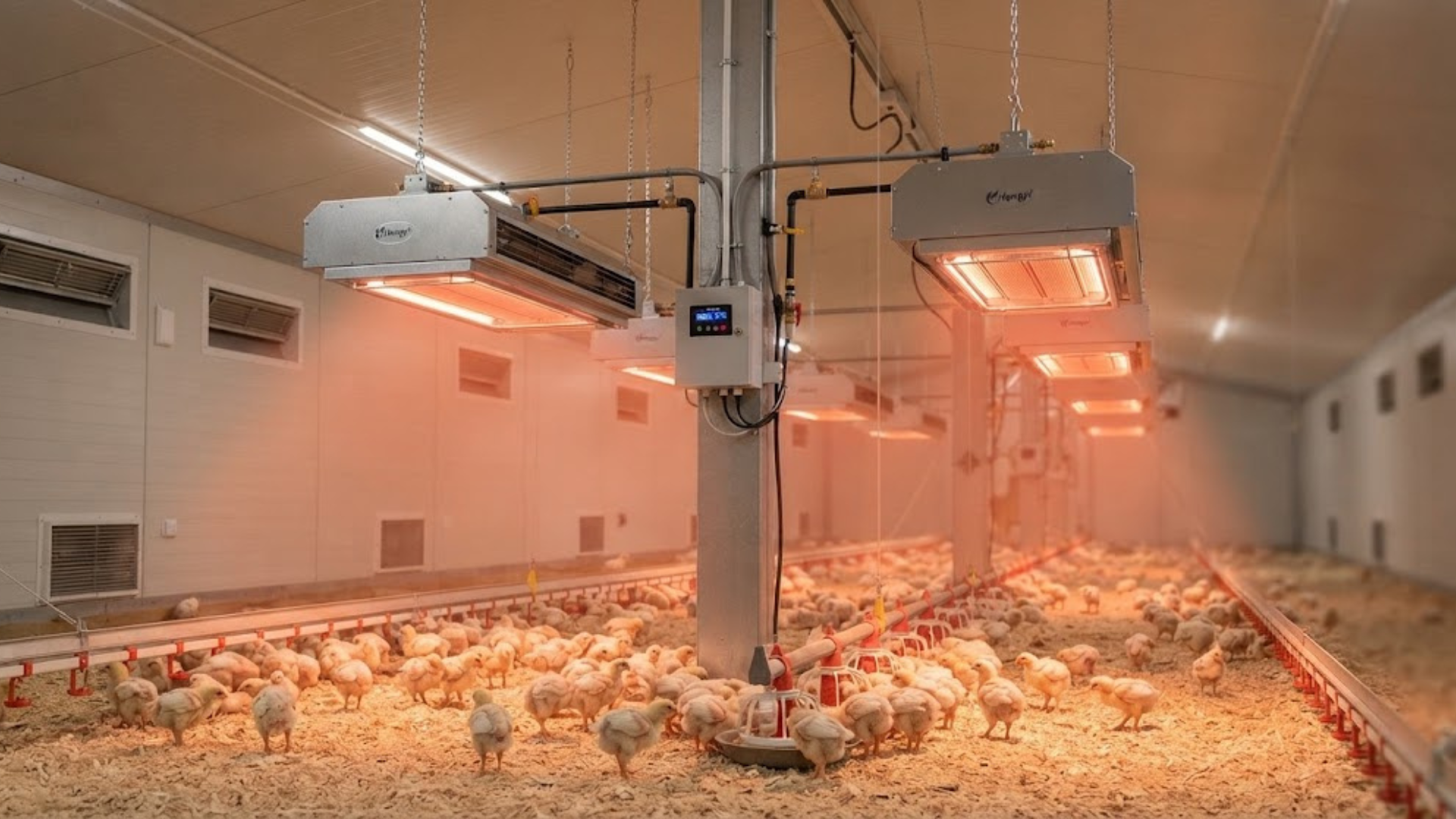
If you’re raising poultry, you know how crucial it is to keep your birds warm and comfortable, especially during colder months. That’s where gas burners for poultry heating systems come in.
These burners provide reliable, efficient heat that helps maintain the perfect environment for your flock to thrive. But how do you choose the right gas burner for your poultry house? And what benefits can you expect from upgrading your heating system?
Keep reading to discover everything you need to know about gas burners for poultry heating systems—and how they can make a difference in your poultry farming success.
For poultry houses that require direct and responsive radiant heating, different industrial infrared gas burners can be selected based on the heating area, farm layout, fuel type, and temperature requirements.
Benefits Of Gas Burners
Gas burners offer many benefits for poultry heating systems. They provide reliable warmth, which is essential for bird health and growth. Choosing the right burner can improve farm efficiency and reduce energy costs. Below are key advantages of using gas burners in poultry heating.
Energy Efficiency
Gas burners use fuel efficiently to produce heat. They convert most of the gas energy into warmth without much waste. This high efficiency means less fuel is needed to keep the poultry house warm. Efficient burners lower energy use and reduce the farm’s carbon footprint.
For applications that require controlled and flameless radiant heating, you can also learn more about catalytic infrared burners and their heating characteristics.
Consistent Heat Distribution
Gas burners deliver steady heat across the poultry area. This even heat prevents cold spots where birds could get sick. Consistent warmth supports uniform growth and comfort for all poultry. It also helps maintain stable temperatures during cold weather.
Cost Savings
Using gas burners can lower heating expenses over time. Their energy efficiency reduces fuel consumption and bills. Maintenance costs are often low due to simple burner designs. Cost savings allow farmers to invest more in other farm areas.
Types Of Gas Burners
Gas burners are essential components of poultry heating systems. They provide warmth that supports healthy growth and comfort for birds. Different types of gas burners serve various heating needs in poultry farms. Understanding these types helps in choosing the right system for better results.
Infrared Burners
Infrared burners emit radiant heat directly to birds and surfaces. This heat feels like sunshine and warms objects, not air. They are energy-efficient and reduce heat loss. Infrared burners help maintain consistent temperatures in poultry houses. They are quiet and create a calm environment for the birds.
To understand the technology behind this direct radiant heating method, learn what an infrared gas burner is and how it works.
Forced Air Burners
Forced air burners use a fan to blow warm air into the poultry house. This method heats the air quickly and evenly. It helps maintain proper ventilation and reduces moisture buildup. Forced air burners are easy to control and adjust. They are suitable for larger poultry farms with high heating demands.
Indirect Gas Fired Burners
Indirect gas fired burners heat air without exposing it directly to combustion gases. This keeps the air clean and safe for birds. The burner heats a heat exchanger, which then warms the air. Indirect burners are ideal for sensitive environments where air quality matters. They offer reliable and efficient heating for poultry houses.
For poultry house heating and brooding applications, explore our poultry farm infrared catalytic gas heater designed for gas-fired infrared heating systems.
Choosing The Right Burner
Choosing the right gas burner for your poultry heating system is essential for maintaining a healthy environment. The burner affects heat distribution, fuel efficiency, and overall safety. Selecting a burner that fits your specific needs ensures comfort for your birds and lowers operating costs.
Consider the fuel type, burner size, and built-in safety features before making a decision. These factors impact performance and long-term reliability.
Fuel Options: Propane Vs Natural Gas
Propane burners provide quick heat and are easy to install. They work well in areas without natural gas lines. Propane is stored on-site in tanks and offers consistent heat output.
Natural gas burners connect directly to gas pipelines. They are often cheaper to operate but require reliable access to gas lines. Natural gas burns cleaner than propane, reducing emissions.
Both fuels have their advantages. Choose based on availability, cost, and your farm’s infrastructure.
Fuel selection is also an important consideration for commercial and industrial heating systems. Explore our guide to natural gas infrared burners for industrial heating systems to understand gas-based infrared heating applications.
Burner Size And Capacity
Burner size must match the space you need to heat. A burner too small will struggle to keep the area warm. Too large a burner wastes fuel and raises costs.
Calculate the volume of your poultry house before selecting a burner. Check the BTU rating to ensure it can handle your heating needs efficiently.
Correct capacity keeps temperatures stable and supports bird growth and health.
Burner capacity, heating area, and equipment design are also important selection factors in other heating systems. Read our guide on how to choose an infrared burner for industrial ovens to understand key burner selection considerations.
Safety Features
Safety is crucial when using gas burners around animals. Look for models with automatic shutoff valves. These stop gas flow if the flame goes out.
Burners with flame sensors prevent gas leaks and reduce fire risks. Overheat protection adds a layer of security during operation.
Proper ventilation and regular maintenance also improve safety for your poultry and farm workers.
Installation Considerations
Installing gas burners for poultry heating systems requires careful planning. Proper setup ensures safety, efficiency, and long-lasting performance. Consider important factors before installation to avoid problems later. Focus on ventilation, burner placement, and system integration. Each aspect plays a key role in maintaining a healthy environment for your poultry.
Ventilation Requirements
Gas burners need adequate ventilation to operate safely. Proper airflow removes harmful gases like carbon monoxide. Ensure the building has vents or fans to allow fresh air in. Avoid enclosed spaces without ventilation. Check local codes for ventilation standards to meet safety rules. Good ventilation also helps control humidity and heat levels.
Placement For Optimal Heat
Place gas burners where heat spreads evenly across the poultry area. Avoid putting burners too close to birds to prevent burns. Position burners away from flammable materials and bedding. Mount burners at a height that allows warm air to circulate well. Proper placement reduces cold spots and improves energy use.
Integration With Existing Systems
Combine gas burners with your current heating and ventilation systems smoothly. Check compatibility with thermostats and controllers already in use. Use compatible piping and fittings to connect gas supply safely. Plan for easy access to burners for maintenance and inspection. Coordinated systems help maintain steady temperature and save fuel.
Compatible control systems can also help manage burner operation and ignition. Explore our ignition controllers for industrial infrared burners for related burner control components.
Maintenance Tips
Proper maintenance keeps gas burners in poultry heating systems safe and efficient. Regular care prevents breakdowns and extends burner life. It also helps maintain consistent warmth for your poultry. Follow these simple tips to ensure your heating system works well all season.
Regular Cleaning
Clean burners remove dust and debris that block flames. Turn off the gas supply before cleaning. Use a soft brush or cloth to wipe burner surfaces. Avoid harsh chemicals that can damage parts. Clean burner ports gently to keep flames even. A clean burner improves fuel efficiency and heat output.
Inspection For Gas Leaks
Check connections and hoses for gas leaks regularly. Use a soap solution on joints; bubbles show leaks. Never check leaks with a flame. Tighten loose fittings carefully to stop leaks. Gas leaks waste fuel and pose serious safety risks. Early detection protects your poultry and property.
Seasonal Checks
Perform a full system check before each heating season. Inspect the ignition system and pilot light for proper operation. Replace worn or damaged parts immediately. Test the thermostat and controls for accuracy. Verify ventilation is clear for safe gas combustion. Seasonal checks keep your heating system reliable and safe.
Reliable burner operation also depends on properly maintained ignition components. Explore our ignition needles for infrared gas burners for related burner ignition solutions.
Safety Measures
Gas burners are common in poultry heating systems. Safety is crucial to protect both the birds and the farm. Proper safety measures reduce risks and ensure smooth operation. Understanding key safety steps helps avoid accidents and health problems.
Preventing Fire Hazards
Fire hazards can cause serious damage. Keep burners clean and free from dust. Regularly inspect gas lines for leaks or cracks. Use flame detectors to spot unsafe conditions early. Store flammable materials far from heating areas. Train staff to handle gas equipment carefully. Ensure proper ventilation to avoid gas buildup.
Protecting Poultry Health
Gas burners must provide safe, even heat. Avoid overheating or cold spots in the coop. Monitor air quality to reduce harmful gases. Keep humidity at comfortable levels for birds. Regularly check burner settings to keep temperature stable. Clean burners to prevent smoke and fumes. Healthy birds grow better and resist disease.
Emergency Shutoff Systems
Emergency shutoff systems stop gas flow instantly. Install automatic shutoff valves near burners. Test shutoff devices regularly to confirm they work. Place manual shutoff switches where workers can reach easily. These systems prevent accidents during malfunctions. Quick response limits damage and keeps birds safe.
Common Challenges
Gas burners play a crucial role in poultry heating systems. They provide consistent warmth to maintain bird health and growth. Despite their importance, these burners face common challenges that affect their performance and lifespan. Understanding these issues helps farmers keep their systems efficient and reliable.
Temperature Fluctuations
Maintaining a steady temperature is vital for poultry comfort. Gas burners sometimes cause temperature swings. These fluctuations stress the birds and reduce growth rates. Causes include poor burner calibration and uneven heat distribution. Regular checks and adjustments help minimize these swings.
Fuel Supply Issues
Gas burners depend on a steady fuel supply. Interruptions can stop heating and harm poultry health. Problems arise from low gas pressure or supply line blockages. Monitoring fuel flow and keeping supply lines clear prevents these issues. Backup fuel options also ensure continuous operation.
Equipment Wear And Tear
Gas burners endure constant use, leading to wear and tear. Parts like igniters and valves may fail over time. Dirt and debris buildup also impair burner function. Routine cleaning and timely replacement of worn parts extend burner life. Proper maintenance keeps the system running smoothly.
Innovations In Poultry Heating
Innovations in poultry heating improve comfort and efficiency. New technologies help maintain stable temperatures for healthy birds. These advances reduce energy costs and simplify system management. Gas burners now work smarter and save more energy.
Smart Thermostats
Smart thermostats control poultry heating with precision. They adjust heat based on real-time temperature data. This keeps the environment steady and avoids overheating. Farmers can set temperature ranges easily. These devices learn patterns to improve heating over time.
Energy-saving Technologies
Energy-saving features reduce fuel use without losing warmth. Burners use better combustion methods to maximize heat output. Insulation and airflow designs help keep heat inside. Some systems recycle warm air to heat the space again. This lowers bills and protects the environment.
Infrared heating technology is also used across different manufacturing and processing environments where fast and controlled heat is required. Explore the applications of infrared gas burners in industrial heating to learn more about these broader heating applications.
Remote Monitoring Systems
Remote monitoring systems allow farmers to check heating from anywhere. They send alerts if temperatures drop or rise too high. This quick response prevents harm to poultry. Mobile apps show real-time data and system status. Remote control helps fix issues without being on site.
Cost Analysis
Understanding the cost of gas burners for poultry heating systems helps farmers plan their budget wisely. This section breaks down the expenses into three parts. The initial investment, operating expenses, and return on investment show the true financial picture.
Initial Investment
The initial investment includes the purchase price of the gas burner. Installation fees and any necessary modifications to the poultry house add to this cost. Quality burners may cost more but last longer and perform better. Choosing the right burner size affects both efficiency and upfront cost.
Operating Expenses
Operating expenses cover fuel costs, maintenance, and repairs. Gas prices can vary, impacting monthly bills. Regular maintenance keeps burners running efficiently and reduces costly breakdowns. Efficient burners use less fuel, lowering overall expenses. Monitoring fuel use helps control costs over time.
Return On Investment
Return on investment depends on fuel savings and improved poultry health. Proper heating reduces mortality and boosts growth rates. Energy-efficient burners save money compared to electric or less efficient heaters. Over time, savings can cover the initial investment and increase profits. Tracking performance helps measure ROI accurately.
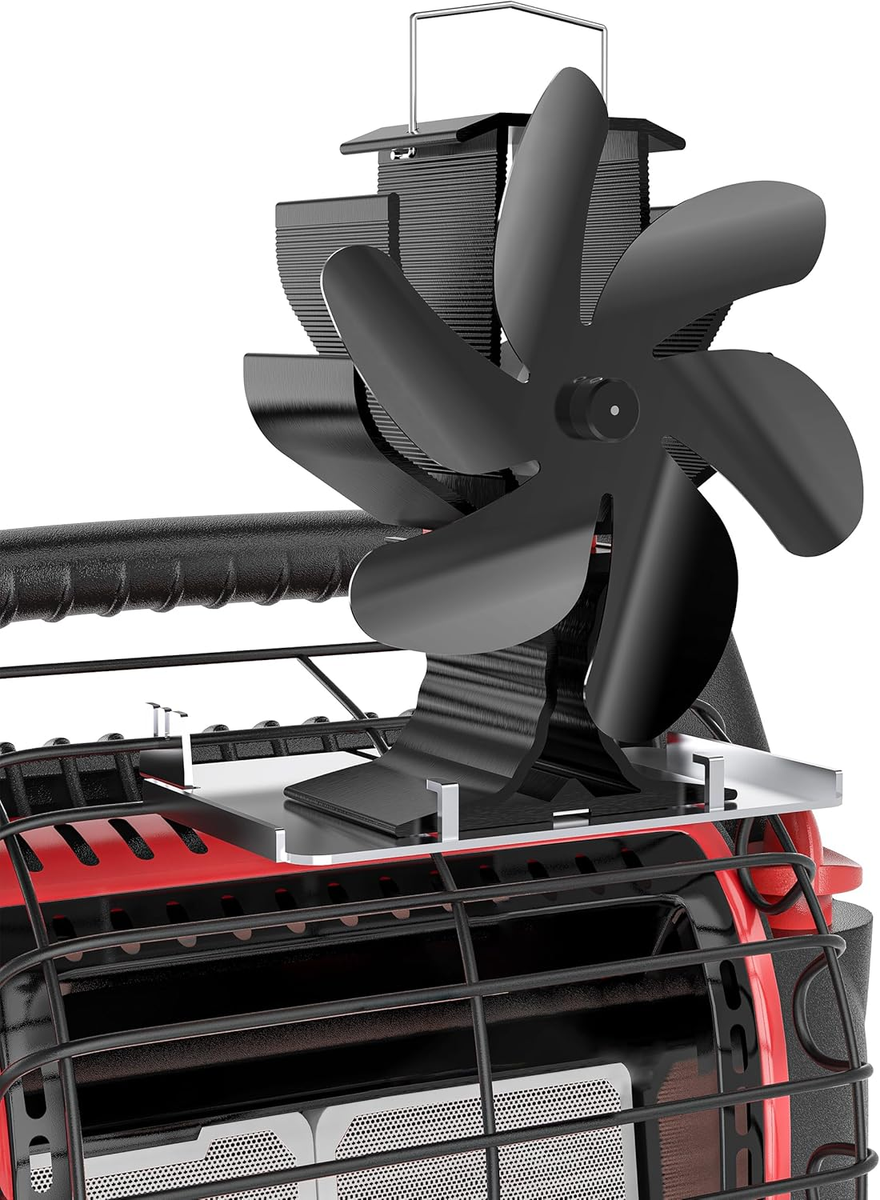
Credit: www.infinibandta.org

Credit: www.inlandaction.com
Frequently Asked Questions
What Is The Safest Heater For A Chicken Coop?
The safest heater for a chicken coop is an indirect gas-fired heater with a closed combustion system. It prevents carbon monoxide risks and maintains consistent warmth. Choose thermostatically controlled, poultry-specific heaters to ensure safety and comfort for your chickens during cold weather.
What Heaters Are Used In Poultry Farms?
Poultry farms use gas burners, infrared heaters, and forced-air poultry heaters. These provide efficient, safe, and consistent warmth for birds.
What Is The Best Heating Source For A Chicken Coop?
The best heating source for a chicken coop is a safe, indirect gas or propane heater. It provides consistent warmth and reduces fire risk.
Are Propane Heaters Safe For Chickens?
Propane heaters can be safe for chickens if used properly with good ventilation and indirect heat sources. Avoid direct exposure to flames or fumes.
Looking for a Gas Infrared Heating Solution for Your Poultry Farm?
Choosing the right heating system depends on the poultry house size, required temperature, fuel availability, burner capacity, ventilation, and farm layout. If you need product specifications or a customized infrared heating solution, contact our team to discuss your poultry heating requirements.
Conclusion
Choosing the right gas burner improves poultry heating efficiency and bird comfort. Reliable burners keep the coop warm during cold weather. They help maintain consistent temperatures, which supports healthy growth. Energy-efficient models reduce fuel costs and lower emissions. Simple installation and easy maintenance save time and effort.
Proper heating protects poultry from stress and illness. Investing in quality burners benefits both farmers and birds. Warm poultry means better productivity and fewer health problems.