
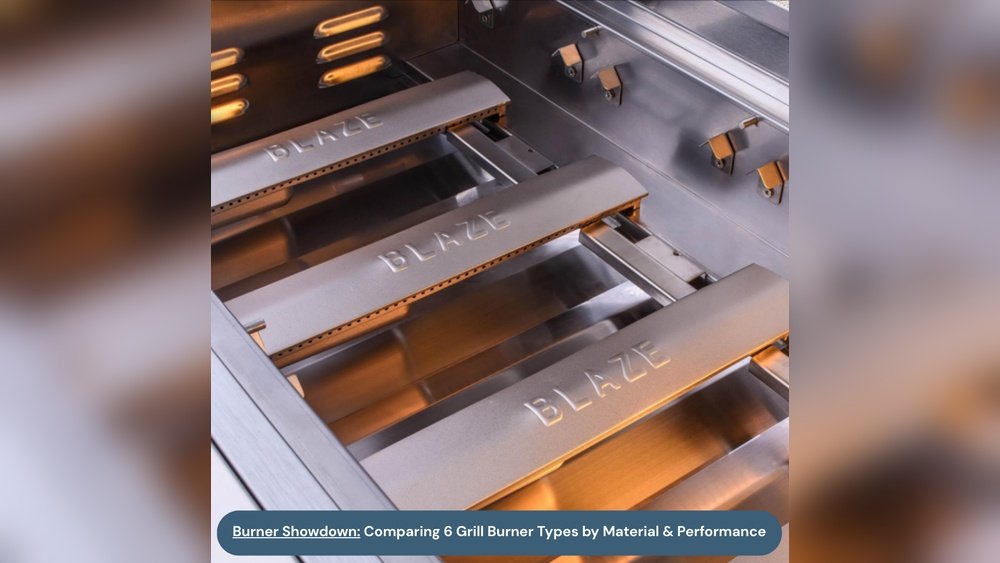
When it comes to grilling, you want the best heat source to cook your food perfectly every time. But what’s better for your grill—ceramic infrared burners or traditional metal burners?
You might be wondering which one gives you that perfect sear, cooks faster, or even saves fuel. Choosing the right burner can change your entire grilling experience, from juicy steaks to evenly cooked veggies. You’ll discover the key differences between ceramic infrared and metal burners, so you can pick the one that fits your grilling style and brings out the best flavor in your food.
Keep reading—you’re about to unlock the secret to grilling like a pro.
Ceramic infrared technology is also used in a wide range of commercial and industrial heating systems. Explore our range of industrial infrared gas burners to see different burner solutions and configurations.
Credit: www.walmart.com
Heat Generation Methods
Heat generation methods vary significantly between ceramic infrared burners and metal burners. Each type uses a distinct process to produce heat, impacting cooking performance and efficiency. Understanding these methods helps choose the right burner for your needs.
How Ceramic Infrared Burners Work
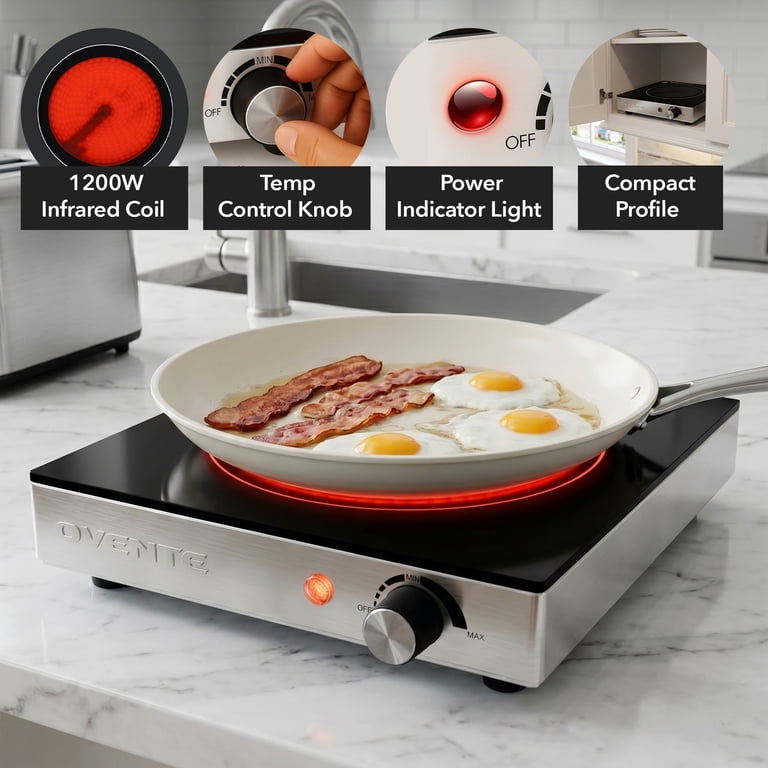
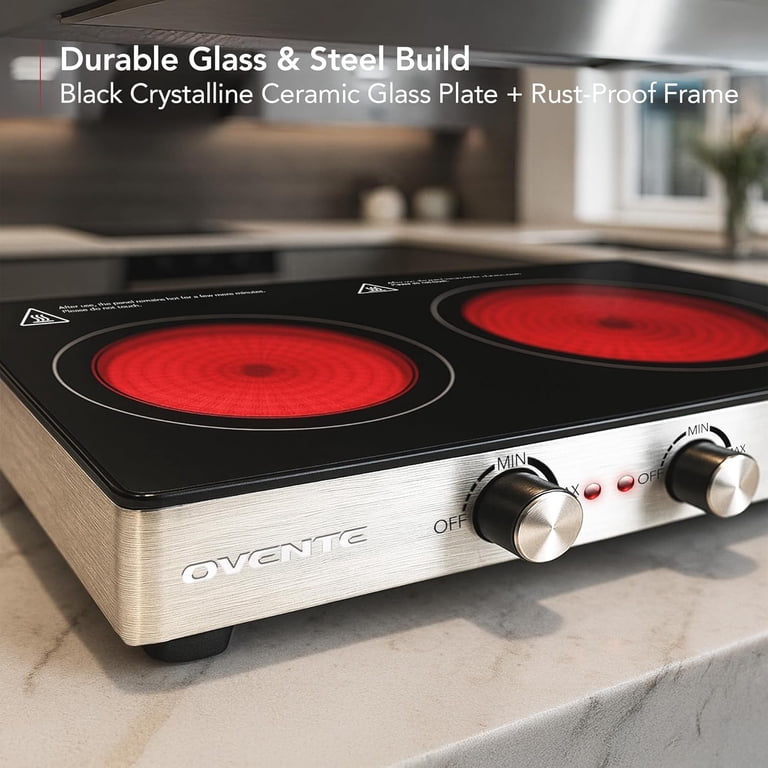
Ceramic infrared burners heat through infrared radiation. Gas flows beneath a ceramic plate. The plate absorbs the flame’s heat and emits infrared energy.
This energy travels directly to the food, heating it quickly. The ceramic surface reaches high temperatures fast. It creates intense, even heat without open flames.
The ceramic surface is an important part of the infrared heating process. For industrial and customized burner systems, explore our honeycomb ceramic burner plates and related infrared heating components.
The infrared heat cooks food by warming its surface, locking in juices. This method reduces flare-ups and uneven cooking.
How Metal Burners Work
Metal burners produce heat using direct flame contact. Gas burns through metal tubes or ports, creating an open flame. This flame heats the cooking surface by conduction.
The heat spreads from the burner to the grill grates. Food cooks through direct contact with these hot grates or the flame.
Metal burners often heat slower and can have hot or cool spots. Flames may cause flare-ups if fat drips onto them.
Comparing Heat Transfer
Ceramic infrared burners transfer heat mainly by radiation. This means heat moves directly to the food without heating the air first. It results in faster cooking and less heat loss.
Metal burners transfer heat by conduction and convection. Flames heat the grates, which then cook the food. This process can take longer and cause uneven heat.
Infrared burners offer more consistent heat with fewer flare-ups. Metal burners provide a traditional flame and may add smoky flavor.
To understand the basic technology behind radiant heating systems, learn what an infrared gas burner is and how infrared energy is used to transfer heat directly to the target.
Credit: www.walmart.com
Temperature Performance
Temperature performance defines how well a burner heats and cooks food. It affects cooking speed, searing quality, and even heat distribution. Both ceramic infrared burners and metal burners offer different heat characteristics. Understanding these differences helps you choose the right burner for your needs.
Maximum Heat Output
Ceramic infrared burners reach higher temperatures than metal burners. They can produce intense, focused heat ideal for searing. Metal burners usually have lower maximum heat output. They provide steady, even heat but lack the peak temperature of ceramic burners.
Heat-up Speed
Ceramic infrared burners heat up very fast. They radiate heat directly to the food surface, reducing wait time. Metal burners take longer to reach their full heat. Their heat rises gradually, which may slow down cooking.
Searing Capabilities
Infrared ceramic burners excel at searing. They create a hot, even surface that locks in juices. Metal burners can sear but less efficiently. They often require flipping and longer cook times to achieve the same result.
Cooking Quality
Cooking quality greatly influences the grilling experience and final taste. Ceramic infrared burners and metal burners differ in how they affect food texture and flavor. Each offers unique benefits in heat distribution and cooking control. Understanding these differences helps you choose the right burner for your needs.
Moisture Retention
Ceramic infrared burners cook food by emitting radiant heat. This method seals juices inside meat quickly. The result is tender, juicy food with less drying. Metal burners rely on direct flame heat. They can cause moisture loss if food is overexposed to heat. Ceramic burners maintain moisture better for more flavorful meals.
Evenness Of Cooking
Ceramic infrared burners heat evenly across their surface. This reduces hot spots and uneven cooking. Food cooks more uniformly, avoiding burnt edges or raw centers. Metal burners often create uneven heat zones. They may require frequent turning to cook food evenly. Ceramic burners simplify grilling with consistent heat.
Flare-up Management
Flare-ups occur when fat drips onto flames, causing bursts of fire. Metal burners are more prone to flare-ups due to open flames. This can char food and create bitter tastes. Ceramic infrared burners reduce flare-ups by radiating heat without open flames. This control helps protect food from burning and maintains clean flavors.
Fuel Efficiency
Fuel efficiency plays a key role in choosing between ceramic infrared burners and metal burners. It affects energy use and your overall costs. Both burner types operate differently, which influences fuel consumption and expenses over time.
Energy Consumption
Ceramic infrared burners use radiant heat to cook food. They reach high temperatures quickly and retain heat well. This reduces the amount of fuel needed during cooking.
Metal burners rely on direct flame and convection heat. They take longer to reach desired temperatures. This can lead to higher fuel use during cooking sessions.
Overall, ceramic infrared burners tend to consume less fuel compared to metal burners. Their efficient heat transfer means less wasted energy. This makes them a better option for energy-conscious users.
Cost Over Time
The initial cost of ceramic infrared burners is usually higher than metal burners. But their fuel savings can lower costs in the long run. Less fuel use means smaller gas bills or fewer refills.
Metal burners may cost less upfront but often use more fuel. This can increase expenses over time. Frequent cooking with metal burners can lead to higher fuel costs.
Choosing a burner with better fuel efficiency can save money over time. Ceramic infrared burners offer strong savings through lower energy use and fuel expenses.
Similar efficiency benefits can also be important in larger manufacturing and processing systems. Explore the applications of infrared gas burners in industrial heating to see how this technology is used beyond grilling equipment.
Durability And Maintenance
Durability and maintenance are key factors when choosing between ceramic infrared burners and metal burners. Both types have unique features that affect their lifespan and upkeep. Understanding these differences helps you make a smart purchase that lasts longer and stays efficient.
Lifespan Expectations
Ceramic infrared burners tend to have a longer lifespan than metal burners. The ceramic material resists high heat and corrosion better. Metal burners can rust or warp over time from constant exposure to flames. However, ceramic burners may crack if dropped or handled roughly. Metal burners usually withstand physical impact better but may need replacement sooner due to wear.
Cleaning And Care
Ceramic infrared burners require gentle cleaning to avoid damage. Use soft brushes and mild cleaners to remove grease and food residue. Avoid harsh chemicals or scrubbing pads that can crack the surface. Metal burners are easier to clean with wire brushes and stronger detergents. They tolerate tougher cleaning but may need more frequent attention to prevent rust.
Resistance To Wear
Ceramic burners resist wear from heat cycles and moisture well. They maintain performance without warping or corroding. Metal burners can suffer from rust spots, cracks, and warping after prolonged use. Protective coatings help but may wear off with time. Ceramic units often retain their shape and efficiency longer under regular use.
For burner systems designed around ceramic heating surfaces, different honeycomb ceramic burner plate solutions are available depending on burner size, application, and heating requirements.
Safety Considerations
Safety is a top concern when choosing between ceramic infrared burners and metal burners. Both types have unique features that affect how safe they are during cooking. Knowing these differences can help you avoid accidents and cook with confidence.
Burners reach very high temperatures, so controlling heat and preventing flare-ups is crucial. Proper burner choice contributes to a safer cooking environment.
Flare-up Prevention
Ceramic infrared burners reduce flare-ups by heating food evenly. Their design traps grease and drippings, preventing sudden flames. Metal burners often allow grease to drip directly on the flame, causing flare-ups. This can lead to burns or uncontrolled fire. Using ceramic burners lowers this risk and keeps cooking safer.
Heat Control Precision
Ceramic infrared burners provide precise heat control. They heat quickly and maintain steady temperatures. This makes it easier to cook food evenly without burning. Metal burners can have hot spots and uneven heat. This unevenness increases the chance of overcooking or flare-ups. Precise heat control with ceramic burners improves safety and cooking results.
Versatility And Use Cases
Choosing between ceramic infrared burners and metal burners depends on their versatility and use cases. Each type suits different cooking needs and styles. Understanding their strengths helps select the right burner for your kitchen.
Ideal Cooking Styles
Ceramic infrared burners excel in high-heat cooking. They deliver intense, even heat quickly. This makes them perfect for searing steaks and grilling meats. The heat penetrates food, locking in juices and flavor. Metal burners provide steady, moderate heat. They work well for simmering, boiling, and slow cooking. Metal burners suit recipes needing gentle and consistent heat. Both burners serve different cooking techniques effectively.
Adaptability To Different Foods
Ceramic infrared burners handle dense meats and thick cuts best. They cook quickly without drying out food. These burners also perform well with vegetables needing quick charring. Metal burners adapt to a wider range of foods. They gently cook soups, sauces, and delicate items. Metal burners offer better control for multi-step recipes. Choosing depends on the food type and cooking style.
Infrared heating technology is also widely adapted for commercial and industrial processes where fast and targeted heating is required. For applications involving industrial ovens and thermal equipment, read our guide on how to choose an infrared burner for industrial ovens.
Cost And Value
The cost and value of ceramic infrared burners versus metal burners vary significantly. Understanding these differences helps you make the best choice for your grilling needs. Both types offer unique benefits that affect your overall investment and satisfaction.
Initial Investment
Ceramic infrared burners usually cost more upfront than metal burners. The materials and technology involved drive this price difference. Metal burners tend to have a lower purchase price, making them budget-friendly. However, the initial cost is only part of the story. Consider what you get for your money beyond the price tag.
Long-term Benefits
Ceramic infrared burners provide better heat retention and efficiency over time. They reduce fuel use because they heat faster and maintain steady temperatures. This saves money on gas or propane. Metal burners may wear out sooner and need replacement parts more often. Ceramic burners resist rust and corrosion better, increasing their lifespan. These factors make ceramic burners a valuable long-term investment despite higher upfront costs.
For applications where flameless and controlled radiant heating is important, you can also learn more about catalytic infrared burners and their heating characteristics.
User Experiences
User experiences provide valuable insights into how ceramic infrared burners and metal burners perform in real-life settings. These insights highlight the strengths and weaknesses of each burner type. Users share their thoughts on cooking results, ease of use, and maintenance. This feedback helps others make informed decisions based on practical use.
Home Grilling Feedback
Many home grillers praise ceramic infrared burners for quick heating. They report faster searing and juicier meats. The even heat distribution reduces flare-ups. Some find ceramic burners easier to clean after use. Metal burners receive compliments for their durability and cost-effectiveness. Users say metal burners heat steadily but take longer to reach high temperatures. Some mention occasional hot spots with metal burners, requiring more attention while cooking.
Professional Use Insights
Chefs in professional kitchens favor ceramic infrared burners for precision. They enjoy the ability to achieve consistent sear marks quickly. The intense heat helps lock in flavors and moisture. Professionals note ceramic burners need less fuel, lowering costs. Metal burners are appreciated for their rugged build and long lifespan. Some chefs find metal burners better for slow cooking and grilling larger quantities. Maintenance is simpler with metal burners, making them suitable for busy environments.
Frequently Asked Questions
Are Infrared Burners Worth It?
Infrared burners offer faster, intense searing and even cooking. They reduce flare-ups and retain moisture better than traditional burners. Their efficiency and precise heat control make them worth considering for grilling enthusiasts.
What Is The Healthiest Method Of Grilling?
The healthiest grilling method uses indirect heat to avoid charring. Choose lean meats, trim fat, and marinate to reduce harmful compounds. Grill at moderate temperatures and clean the grill regularly to prevent flare-ups and toxins.
What Are The Disadvantages Of Infrared Gas Burners?
Infrared gas burners can cause uneven heat distribution and hot spots. They may require more maintenance and cost more upfront. Some users find their intense heat less versatile for low-temperature cooking.
What Is The Difference Between A Burner And An Infrared Burner?
A burner heats by direct flame, while an infrared burner uses ceramic plates to emit intense, even heat quickly for better searing.
Are Ceramic Infrared Burners Used in Industrial Applications?
Yes, ceramic infrared burner technology can be used in a range of industrial heating applications depending on the burner design and process requirements. For example, infrared heating is commonly used in drying, curing, and surface treatment systems. Learn more about infrared burners for powder coating and drying lines.
Looking for a Ceramic Infrared Burner Solution?
Choosing the right infrared burner depends on the heating application, required temperature, burner design, fuel type, and equipment requirements. If you need technical specifications or a customized infrared heating solution, contact our team to discuss your requirements.
Conclusion
Choosing between a ceramic infrared burner and a metal burner depends on your cooking needs. Ceramic burners heat faster and provide even searing with less flare-up. Metal burners offer durability and steady heat for longer cooking times. Both have benefits and limitations.
Think about how you cook and what you want from your burner. This will guide you to the best choice for your grill. Simple, clear differences help you decide with confidence.