

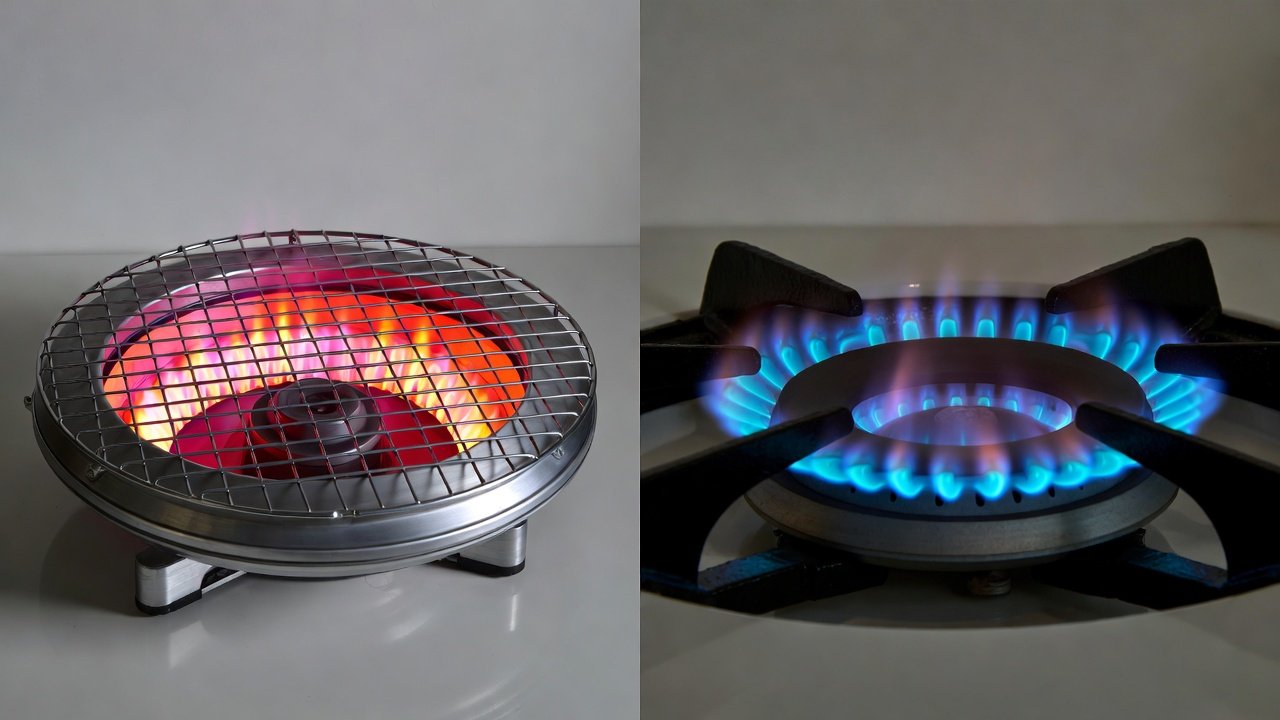
Are you wondering which gas burner is the best choice for your home or business? Choosing between an infrared gas burner and a traditional gas burner can be confusing.
You want something that saves energy, cooks efficiently, and lasts long. This article will help you understand the key differences so you can make the right decision. By the end, you’ll know which burner suits your needs and why it matters for your safety and budget.
Keep reading to find out what makes infrared and traditional gas burners unique. Before comparing both technologies in detail, it is useful to understand what an infrared gas burner is and how radiant heating differs from conventional flame-based heating.
Infrared Gas Burner Basics
Infrared gas burners are a type of heating device used in many cooking and heating applications. They work differently from traditional gas burners. Understanding their basics helps you see why they are useful and how they save energy.
For industrial ovens, drying systems, powder coating lines, food processing equipment, and other manufacturing applications, you can explore our industrial infrared gas burner products designed for different heating requirements.
These burners use infrared radiation to heat objects directly, not the air around them. This method offers fast and even heating. It also reduces heat loss, making them more efficient than traditional burners.
How Infrared Burners Work
Infrared burners use a ceramic or metal surface. Gas flows under this surface and ignites. The surface then heats up and emits infrared rays. These rays directly heat the food or object above.
This process skips heating the surrounding air. It gives faster cooking times and less wasted heat. Infrared burners also produce less smoke and fumes. Many industrial infrared burners use ceramic heating surfaces to generate and distribute radiant heat efficiently. You can explore our honeycomb ceramic burner plates for infrared burner applications and replacement components.
Key Features Of Infrared Burners
Infrared burners have several important features. They offer quick and even heat distribution. The surface stays hot for a long time, keeping food warm.
They use less gas than traditional burners. The flames are less visible, creating a clean look. These burners also last longer with less wear and tear.
Traditional Gas Burner Essentials
Traditional gas burners have served homes and businesses for decades. They rely on simple technology to produce heat. Understanding their essentials helps compare them with modern options.
These burners use direct flame to heat pots, pans, or air. They are common in kitchens and outdoor grills. Their design is straightforward and easy to maintain.
Operation Of Traditional Burners
Traditional burners mix gas and air to create a flame. The gas flows through small holes or ports. When ignited, the flame heats cookware directly above it.
The burner controls adjust the gas flow and flame size. Users can turn the flame higher or lower. This control helps manage cooking temperature.
The heat spreads unevenly at times. Hot spots may appear on cookware. This uneven heat can affect cooking results.
Common Characteristics
Traditional gas burners have open flames visible to the eye. They often produce some heat loss to the surrounding air. This can reduce energy efficiency.
These burners are simple to install and repair. Parts like burner heads and valves are widely available. Their cost is generally low compared to newer models.
Users must keep burners clean to avoid clogging. Dirt or food debris can block gas flow. Regular cleaning ensures proper flame and safety.
Fuel Efficiency Comparison
Fuel efficiency plays a major role in choosing between infrared gas burners and traditional gas burners. It affects energy bills and environmental impact. Understanding how each burner uses fuel helps make a smart choice.
Both burners use gas, but their efficiency differs. This section compares their energy use and heat transfer methods. The goal is to see which burner saves more fuel and works better for daily use.
The efficiency of infrared heating can also depend on burner design and the combustion technology used. For a deeper understanding of this technology, read about catalytic infrared burner technology and its features and benefits.
Energy Consumption Rates
Traditional gas burners consume gas by heating air around the flame. This process wastes some energy as heat escapes into the air. These burners often run longer to reach the desired heat level.
Infrared gas burners use less gas for the same heat output. They convert gas directly into infrared radiation. This radiation heats objects and surfaces quickly. Less gas is burned, which lowers energy use and costs.
Heat Transfer Methods
Traditional burners transfer heat mainly through convection. Hot air moves around to warm the area. This method loses heat as air cools down or escapes.
Infrared burners transfer heat through radiation. Infrared waves heat objects directly. This method is faster and more precise. Heat does not escape into the air as much. It means less fuel is needed to maintain temperature.
Performance And Heat Distribution
Performance and heat distribution are key factors when choosing a gas burner. They affect cooking quality and energy use. Infrared and traditional gas burners differ in how they deliver heat. This section explains these differences to help you understand their impact.
Uniformity Of Heat
Infrared burners spread heat evenly across the cooking surface. They use radiant heat, which heats objects directly. This reduces cold spots and uneven cooking. Traditional burners create heat with open flames. Flames heat some areas more than others. This can cause uneven cooking and hot spots.
Response Time To Temperature Changes
Infrared burners heat up quickly and cool down fast. They respond well to temperature changes. This allows better control during cooking. Traditional burners take longer to change temperature. The flame size changes slowly. This delay can make precise cooking harder.
Environmental Impact
Choosing the right gas burner impacts the environment in many ways. Both infrared and traditional burners produce heat differently. This affects air quality and resource use. Understanding their environmental impact helps make better choices.
Emission Levels
Infrared gas burners release fewer pollutants into the air. They burn fuel more completely. This lowers carbon monoxide and nitrogen oxide emissions. Traditional gas burners often emit higher levels of these gases. Cleaner emissions mean better air quality and less harm to health.
Sustainability Factors
Infrared burners use less fuel to produce the same heat. This reduces overall gas consumption. Less gas use helps conserve natural resources. Traditional burners waste more energy and fuel. Using infrared technology supports long-term energy savings. It also reduces the carbon footprint of heating systems.
Cost Analysis
Cost analysis plays a key role in choosing between infrared and traditional gas burners. It helps to understand the money spent upfront and over time. This insight guides smart buying decisions for homes or businesses.
Initial Investment
Infrared gas burners usually cost more at purchase. Their advanced design and technology raise the price. Traditional gas burners have a lower upfront cost. They use simple parts and common materials. Buyers must weigh the higher start cost against long-term savings.
Operational And Maintenance Costs
Infrared burners use gas more efficiently. This reduces fuel bills significantly over time. They also produce less heat loss, saving energy costs. Traditional burners consume more fuel for the same heat output. Maintenance is simpler but more frequent for traditional burners. Infrared burners have fewer parts that wear out. This lowers repair and maintenance expenses. Overall, infrared burners can save money after installation.
Safety Considerations
Safety is a key factor when choosing between infrared and traditional gas burners. Understanding how each type works helps keep homes and workplaces safe. Both burners have different risks and safety features to consider.
Risk Factors
Traditional gas burners use open flames, which can cause burns or fires. Gas leaks are a common risk, leading to possible explosions or poisoning. Infrared burners produce intense heat but no open flame, reducing fire risk. However, they can cause burns if touched accidentally. Both types need proper ventilation to prevent gas buildup and carbon monoxide poisoning.
Safety Features
Traditional burners often include flame failure devices that stop gas flow if the flame goes out. Infrared burners usually have automatic shut-off systems for gas leaks. Some models have heat sensors to prevent overheating. Both burners benefit from regular maintenance to ensure safety devices work properly. Using carbon monoxide detectors adds an extra safety layer for any gas appliance.

Credit: www.youtube.com
Applications And Suitability
Choosing the right gas burner depends on the task and environment. Each burner type works best in certain settings. Knowing their applications helps pick the right one. This section explains where infrared and traditional burners fit best.
Infrared heating is used across a wide range of manufacturing processes where fast, controlled, and efficient heat transfer is important. Learn more about the industrial applications of infrared gas burners in drying, curing, coating, food processing, and other industrial heating processes.
Best Use Cases For Infrared Burners
Infrared burners heat surfaces directly with radiant energy. They work well in outdoor heating and large spaces. These burners suit industrial processes needing quick, even heat. Food trucks and grills use infrared burners for faster cooking. They save energy by reducing heat loss to air. Infrared burners also perform well in cold or windy areas.
Ideal Scenarios For Traditional Burners
Traditional burners heat air through flame combustion. They fit well in kitchens and indoor spaces. These burners are good for cooking with pots and pans. Traditional burners offer precise flame control for delicate tasks. They also work well in smaller, enclosed areas. Maintenance and repairs are simple with many traditional models.
Future Trends In Gas Burner Technology
The future of gas burner technology shows clear paths for growth and change. Both infrared and traditional burners will see new features. These changes aim to make burners safer, cleaner, and more efficient.
As manufacturers focus on improving energy efficiency and process control, industrial heating systems are increasingly being designed around application-specific radiant heating solutions. Explore our infrared burner solutions for industrial heating to see available options for different industrial processes.
Technology will focus on using less fuel and reducing pollution. Smart systems will help control heat better. This will save energy and lower costs for users. The goal is a better cooking or heating experience for everyone.
Innovations In Infrared Burners
Infrared burners will become more precise and reliable. New materials will allow burners to heat faster and last longer. These burners will use less gas while giving more heat. Sensors will adjust flames automatically for perfect cooking.
Some designs will include smart controls. This helps users manage heat with apps or remote devices. Infrared burners will become common in homes and industries. They will offer cleaner air by cutting down on smoke.
Improvements In Traditional Burners
Traditional burners will get better at saving fuel. New burner shapes will spread heat more evenly. This means food cooks faster and uses less gas. Safety features will improve to stop gas leaks and fires.
Manufacturers will add simple digital controls. This helps users set heat levels easily. Traditional burners will stay popular because they are affordable. These improvements will keep them useful for many years.
Frequently Asked Questions
What Is An Infrared Gas Burner?
An infrared gas burner uses radiant heat technology to transfer energy directly. It heats objects efficiently, reducing energy loss. This makes it ideal for industrial and commercial heating applications.
How Does A Traditional Gas Burner Work?
Traditional gas burners create heat by burning gas with an open flame. The heat transfers through convection and conduction. This method is less efficient, as much heat escapes with exhaust gases.
Which Burner Is More Energy Efficient?
Infrared gas burners are more energy efficient. They convert most fuel into usable heat. Traditional burners lose more heat through exhaust, resulting in higher fuel consumption.
Are Infrared Burners Safer Than Traditional Ones?
Infrared burners operate at lower flame temperatures, reducing fire hazards. They also produce less carbon monoxide. This makes them a safer choice for enclosed spaces.
Looking for the Right Industrial Gas Burner?
Choosing the right burner depends on your heating process, operating temperature, fuel type, production requirements, and energy-efficiency goals. If you need help selecting an infrared burner for an industrial application, contact our team to discuss your requirements.
Conclusion
Choosing between infrared and traditional gas burners depends on your needs. Infrared burners heat faster and use less fuel. Traditional burners offer familiar control and wide availability. Both types have pros and cons to consider. Think about efficiency, cost, and cooking style.
Your decision should match your kitchen habits and budget. Understanding these differences helps you pick the best burner. This way, you get better cooking results and save energy. Simple choices can make a big difference.