
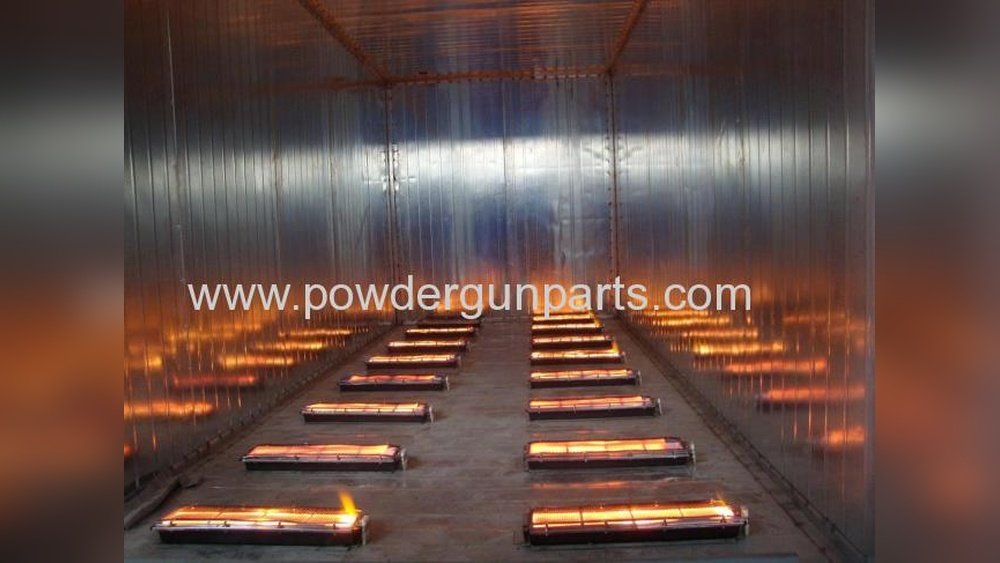
If you’re looking to improve the efficiency and quality of your powder coating process, understanding the role of infrared burners for powder coating ovens is key. These burners can transform how your oven heats, offering faster curing times and more consistent finishes.
But how do they work, and why might they be the right choice for your setup? You’ll discover what makes infrared burners stand out, how they benefit your powder coating operations, and practical tips for selecting the best burner for your needs.
Keep reading to unlock the secrets to boosting your coating performance and cutting energy costs.
Benefits Of Infrared Burners
Infrared burners offer many advantages for powder coating ovens. These burners provide faster and more consistent heating. They improve the overall efficiency of the coating process. Using infrared burners can save time and reduce energy costs. They also help achieve a better finish on coated items.
Faster Heating Times
Infrared burners heat up quickly and transfer heat directly to the surface. This reduces the time needed to reach the desired temperature. Faster heating means shorter cycle times in the powder coating process. This improves productivity and lowers production delays.
Energy Efficiency Gains
Infrared burners use energy more efficiently than traditional heating methods. They focus heat on the target area, reducing wasted energy. This leads to lower fuel consumption and operating costs. Energy-efficient ovens also contribute to a smaller environmental footprint.
Improved Coating Quality
Infrared heat provides even and consistent temperature distribution. This ensures the powder coating cures properly across all surfaces. Better heat control reduces defects like uneven coating or bubbling. The result is a smooth, durable finish that lasts longer.
Types Of Infrared Burners
Infrared burners come in several types, each suited for specific powder coating oven needs. Choosing the right burner affects heat distribution, efficiency, and cure quality. Understanding the differences helps in selecting a burner that matches your oven size and powder type.
Gas-fired Infrared Burners
Gas-fired infrared burners use natural gas or propane. They produce intense infrared heat quickly. These burners are popular for their fast startup and high heat output. They offer precise temperature control, improving powder curing consistency. Maintenance is generally simple, and fuel costs are moderate.
Ceramic Infrared Burners
Ceramic infrared burners use a ceramic surface to emit heat. They provide even heat distribution, reducing hot spots in the oven. These burners are energy-efficient and maintain stable temperatures. Their durable ceramic plates withstand high heat and last longer. They work well in ovens requiring uniform curing.
Catalytic Infrared Burners
Catalytic infrared burners produce heat through a chemical reaction, not flame. They operate quietly and with lower emissions. These burners offer gentle, even heat ideal for delicate powder coatings. They use less fuel, lowering operational costs. Catalytic burners are excellent for ovens focusing on energy efficiency.
Design Considerations For Ovens
Designing an oven for powder coating with infrared burners requires careful planning. Every detail impacts the quality of the finish and the efficiency of the process. Proper design ensures even heating, energy savings, and safety. Focus lies on burner placement, temperature control, and ventilation. These factors create a stable curing environment and extend oven life.
Burner Placement And Configuration
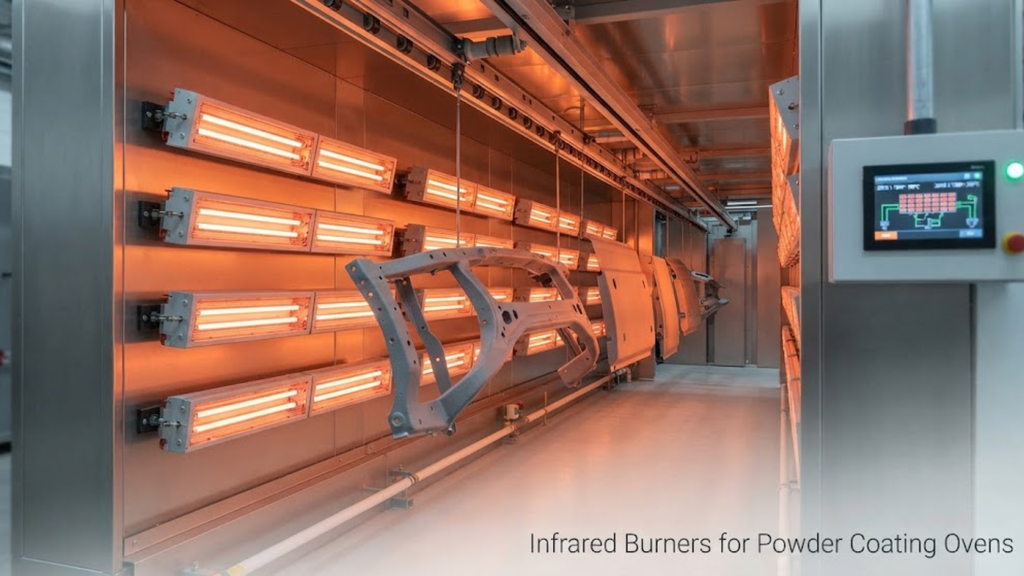
Correct placement of infrared burners is vital for uniform heat distribution. Position burners to cover all areas evenly. Avoid hot spots that may damage the coating. Arrange burners in a layout that matches oven size and shape. Use reflectors or shields to direct heat precisely. Consider the number of burners to balance power and efficiency. Proper spacing prevents overheating and ensures consistent curing.
Temperature Control Systems
Accurate temperature control maintains the powder coating’s quality. Use sensors to monitor oven temperature constantly. Automated controls adjust burner output to keep heat steady. Set alarm systems for temperature deviations to avoid defects. Select controls that allow easy calibration and quick response. Stable temperature reduces energy waste and improves coating durability. Reliable systems lower the risk of under or over-curing.
Ventilation And Exhaust Setup
Effective ventilation removes fumes and excess heat from the oven. Design exhaust systems to maintain airflow without cooling the oven chamber. Proper ventilation prevents buildup of harmful gases and protects workers. Use fans and ducts sized to the oven capacity. Position vents to avoid interference with burners and coating areas. Regular maintenance keeps exhaust systems working efficiently. Good airflow helps achieve a clean and safe curing process.

Credit: m.made-in-china.com
Installation And Maintenance Tips
Installing and maintaining infrared burners in powder coating ovens ensures efficient and safe operation. Proper setup avoids common problems and extends burner life. Regular care keeps performance steady and reduces downtime.
Proper Burner Installation
Start with reading the manufacturer’s instructions carefully. Mount burners securely to prevent movement during operation. Check gas connections for tight seals to avoid leaks. Position burners for even heat distribution inside the oven. Use proper tools and safety gear during installation. Confirm electrical wiring meets local codes and standards. Test the burner after installation to ensure correct ignition and flame shape.
Routine Maintenance Practices
Clean burners regularly to remove dust and debris. Inspect burner nozzles for clogs or damage. Check gas pressure and adjust if needed to maintain steady flames. Replace worn or cracked parts promptly. Lubricate moving components as recommended by the manufacturer. Monitor the flame color; a bright blue flame indicates good combustion. Schedule maintenance checks monthly or as per usage intensity.
Troubleshooting Common Issues
Weak or no flame may mean gas supply issues or blocked nozzles. Uneven heating often results from misaligned burners or dirty elements. Strange odors can signal gas leaks—shut off supply and inspect immediately. Flame flickering may indicate air supply problems or burner damage. Use a professional technician for complex repairs to avoid risks. Keep a log of issues and fixes for future reference.
Comparing Infrared To Traditional Gas Burners
Infrared burners and traditional gas burners serve the same purpose in powder coating ovens: to provide heat. The way they deliver this heat, though, differs significantly. Understanding these differences helps decide which burner suits your powder coating needs better. The comparison covers heat transfer efficiency, operational costs, and environmental impact.
Heat Transfer Efficiency
Infrared burners transfer heat directly to the powder-coated surface. This method reduces heat loss and heats the parts faster. Traditional gas burners heat the oven air, which then heats the parts indirectly. This process takes longer and wastes more energy. Infrared burners offer more precise heat control, improving coating quality and consistency.
Operational Costs
Infrared burners typically use less fuel due to higher efficiency. They reach the desired temperature faster, cutting down oven run times. Traditional gas burners consume more fuel and require longer heating periods. Lower fuel use with infrared burners leads to reduced operational expenses over time. Maintenance costs for infrared units can also be lower, as they have fewer moving parts.
Environmental Impact
Infrared burners produce fewer emissions because they burn fuel more efficiently. Less fuel consumption means a smaller carbon footprint. Traditional gas burners release more greenhouse gases due to incomplete combustion. Using infrared technology supports cleaner operations and helps meet stricter environmental regulations. This advantage makes infrared burners a greener choice for powder coating ovens.

Credit: colo2016.en.made-in-china.com
Optimizing Powder Coating With Infrared
Infrared technology improves powder coating by offering precise heat control. It helps achieve even curing and consistent finishes. Infrared burners heat surfaces quickly and uniformly. This leads to better adhesion and durability of the coating. Using infrared allows operators to fine-tune the process for optimal results.
Curing Time Adjustments
Infrared burners shorten curing times by delivering focused heat. Operators can reduce oven time while maintaining quality. Adjustments in curing time help prevent overbaking or undercuring. This saves energy and improves throughput. Careful timing ensures the powder melts and bonds properly.
Using Infrared Thermometers
Infrared thermometers measure surface temperature without contact. This allows quick checks during the curing process. They help verify that the coating reaches the required temperature. Consistent temperature readings avoid defects and color changes. Operators can make real-time adjustments based on these readings.
Quality Control Measures
Infrared burners support strict quality control by providing even heat. Uniform curing reduces issues like bubbling and cracking. Regular inspection with infrared thermometers confirms coating integrity. Maintaining stable temperatures throughout the oven is crucial. These steps lead to smooth, durable, and high-quality finishes.
Popular Infrared Burner Brands
Infrared burners play a crucial role in powder coating ovens. They provide consistent heat that ensures the coating cures evenly. Many manufacturers specialize in these burners, each offering unique features. Choosing the right brand can improve oven efficiency and coating quality.
Selas Burners
Selas Burners is a well-known name in infrared burners. Their products are reliable and built for long-term use. Selas burners provide precise heat control, which is vital for powder coating. They use advanced technology to reduce fuel consumption. Many powder coating shops trust Selas for consistent results.
Vulcan Catalytic Systems
Vulcan Catalytic Systems offers infrared burners designed for energy efficiency. Their burners produce even heat distribution across the oven. Vulcan focuses on reducing emissions and maintaining high performance. Their systems are easy to install and maintain. This brand is popular among industrial powder coating facilities.
Other Leading Manufacturers
Several other brands also produce quality infrared burners. Companies like Honeywell and Eclipse offer reliable options. These manufacturers often provide customizable burners for specific oven sizes. Many of these brands emphasize durability and heat consistency. Choosing a burner from a trusted manufacturer ensures better oven performance.
Cost And Roi Analysis
Evaluating the cost and return on investment (ROI) of infrared burners for powder coating ovens helps businesses make smart decisions. Understanding expenses and savings guides the choice of technology. This section breaks down costs and benefits clearly.
Initial Investment Costs
Infrared burners require upfront spending. Prices vary by size and brand. Installation may need professional help, adding to costs. Some models offer longer lifespans, which can balance the initial price. Budgeting for replacement parts is also wise.
Energy Savings Over Time
Infrared burners use less energy than traditional burners. They heat surfaces directly, reducing wasted heat. Lower energy use cuts monthly utility bills. Savings accumulate steadily over months and years. This efficiency supports more sustainable operations.
Boosting Productivity And Profit
Infrared burners speed up powder coating cycles. Faster curing times mean more products finished daily. Improved production capacity raises overall profit margins. Consistent heat improves coating quality, reducing rework costs. These factors combine to enhance business growth.
Frequently Asked Questions
Can I Use An Infrared Lamp For Powder Coating?
Yes, infrared lamps can cure powder coating effectively by providing focused, radiant heat. They speed up curing and improve energy efficiency.
What Is The Most Accurate Infrared Thermometer For Powder Coating?
The Fluke 62 Max Plus offers high accuracy and fast response for powder coating temperature. It ensures precise infrared readings essential for curing.
How Hot Should An Oven Be For Powder Coating?
Set the oven temperature between 350°F and 400°F for powder coating. Cure for 10 to 20 minutes. Adjust time based on coating thickness and material type.
Is An Infrared Burner Better Than Gas?
Infrared burners provide faster, more even heat with higher efficiency than traditional gas burners. They reduce energy use and improve coating quality.
Conclusion
Infrared burners improve powder coating ovens by providing even heat. They help cure coatings faster and more efficiently. This leads to better finish quality and less energy use. Choosing the right burner can reduce costs and boost productivity. Maintenance stays simple, keeping ovens running smoothly.
Overall, infrared burners offer a reliable way to enhance powder coating processes. Consider them a smart choice for improving oven performance and coating results.