
Are you ready to discover how South Korea is transforming industrial heating? If your business relies on efficient, cutting-edge heating technology, understanding these trends can give you a real advantage.
South Korea is leading the way with innovations that make heating systems smarter, greener, and more cost-effective. From energy-efficient solutions to smart, connected devices, these advancements could reshape how your industry manages heat. Keep reading to find out what’s driving these changes and how you can stay ahead in this fast-evolving market.
As South Korean manufacturers continue to adopt advanced and energy-efficient heating systems, choosing the right industrial equipment supplier becomes increasingly important. Hengyi works as an industrial infrared burner manufacturer for Korea, supplying infrared heating solutions for a range of industrial applications.
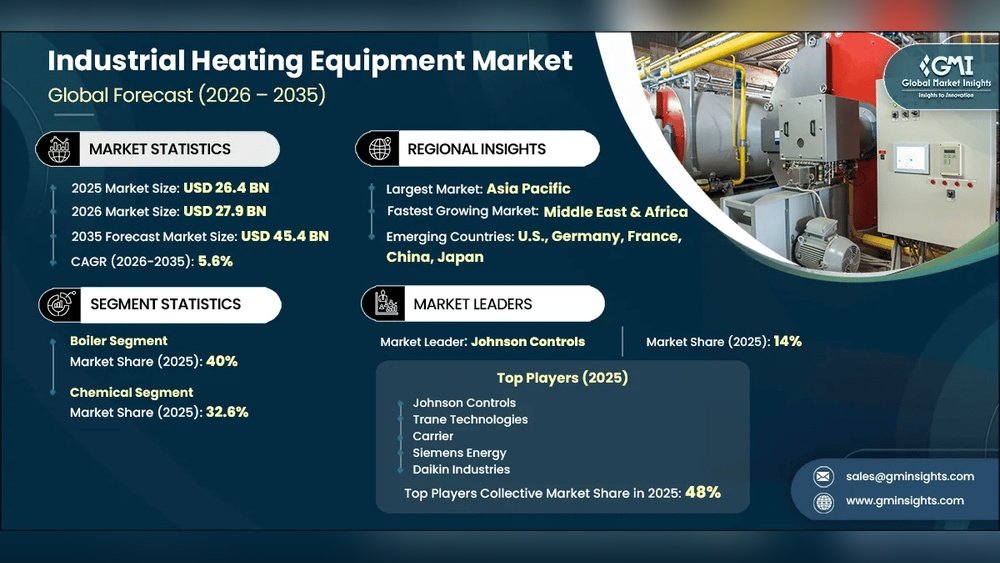
Credit: www.gminsights.com
Heat Pump Innovations
South Korea is advancing rapidly in heat pump technology for industrial heating. Innovations focus on efficiency, cost savings, and reducing environmental impact. These changes support the country’s goals for cleaner energy and smart manufacturing. Heat pumps now play a key role in modern industrial processes.
Electric Vs Gas Heat Pumps
Electric heat pumps are gaining popularity due to lower emissions and easier integration with smart grids. They use electricity to move heat, making them efficient and cleaner. Gas heat pumps still have a place in industries needing high temperatures and quick heating. South Korea studies both types to find the best use for each sector. The shift toward electric models is steady but careful.
Integration With Renewable Energy
Heat pumps in South Korea increasingly connect with renewable energy sources. Solar and wind power supply electricity to run heat pumps, lowering carbon footprints. This integration helps industries reduce fuel use and costs. It also supports government policies on clean energy adoption. Renewables paired with heat pumps create a flexible and sustainable heating system.
Hybrid Energy Systems
Hybrid systems combine heat pumps with traditional heating methods like gas boilers. These systems balance efficiency and reliability, especially during peak demand. South Korea develops hybrid models to optimize energy use and cut emissions. This approach suits industries with varying heat needs throughout the year. Hybrid systems offer a practical path toward greener industrial heating.
Carbon-free Heat Sources
South Korea is shifting toward carbon-free heat sources to reduce industrial emissions. This change supports the country’s commitment to a cleaner environment and sustainable growth. Industries are adopting new heating technologies that lower carbon footprints and improve energy efficiency.
Carbon-free heat sources offer a reliable way to power factories without harmful gases. They use electricity or clean fuels, helping industries meet strict environmental standards. South Korea’s focus on these technologies sets a strong example for other nations.
Electric Boilers
Electric boilers replace traditional gas or oil boilers in factories. They use electricity to generate heat without burning fossil fuels. This switch cuts carbon emissions and lowers air pollution.
Electric boilers offer quick startup times and precise temperature control. They fit well in factories aiming for energy savings and cleaner operations. South Korea is investing in electric boiler technology for various industrial sectors.
Hydrogen Heating Technologies
Hydrogen heating uses hydrogen gas as a clean energy source. When burned, hydrogen produces only water vapor, not carbon dioxide. This makes it an ideal fuel for reducing industrial emissions.
South Korea explores hydrogen heating for heavy industries like steel and chemicals. The country supports hydrogen infrastructure development to boost adoption. These efforts aim to build a hydrogen-based economy with low carbon impact.
Roadmap For Low-carbon Solutions
South Korea has a clear plan to expand low-carbon heating technologies. This roadmap guides industries on adopting electric boilers and hydrogen heating. It includes targets for reducing emissions and improving energy use.
The government promotes research, subsidies, and regulations to support this transition. The roadmap helps industries plan investments and align with national climate goals. It ensures a steady move toward a sustainable industrial future.
Energy Efficiency Advances
South Korea leads the way in improving energy efficiency in industrial heating. New technologies focus on saving energy while maintaining high performance. These advances help industries reduce their carbon footprint and comply with stricter environmental rules.
Energy efficiency is no longer optional. It is vital for cost savings and sustainable growth. South Korean companies invest in smart systems and automation to optimize heating processes. These efforts cut waste and boost productivity.
Modern industrial facilities can improve heating efficiency by selecting the appropriate burner design and radiant heating system. Explore our infrared gas burner technology for different industrial heating requirements.
Iot-enabled Heating Solutions
Internet of Things (IoT) devices connect industrial heaters to digital networks. This connection allows real-time monitoring and control. Factories can track energy use and detect faults quickly. IoT systems adjust heat output based on demand, saving energy.
IoT-enabled heaters provide detailed data reports. Managers use this data to improve operations. Predictive maintenance reduces downtime and avoids costly repairs. South Korean industries adopt IoT to stay competitive and eco-friendly.
Smart Controls And Automation
Smart controls automate heating systems with precision. Sensors measure temperature and adjust settings automatically. Automation reduces human error and improves energy management. South Korean plants use these controls to maintain steady heat levels efficiently.
These systems learn from past performance and adapt over time. Automation supports flexible production schedules without wasting energy. Smart heating controls also integrate with other factory systems for better overall efficiency.
Reducing Operational Costs
Energy-efficient heating lowers fuel and electricity bills. South Korean industries save money by using advanced technologies. Reduced energy waste leads to lower operational costs. This saving allows reinvestment in further innovation.
Efficient heating systems require less maintenance and last longer. Fewer breakdowns mean less production loss. Companies benefit from improved reliability and stable costs. Energy efficiency drives sustainable industrial growth across South Korea.
The heating surface plays an important role in radiant heat distribution and burner performance. Explore our honeycomb ceramic burner plates for industrial infrared heating systems and customized applications.
Industrial Microwave Heating
Industrial microwave heating is gaining attention in South Korea’s manufacturing sector. This technology uses microwave energy to heat materials quickly and evenly. It offers precise control, reduces energy use, and speeds up production processes. Many industries in South Korea are exploring its benefits to improve efficiency and product quality.
Applications In Manufacturing
Microwave heating is widely used in food processing to cook and dry products faster. It also helps in curing plastics and composites with uniform heat. Electronics manufacturers use it to bond materials and remove moisture. The textile industry applies microwave energy for drying and finishing fabrics. These applications reduce production time and improve product consistency.
Infrared heating is used across a wide range of manufacturing sectors where fast, controlled, and efficient heat transfer is required. Learn more about infrared gas burners in industrial heating and their applications across different industries.
Technology Adoption Trends
South Korean industries are adopting microwave heating for its energy efficiency. Many factories integrate this technology with automation systems. IoT devices monitor and control microwave heating in real-time. Companies invest in research to develop new microwave heating methods. The trend moves towards greener and smarter manufacturing processes.
Market Growth Drivers
Rising demand for energy-saving solutions drives the market growth. Strict regulations on emissions push factories to use cleaner heating methods. The need for faster production cycles also supports adoption. Growing electronics and automotive sectors increase the use of microwave heating. Government incentives for green technology encourage investments in this area.
Policy And Market Trends
The industrial heating sector in South Korea is evolving rapidly due to dynamic policy and market trends. These changes shape how companies adopt new heating technologies. They also influence investment and innovation across industries.
South Korea’s government plays a key role by creating incentives and setting regulations. These efforts encourage cleaner, more efficient heating solutions. The market responds quickly, driving growth and competition.
Government Incentives
The South Korean government offers financial support to promote energy-efficient heating. Subsidies and tax breaks help businesses reduce costs. These incentives focus on adopting low-carbon and renewable energy technologies.
Programs target industries that use large amounts of heat. Support also extends to research and development in advanced heating systems. This boosts the local manufacturing of cutting-edge industrial heaters.
Regulatory Framework
Strict regulations guide emissions and energy use in industrial heating. South Korea enforces standards that promote clean energy transition. Companies must comply with limits on pollutants and energy consumption.
New rules encourage switching from fossil fuels to electric and hydrogen-based heating. These policies aim to lower carbon footprints and improve air quality. Regulations also foster innovation in heating technology design.
Impact On Industry Growth
Policy and market trends drive rapid growth in the industrial heating sector. Businesses invest more in efficient and eco-friendly heating equipment. This creates new opportunities for technology providers and manufacturers.
Industries adopting modern heating technologies see cost savings and better performance. The government’s support reduces risks for early adopters. Overall, these trends strengthen South Korea’s position as a leader in industrial heating innovation.
Future Outlook
The future of industrial heating technology in South Korea is full of promise. Rapid innovation and government support are driving change. This section explores key trends shaping the path forward.
Emerging Technologies
South Korea is adopting electric boilers and hydrogen-based heating solutions. These technologies reduce carbon emissions significantly. Integration with renewable energy sources is gaining pace. IoT-enabled systems improve energy efficiency and control. Smart sensors help monitor and optimize heating processes in real time. These advances aim to lower costs and environmental impact.
Challenges And Opportunities
High initial costs slow technology adoption in some sectors. Skilled workforce shortages limit rapid deployment of new systems. Energy infrastructure must upgrade to support electric and hydrogen heating. The government offers incentives to encourage green technology use. Companies have chances to lead in low-carbon heating markets. Collaboration between industry and research institutions drives innovation.
Global Competitiveness
South Korea competes strongly in industrial heating technology worldwide. Its focus on energy efficiency and clean solutions attracts global partners. Exporting advanced heating equipment boosts the economy. Local firms invest in research to stay ahead. International standards and regulations shape product development. Staying competitive means continuous innovation and adapting to market needs.

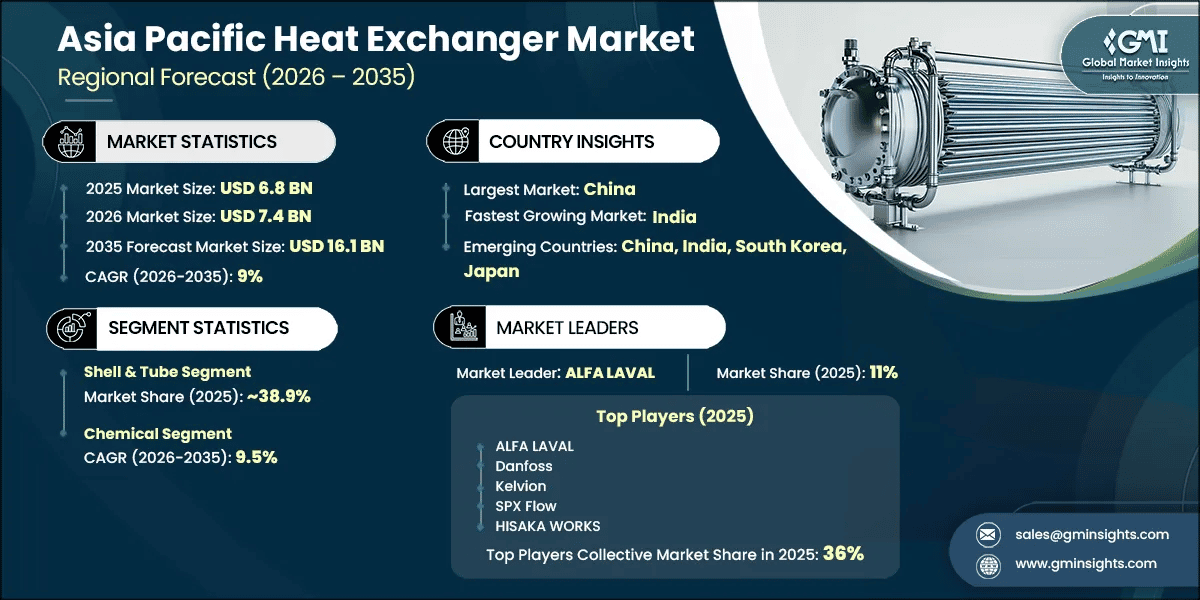
Credit: straitsresearch.com
Frequently Asked Questions
What Are The Latest Industrial Heating Trends In South Korea?
South Korea is adopting energy-efficient and IoT-enabled heating solutions. Integration with renewable and hybrid energy systems is a key trend. Low-carbon technologies like electric boilers and hydrogen are gaining importance in industrial heating.
How Does South Korea Use Heat Pump Technology Industrially?
South Korea is expanding the use of electric heat pumps (EHPs) to replace gas heat pumps. This transition improves energy efficiency and reduces carbon emissions. Heat pumps integrated with renewables lower operational costs in industries.
Why Is South Korea Focusing On Carbon-free Heat Sources?
South Korea aims to reduce industrial carbon emissions by using carbon-free heat sources. This includes electric boilers, hydrogen, and renewable energy integration. The government supports roadmaps for low-carbon heating technologies to meet climate goals.
How Is Iot Influencing Industrial Heating In South Korea?
IoT enables real-time monitoring and control of heating systems in South Korean industries. This improves energy efficiency and predictive maintenance. IoT adoption helps optimize processes and reduce downtime in industrial heating technology.
Looking for Industrial Infrared Heating Solutions for South Korea?
The right heating technology depends on your production process, energy requirements, operating temperature, equipment configuration, and automation needs. If you are looking for industrial infrared burner solutions for the South Korean market, contact our team to discuss your project requirements.
Conclusion
South Korea leads in adopting advanced industrial heating technology. The focus remains on energy efficiency and low-carbon solutions. Integration of smart systems improves operational control and reduces costs. These trends support South Korea’s move towards greener industry practices. Businesses benefit from improved performance and environmental compliance.
Staying updated on these trends helps industries remain competitive. The future of industrial heating in South Korea looks sustainable and innovative.