
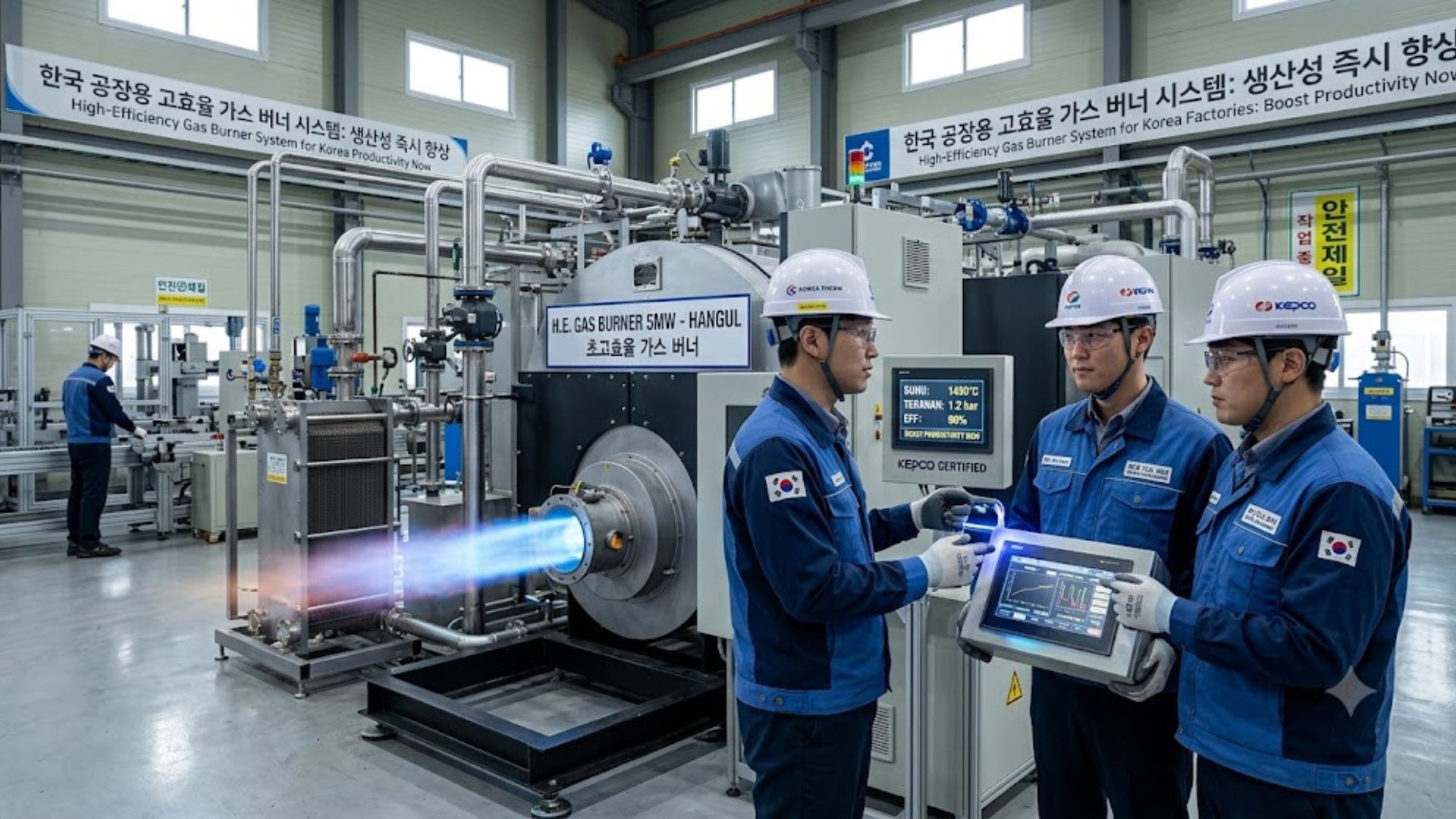
If you run a factory in South Korea, you know how crucial it is to keep your operations efficient and cost-effective. One key factor you might be overlooking is the type of gas burner you use.
High-efficiency gas burners can make a huge difference in cutting fuel costs, reducing emissions, and boosting your factory’s overall performance. Imagine lowering your energy bills while meeting strict environmental standards — sounds like a win-win, right? You’ll discover how upgrading to high-efficiency gas burners can transform your factory’s productivity and sustainability.
Keep reading to find out what makes these burners a smart investment for your business.
Credit: www.babcock.com
Benefits Of High-efficiency Gas Burners
High-efficiency gas burners offer many benefits for factories in South Korea. They help improve energy use and lower costs. These burners also reduce harmful emissions. Factories gain better reliability in their operations. This section explains the key advantages of using high-efficiency gas burners.
Energy Savings And Cost Reduction
High-efficiency gas burners use fuel more effectively. They convert more gas into heat with less waste. This leads to significant energy savings for factories. Lower fuel consumption means lower operating costs. Factories can reduce their monthly gas bills. Savings add up quickly in large industrial settings.
Reduced Emissions And Environmental Impact
These burners produce fewer harmful emissions. They lower nitrogen oxide (NOx) and carbon monoxide (CO) output. Cleaner combustion helps factories meet strict environmental standards. Reducing pollution protects local air quality. This supports South Korea’s goals for sustainable industry and cleaner air.
Improved Operational Reliability
High-efficiency burners provide consistent and stable heat output. This reliability helps avoid downtime and production delays. The burners require less frequent maintenance and repairs. Factories experience smoother daily operations. Reliable equipment enhances overall productivity and reduces unexpected costs.
Key Features Of Modern Gas Burners
Modern gas burners offer many benefits for factories in South Korea. They improve energy use and reduce emissions. These burners use new technology to give precise heat control. Their key features help factories save money and meet strict environmental rules.
Advanced Combustion Technology
Modern burners use advanced combustion technology for better fuel use. This technology mixes gas and air perfectly. It creates a stable and efficient flame. This reduces fuel waste and lowers operating costs. Factories can run machines smoothly and safely with this feature.
Low-nox And Ultra-low Nox Options
Many burners come with low-NOx or ultra-low NOx options. These reduce harmful nitrogen oxide emissions. Lower emissions help factories meet government standards. This is important for cleaner air in South Korea’s cities. These burners support environmental protection without losing performance.
Precise Flame Control
Precise flame control allows exact heat adjustment. It helps maintain consistent production quality. Factories avoid overheating or underheating materials. This control improves safety and energy efficiency. Workers can easily manage burner settings for best results.
Applications In South Korean Factories
High-efficiency gas burners play a crucial role in various South Korean industries. These burners offer improved energy savings and reduced emissions. Factories across South Korea adopt these burners to boost productivity and lower costs. Their applications span from heavy industry to food processing, showing wide versatility.
Using these burners helps factories meet strict environmental standards. They also support the country’s goals for cleaner manufacturing. The following sections highlight key industries using high-efficiency gas burners in South Korea.
Steel And Metal Processing
Steel and metal factories require intense heat for melting and shaping metals. High-efficiency gas burners provide precise temperature control. They reduce fuel consumption and cut harmful emissions. This leads to lower operating costs and better product quality. South Korean steel plants rely on these burners for consistent performance and energy efficiency.
Chemical And Petrochemical Plants
Chemical and petrochemical industries need reliable heat sources for reactions and distillation. Gas burners deliver steady and controlled heat for these processes. They improve safety by maintaining stable combustion. Efficient burners also minimize pollutants released during operations. South Korea’s chemical sector benefits from these advantages in daily production.
Food And Beverage Industry
The food and beverage sector uses gas burners for cooking, drying, and sterilization. High-efficiency burners ensure uniform heat distribution and energy savings. They help factories comply with hygiene and safety regulations. These burners also reduce production costs by lowering gas usage. Many South Korean food manufacturers have adopted them to improve efficiency.
Choosing The Right Burner For Your Factory
Choosing the right high-efficiency gas burner is vital for factory operations in South Korea. The correct burner ensures optimal energy use, reduces costs, and supports environmental goals. Factories need to evaluate several factors to select a burner that fits their needs and complies with local rules.
Assessing Factory Heating Requirements
Begin by understanding your factory’s heating needs. Consider the size of the space and the type of processes involved. Calculate the required heat output to maintain production efficiency. Choose a burner that matches these heating demands without wasting energy. Proper assessment prevents overspending on unnecessary capacity.
Compatibility With Existing Systems
Check if the new burner works with your current equipment. Some burners fit directly into existing setups, while others may need modifications. Compatibility reduces installation time and costs. It also ensures smooth operation without disrupting factory workflows. Confirm fuel type and control systems match your factory’s requirements.
Compliance With South Korean Regulations
South Korea has strict rules for industrial equipment to protect the environment. Select burners that meet local emission standards. Look for certifications or approvals from South Korean authorities. Compliance avoids legal issues and fines. It also supports national efforts to reduce pollution and promote energy efficiency.
Installation And Maintenance Tips
Proper installation and maintenance of high-efficiency gas burners are key for smooth factory operations in South Korea. These steps help keep burners running safely and efficiently. Regular care extends burner lifespan and lowers energy costs.
Following expert guidelines during installation and maintenance avoids common problems. Quick fixes can prevent costly downtime and repairs. Understanding basic troubleshooting helps factory staff act fast when issues arise.
Professional Installation Practices
Hire certified technicians for burner installation. They ensure all safety codes and local regulations are met. Proper alignment and secure connections prevent gas leaks and inefficiency. Check that all parts fit well and operate smoothly before starting.
Test burners under real working conditions. Adjust flame size and air supply to optimize combustion. Record all setup details for future reference. Use quality materials and tools to avoid early wear and damage.
Routine Maintenance Procedures
Schedule regular inspections and cleaning. Remove dust and debris from burner components. Check fuel lines and valves for leaks or cracks. Replace worn-out parts promptly to maintain performance.
Inspect ignition and flame sensors to ensure reliable starts. Monitor exhaust emissions for signs of incomplete combustion. Lubricate moving parts to reduce friction and wear. Keep maintenance logs to track service history and identify patterns.
Troubleshooting Common Issues
Identify unusual noises or smells early. These can signal burner problems. Poor flame quality or inconsistent heat output often means clogging or air supply issues. Check filters and nozzles for blockages.
Reset the control system after minor faults. If errors persist, consult the manual or a technician. Avoid running burners with suspected gas leaks or faulty parts. Promptly address ignition failure or flame loss to prevent hazards.
Credit: www.factorybuysdirect.com
Case Studies From South Korean Industries
South Korean industries have embraced high-efficiency gas burners to improve factory operations. Several case studies highlight the benefits across different sectors. These examples show how gas burners boost productivity, save energy, and reduce emissions. The results demonstrate practical impacts and guide further adoption in factories.
Boosting Productivity In Steel Manufacturing
A steel plant in Pohang installed high-efficiency gas burners in its furnaces. The burners improved heat distribution and reduced heating time by 20%. Faster heating allowed the plant to increase daily output without raising fuel consumption. The improved control also lowered maintenance downtime. These changes raised overall productivity while keeping costs steady.
Energy Efficiency Gains In Chemical Plants
A chemical factory near Ulsan upgraded to low-NOx, high-efficiency gas burners. The new system cut natural gas use by 15%. Better combustion control helped maintain consistent temperature levels. This led to fewer energy spikes and smoother production cycles. The plant lowered its monthly energy bills and reduced its carbon footprint. Workers also noticed improved air quality inside the facility.
Reducing Emissions In Food Processing
A food processing facility in Gyeonggi Province adopted ultra-low NOx gas burners. These burners drastically cut harmful emissions during cooking and drying stages. The factory met stricter government environmental standards without sacrificing output. Cleaner exhaust gases improved worker safety and community health. The plant also benefited from lower emission-related fees and fines.
Future Trends In Gas Burner Technology
The future of gas burner technology holds many exciting possibilities for South Korea’s factories. Innovations focus on improving efficiency, reducing emissions, and enhancing control. These advances will help industries meet stricter environmental rules and lower energy costs.
Factories will benefit from smarter, cleaner, and more sustainable gas burner solutions. Here are some key trends shaping the future of this technology.
Integration With Digital Controls
Digital controls allow precise monitoring and adjustment of gas burners. Factories can optimize fuel use and reduce waste. Real-time data helps detect issues early, avoiding downtime. Automation improves safety by maintaining optimal combustion conditions. Integration with factory systems supports better energy management and reporting.
Development Of Cleaner Burner Designs
New burner designs aim to reduce harmful emissions like nitrogen oxides (NOx). Advanced combustion techniques lower pollutant levels significantly. Cleaner burners help factories comply with environmental regulations. These designs also improve fuel efficiency, saving money and resources. Research continues to create burners that burn gas more completely and cleanly.
Growing Demand In Sustainable Manufacturing
Factories in South Korea seek ways to reduce their environmental impact. High-efficiency gas burners play a key role in sustainable manufacturing. They use less fuel and produce fewer emissions. This supports corporate goals for green production and social responsibility. The demand for eco-friendly equipment drives innovation and adoption of better burners.

Credit: zhongliweiye.en.made-in-china.com
Frequently Asked Questions
What Are High-efficiency Gas Burners?
High-efficiency gas burners maximize fuel use, reducing waste and costs. They provide consistent heat with minimal emissions, ideal for industrial applications.
Why Choose Gas Burners For South Korea Factories?
Gas burners offer cleaner energy, improved efficiency, and lower emissions. South Korea’s strict regulations encourage eco-friendly, cost-effective industrial solutions.
How Do Gas Burners Improve Factory Productivity?
Efficient burners ensure stable heat output, reducing downtime. This leads to faster production cycles and energy savings in factories.
Are High-efficiency Burners Environmentally Friendly?
Yes, they reduce greenhouse gases and harmful emissions by optimizing combustion. This supports factories’ sustainability goals and regulatory compliance.
Conclusion
High-efficiency gas burners help South Korean factories save energy and reduce costs. They produce less pollution, supporting cleaner air and a healthier environment. Choosing the right burner improves factory performance and cuts waste. Investing in these burners leads to long-term benefits and stronger industrial growth.
Efficient gas burners remain a smart choice for sustainable factory operations in South Korea.