

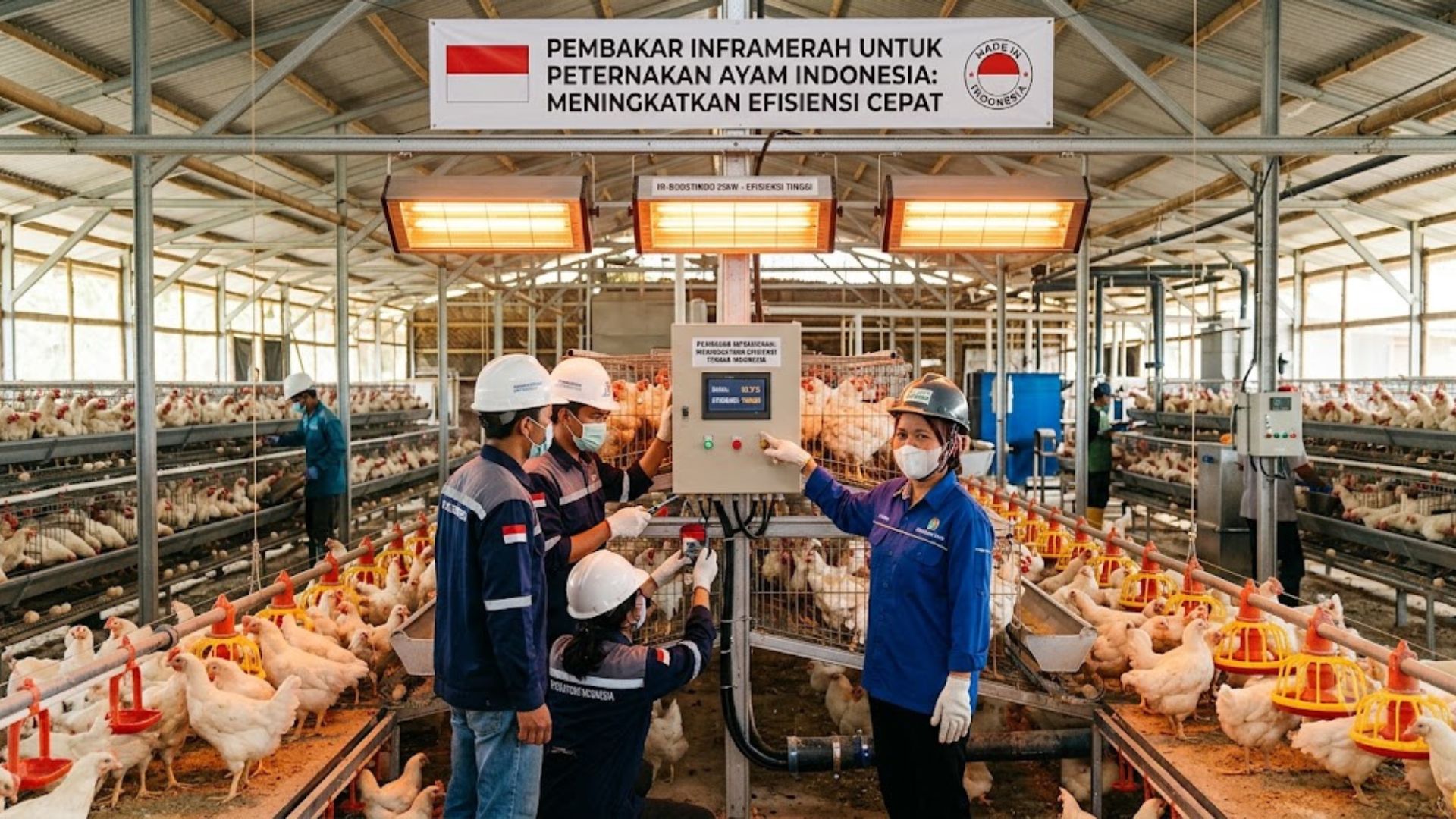
If you run a poultry farm in Indonesia, you know how crucial maintaining the right temperature is for your birds’ health and growth. Infrared burners could be the game-changer you’ve been looking for.
These burners deliver consistent, efficient heat directly to your poultry, keeping them warm without wasting energy. Imagine reducing your heating costs while improving your flock’s comfort and productivity. You’ll discover how infrared burners work, why they suit Indonesian poultry farms perfectly, and how they can help you boost your farm’s success.
Keep reading to learn how to make your poultry operation more efficient and profitable with the power of infrared heating.
Poultry Farming In Indonesia
Poultry farming in Indonesia plays a vital role in meeting the country’s growing demand for protein. It supports millions of farmers and contributes significantly to the economy. Understanding the current landscape can help you make informed decisions about investing in or improving your poultry operations.
Industry Growth And Trends
The poultry industry in Indonesia has seen steady growth over the past decade. Rising incomes and changing diets have increased demand for chicken meat and eggs. Local farmers are expanding their operations, and modern farming techniques are becoming more common.
However, this growth also means competition is tougher. Farmers who adopt efficient technology, like infrared burners for heating, often gain a clear advantage. Have you considered how these tools could improve your farm’s productivity and bird health?
Common Farming Practices
Many Indonesian poultry farms rely on traditional methods, including manual feeding and natural ventilation. Heating is crucial during the brooding period to keep chicks warm and healthy. Infrared burners are gaining popularity because they provide consistent, targeted heat without drying out the air.
Farmers also use open-sided houses to reduce heat stress in adult birds. But this can lead to temperature fluctuations that affect growth rates. Introducing controlled heating solutions might be the key to stabilizing conditions year-round on your farm.
Sustainability Challenges
Indonesian poultry farms face sustainability issues like waste management, water use, and energy consumption. Many smallholders struggle to balance productivity with environmental care. Infrared burners can help by using energy more efficiently compared to traditional heating systems.
Waste heat from these burners can reduce fuel costs and lower your farm’s carbon footprint. What steps are you taking to ensure your poultry farm remains both profitable and environmentally responsible?

Credit: www.alibaba.com
Infrared Burner Technology
Infrared burner technology plays a crucial role in poultry farms across Indonesia. It offers a reliable heat source that supports the growth and health of poultry. This technology uses infrared radiation to provide warmth efficiently and evenly. Infrared burners help maintain optimal temperatures in poultry houses, especially during the brooding period. Farmers benefit from improved bird comfort and energy savings.
Using infrared burners can lead to better poultry performance and lower operational costs. The technology suits Indonesia’s climate and farming conditions well. Understanding how infrared heating works and its types helps farmers choose the right solution.
How Infrared Heating Works
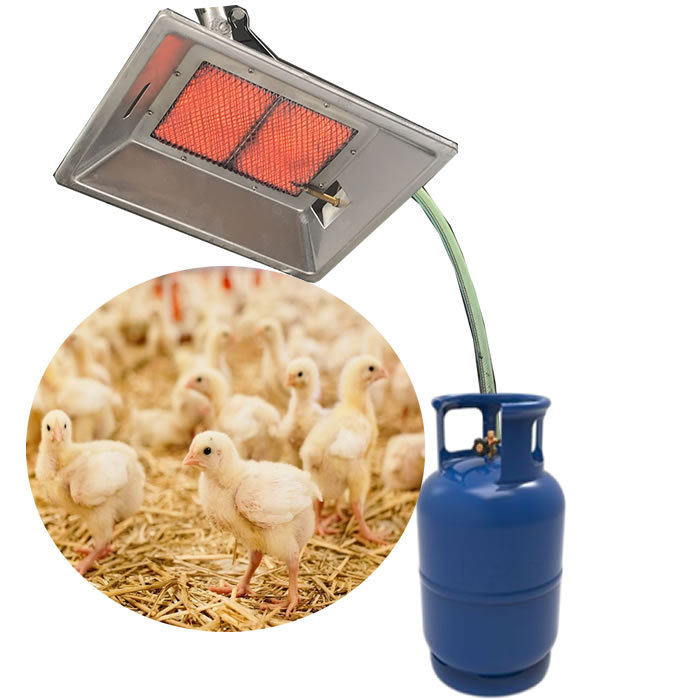
Infrared heating transfers heat through electromagnetic waves. These waves heat objects and animals directly, not the air. This method creates a warm surface, ideal for poultry. The heat penetrates the skin, providing comfort to chicks and adult birds. Infrared burners convert gas or electricity into infrared radiation. This process is energy efficient and fast, reducing heat loss.
Types Of Infrared Burners
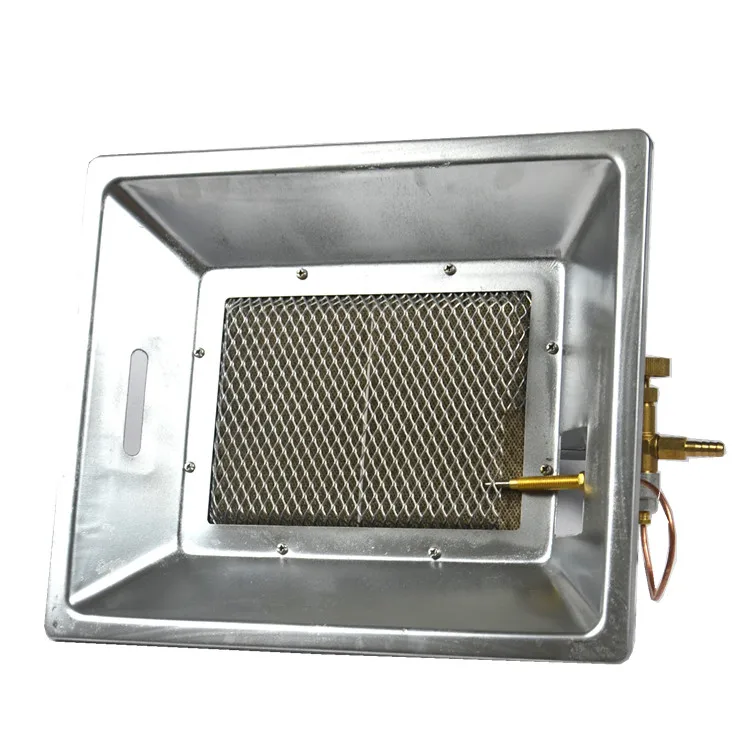
There are two main types: short-wave and medium-wave infrared burners. Short-wave burners emit high-intensity heat quickly. They are suitable for large open spaces and quick heating. Medium-wave burners provide gentler, longer-lasting warmth. They are ideal for brooding and maintaining stable temperatures. Some burners use ceramic plates for even heat distribution. Others have metal reflectors to direct heat precisely.
Advantages Over Traditional Heating
Infrared burners save energy compared to traditional heaters. They heat only the birds and floor, not the entire air volume. This targeted heating reduces fuel consumption and costs. Infrared heat improves bird comfort, reducing stress and illness. The burners require less maintenance and last longer. They also lower dust and moisture levels in the poultry house. This creates a healthier environment for the birds.
Benefits For Poultry Farms
Infrared burners offer many benefits for poultry farms in Indonesia. They provide efficient heating that supports poultry growth and farm productivity. Using infrared technology helps create a better environment for poultry, improving overall farm results.
Improved Brooding Efficiency
Infrared burners deliver focused heat directly to the floor and chicks. This method keeps the brooding area warm without wasting energy on the air. Chicks stay comfortable and active, which supports faster growth. The consistent warmth reduces stress and mortality rates during the critical brooding stage.
Energy Savings And Cost Reduction
Infrared burners use less fuel compared to traditional heating systems. They heat objects and animals, not the surrounding air, which lowers energy use. This targeted heating means farms spend less on fuel and electricity. Over time, these savings reduce overall operating costs significantly.
Enhanced Poultry Health
Infrared heat reduces dampness and humidity inside poultry houses. This environment lowers the risk of respiratory diseases and infections. Warm floors also promote better foot health for the birds. Healthy poultry grow better and produce higher yields for farmers.
Credit: www.alibaba.com
Installation And Usage Tips
Proper installation and careful usage of infrared burners boost poultry farm efficiency. Correct setup maximizes heat distribution and minimizes energy waste. Following simple tips ensures a safe and productive environment for your poultry.
Optimal Burner Placement
Place burners evenly to cover the entire brooding area. Position them high enough to avoid overheating chicks. Aim the infrared rays directly at the floor. This warms the chicks naturally, mimicking the mother hen’s heat. Keep burners away from flammable materials and water sources. Proper spacing prevents cold spots and reduces energy use.
Maintenance Best Practices
Clean burners regularly to remove dust and debris. Check for gas leaks before each use. Replace damaged parts immediately to ensure safety and efficiency. Inspect burner flames; they should be blue and steady. Schedule routine inspections to maintain performance. Well-maintained burners last longer and save costs.
Safety Considerations
Ensure proper ventilation to avoid harmful gas buildup. Install carbon monoxide detectors near burner areas. Keep children and animals away from hot burner surfaces. Use flame guards to prevent accidental contact. Follow local regulations for gas installation and usage. Always turn off burners when not in use to prevent accidents.
Market Availability In Indonesia
Infrared burners have become an important tool for poultry farms in Indonesia. They provide efficient and even heat distribution, which helps maintain the right temperature for chicks and adult birds. The market for these burners is growing steadily as more farmers recognize their benefits. Various suppliers offer different models suited to the local climate and farming needs.
Availability is good across major agricultural regions. Farmers can find infrared burners in both urban and rural areas. The demand drives suppliers to stock a variety of options, making it easier for poultry farms to upgrade their heating systems.
Leading Suppliers And Brands
Several top suppliers provide infrared burners in Indonesia. Hengyi Burners is a well-known brand offering high-performance industrial infrared burners. Their products often feature ceramic honeycomb technology for efficient heat output.
Other notable brands include local manufacturers and international companies with distribution channels in Indonesia. These suppliers cater to different farm sizes and budgets, ensuring a wide range of options for poultry farmers.
Pricing And Warranty Options
Infrared burners in Indonesia come with varied pricing based on size, power, and technology. Smaller models for small-scale farms are more affordable. Larger, advanced units cost more but offer better efficiency.
Most suppliers provide warranties ranging from one to three years. This coverage gives farmers confidence in their purchase and protects against manufacturing defects. Some brands also offer extended warranty plans for added security.
Support And After-sales Service
Reliable support is key for farmers using infrared burners. Leading suppliers in Indonesia offer customer service to help with installation and maintenance. They provide technical guidance to ensure correct burner operation.
After-sales service often includes spare parts availability and repair options. This support helps keep poultry heating systems running smoothly and reduces downtime during critical farming periods.
Credit: www.alibaba.com
Future Trends In Poultry Heating
The future of poultry heating in Indonesia points to smarter, cleaner, and more efficient systems. Advances in technology improve comfort and growth for poultry. These developments also help farmers cut costs and reduce environmental harm. Infrared burners play a key role in these changes.
Innovations in infrared heating promise better heat distribution and energy savings. Smart farming integration allows precise control and monitoring. Reducing environmental impact is becoming a top priority in poultry farm management. These trends shape how poultry heating evolves in the years ahead.
Innovations In Infrared Technology
New infrared burners use ceramic materials for better heat output. These materials last longer and spread heat evenly across the poultry house. Improved burner designs reduce fuel use while maintaining warmth. This results in lower operational costs and healthier poultry growth.
Some burners now include adjustable heat settings. Farmers can change the temperature based on weather and chick age. This flexibility helps create optimal conditions for poultry at all times.
Integration With Smart Farming
Smart sensors now work with infrared burners for better heat control. Sensors track temperature, humidity, and air quality inside poultry houses. This data helps automate heating systems for consistent comfort. Farmers can also monitor conditions remotely through apps.
Automation reduces human error and saves time. It allows farms to respond quickly to changing conditions. This technology supports healthier poultry and improved farm productivity.
Environmental Impact Reduction
Infrared burners reduce greenhouse gas emissions compared to traditional heaters. They use less fuel and produce less waste heat. This makes poultry farms more eco-friendly and cost-effective.
New burners are designed to minimize pollution and noise. They help farms meet stricter environmental regulations in Indonesia. Sustainable heating solutions also protect nearby communities and wildlife.
Frequently Asked Questions
What Is The Heating System For Poultry Farms?
Poultry farms use infrared heating systems to provide consistent warmth. Infrared heaters warm the floor and air, improving chick comfort and growth. These systems are energy-efficient and maintain optimal temperature during brooding and rearing periods.
What Is The Poultry Sector In Indonesia?
The poultry sector in Indonesia involves raising chickens and other birds for meat and eggs. It supports rural livelihoods and contributes significantly to the economy.
How Does Infrared Heat Food?
Infrared heats food by emitting radiation that vibrates molecules, creating heat mainly on the surface. This cooks food quickly and evenly.
What Is The Principle Of Infrared Heating?
Infrared heating uses infrared radiation to transfer heat directly to objects and surfaces. It warms efficiently without heating the surrounding air. This method increases energy savings and provides consistent, comfortable warmth in various applications.
Conclusion
Infrared burners help maintain a stable, warm environment for poultry. They improve chick comfort and support healthy growth. Using these burners lowers energy costs and reduces heat loss. Many poultry farms in Indonesia benefit from their efficiency and reliability. Choosing the right infrared burner can boost farm productivity.
This technology suits local farming conditions well. Consider infrared burners to enhance your poultry farm’s heating system.