
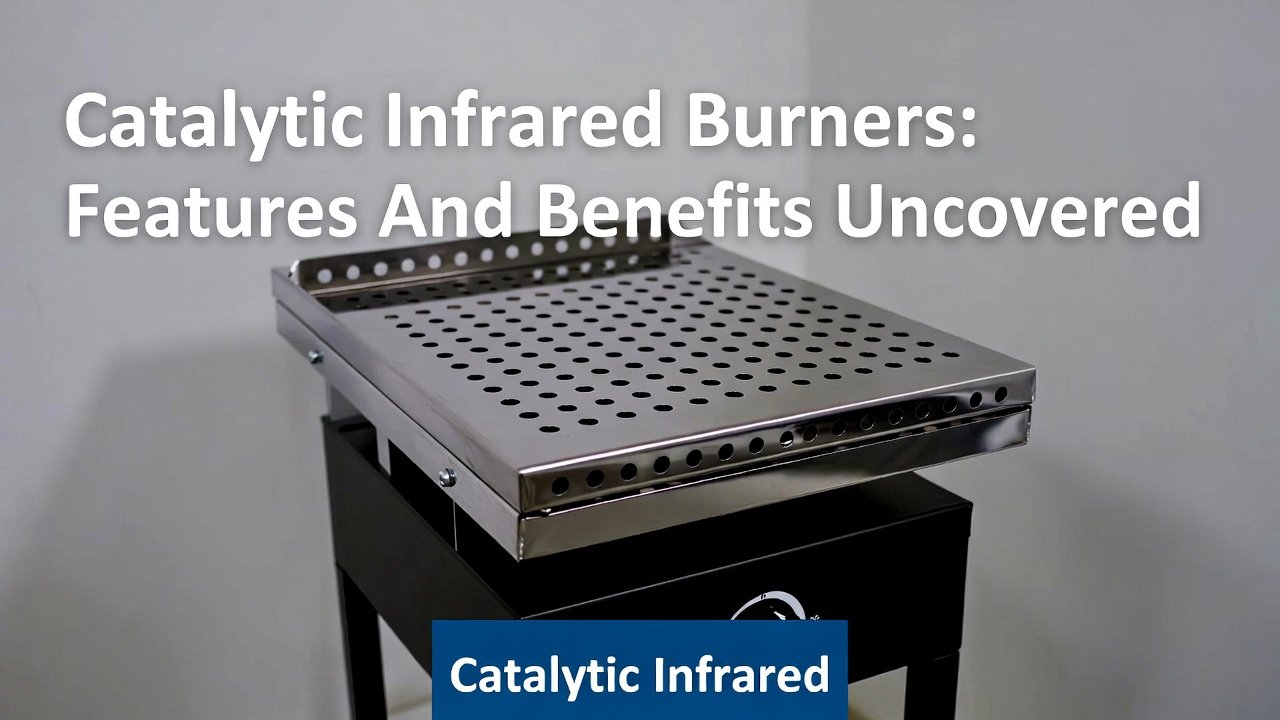
Are you looking for a heating solution that saves energy, reduces emissions, and delivers consistent warmth? Catalytic infrared burners might be exactly what you need.
These innovative devices offer unique features that can transform the way you heat your space or power your equipment. You’ll discover how catalytic infrared burners work, why they stand out from traditional burners, and the benefits they bring to your home or business.
Keep reading to find out how choosing the right burner can improve your comfort and efficiency while cutting costs.
Catalytic burner systems are available in different sizes and configurations depending on the required heating area, operating temperature, and industrial process. Explore our catalytic infrared burner products and other industrial infrared heating solutions.
Catalytic Infrared Burners
Catalytic infrared burners are devices used to produce heat efficiently. They use a special surface to burn fuel without an open flame. This makes them safer and more energy-saving compared to traditional burners.
These burners work quietly and provide even heat. They find use in many areas like heating, drying, and cooking. Understanding their design helps to see why they are effective.
The burner surface and ceramic components play an important role in generating stable and efficient radiant heat. Explore our honeycomb ceramic burner plates for infrared burner systems and industrial heating applications.
Basic Principles
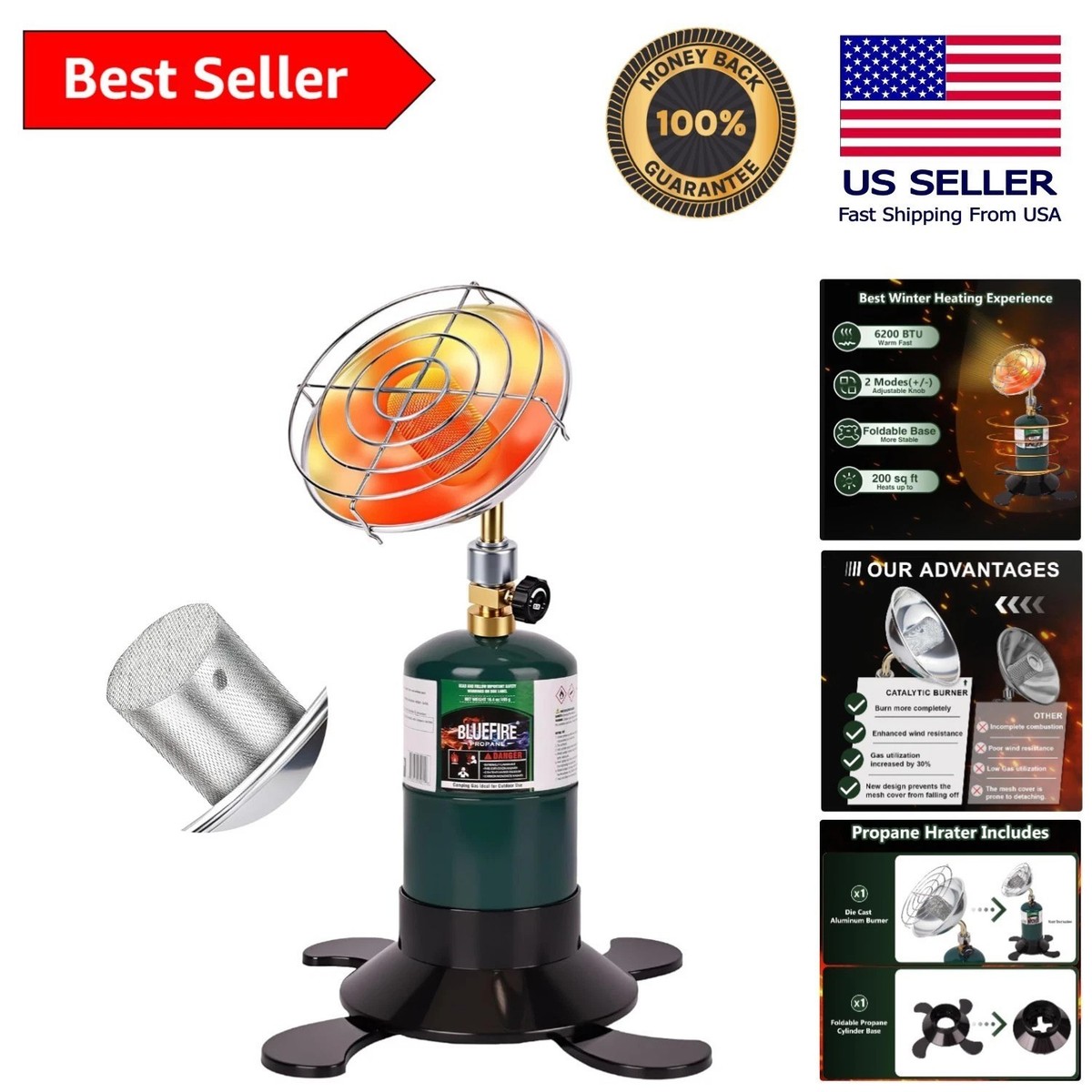
Catalytic infrared burners work by passing fuel over a catalyst. The catalyst helps the fuel burn at lower temperatures. This process releases infrared heat instead of flames.
The heat spreads evenly across the burner’s surface. This leads to gentle and consistent heating. The absence of flames reduces pollution and fire risks.
Key Components
The main parts include a catalyst-coated surface, fuel supply, and a burner body. The catalyst is often made from metals like platinum or palladium. It triggers the chemical reaction to produce heat.
The burner body supports the catalyst and directs fuel flow. A fuel system controls the amount of gas or liquid fed to the burner. Together, these parts create efficient and clean heat.
How They Work
Fuel enters the burner and contacts the catalyst surface. The catalyst causes the fuel to oxidize without flames. This produces infrared radiation as heat.
The burner surface heats up and emits infrared waves. These waves warm objects and air nearby directly. This method saves energy and reduces heat loss.
Distinctive Features
Catalytic infrared burners have unique features that set them apart from traditional burners. These features improve their performance and make them suitable for many uses. Understanding these distinctive qualities helps you see why they are popular in various industries.
Heat Distribution
These burners spread heat evenly across surfaces. The catalytic surface creates a consistent heat source. This helps avoid hot spots and cold areas. Uniform heat improves the quality of heating tasks. It also protects materials from damage caused by uneven heat.
Fuel Efficiency
Catalytic infrared burners use less fuel than many other types. They convert fuel into heat more effectively. This means less waste and lower fuel costs. Efficient fuel use also reduces the need for frequent refills. This feature is important for saving money and resources.
Emission Levels
These burners produce fewer harmful emissions. The catalytic process burns fuel more completely. This reduces smoke, carbon monoxide, and other pollutants. Lower emissions mean a cleaner environment and safer air quality. This makes them a better choice for indoor and outdoor use.
Performance Benefits
Catalytic infrared burners offer several performance benefits that enhance industrial and commercial heating processes. These burners provide efficient heat transfer and reduce energy consumption. Their design ensures consistent and reliable operation, making them a preferred choice for many applications.
Energy Savings
Catalytic infrared burners use less fuel than traditional burners. They convert fuel into heat more efficiently. This efficiency lowers energy costs and reduces waste. Businesses save money on fuel bills while maintaining strong heat output. The even heat distribution also means less heat loss during operation.
Improved Air Quality
These burners produce fewer harmful emissions. They operate at lower temperatures, reducing nitrogen oxide (NOx) formation. Cleaner combustion means less smoke and odor. This helps maintain a healthier work environment. Improved air quality benefits workers and nearby communities.
Durability And Maintenance
Catalytic infrared burners are built to last. Their materials resist corrosion and wear over time. They require less frequent maintenance than other burners. Easy cleaning and long service life reduce downtime. This durability ensures steady performance and lowers maintenance costs.
Credit: besimeorganizasyon.com
Applications
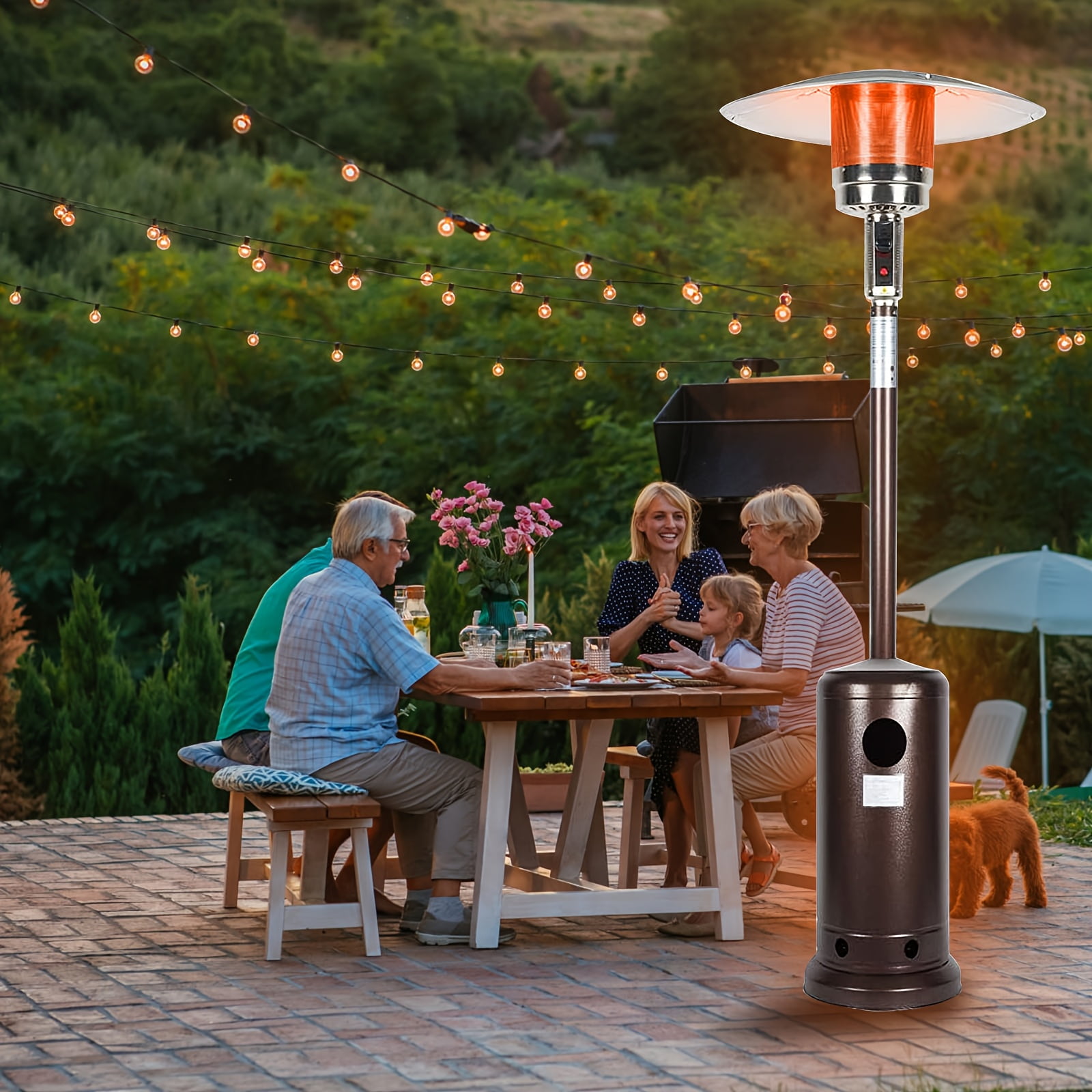
Catalytic infrared burners have many uses across different fields. Their ability to provide even heat and reduce emissions makes them popular. These burners work well in places needing safe, efficient heating. Below are some common applications.
Catalytic infrared heating can be adapted for many manufacturing processes where controlled and efficient radiant heat is required. Learn more about infrared gas burners in industrial heating and their wider applications across different industries.
Industrial Uses
Industries use catalytic infrared burners for drying and curing. They help in paint shops to dry coatings faster. These burners also assist in heating large spaces safely. Factories benefit from lower fuel use and less pollution.
Commercial Heating
Many commercial buildings use these burners for heating. They warm warehouses and workshops evenly and quickly. These burners are quiet and need little maintenance. They keep people comfortable without wasting energy.
Specialized Processes
Special industries use catalytic burners for precise heating tasks. They aid in food processing by controlling temperature carefully. In chemical plants, they help maintain safe heat levels. These burners provide steady heat without flames, ideal for sensitive jobs.
For industrial processes that require controlled heating during curing and material drying, you can also explore infrared burners for powder coating and drying lines and their role in improving process efficiency.
Comparison With Traditional Burners
Catalytic infrared burners differ from traditional burners in many ways. They use a special surface to create heat rather than an open flame. This difference affects how they perform in efficiency, environmental impact, and cost. Understanding these aspects helps decide which burner fits best for a specific need.
Efficiency Differences
Catalytic infrared burners deliver heat more evenly and quickly. They convert fuel into heat with less loss. Traditional burners often waste heat through flames and exhaust. This makes catalytic burners better for saving energy. They reach the desired temperature faster and keep it steady.
Environmental Impact
Catalytic burners produce fewer harmful emissions. The special surface helps burn fuel more completely. This reduces pollutants like carbon monoxide and nitrogen oxides. Traditional burners release more smoke and gases. Using catalytic burners can help lower air pollution and improve air quality.
Cost Considerations
Catalytic infrared burners usually cost more upfront. Their advanced technology requires higher initial investment. Traditional burners are cheaper to buy but may cost more over time. Catalytic burners save money on fuel and maintenance. Over the long term, they often prove more economical.
Credit: www.ebay.com
Future Trends
The future of catalytic infrared burners looks bright. These burners will evolve with new technology and market needs. Their role in saving energy and reducing pollution will grow. Many industries will find them more useful and efficient.
Technological Advances
New materials will improve burner durability and performance. Sensors will monitor heat and emissions better. Automation will allow precise control of burner output. These changes will lower fuel use and extend burner life. Innovation will make burners safer and easier to maintain.
Market Growth
The demand for catalytic infrared burners will rise worldwide. More factories and businesses will adopt these burners. Cost savings and environmental laws will drive this growth. New markets in Asia and Africa will expand quickly. Suppliers will offer more options to meet diverse needs.
Sustainability Focus
Burners will help industries reduce carbon emissions. They will use cleaner fuels and produce less waste. Energy efficiency will be a key goal. Companies will choose burners that support green policies. This focus will make catalytic infrared burners central to eco-friendly production.
Frequently Asked Questions
What Are Catalytic Infrared Burners?
Catalytic infrared burners use a catalyst to produce infrared heat. They efficiently convert fuel into radiant heat with low emissions. This technology provides uniform heating and energy savings, making it ideal for industrial and commercial applications.
If you want to understand the wider technology behind this heating method, start by learning what an infrared gas burner is and how infrared energy is used for industrial heating.
How Do Catalytic Infrared Burners Save Energy?
They operate at lower temperatures with higher efficiency. The catalyst promotes complete combustion, reducing fuel waste. This results in less energy consumption and lower operating costs. Energy savings can reach up to 30% compared to traditional burners.
What Industries Benefit From Catalytic Infrared Burners?
Industries like manufacturing, drying, curing, and heating use these burners. They provide precise, consistent heat, enhancing product quality. Their low emissions meet environmental regulations, making them suitable for industrial processes and commercial heating.
Are Catalytic Infrared Burners Environmentally Friendly?
Yes, they produce fewer pollutants and reduce greenhouse gases. The catalyst ensures cleaner combustion with minimal NOx and CO emissions. This makes them a greener alternative to conventional heating systems.
Looking for a Catalytic Infrared Burner?
The right catalytic infrared burner depends on your heating application, operating temperature, burner size, fuel type, and production requirements. If you need help selecting an industrial infrared heating solution, contact our team to discuss your project requirements.
Conclusion
Catalytic infrared burners offer efficient and clean heating. They use less fuel and produce less pollution. These burners heat surfaces evenly and quickly. They work quietly and need little maintenance. Many industries benefit from their reliability and safety. Choosing catalytic infrared burners can save money and energy.
Their simple design makes them easy to use. This technology supports eco-friendly and cost-effective heating solutions. Consider these features and benefits when selecting heating equipment. A smart choice for better heating performance.