

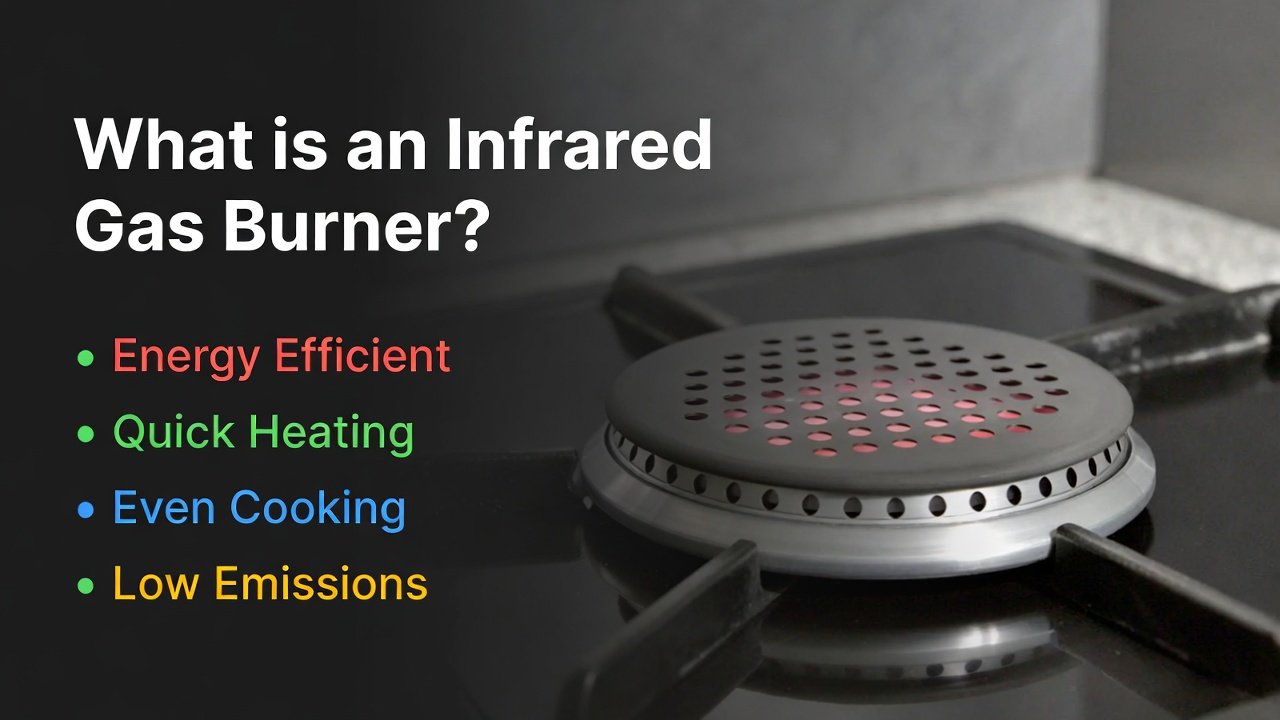
Have you ever wondered how some heaters and grills deliver heat so evenly and efficiently? The secret often lies in a device called an infrared gas burner.
If you’re looking to upgrade your heating system or just curious about how this technology works, understanding what an infrared gas burner is can change the way you think about heat. This article will break down everything you need to know in simple terms, helping you make smarter choices for your home or business.
Keep reading, and you’ll discover how this burner can save you energy, improve comfort, and even enhance safety.
For industrial and commercial heating projects, choosing the right burner design and capacity is important. Explore our infrared gas burner products to find solutions for industrial ovens, drying systems, food processing, powder coating, and other heating applications.
Credit: www.selas.com
Infrared Gas Burner Basics
An infrared gas burner produces heat using infrared radiation. This heat is efficient and direct. It heats objects and surfaces instead of the air. This method saves energy and increases effectiveness in many applications.
Infrared burners are common in industrial heating, cooking, and outdoor heating. They work quietly and provide uniform heat. Understanding their basics helps in choosing the right type for your needs.
How It Works
The burner mixes gas with air to create a flame. The flame heats a special surface called the emitter. The emitter then releases infrared rays. These rays carry heat directly to the target area.
The heat transfer is quick and focused. It avoids heat loss in the surrounding air. This makes infrared burners more energy-efficient than traditional burners.
Components And Design
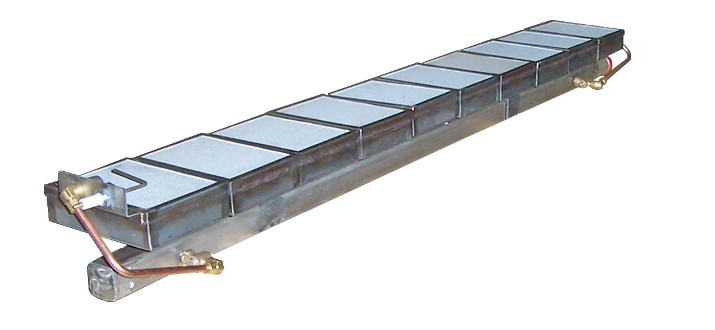
An infrared gas burner has several key parts. The main parts include the burner head, emitter, and gas supply system. The burner head controls the gas and air flow. The emitter is made from materials that absorb and radiate heat.
The design ensures even heat distribution. Many emitters use ceramic or metal plates. The gas supply system includes valves and pipes to regulate fuel flow. Proper design leads to safe and reliable operation.
Credit: www.homedepot.com
Types Of Infrared Gas Burners
Infrared gas burners come in different types. Each type has its own use and design. Knowing these types helps you choose the right burner for your needs. The main types include ceramic burners, metal burners, and radiant tubes. Each works differently but all produce infrared heat efficiently.
Ceramic Burners
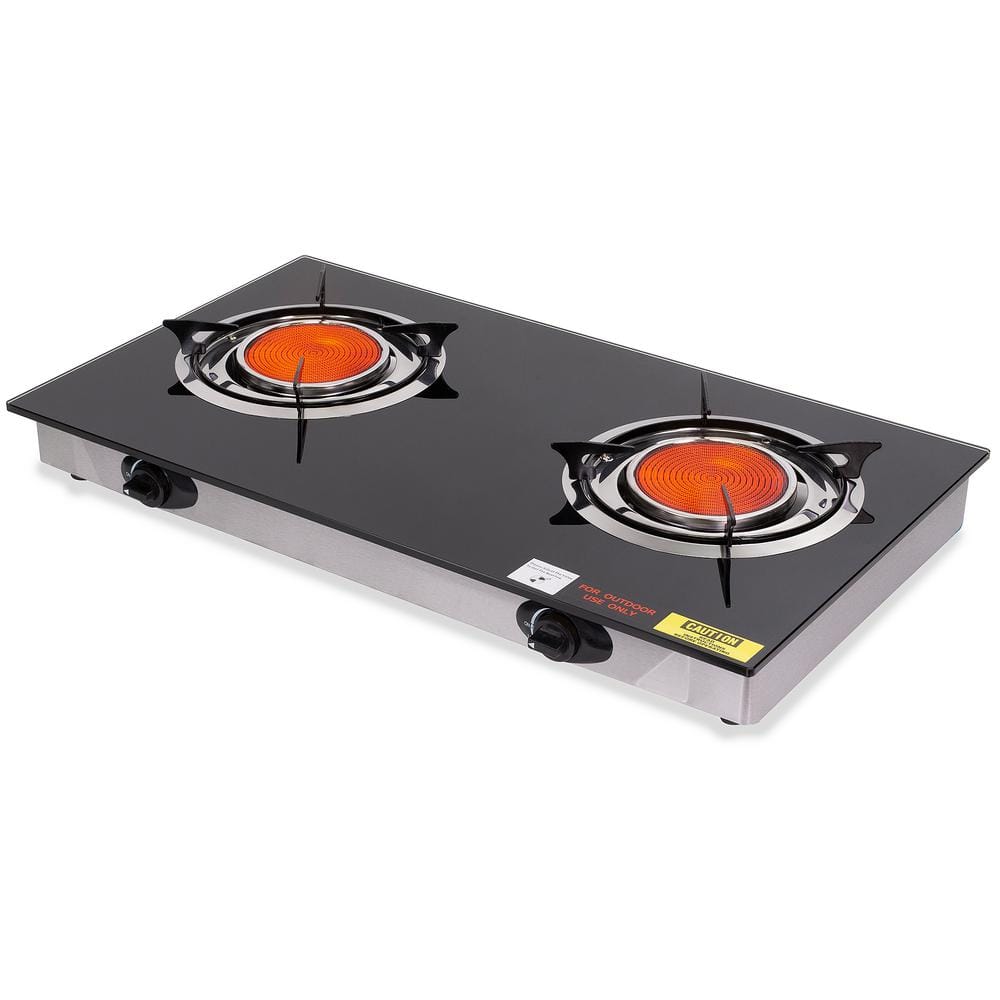
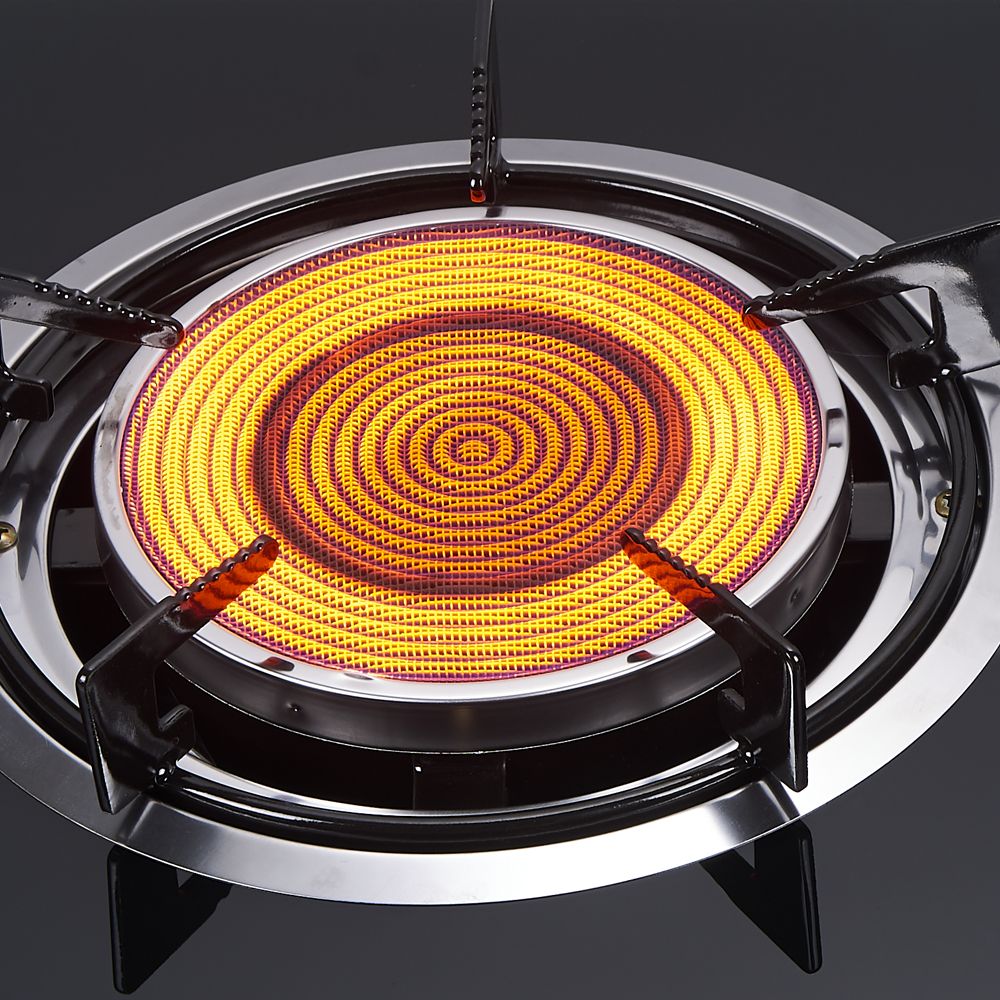
Ceramic burners use a special ceramic surface. The gas flame heats the ceramic, which then glows and emits infrared heat. These burners provide even heat distribution. They are good for cooking and heating in small spaces. Ceramic burners are quiet and energy-efficient.
The ceramic surface plays an important role in heat distribution and infrared performance. For applications that require replacement ceramic components or customized heating surfaces, you can also explore our ceramic infrared burner plates.
Metal Burners
Metal burners have a metal plate or mesh. The gas flame heats this metal surface, which radiates infrared heat. Metal burners are durable and strong. They heat up quickly and cool down fast. These burners work well in industrial settings and outdoor heaters.
Radiant Tubes
Radiant tubes are long metal tubes that get hot from gas flames inside. The tube surface emits infrared radiation outward. They are used in large heating systems. Radiant tubes heat large areas evenly. They are common in factories and warehouses.
Catalytic Infrared Burners
To understand the technology, operating principles, and advantages in more detail, read our guide to catalytic infrared burners.
Key Benefits
Infrared gas burners offer several important benefits. These advantages make them popular in many heating applications. Understanding these benefits helps in choosing the right heating solution.
Energy Efficiency
Infrared gas burners use fuel more efficiently than traditional burners. They convert most fuel into heat, wasting less energy. This efficiency reduces fuel costs and saves money.
Less energy use also means less strain on natural resources. It supports a greener and more sustainable environment.
Faster Heating
These burners heat up surfaces quickly. Infrared rays transfer heat directly to objects, not the air. This direct heating cuts down wait times significantly.
Faster heating improves productivity in industrial settings. It also makes outdoor heating more effective in cold weather.
Improved Heat Distribution
Infrared gas burners spread heat evenly across surfaces. This consistent heat avoids hot or cold spots. It ensures better comfort and process control.
Even heat distribution protects materials from damage. It also enhances the quality of cooking or manufacturing results.
Lower Emissions
Infrared burners produce fewer pollutants than traditional burners. They burn fuel more completely, reducing smoke and gases. This cleaner burn helps improve air quality.
Lower emissions make these burners suitable for indoor and outdoor use. They support health and safety regulations effectively.
Credit: www.ridaxcookers.com
Common Applications
Infrared gas burners have many uses in different fields. They provide efficient heat and save energy. Their ability to heat quickly and evenly makes them popular.
Infrared heating can be adapted for many manufacturing processes, depending on the material, required temperature, and production method. Learn more about the industrial applications of infrared gas burners and how they are used in different heating processes.
These burners work well in places where direct heat is needed without burning the surface. Below are some common ways people use infrared gas burners.
Industrial Heating
Factories use infrared gas burners to heat metals and other materials. The burners help in processes like drying, melting, and heating parts. They heat surfaces fast and keep the temperature steady. This saves time and lowers costs.
Food Processing
In food production, infrared gas burners cook or dry food quickly. They help bake, grill, or roast without using too much energy. The burners keep food moist and cook it evenly. This improves the taste and quality.
In many food processing and drying applications, the burner surface and heating components are important for maintaining stable and uniform radiant heat. Our honeycomb ceramic burner plates are designed for infrared heating applications that require efficient heat distribution.
Space Heating
Infrared gas burners warm up large spaces like warehouses or workshops. They provide heat directly to people and objects, not just the air. This makes the space feel warmer faster. The burners use less fuel and reduce heat loss.
Drying And Curing
These burners help dry paints, coatings, and other materials. They speed up the curing process without damaging the surface. Infrared heat works well for sensitive materials that need gentle drying. This increases production speed and quality.
For industrial drying, curing, powder coating, and similar processes, selecting the correct burner type and heating capacity is essential. Browse our infrared gas burners for industrial heating to explore available product solutions.
Maintenance And Safety Tips
Proper maintenance and safety are key to using an infrared gas burner. These tips help keep the burner efficient and safe to operate. Regular care prevents problems and extends the burner’s life.
Regular Inspections
Check the burner often for signs of wear or damage. Look for cracks, rust, or loose parts. Early detection stops small issues from growing. Test the burner’s flame to ensure it burns evenly. A weak or uneven flame means a problem needs fixing.
Cleaning Procedures
Keep the burner clean to maintain good performance. Remove dirt, dust, and debris from the surface and burner ports. Use a soft brush or cloth for cleaning. Avoid harsh chemicals that can damage the burner. Clean the burner at least once a month or more if used often.
Safety Precautions
Always turn off the gas supply before cleaning or inspecting. Use the burner in a well-ventilated area to avoid gas buildup. Keep flammable materials away from the burner. Never leave the burner unattended while in use. Wear protective gloves and glasses if needed. Follow the manufacturer’s instructions carefully to stay safe.
Frequently Asked Questions
What Is An Infrared Gas Burner Used For?
An infrared gas burner provides efficient heat for industrial and commercial applications. It uses infrared radiation to transfer heat directly. This method saves energy and improves heating speed. Common uses include drying, curing, and space heating.
How Does An Infrared Gas Burner Work?
Infrared gas burners burn fuel to produce infrared radiation. This radiation heats objects directly without heating the surrounding air. The burner emits heat in the form of infrared waves, which are absorbed by surfaces, making heating faster and more efficient.
What Are The Benefits Of Infrared Gas Burners?
Infrared gas burners offer fast, even heating with less energy waste. They reduce emissions and improve fuel efficiency. Their direct heat transfer minimizes heat loss. They are low maintenance and provide precise temperature control for various processes.
Are Infrared Gas Burners Energy Efficient?
Yes, infrared gas burners are highly energy efficient. They heat objects directly, reducing heat loss to the environment. This direct heating means faster heat-up times and lower fuel consumption compared to conventional burners. This efficiency leads to cost savings and reduced carbon footprint.
Need Help Choosing an Infrared Gas Burner?
The right infrared burner depends on your application, fuel type, heating area, operating temperature, and production requirements. If you are looking for an industrial infrared gas burner or customized heating solution, contact our team to discuss your requirements.
Conclusion
Infrared gas burners use heat to warm objects directly, not the air. They save energy and provide fast, even heating. These burners work well in many places, from homes to factories. They produce less pollution than some other heaters. Understanding how they work helps you choose the right heating method.
Infrared gas burners offer a clear, simple way to heat spaces efficiently. They combine safety, speed, and cost-effectiveness in one tool. A smart choice for many heating needs.