
If you run a factory in Indonesia, you know how crucial reliable heating solutions are for your operations. Whether you need to maintain precise temperatures in production lines or ensure energy efficiency, the right industrial heating system can make all the difference.
But with so many options available—like industrial ovens, furnaces, and thermal oil heaters—how do you choose what fits your factory’s unique needs? You’ll discover practical insights and expert tips to help you find the best industrial heating solutions tailored specifically for Indonesian factories.
Keep reading to unlock ways to boost your productivity, reduce costs, and stay ahead in your industry.
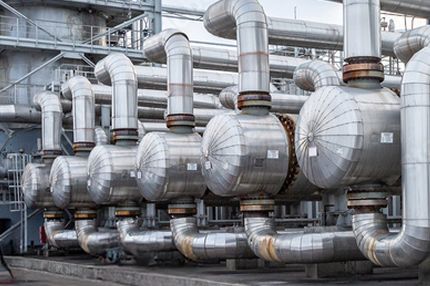
Credit: process.honeywell.com
Heating Needs In Indonesian Factories
Factories in Indonesia require reliable heating systems to maintain smooth operations. Many industrial processes depend on consistent and efficient heat. Heating plays a vital role in manufacturing, food processing, and metalwork. Proper heating ensures quality products and reduces downtime. Factories face unique challenges due to Indonesia’s climate and energy infrastructure. Choosing the right heating solution helps factories save energy and costs. Industrial heating also supports safety and environmental compliance.
Common Industrial Heating Challenges
High humidity and tropical temperatures affect heating system performance. Factories must control heat without raising indoor temperatures too much. Maintenance is difficult due to dust and corrosive environments. Energy costs can be unpredictable in some regions. Heating equipment needs to be durable and easy to repair. Factories also seek systems with fast heat-up times and precise control. Finding heating solutions that match process needs is critical.
Key Industries Using Heating Solutions
Indonesia’s main industries rely heavily on heating technology. The palm oil sector uses heat for drying and refining. Textile factories need heat for dyeing and finishing fabrics. Food and beverage plants apply heating to cook and sterilize products. Metal processing facilities depend on furnaces and ovens for shaping metals. Chemical manufacturers use heat in reactions and processing. Each industry has different temperature and energy demands.
Energy Sources In Indonesia
Indonesia offers a mix of energy sources for industrial heating. Natural gas is widely available and popular for boilers and furnaces. Coal remains a common fuel in larger factories. Electricity powers many electric heaters and thermal oil systems. Some factories explore renewable options like biomass and geothermal energy. The choice depends on cost, availability, and environmental goals. Efficient energy use reduces factory expenses and emissions.

Credit: www.siemens-energy.com
Types Of Industrial Heating Systems
Industrial heating systems play a crucial role in Indonesia’s factories. They provide the heat necessary for manufacturing, processing, and other operations. Choosing the right heating system improves efficiency and lowers costs. Various types of industrial heating systems serve different needs and energy sources. Understanding these types helps factory managers select the best option.
Steam Heating Systems
Steam heating systems use steam to transfer heat. Boilers generate steam by heating water. The steam moves through pipes to heat equipment or space. This method is common in textile and food factories. Steam heating offers quick, uniform heat and is easy to control.
Fuel Combustion Heating
Fuel combustion heating burns fuels like natural gas, oil, or coal. The heat from burning fuels heats air or liquids. This system suits large factories needing high heat levels. It is cost-effective but requires proper ventilation. Regular maintenance ensures safe and efficient operation.
Electric Heating Elements
Electric heating elements convert electricity into heat. They include resistance wires and heating coils. These elements offer precise temperature control and fast response. Electric heating is clean and easy to install. It is ideal for small to medium-sized industrial processes.
Thermal Fluid Heating
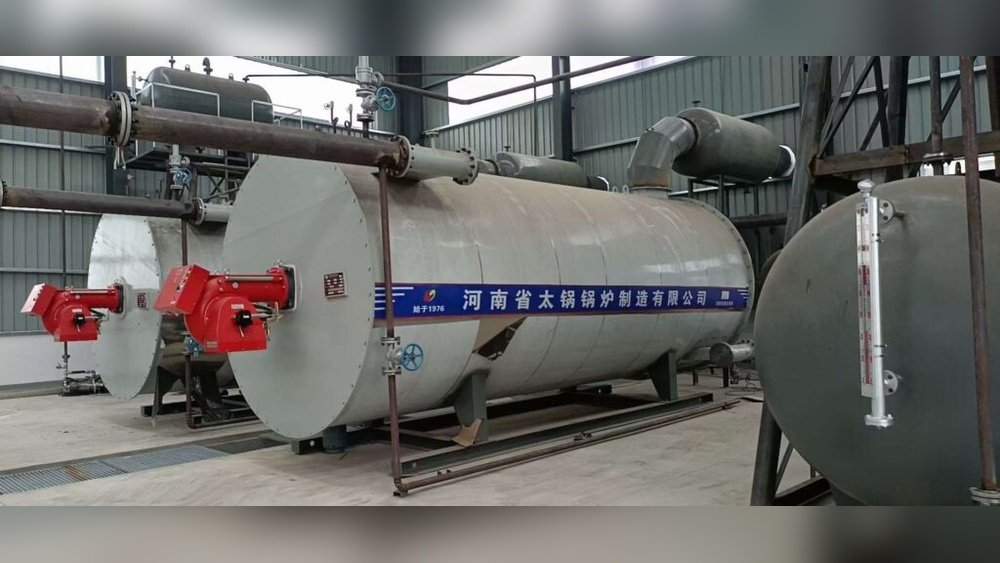
Thermal fluid heating uses hot liquids to transfer heat. Heated thermal oil or other fluids circulate through pipes. This system provides stable and even heat at high temperatures. It is common in chemical and manufacturing industries. Thermal fluid heating reduces energy consumption and improves safety.
Heat Recovery Solutions
Heat recovery systems capture waste heat from industrial processes. They reuse this heat to warm other parts of the factory. This method saves energy and lowers operating costs. Heat recovery suits factories with large heat demands. It supports sustainable and eco-friendly manufacturing.
Popular Heating Equipment In Indonesia
Factories in Indonesia use various heating equipment to meet industrial needs. These tools help control temperature and improve production quality. Choosing the right heating device saves energy and boosts efficiency.
Several heating systems have gained popularity due to their reliability and suitability for different factory processes. Below are some commonly used heating equipment in Indonesian factories.
Industrial Ovens And Furnaces
Industrial ovens and furnaces provide controlled heating for manufacturing tasks. They are essential in processes like drying, curing, and heat treatment. These ovens can handle high temperatures and maintain consistent heat levels. Indonesian factories often rely on these for metalworking and ceramics production.
Induction Furnace Systems
Induction furnace systems use electromagnetic fields to melt metals. They are energy-efficient and offer precise temperature control. These systems reduce pollution compared to traditional fuel-based furnaces. Many Indonesian metal foundries prefer induction furnaces for their speed and clean operation.
Tubular Heaters
Tubular heaters are electric heating elements shaped like tubes. They fit into various equipment for heating air, liquids, or solids. These heaters are durable and easy to install. Factories in Indonesia use tubular heaters in machinery, ovens, and water heaters.
Infrared Gas Burners
Infrared gas burners emit radiant heat for quick and even warming. They are ideal for drying, baking, and curing processes. These burners consume less fuel and produce less smoke. Indonesian industries use infrared burners to improve heating efficiency and reduce costs.
High-efficiency Boiler Systems
High-efficiency boiler systems generate steam or hot water for factory heating. They use fuel and technology to maximize heat output with minimal waste. These boilers help maintain stable temperatures in production lines. Many Indonesian factories upgrade to efficient boilers for energy savings and lower emissions.
Benefits Of Modern Heating Solutions
Modern heating solutions bring many advantages to factories in Indonesia. These systems use new technology to improve how factories run. They help save energy, cut costs, and raise product quality. Worker safety also gets better with advanced heating methods. These benefits make factories more competitive and efficient in a busy market.
Boosting Energy Efficiency
Modern heating systems use energy more wisely. They deliver heat exactly where it is needed. This reduces waste and lowers energy use. Efficient heating means less fuel is burned. Factories save money on electricity and gas bills. These systems often include smart controls to adjust heat automatically. This keeps energy use at the lowest possible level.
Reducing Operational Costs
New heating technology cuts down factory costs. Using less energy means smaller utility bills. Maintenance costs drop because modern systems are more reliable. They need fewer repairs and last longer. Factories spend less on fuel and parts. This helps free up budget for other important needs. Lower costs improve overall business profits.
Enhancing Production Quality
Precise heating improves the quality of factory products. Consistent temperature ensures materials are processed correctly. This reduces defects and waste in production. Better heat control leads to stronger and more reliable products. Factories can meet strict quality standards easily. Customers receive better goods, raising satisfaction and trust.
Improving Worker Safety
Modern heating systems improve safety for factory workers. They reduce the risk of burns and accidents. New equipment often has safety guards and automatic shutoffs. Heat is controlled more carefully, lowering dangerous hot spots. Better air quality results from cleaner heating methods. Safe workplaces protect workers and reduce downtime.
Sustainable Heating Technologies
Sustainable heating technologies are transforming industrial heating in Indonesia. Factories seek solutions that save energy and cut costs. These technologies also reduce environmental impact. They help industries meet strict regulations and improve efficiency.
Adopting sustainable heating supports Indonesia’s goals for cleaner energy use. It promotes long-term growth while protecting natural resources. Factories can use modern systems that blend technology and green energy. These innovations offer reliable heat with less pollution.
Electric Heating Advances
Electric heating systems are becoming more efficient and affordable. New electric heaters provide precise temperature control for factory processes. They reduce energy waste and improve safety. Advances in materials and design extend their lifespan. Factories using electric heating cut reliance on fossil fuels.
Renewable Energy Integration
Factories now combine heating systems with solar and biomass energy. Solar thermal panels can supply heat directly to industrial processes. Biomass boilers use agricultural waste to produce heat sustainably. This integration lowers operational costs and carbon footprints. It also supports local energy independence.
Emission Reduction Strategies
Reducing emissions is key to sustainable industrial heating. Factories install advanced filters and scrubbers on heating units. These devices capture harmful gases before release. Using cleaner fuels like natural gas helps cut emissions too. Regular maintenance ensures heating systems run cleanly and efficiently.
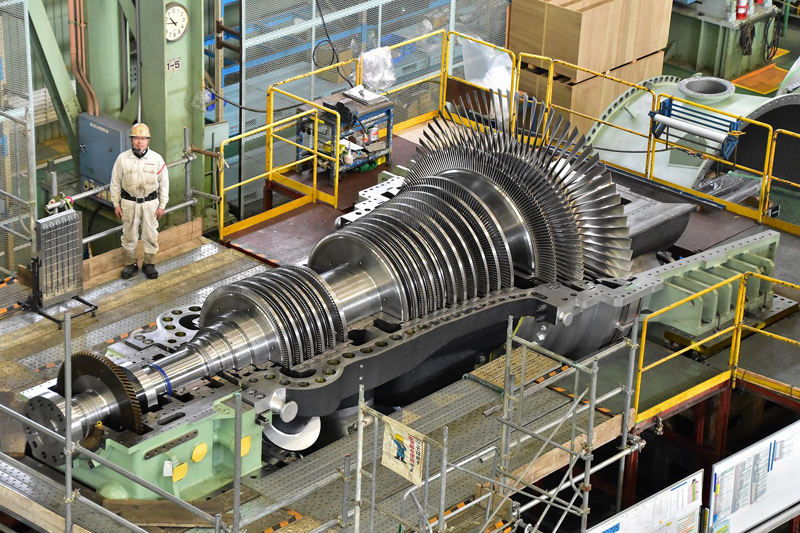
Credit: global.kawasaki.com
Choosing The Right Heating System
Choosing the right heating system is crucial for factory efficiency and safety. A well-selected system ensures consistent temperature control and lowers energy costs. It also supports production quality and worker comfort. Several factors influence the best heating choice for Indonesian factories. This section breaks down key points to consider during selection.
Assessing Factory Requirements
Start by understanding your factory’s size and layout. Different areas may need varied heat levels. Consider the materials processed and their heating sensitivity. Identify peak production times and heat demand cycles. This helps match the heating system to actual factory needs. Avoid oversizing or undersizing the system to save energy and costs.
Evaluating Equipment Reliability
Choose heating equipment known for durability and consistent performance. Reliable systems reduce downtime and repair costs. Look for brands with strong local support and spare parts availability. Check reviews or case studies from similar factories. Reliable equipment improves factory productivity and safety.
Considering Maintenance Needs
Review the maintenance demands of each heating option. Some systems require frequent checks and part replacements. Others run longer without intervention. Easy maintenance lowers labor costs and avoids unexpected shutdowns. Factor in local technical expertise for repairs. A system with simple maintenance suits busy factories better.
Budget And Roi Considerations
Calculate the initial investment and operating costs for each system. Energy consumption and fuel type affect long-term expenses. Balance upfront cost against expected savings and lifespan. A higher initial price may bring better efficiency and lower bills. Aim for a heating solution that pays back within a reasonable time.
Leading Industrial Heating Providers In Indonesia
Indonesia’s industrial sector demands reliable heating solutions to boost production and efficiency. Leading industrial heating providers serve a vital role in meeting these needs. They offer a range of products and services tailored to factory environments across the country.
These providers combine local expertise with global technology. Their focus includes system design, installation, and ongoing support. Factories gain access to advanced heating equipment that fits specific industrial processes. This ensures energy efficiency and consistent performance.
Local Manufacturers And Suppliers
Local manufacturers in Indonesia produce a wide array of industrial heating equipment. They specialize in industrial ovens, furnaces, and thermal oil heating systems. These suppliers understand the unique needs of Indonesian factories. Their proximity allows for faster delivery and on-site service. They also provide components tailored to regional industry standards.
International Technology Partners
Many Indonesian providers partner with global technology firms. These partnerships bring cutting-edge heating technology to local factories. International partners supply advanced induction furnaces and electric heating elements. They help upgrade factory processes and reduce energy consumption. Collaboration ensures compliance with international safety and quality standards.
Customization And Support Services
Customization is key for industrial heating solutions. Providers offer tailored systems based on factory size and production type. They design heating units to meet precise temperature and timing requirements. Support services include installation, maintenance, and troubleshooting. Continuous support helps factories avoid downtime and optimize performance.
Installation And Maintenance Tips
Proper installation and maintenance of industrial heating systems ensure long-term efficiency. Factories in Indonesia benefit from reliable heating solutions with fewer breakdowns. Following practical tips can save time and reduce costs. Understanding how to install, maintain, and troubleshoot these systems supports smooth factory operations.
Proper System Installation
Begin by selecting the right heating system for your factory’s needs. Ensure all components meet local safety and quality standards. Install equipment on stable, level surfaces to prevent damage. Connect electrical and fuel lines following manufacturer instructions. Test the system thoroughly before full operation. Proper installation prevents leaks and energy loss.
Routine Maintenance Practices
Schedule regular checks to keep the system running efficiently. Clean filters, ducts, and heating elements to avoid blockages. Inspect electrical connections for wear or corrosion. Lubricate moving parts to reduce friction and wear. Replace worn or damaged parts promptly. Document all maintenance activities for future reference.
Troubleshooting Common Issues
Watch for uneven heating or unusual noises as warning signs. Check fuel supply and electrical connections first. Clean or replace clogged filters to restore airflow. Reset controls and sensors if the system stops unexpectedly. Consult the manual for error codes and fixes. Contact professionals for complex repairs beyond basic troubleshooting.
Training And Safety Protocols
Train staff on proper system operation and emergency procedures. Emphasize the importance of using personal protective equipment. Keep clear access to heating units and control panels. Establish a routine for reporting issues immediately. Conduct safety drills to prepare for possible hazards. Regular training reduces accidents and equipment damage.
Future Trends In Industrial Heating
The industrial heating sector in Indonesia is evolving rapidly. Factories seek efficient, reliable, and eco-friendly heating solutions. Future trends focus on smarter, more connected, and energy-saving systems. These innovations aim to reduce costs and environmental impact while boosting productivity.
Smart Heating Systems
Smart heating systems use sensors and data to adjust temperatures automatically. They optimize heat delivery based on real-time factory needs. This reduces energy waste and improves product quality. Factories benefit from precise control and lower operating costs. Smart systems also offer easy remote monitoring and maintenance.
Automation And Iot Integration
Automation links industrial heating with factory machinery for seamless operation. Internet of Things (IoT) devices collect data from heating equipment continuously. This data helps detect faults early and schedule preventive maintenance. IoT integration supports better decision-making and increases system uptime. It also enables energy use tracking for better efficiency.
Energy Storage Solutions
Energy storage allows factories to save heat for later use. Thermal energy storage reduces peak energy demand and lowers costs. It helps balance power supply, especially with renewable energy sources. Stored heat can be released when needed, ensuring steady production. This trend supports cleaner energy and enhances system reliability.
Frequently Asked Questions
How To Heat A Large Factory?
Heat a large factory using industrial heating systems like steam, fuel combustion, electric, or thermal-fluid heaters. Choose based on energy efficiency and factory size. Install industrial ovens or furnaces for targeted heating. Use heat recovery systems to reduce energy costs and maintain consistent temperatures.
Who Is The Largest Gas Producer In Indonesia?
Pertamina is the largest gas producer in Indonesia. The state-owned company dominates domestic gas production and distribution.
What Is Indonesia Famous For Producing?
Indonesia is famous for producing palm oil, coffee, rubber, textiles, coal, and industrial heating equipment like ovens and furnaces.
Which One Is Also Used In Heating In Industrial Processes?
Steam heating systems, fuel combustion, electric heating, thermal-fluid heating, and heat recovery systems also heat industrial processes.
Conclusion
Choosing the right industrial heating solutions boosts factory efficiency and lowers costs. Reliable heating systems help maintain product quality and meet production goals. Factories in Indonesia benefit from technology suited to local energy sources and climate. Simple, effective heating keeps operations running smoothly every day.
Investing in proper heating equipment supports long-term growth and success.