
If you’re involved in food drying in Indonesia, you know how crucial reliable heating is to your process. That’s where gas burners for food drying equipment come in.
They provide consistent, efficient heat that helps preserve your products’ quality and extend shelf life. But with so many options out there, how do you choose the right gas burner for your needs? This article will guide you through the key benefits of using gas burners, what to look for in the Indonesian market, and how to get the best performance for your food drying equipment.
Keep reading to find out how the right gas burner can transform your drying process and boost your business.

Credit: zhongliweiye.en.made-in-china.com
Gas Burner Types
Gas burners play a vital role in food drying equipment in Indonesia. Different types of burners offer unique benefits for drying processes. Choosing the right burner type improves efficiency and product quality. Below are common gas burner types used in food drying machines.
Infrared Gas Burners
Infrared gas burners emit heat using infrared radiation. This heat transfers directly to the food, speeding up drying. They provide even heat distribution and reduce energy waste. Infrared burners lower drying time and improve product taste. Many food drying businesses in Indonesia prefer them for these reasons.
Natural Gas Burners
Natural gas burners burn clean fuel with low emissions. Indonesia has a good supply of natural gas, making these burners cost-effective. They produce steady heat, ideal for consistent drying results. These burners are common in large-scale food drying operations. Their easy control helps maintain precise temperature levels.
Lpg Burners
LPG burners use liquefied petroleum gas as fuel. LPG is widely available and portable, suitable for remote areas. These burners ignite quickly and offer strong heat output. Many small and medium food drying businesses in Indonesia rely on LPG burners. They are simple to install and maintain.
Ceramic Honeycomb Technology
This technology uses ceramic honeycomb structures inside burners. It improves heat transfer and combustion efficiency. Ceramic honeycomb burners produce uniform heat and lower fuel consumption. They also reduce harmful emissions, supporting eco-friendly drying. Many modern food dryers in Indonesia incorporate this technology for better performance.
Benefits Of Gas Burners
Gas burners play a vital role in food drying equipment in Indonesia. They offer several advantages that improve the drying process. These benefits include better energy use, cost savings, environmental friendliness, and precise heat control. Understanding these advantages helps businesses choose the right drying solution.
Energy Efficiency
Gas burners use fuel in a way that maximizes energy output. This means more heat is produced with less fuel. Efficient energy use lowers fuel consumption and reduces waste. It also helps maintain a steady drying temperature. This efficiency is crucial for food drying, which requires consistent heat.
Cost-effectiveness
Using gas burners can lower operational costs. Gas is often cheaper than electric power in many parts of Indonesia. The burners need less maintenance compared to other heat sources. This saves money on repairs and downtime. Businesses can dry food faster and save on energy bills.
Environmental Impact
Gas burners produce fewer emissions than many traditional fuels. They burn cleaner, releasing less smoke and pollutants. This helps reduce the carbon footprint of food drying operations. Cleaner burning gas supports a healthier environment. It also meets stricter environmental regulations in Indonesia.
Heat Control And Consistency
Gas burners offer precise heat control. Operators can adjust the flame to reach the desired temperature quickly. This control ensures uniform drying of food products. Consistent heat prevents over-drying or under-drying. It improves the quality and shelf life of dried foods.
Food Drying Equipment
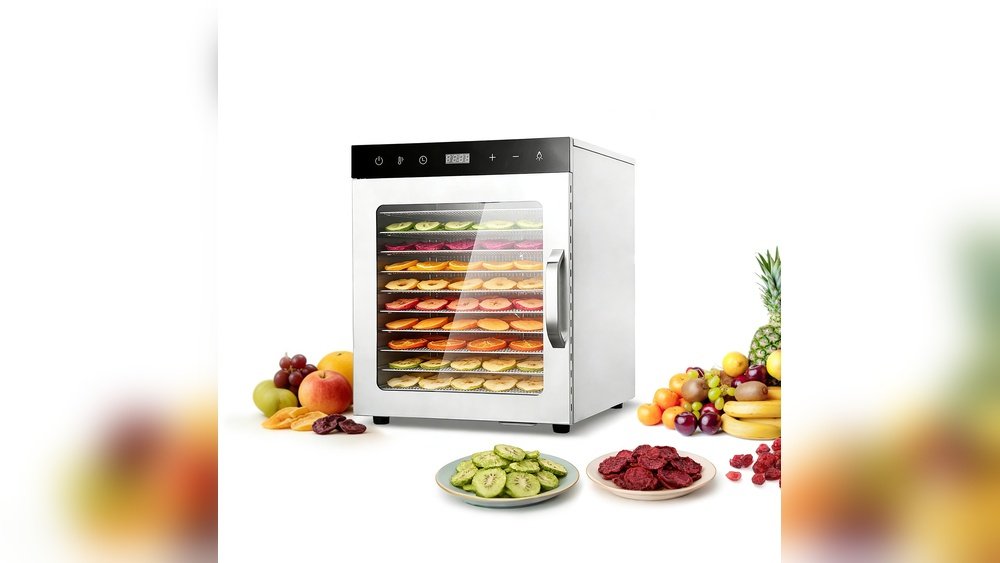
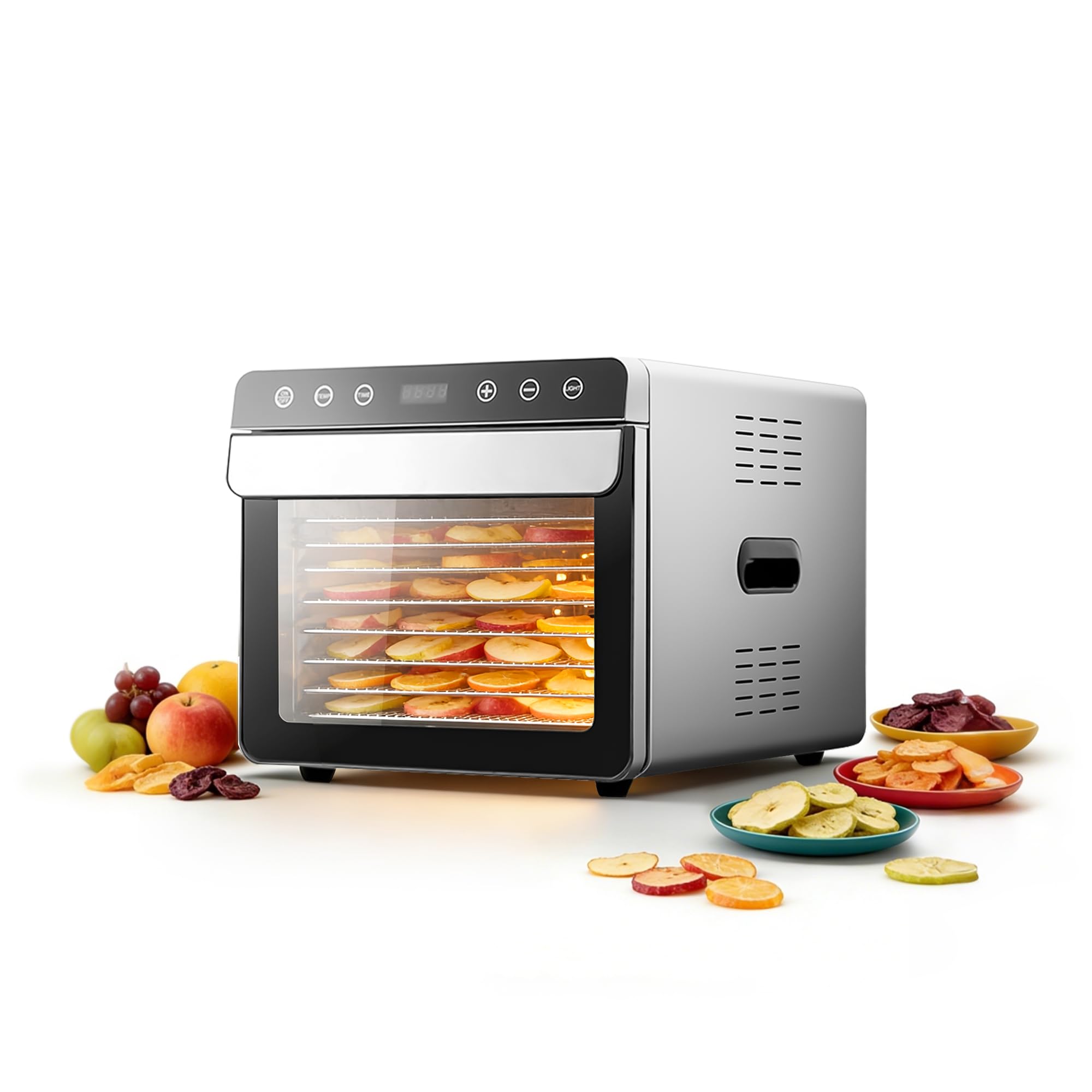
Food drying equipment plays a vital role in Indonesia’s food processing industry. It helps preserve food by removing moisture. This process increases shelf life and maintains food quality. Efficient drying also reduces transportation costs and prevents spoilage. Many types of equipment use gas burners for heating. Gas burners provide consistent heat, making drying faster and more reliable.
Different drying systems serve various industries, from agriculture to large-scale food manufacturing. Each system uses specific technology to meet drying needs. Understanding these systems helps choose the right equipment for any drying task.
Industrial Dryers
Industrial dryers handle large volumes of food products. They use gas burners to generate steady heat for drying. These dryers are common in food factories across Indonesia. They work well with grains, spices, and processed foods. Industrial dryers ensure uniform drying and save energy. Their design allows easy control of temperature and airflow. This control prevents overheating and food damage.
Agricultural Dryers
Agricultural dryers focus on drying fresh crops like coffee, cocoa, and spices. Farmers use gas burners to speed up drying after harvest. This method helps reduce post-harvest losses. Agricultural dryers are usually smaller but effective. They protect crops from mold and insects. These dryers improve the quality and market value of produce.
Thermal Driven Ejector Systems
Thermal driven ejector systems use heat from gas burners to create airflow. This airflow removes moisture from food quickly. These systems are energy-efficient and reliable. They work well in tropical climates like Indonesia’s. The ejector system reduces drying time and lowers fuel use. It suits drying sensitive foods that need gentle heat.
Mechanical Chilling Integration
Mechanical chilling integration combines drying with cooling. After drying, food passes through a chilling process. This step stops further moisture loss and preserves texture. Gas burners provide heat, then mechanical chillers cool the product. This method is common in drying fruits and vegetables. It helps keep food fresh and attractive for longer.
Gas Burners In Indonesian Market
Gas burners play a vital role in food drying equipment across Indonesia. They provide reliable heat essential for drying various food products efficiently. The Indonesian market shows growing interest in advanced gas burner technologies to improve drying processes. Understanding key aspects of this market helps businesses and manufacturers make informed decisions.
Leading Suppliers And Manufacturers
Indonesia hosts several well-known gas burner suppliers. Companies like Hengyi and Bejo Burner offer high-quality burners tailored for industrial use. These suppliers focus on durability and energy efficiency. Local manufacturers also adapt designs to fit Indonesian food drying needs. Their products often support both LPG and natural gas fuel types.
Local Fuel Availability
LPG and natural gas are widely available fuels in Indonesia. Many regions rely on LPG due to its portability and ease of storage. Natural gas supply grows steadily in urban and industrial areas. Access to these fuels ensures continuous operation of gas burners. Fuel cost and availability directly affect the choice of burner technology.
Regulations And Standards
Indonesia enforces safety and environmental regulations for gas burners. These standards ensure burner designs meet emission and safety requirements. Manufacturers must comply with local laws to sell products in the market. Certification processes promote quality and safe operation. Businesses benefit from using compliant equipment to avoid legal issues.
Market Trends And Demand
Demand for efficient food drying equipment rises with Indonesia’s food processing growth. Energy-saving gas burners attract buyers focused on reducing costs. There is a shift towards burners with better combustion control and lower emissions. Innovation in burner technology meets both small-scale and industrial needs. The market favors reliable, easy-to-maintain gas burners.
Installation And Maintenance
Proper installation and maintenance of gas burners are crucial for food drying equipment in Indonesia. These steps ensure efficient operation and long service life. They also prevent accidents and costly repairs. Understanding key safety measures and routine care helps operators keep burners running smoothly.
Safety Considerations
Install gas burners in well-ventilated areas to avoid gas buildup. Use certified parts and follow local regulations strictly. Check all connections for leaks before starting the equipment. Keep fire extinguishers nearby in case of emergencies. Train staff on emergency shutdown procedures and proper burner handling. Never leave burners unattended during operation to prevent accidents.
Regular Maintenance Practices
Clean burner nozzles and surfaces regularly to remove soot and debris. Inspect gas lines and valves for signs of wear or damage. Replace filters and seals as recommended by the manufacturer. Test ignition systems and safety devices often to ensure they work correctly. Schedule routine inspections to catch issues early. Proper maintenance boosts burner efficiency and reduces fuel use.
Troubleshooting Common Issues
Slow ignition may indicate clogged nozzles or weak gas flow. Uneven flames could result from dirt buildup or faulty valves. Strange noises often signal loose parts or air in the gas line. If burners fail to light, check the gas supply and ignition spark. Address problems promptly to avoid damage or downtime. Keep a troubleshooting guide handy for quick fixes.
Service And Support Options
Choose suppliers that offer local service and spare parts in Indonesia. Technical support helps resolve complex burner issues faster. Some companies provide training for maintenance and operation. Extended warranties give peace of mind for costly repairs. Regular service contracts keep burners in peak condition year-round. Reliable support ensures minimal disruption to your drying process.
Choosing The Right Burner
Choosing the right gas burner for food drying equipment in Indonesia is crucial. The burner directly affects drying quality and energy use. Selecting a burner that fits the dryer type and meets performance needs ensures smooth operation. Consider fuel options, capacity, and budget to find the best match. This guide helps you make an informed choice.
Matching Burner To Dryer Type
Different dryers need different burners. Some dryers use infrared burners for fast drying. Others require conventional flame burners for steady heat. Check the dryer’s design and heating method. Use a burner that fits the dryer’s heating system. This match prevents damage and improves drying results.
Fuel Source Compatibility
Burners run on various fuels like natural gas or LPG. Confirm the fuel type available in your area. Use a burner compatible with local fuel sources. This reduces fuel costs and supply issues. Proper fuel matches also improve burner safety and efficiency.
Capacity And Performance Needs
Burner capacity must suit drying volume. Large-scale drying needs higher capacity burners. Small batches work well with low-capacity models. Check burner output to match drying speed and volume. Proper capacity ensures even drying and saves energy.
Budget And Efficiency Balance
Choose a burner that fits your budget and saves fuel. Higher efficiency burners cost more but reduce energy bills. Lower-cost burners may need more fuel and maintenance. Balance initial cost with long-term savings. Invest in quality burners for better performance and durability.
Future Trends
The future of gas burners for food drying equipment in Indonesia is promising. New trends focus on efficiency, sustainability, and advanced technology. These developments aim to improve performance and reduce environmental impact. Businesses adopting these trends gain advantages in cost and quality.
Innovations In Burner Technology
New burner designs use advanced materials for better heat transfer. Ceramic honeycomb technology improves heat distribution and fuel use. Improved burner shapes reduce emissions and increase safety. Research continues to find burners that dry food faster and more evenly.
Sustainability Initiatives
Energy-efficient burners help reduce fuel consumption significantly. Many companies switch to cleaner fuels like natural gas or biogas. Lower emissions protect air quality and meet stricter regulations. Sustainable practices in food drying support Indonesia’s environmental goals.
Smart Controls And Automation
Smart controls adjust the burner’s heat automatically for consistent drying. Sensors monitor temperature and humidity inside the drying chamber. Automation reduces human error and saves labor costs. Remote control systems allow operators to manage burners from anywhere.
Expansion Of Gas Infrastructure
Indonesia invests in expanding natural gas pipelines nationwide. More access to gas lowers fuel costs for food drying businesses. Improved infrastructure supports rural areas with modern drying technology. Reliable gas supply encourages wider use of gas burners in the food sector.
Credit: hakkabros.com

Credit: zhongliweiye.en.made-in-china.com
Frequently Asked Questions
What Types Of Gas Burners Are Used For Food Drying In Indonesia?
In Indonesia, LPG and natural gas burners are commonly used for food drying. These burners provide efficient, controllable heat ideal for drying various food products while maintaining quality and safety.
How Do Gas Burners Improve Food Drying Efficiency?
Gas burners offer precise temperature control and quick heat generation. This results in faster drying times and energy savings, essential for large-scale food drying operations in Indonesia.
Are Gas Burners Safe For Food Drying Equipment?
Yes, modern gas burners designed for food drying are safe when properly installed. They feature safety controls to prevent leaks and ensure consistent heat, protecting both operators and products.
What Maintenance Is Required For Gas Burners In Indonesia?
Regular cleaning, inspection, and burner tuning are essential. Proper maintenance ensures optimal performance, reduces fuel consumption, and extends the lifespan of food drying equipment.
Conclusion
Choosing the right gas burner improves food drying efficiency in Indonesia. Reliable burners save energy and maintain consistent heat. This leads to better quality dried food products. Many local suppliers offer burners suited to various fuels like LPG and natural gas.
Simple, effective equipment supports small and large food businesses alike. Investing in good gas burners helps growers and producers thrive. Quality drying ensures food lasts longer and meets market demands. Clean, controlled heat makes a big difference in drying results.
Consider burner options carefully to match your drying needs. The right choice supports sustainable and profitable food processing.