
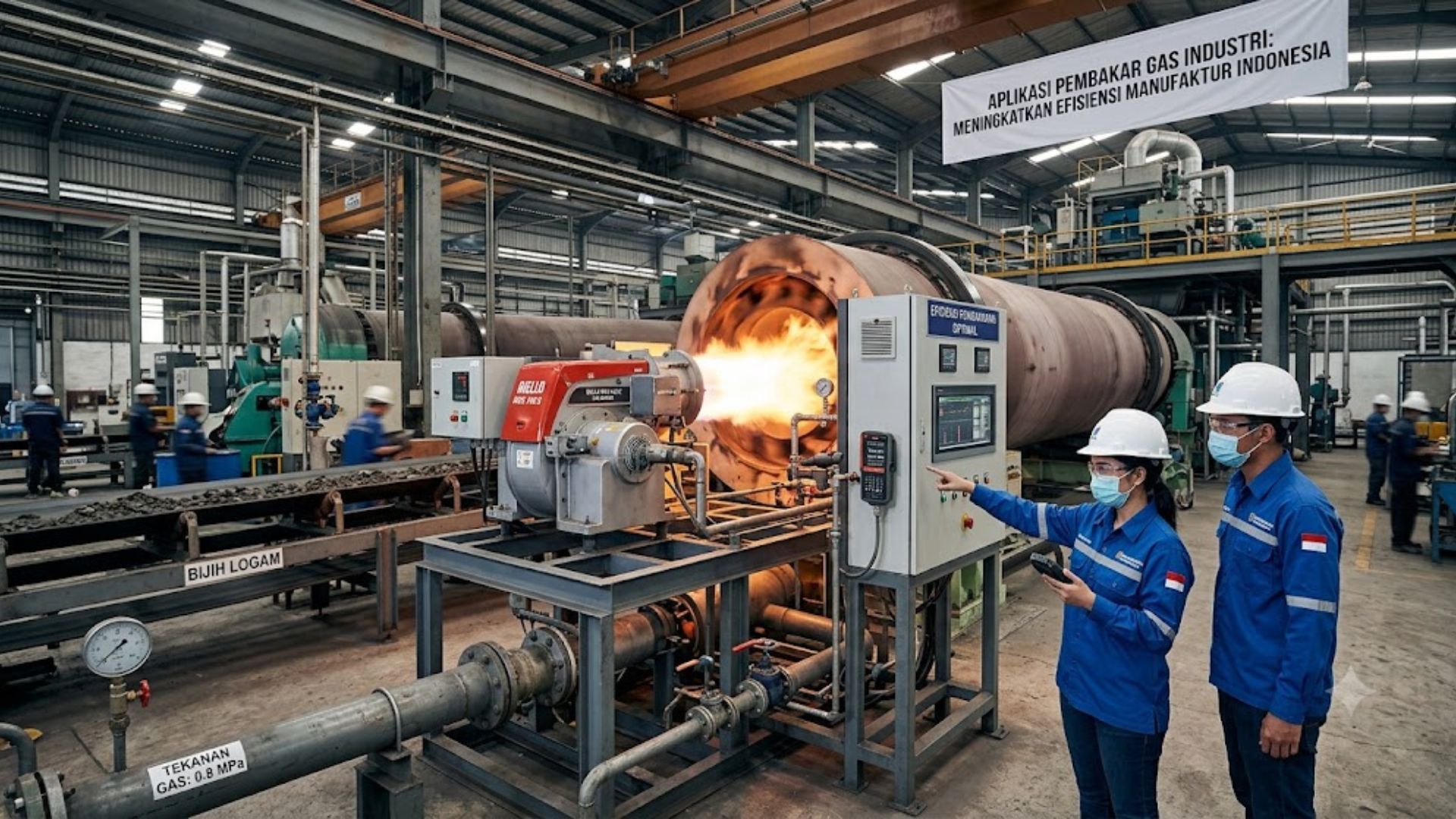
If you’re involved in Indonesia’s manufacturing sector, understanding the role of industrial burners can give you a real edge. These powerful devices are the backbone of many production processes, delivering the high temperatures needed for everything from steelmaking to food processing.
But it’s not just about heat—they also impact energy efficiency, emissions, and overall operational costs. You’ll discover how industrial burners are shaping Indonesia’s manufacturing landscape and why making the right choices for your facility can boost performance and sustainability. Ready to see how these burners can transform your operations?
Keep reading.
Industrial Burners In Indonesia
Industrial burners play a vital role in Indonesia’s manufacturing sector. They provide the heat needed for various production processes. These burners help industries run efficiently and maintain product quality. Indonesia’s diverse industries depend on reliable and effective burners to meet their heat requirements.
Types Of Industrial Burners Used
Indonesia uses several types of industrial burners. Gas burners are common due to easy fuel availability. Oil burners serve industries with specific heating needs. Infrared burners are popular for uniform and precise heating. Each type fits different manufacturing processes and energy sources.
Key Manufacturing Industries
Key industries using industrial burners include cement, steel, and chemical production. Food processing plants rely on burners for cooking and drying. Glass manufacturers use them for melting and shaping materials. Power generation also depends on burners to produce steam and electricity.
Role In High-temperature Processes
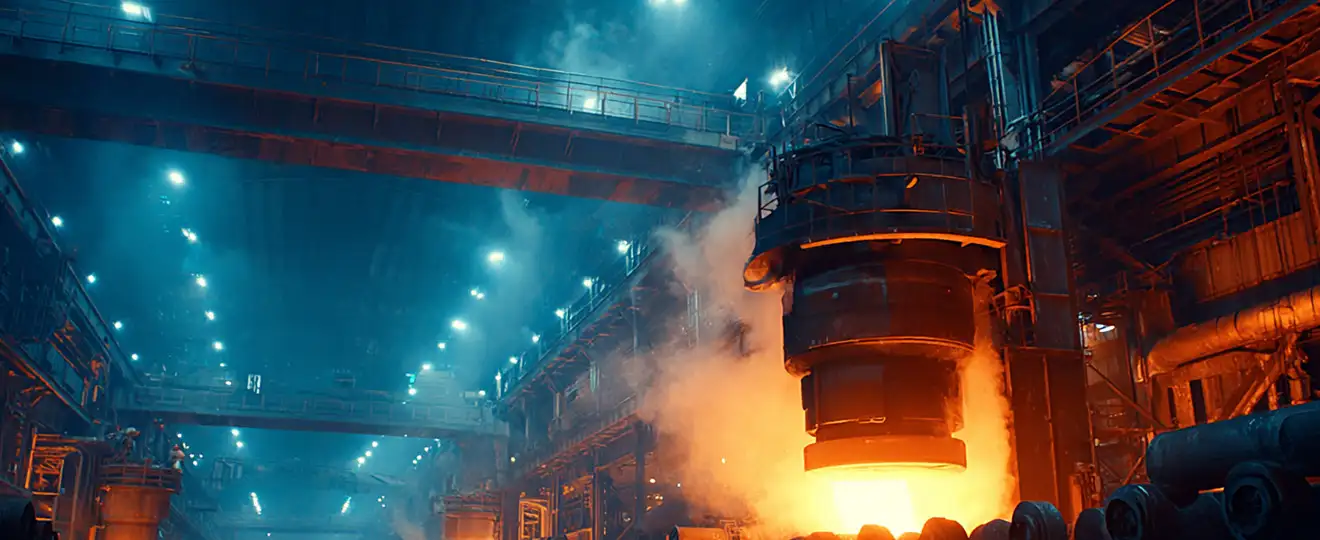
Industrial burners provide controlled high temperatures for many processes. They enable melting, drying, and heat treatment tasks. These processes require stable and consistent heat levels. Burners help maintain efficiency and reduce fuel waste. This supports better product quality and lower production costs.
Credit: www.sxburner.com
Fuel Options And Emission Control
Fuel options and emission control play a crucial role in Indonesia’s manufacturing sector. Industrial burners must balance energy efficiency with environmental regulations. Choosing the right fuel can reduce pollution and operational costs. Emission control technologies help industries meet strict environmental standards. These measures protect public health and support sustainable growth.
Renewable Fuel Oil Adoption
Many Indonesian manufacturers are shifting to renewable fuel oil. This option lowers carbon emissions compared to traditional fossil fuels. Renewable oils come from plant-based or waste materials. Using these fuels helps reduce the sector’s environmental impact. It also aligns with government policies on clean energy. Adoption is growing in industries like cement, steel, and food processing.
Emission Reduction Technologies
Emission reduction technologies are vital for cleaner manufacturing. Systems like scrubbers and catalytic converters remove harmful gases. These devices target pollutants such as nitrogen oxides and sulfur dioxide. Integrating these technologies helps factories comply with emission limits. They improve air quality around industrial zones. Many factories invest in upgrades to meet stricter rules.
Air Regulation And Combustion Control
Proper air regulation is key to efficient combustion. Balancing fuel and air reduces waste and harmful emissions. Advanced control systems monitor flame stability and oxygen levels. These controls optimize fuel use and lower pollutant output. They also enhance burner performance and safety. Many Indonesian manufacturers use automated systems for this purpose.
Efficiency Improvements
Improving efficiency in Indonesia’s manufacturing sector is vital for reducing costs and environmental impact. Industrial burners play a key role in this effort. Advances in burner technology help factories save energy and increase productivity.
Efficiency improvements lower fuel consumption and reduce greenhouse gas emissions. These gains support Indonesia’s goals for sustainable industrial growth. Modern burners are designed to deliver precise heat with minimal waste. Below are some important ways industrial burners boost efficiency.
Energy-saving Burner Designs
Energy-saving burners use advanced technology to optimize fuel use. They control air and fuel flow to create a perfect flame. This reduces excess oxygen and heat loss. Many Indonesian factories use these burners to cut fuel bills.
Such designs also lower emissions by burning fuel more completely. They require less maintenance and last longer. This makes them cost-effective and eco-friendly for manufacturers.
Infrared Gas Burner Applications
Infrared gas burners produce heat through radiation, not just hot air. This method heats objects directly and evenly. It is ideal for processes like drying, curing, and coating in Indonesia’s industries.
Infrared burners heat faster and save energy by reducing heat loss. Factories benefit from shorter cycle times and improved product quality. These burners fit well with the demands of modern manufacturing lines.
Integration With Manufacturing Systems
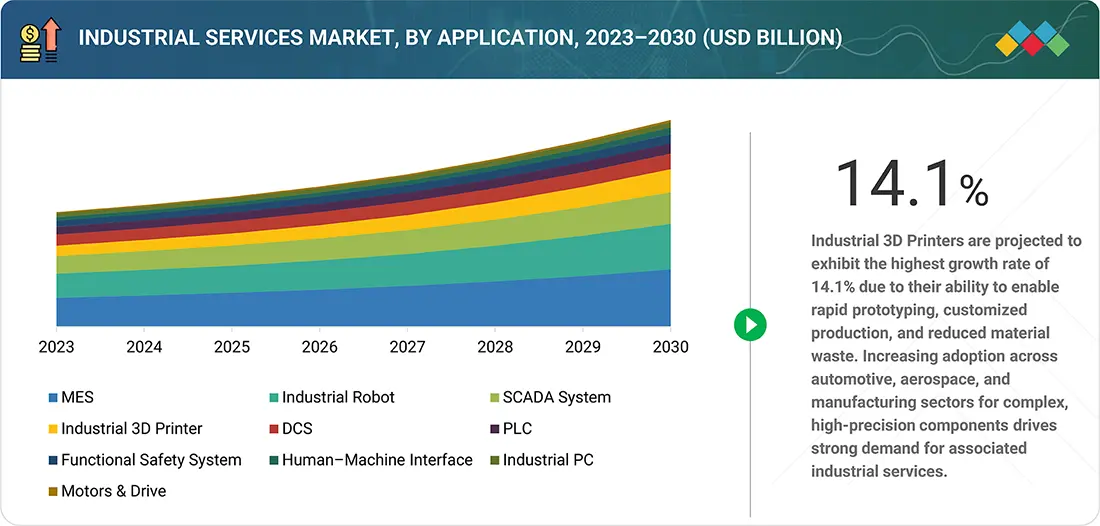
Modern industrial burners integrate easily with automated manufacturing systems. Sensors and controls adjust burner operation based on real-time needs. This smart integration reduces fuel waste and improves process control.
Data from burners can monitor performance and predict maintenance needs. Indonesian manufacturers can optimize production schedules and energy use. Integration strengthens efficiency and supports overall factory automation.
Credit: www.marketsandmarkets.com
Industrial Sectors Benefiting Most
Several industrial sectors in Indonesia gain significant advantages from industrial burners. These burners provide the heat needed for various manufacturing processes. Their use improves efficiency and lowers operational costs. Industries with high-temperature needs benefit the most from these applications.
Cement And Steel Production
The cement industry uses industrial burners for clinker production. Burners deliver consistent heat for raw material processing. This process requires precise temperature control to ensure quality. Steel production also depends on burners for melting and heat treatment. Efficient burners reduce fuel consumption and emissions. This helps factories meet environmental regulations and cut costs.
Chemical And Glass Manufacturing
Chemical plants need controlled heat for reactions and distillation. Industrial burners provide stable and adjustable flames for these tasks. Glass manufacturing relies on burners for melting raw materials. Uniform heat prevents defects in glass products. Reliable burners increase production speed and product quality. Both sectors benefit from energy-efficient burner designs.
Food Processing And Power Generation
Food processing industries use burners for drying, baking, and cooking. Industrial burners offer precise temperature control, ensuring food safety. Power generation plants use burners to produce steam and electricity. Efficient burners help reduce fuel costs and emissions. These sectors improve productivity with reliable burner technology.
Challenges And Opportunities
The manufacturing sector in Indonesia faces many challenges and opportunities with industrial burner applications. Balancing growth with environmental concerns remains critical. Industries must adopt cleaner technologies while meeting rising production demands.
Understanding these factors helps businesses plan for sustainable development. The right approach can improve efficiency and reduce harmful emissions. Let’s explore some key areas shaping the future of industrial burners in Indonesia.
Reducing Greenhouse Gas Emissions
Indonesia’s manufacturing sector produces significant greenhouse gases. Industrial burners contribute a large share of these emissions. New regulations push companies to lower their carbon footprint.
Switching to cleaner fuels and improving burner efficiency can cut emissions. Many firms invest in modern systems to comply with environmental standards. This shift also helps reduce energy costs over time.
Market Growth And Demand Trends
The demand for industrial burners grows with expanding industries like cement, steel, and food processing. Rising urbanization and infrastructure projects drive this growth. Manufacturers seek reliable, cost-effective heating solutions.
Local and international suppliers compete to meet these needs. Customized burners for specific applications gain popularity. The market expects steady growth as Indonesia’s economy develops further.
Technological Innovations
Advances in burner technology improve performance and safety. Automation and digital controls allow precise fuel and air mix adjustments. These innovations enhance fuel efficiency and reduce waste.
Infrared burners and low-NOx models are becoming common in factories. Research focuses on integrating renewable fuels and smart monitoring systems. Such technologies support cleaner, smarter manufacturing processes.
Future Outlook
The future of industrial burner applications in Indonesia’s manufacturing sector holds significant potential. Technology and policies are shaping a new path for industries. They aim to reduce emissions and improve efficiency. This shift will impact how industrial burners are used and developed. Growth in demand and stricter environmental rules will drive innovation.
Decarbonizing Manufacturing
Indonesia’s manufacturing sector is focusing on cutting carbon emissions. Industrial burners play a key role in this effort. New burner designs use cleaner fuels and advanced combustion technology. These reduce greenhouse gases and harmful pollutants. Switching to natural gas and biofuels helps lower the carbon footprint. Companies seek burners that meet strict emission standards. This trend supports Indonesia’s national climate goals.
Expansion Of Industrial Burner Market
The market for industrial burners in Indonesia is growing steadily. Rising demand comes from industries like cement, steel, and food processing. Modern burners offer better energy efficiency and durability. Manufacturers invest in high-performance systems to reduce fuel costs. Foreign and local firms compete to provide innovative burner solutions. Expansion is also driven by infrastructure projects and industrial growth. This growth creates new opportunities for burner suppliers and service providers.
Sustainability Initiatives In Indonesia
Indonesia promotes sustainability across its manufacturing sector. Policies encourage use of energy-efficient equipment, including industrial burners. Programs support upgrading old systems to cleaner technologies. Industrial zones adopt green practices to reduce pollution. Training and awareness campaigns help companies improve energy management. These steps improve air quality and reduce environmental impact. Sustainable development is becoming a key priority for businesses and the government.
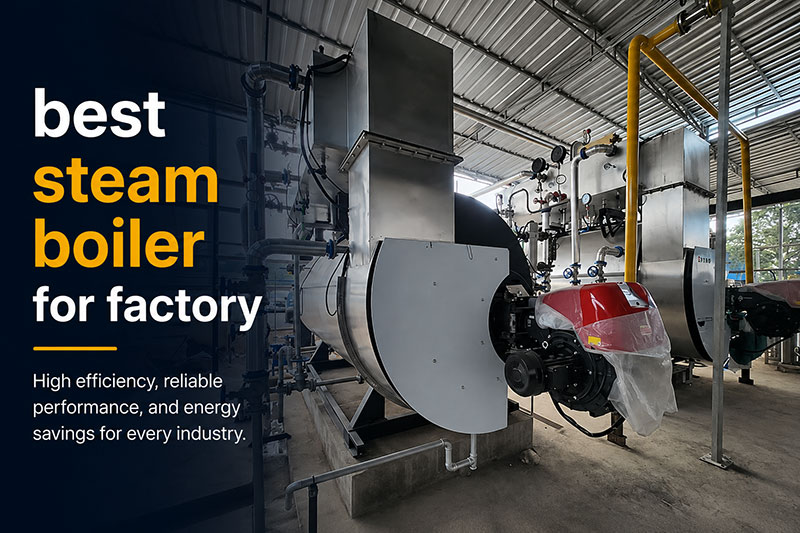
Credit: www.gasboilerseller.com
Frequently Asked Questions
What Industries Use Industrial Burners In Indonesia?
Industrial burners are widely used in cement, steel, chemicals, glass, and food processing industries. These sectors rely on burners for efficient high-temperature heating and energy production.
How Do Industrial Burners Improve Manufacturing Efficiency?
Industrial burners provide uniform heating, reducing energy waste and improving process control. This boosts product quality, lowers fuel consumption, and enhances overall manufacturing productivity.
Are Industrial Burners Energy-efficient In Indonesia’s Factories?
Yes, modern industrial burners incorporate advanced controls and renewable fuels. These features reduce greenhouse gas emissions and help factories meet energy efficiency standards.
What Fuels Are Commonly Used In Indonesian Industrial Burners?
Natural gas, diesel, and renewable fuel oils are common. Increasingly, manufacturers adopt renewable fuels to reduce environmental impact and comply with regulations.
Conclusion
Industrial burners play a vital role in Indonesia’s manufacturing sector. They provide efficient heating for various industries like cement, steel, and food processing. Using advanced burners helps reduce energy use and lower emissions. This supports cleaner production and cost savings for factories.
As Indonesia’s industry grows, the demand for reliable burners will increase. Choosing the right burner technology is key to meeting production needs. Overall, industrial burners remain essential for Indonesia’s manufacturing success and sustainability.