
Choosing the right infrared burner for your industrial oven can make all the difference in performance, efficiency, and safety. If you’re looking to boost your oven’s heating power while cutting energy costs, understanding how to pick the best burner is key.
You’ll discover clear, simple steps to help you find a burner that fits your exact needs. By the end, you’ll feel confident about making a smart choice that improves your operation and saves you money. Keep reading to unlock the insider tips that professionals use every day.
Choosing the right burner depends on the heating process, oven design, operating temperature, fuel type, and production requirements. Explore our range of industrial infrared gas burners to understand the available burner solutions for different heating applications.
Benefits Of Infrared Burners
Infrared burners offer many benefits for industrial ovens. They provide efficient heating and improve the overall baking or curing process. Choosing the right infrared burner can save energy and lower costs. These burners also help reduce pollution, making factories cleaner.
Understanding these benefits helps in selecting the best infrared burner for your oven.
Understanding the working principle of infrared heating can also help you select a suitable burner for your equipment. Learn what an infrared gas burner is and how infrared heating technology works.
Energy Efficiency
Infrared burners use less fuel than traditional burners. They convert most fuel into heat, reducing waste. This efficiency lowers energy bills. Less energy use means less strain on power sources. This makes operations more cost-effective and sustainable.
Improved Heat Distribution
Infrared burners deliver heat evenly across surfaces. This prevents hot or cold spots in the oven. Uniform heat improves product quality and consistency. It speeds up the heating process as well. Better heat distribution means less rework and higher output.
Reduced Emissions
Infrared burners produce fewer harmful gases. They burn fuel cleaner than other types. Reduced emissions help meet environmental rules. Cleaner air protects workers and nearby communities. This makes infrared burners a responsible choice for industries.

Credit: www.restaurantsupply.com
Types Of Infrared Burners
Infrared burners come in different types. Each type has unique features for industrial ovens. Choosing the right one affects oven performance and efficiency. Understanding the types helps select the best burner for your needs.
Ceramic Burners
Ceramic burners use a porous ceramic surface to emit infrared heat. They provide even heat distribution and high efficiency. These burners are durable and work well for slow, steady heating. Ideal for baking and curing processes.
Burner materials and heating surfaces can also affect heat distribution and system performance. For customized infrared heating systems, explore our honeycomb ceramic burner plates used in different industrial burner applications.
Metal Fiber Burners
Metal fiber burners use woven metal fibers to produce infrared radiation. They heat up quickly and offer precise temperature control. These burners are resistant to thermal shock and last long. Suitable for fast heating and drying applications.
Quartz Burners
Quartz burners use quartz tubes to generate infrared heat. They produce intense, short-wave infrared energy. These burners heat very fast and cool down quickly. Best for quick heating and surface heating tasks.
Key Factors To Consider
Choosing the right infrared burner is important for industrial ovens. It affects the oven’s efficiency and product quality. Several key factors guide this choice. These factors ensure the burner fits your oven and meets your heating needs. Consider these elements carefully to get the best results.
Heat Output And Temperature
Heat output shows how much heat the burner produces. It must match the oven’s size and heating needs. Temperature range matters too. The burner should reach the correct temperature for your process. Too low or too high heat can harm the product or waste energy.
Burner Size And Shape
The burner’s size must fit inside the oven. It should allow even heat distribution. Shape affects how heat spreads across the oven space. Choose a shape that matches your oven’s design. This helps avoid hot or cold spots on the product.
Different industrial oven applications require different burner configurations. For drying and powder coating oven applications, the HY-1602 infrared gas burner can be considered based on the heating requirements and equipment design.
For other industrial heating configurations and powder coating applications, explore the HY-2402 infrared gas burner and compare its suitability with your required heating area and production process.
Fuel Type Compatibility
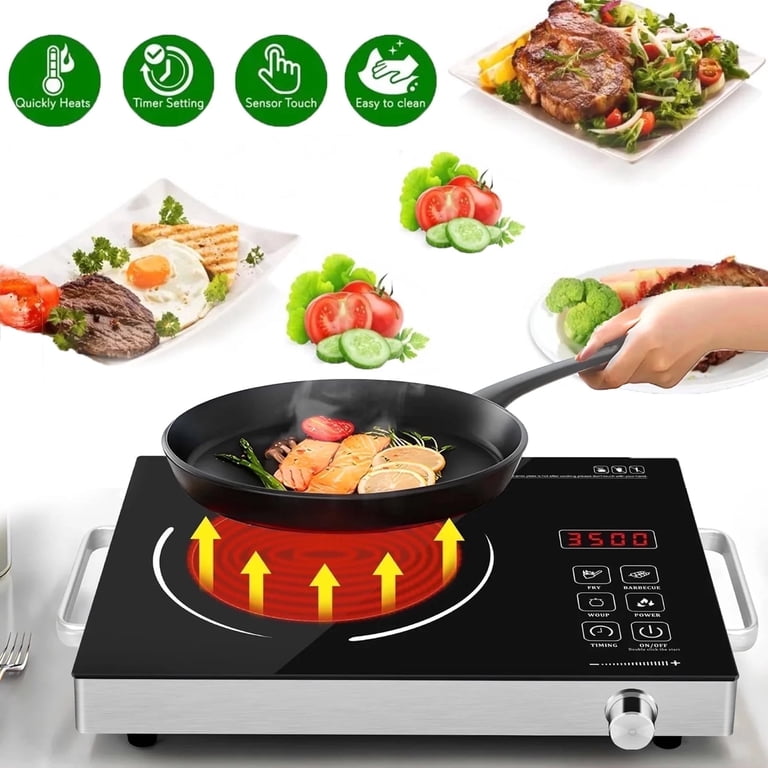
Burners use different fuels like gas, propane, or electricity. The burner must support the fuel available at your facility. Fuel type affects operating cost and burner efficiency. Choose a burner that works well with your fuel source for smooth operation.
Installation Requirements
Check the space and mounting options for the burner. Some burners need special brackets or clearances. Installation should be simple and fit your oven’s structure. Proper installation keeps the burner safe and working well.
Credit: www.walmart.com
Matching Burners To Oven Applications
Choosing the right infrared burner depends on the oven’s specific use. Each industrial oven has unique heating needs. Matching the burner to the application ensures efficient and even heating. It also extends the oven’s life and improves product quality.
Industrial ovens are used for many different processes, including drying, baking, curing, heating, and surface treatment. Understanding the applications of infrared gas burners in industrial heating can help manufacturers select a burner configuration based on their specific process.
Curing And Drying Processes
Burners for curing need steady, low to medium heat. The heat should be uniform to avoid damage. Infrared burners with adjustable intensity work well here. They help dry coatings, adhesives, and paints quickly.
For powder coating ovens and industrial drying equipment, the burner should be selected according to the heating zone, production line design, material, and required temperature. Explore infrared burners for powder coating and drying lines for more application-specific information.
Baking And Cooking
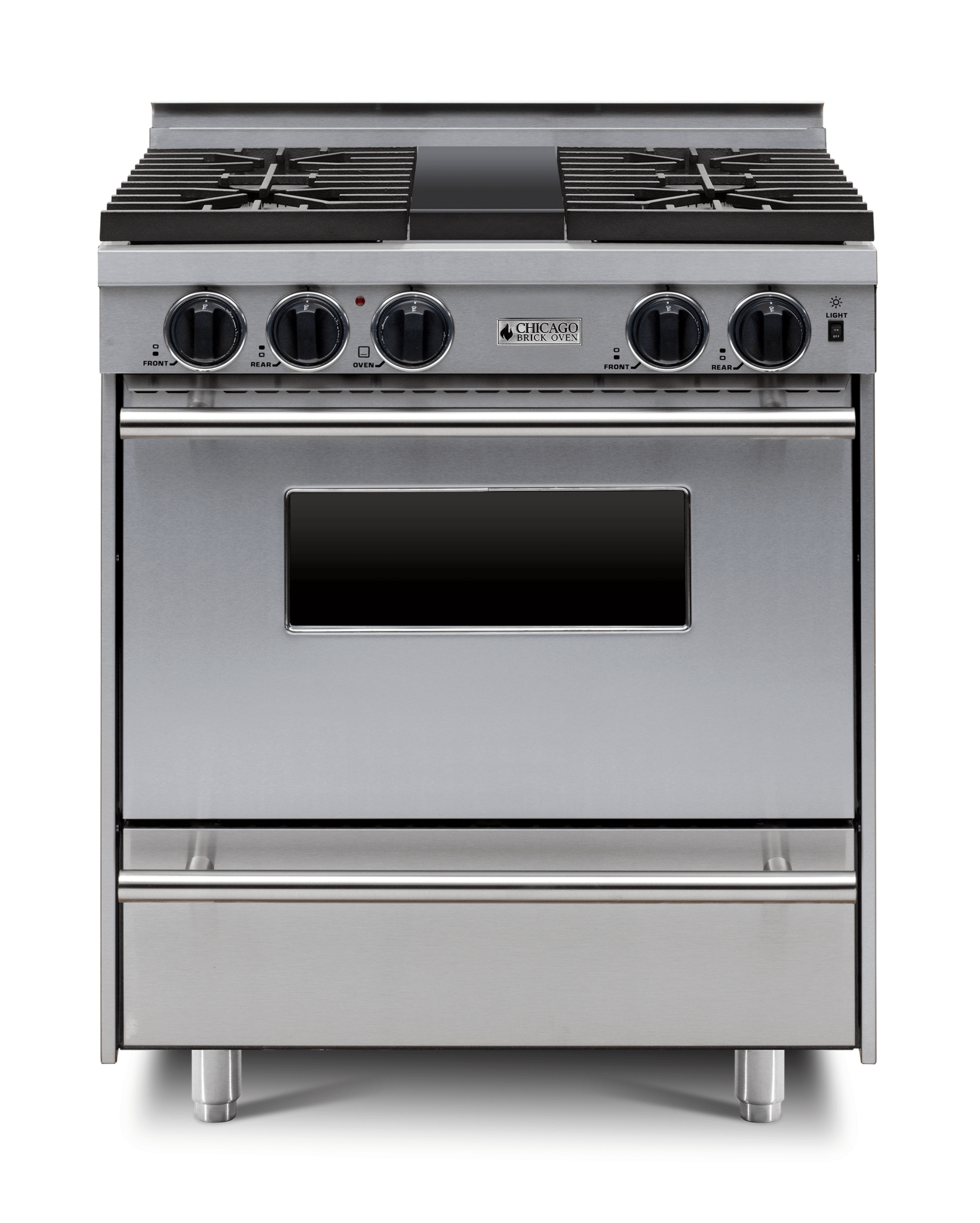
Baking ovens require burners that provide consistent and even heat. Infrared burners deliver quick heat that penetrates food evenly. These burners reduce cooking time and save energy. Choosing a burner with precise control is important for delicate recipes.
Heat Treating And Sintering
Heat treating demands high temperatures and strong heat output. Infrared burners designed for this process offer intense, focused heat. Sintering needs precise temperature control to avoid defects. Burners with fast response times and durability are best for these tasks.
Maintenance And Durability
Maintenance and durability are key factors when choosing an infrared burner for industrial ovens. Proper care extends the burner’s life and ensures steady performance. A durable burner withstands harsh conditions and reduces downtime. Understanding how to clean and maintain it helps avoid costly repairs and replacements.
Cleaning Procedures
Clean the burner regularly to keep it working well. Remove dust and debris using a soft brush or cloth. Avoid harsh chemicals that can damage parts. Check the burner’s surface for blockages and clear them gently. Cleaning prevents clogs and maintains even heat distribution.
Lifespan Expectations
Infrared burners usually last several years with proper care. The exact lifespan depends on use and environment. Choose burners made from strong materials like stainless steel. Regular maintenance can extend the life of the burner. Plan for replacement after the expected lifespan to avoid surprises.
Troubleshooting Common Issues
Watch for uneven heating or strange noises from the burner. These signs may indicate blockages or worn parts. Inspect the burner for cracks or damage regularly. Clean or replace faulty components to keep the burner safe. Early troubleshooting prevents bigger problems and saves money.
Credit: chicagobrickoven.com
Cost Considerations
Cost plays a big role in choosing an infrared burner for industrial ovens. Understanding different cost types helps to make a smart choice. This section breaks down key cost factors for better decision-making.
Initial Investment
The initial investment includes the price of the burner and installation fees. Some burners cost more due to size or technology. Choose a burner that fits your budget without cutting quality. Cheaper burners may need more repairs later.
Operating Costs
Operating costs cover fuel use and maintenance. Infrared burners often use less fuel than traditional ones. This can save money over time. Regular maintenance keeps the burner efficient and reduces unexpected costs. Check fuel type and availability too.
Return On Investment
Return on investment (ROI) measures how fast savings cover the initial cost. A burner with low fuel use may offer faster ROI. Calculate energy savings against purchase and upkeep costs. Choose a burner that balances cost and performance well.
Safety Measures
Safety is a key factor when choosing an infrared burner for industrial ovens. Proper safety measures protect workers and equipment. They reduce risks of accidents and damage. Understanding these measures helps in selecting the right burner.
Proper Ventilation
Good ventilation removes harmful gases from the oven area. It prevents buildup of dangerous fumes. Fresh air flow keeps the workspace safe. Always check if the burner supports proper ventilation needs. This ensures clean air and safer operation.
Temperature Controls
Temperature controls keep the oven heat within safe limits. They stop overheating that can cause fires or damage. Look for burners with accurate and easy-to-use temperature settings. These controls help maintain stable and safe oven conditions.
Emergency Shutoff Systems
Emergency shutoff systems stop the burner quickly in case of trouble. They reduce the risk of accidents or fires. Choose burners with reliable and fast-acting shutoff features. These systems offer extra protection during unexpected events.
Supplier Selection Tips
Choosing the right supplier for your infrared burner is essential for success. The supplier affects product quality, delivery time, and support. Picking a trustworthy supplier saves time and money. It also ensures the burner fits your industrial oven perfectly.
Reputation And Experience
Check the supplier’s reputation in the industry. Look for reviews and feedback from other businesses. A supplier with many years of experience knows the market well. They understand different needs and challenges. Choose a supplier with a strong track record of quality products.
Technical Support
Good technical support is vital for smooth operations. The supplier should offer help with installation and troubleshooting. Fast responses prevent downtime in your production. Ask if they provide manuals and training. A supportive supplier makes using the burner easier and safer.
Warranty And Service
A clear warranty shows the supplier’s confidence in their product. Check the warranty length and what it covers. Also, ask about repair and replacement services. Reliable after-sales service reduces risks and extra costs. Choose a supplier who stands behind their infrared burners.
Frequently Asked Questions
What Factors Determine The Best Infrared Burner For Ovens?
Choosing the right infrared burner depends on heat output, burner type, fuel efficiency, and oven size. Consider your industrial oven’s specific heating needs to ensure optimal performance and energy savings.
How Does Burner Type Affect Industrial Oven Performance?
Different burner types, like ceramic or metal, influence heat distribution and efficiency. Selecting the proper burner type ensures uniform heating and improves oven productivity.
Why Is Fuel Efficiency Important In Infrared Burners?
Fuel-efficient burners reduce operational costs and environmental impact. Choosing an efficient burner saves energy while maintaining consistent oven temperatures for industrial processes.
Can Infrared Burners Improve Industrial Oven Safety?
Yes, infrared burners provide controlled heating with fewer emissions. Properly selected burners reduce risks of overheating and enhance overall industrial oven safety.
Need Help Choosing an Infrared Burner for Your Industrial Oven?
Selecting the right infrared burner depends on your oven type, heating area, production process, operating temperature, fuel type, and equipment design. If you need technical assistance, product specifications, or a customized burner solution, contact our team to discuss your industrial heating requirements.
Conclusion
Choosing the right infrared burner helps improve oven performance. Focus on burner size, fuel type, and heat output. Check compatibility with your oven and production needs. Safety and maintenance are also important factors. Taking time to compare options leads to better results.
A good burner saves energy and boosts efficiency. Keep these tips in mind for a smart choice. Your industrial oven will work better and last longer. Simple steps can make a big difference.