
If you’re involved in Indonesia’s manufacturing sector, understanding how industrial burners play a crucial role can transform your operations. These powerful devices are at the heart of many manufacturing processes, delivering the heat and energy needed to keep production running smoothly and efficiently.
But what exactly makes industrial burners so essential? And how can you leverage their applications to boost productivity, cut costs, and meet growing environmental standards? Keep reading to discover how industrial burners are shaping Indonesia’s manufacturing landscape and why they should matter to you.
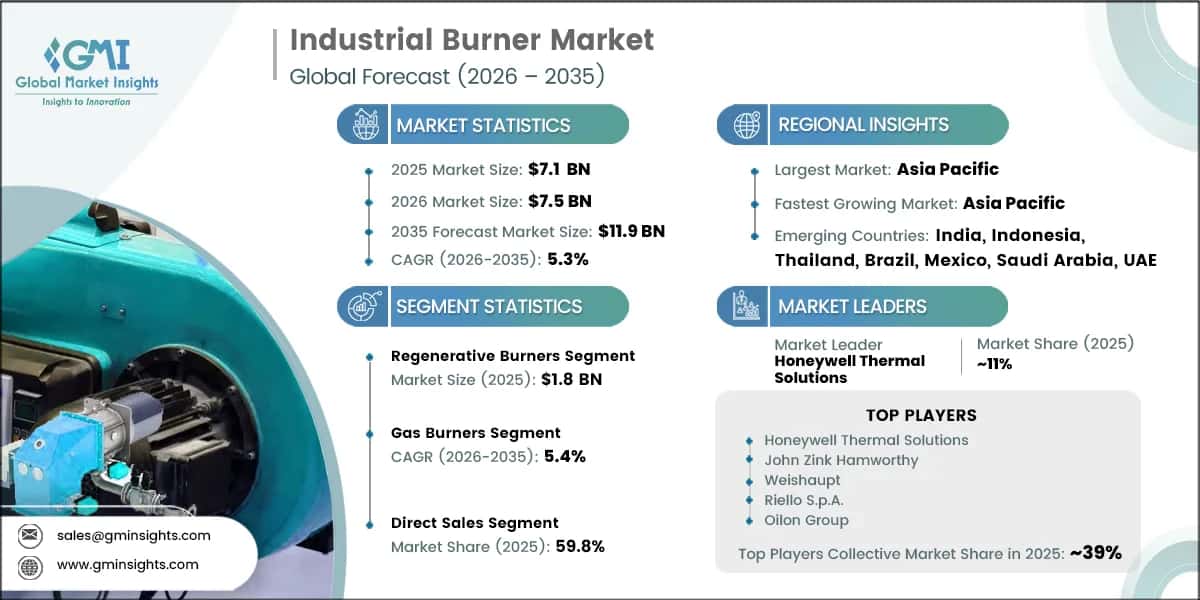
Credit: www.gminsights.com
Industrial Burners In Indonesia
Industrial burners play a crucial role in powering Indonesia’s manufacturing industry. These devices generate controlled heat essential for processes like metal forging, chemical production, and food processing. Understanding how industrial burners fit into Indonesia’s manufacturing landscape can help you optimize your operations and reduce energy costs.
Manufacturing Sector Overview
Indonesia’s manufacturing sector is diverse, ranging from textiles and electronics to cement and food production. The country’s rapid industrial growth has increased demand for efficient heating solutions. Industrial burners are at the heart of many manufacturing processes, providing reliable and cost-effective heat.
In sectors like cement manufacturing, burners help achieve the high temperatures needed for kiln operation. Meanwhile, in food processing, precise temperature control ensures product quality and safety. Have you considered how upgrading your burners could improve your manufacturing efficiency?
Key Burner Types Used
Several types of industrial burners are popular in Indonesia, each suited to different manufacturing needs. The most common include:
- Gas burners: Known for clean combustion and easy control, ideal for food and chemical industries.
- Oil burners: Widely used in heavy industries where high heat output is necessary.
- Infrared burners: Favored for uniform heating in processes like powder coating and drying.
- Dual-fuel burners: Offer flexibility by switching between gas and oil depending on availability and cost.
Choosing the right burner type depends on your production process, fuel availability, and environmental regulations. Have you evaluated which burner technology aligns best with your operational goals?
Energy Efficiency Advances
Energy efficiency advances are transforming Indonesia’s manufacturing sector. Industrial burners play a key role in reducing fuel use and emissions. New technologies help factories save energy and cut costs.
Improving burner performance means less waste and better heat control. These changes support Indonesia’s goals for cleaner production and sustainability. Factories adopting energy-saving burners gain a competitive edge in the market.
Low-emission Technologies
Low-emission burners reduce harmful gases like nitrogen oxides and carbon monoxide. They use cleaner fuel combustion methods to limit pollution. Many Indonesian manufacturers now install these burners to meet environmental rules.
These technologies improve air quality inside and outside factories. They also help companies avoid fines and shutdowns. Efficient burners use less fuel while producing the same heat output, saving money and energy.
Automation And Control Systems
Modern burners come with automation that controls fuel flow and flame size. Sensors monitor temperature and adjust the burner in real time. This precise control prevents overheating and fuel waste.
Automated systems also reduce manual errors and maintenance needs. Indonesian plants benefit from smoother operations and lower emissions. The data collected helps managers optimize energy use continuously.
Infrared Gas Burner Applications
Infrared gas burners play an important role in Indonesia’s manufacturing sector. They provide efficient and even heat, which is essential for many industrial processes. These burners use infrared radiation to transfer heat directly to materials. This method reduces energy waste and speeds up production. Many industries in Indonesia rely on these burners for their heating needs.
Powder Coating Processes
Infrared gas burners improve powder coating by providing fast and uniform heating. The burners help cure the coating evenly on metal surfaces. This results in a strong and smooth finish. The quick heating reduces the time needed for curing. It also lowers energy costs compared to traditional heating methods. Manufacturers in Indonesia use infrared burners to enhance product quality and efficiency.
Food Processing Industry
In the food processing industry, infrared gas burners offer precise temperature control. This helps in drying, baking, and cooking food products evenly. The burners ensure consistent heat, which maintains product quality. Infrared heating also reduces contamination risks by limiting direct contact. Many Indonesian food producers use these burners to improve production speed and safety.
Innovations In Burner Design
Innovations in burner design have greatly impacted Indonesia’s manufacturing sector. New designs improve efficiency and reduce fuel use. These changes help factories save money and lower emissions. Advances also support Indonesia’s goals for cleaner industry and sustainable growth.
Compact And Modular Systems
Modern burners are smaller and easier to install. Compact designs fit into tight spaces in factories. Modular systems allow quick assembly and repair. Factories can add or remove modules to match production needs. These features reduce downtime and maintenance costs. Compact burners also improve safety by minimizing exposed parts.
Improved Heat Distribution
New burner designs spread heat evenly across surfaces. Better heat distribution ensures consistent product quality. It prevents hot spots that can damage materials. Uniform heating saves fuel by reducing overheating. This innovation supports precise temperature control for sensitive processes. It also extends the life of manufacturing equipment.
Decarbonizing Manufacturing
Indonesia’s manufacturing sector faces growing pressure to reduce carbon emissions. Decarbonizing manufacturing processes is vital for a cleaner environment. Industrial burners play a key role in this transition. They provide heat for various manufacturing steps but also emit greenhouse gases. Improving burner technology and fuel sources helps lower emissions without harming productivity.
Cleaner Combustion Methods
Cleaner combustion methods cut harmful emissions from industrial burners. These methods improve fuel efficiency and reduce pollutants like carbon monoxide and nitrogen oxides. Techniques such as staged combustion and flue gas recirculation optimize flame stability and temperature. This leads to more complete fuel burning and fewer emissions. Upgrading burners with advanced control systems also enables precise fuel-air mixing. Indonesian manufacturers adopting these technologies see lower fuel costs and better air quality.
Renewable Fuel Integration
Renewable fuel integration offers new paths to decarbonize manufacturing. Industrial burners can use biofuels, hydrogen, or biogas instead of fossil fuels. These renewable sources emit less or zero carbon dioxide during combustion. Indonesia’s abundant biomass resources support biofuel production on a large scale. Switching to renewable fuels reduces dependence on imported coal and oil. It also aligns with government goals for sustainable industry growth. Gradual fuel blending allows manufacturers to adapt burners without major disruptions.
Industrial Burner Market Trends
The industrial burner market in Indonesia is evolving rapidly. Many industries in the manufacturing sector rely on these burners for heating and processing. Market trends show a shift towards energy efficiency and cleaner technologies. Manufacturers seek solutions that lower costs and reduce emissions. This demand influences product development and sales strategies. Understanding these trends helps businesses stay competitive and meet regulatory requirements.
Rising Demand Factors
Indonesia’s growing manufacturing base drives demand for industrial burners. Rising production in sectors like food processing, chemicals, and metal works needs reliable heat sources. Strict government policies push for energy-efficient equipment. Companies want burners that offer fuel savings and lower emissions. The focus on sustainability encourages adopting advanced burner technologies. Increasing exports also require consistent and high-quality manufacturing processes. These factors together boost the industrial burner market steadily.
Regional Growth Patterns
Java island leads Indonesia’s industrial burner market growth. It hosts many manufacturing hubs and industrial zones. Sumatra and Sulawesi show emerging opportunities due to new factories. Regions with better infrastructure attract more investments. Urban areas see higher demand for modern burner systems. Government incentives promote industrial development in select provinces. Regional growth is uneven but expanding, reflecting Indonesia’s overall economic progress.
Future Opportunities
The manufacturing sector in Indonesia is evolving rapidly, creating fresh prospects for industrial burner technologies. Future opportunities lie in enhancing efficiency and cutting emissions. Industries are keen on adopting new solutions that offer precise control and energy savings.
These advancements promise to reshape how manufacturers manage heat and combustion processes. Innovations in burner technology will support sustainable growth and meet stricter environmental rules. The future holds great potential for integrating smart systems and expanding burner uses across different industries.
Smart Burner Technologies
Smart burner technologies use sensors and automation to improve performance. They adjust fuel and air flow in real time, ensuring optimal combustion. This technology reduces fuel waste and lowers emissions significantly. Manufacturers benefit from lower operational costs and better product quality. Smart burners also provide data for predictive maintenance, avoiding unexpected downtime. In Indonesia’s factories, these systems can enhance energy management and support sustainability goals.
Cross-sector Applications
Industrial burners serve many sectors beyond traditional manufacturing. They are vital in food processing, chemical production, and metalworking. Each sector requires tailored burner solutions to meet specific needs. Expanding burner use into new industries boosts efficiency and lowers environmental impact. In Indonesia, cross-sector applications open doors for burner suppliers and service providers. This diversification supports the country’s broader industrial growth and energy goals.
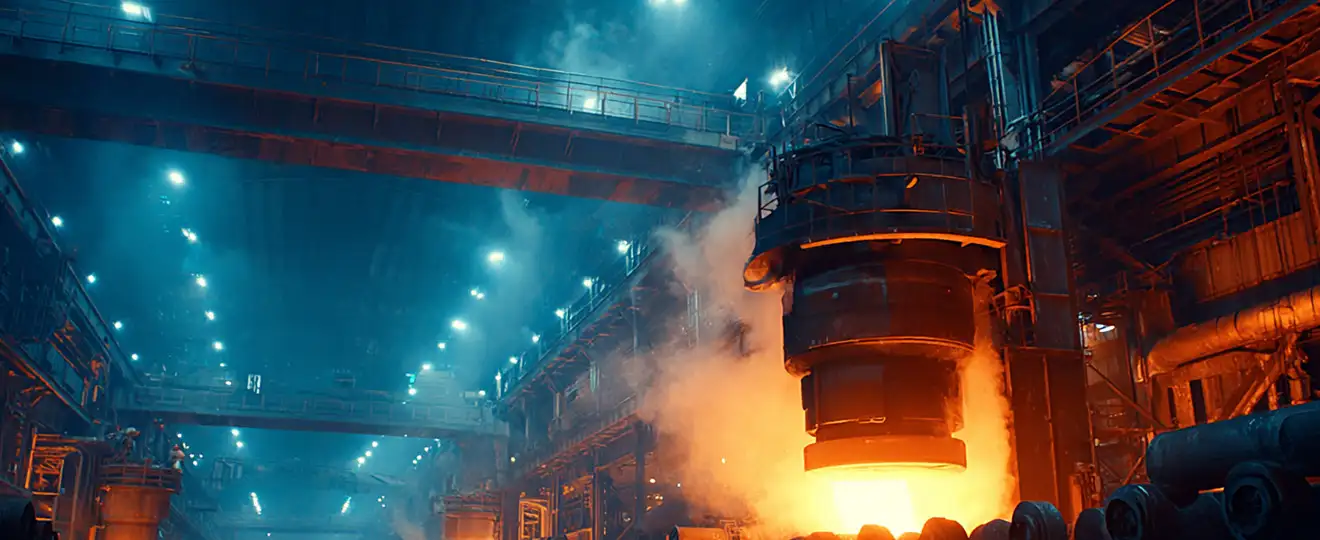
Credit: www.sxburner.com

Credit: oxmaint.com
Frequently Asked Questions
What Are Common Industrial Burner Applications In Indonesia?
Industrial burners in Indonesia are used for heating, drying, and steam generation. They serve sectors like food processing, chemical manufacturing, and metalworking industries efficiently.
How Do Industrial Burners Improve Manufacturing Efficiency?
They provide consistent, controlled heat, reducing energy waste. This boosts production speed, product quality, and lowers operational costs in manufacturing plants.
Which Industries In Indonesia Use Industrial Burners Most?
Key users include food processing, textiles, chemicals, and metal fabrication industries. These sectors rely on burners for processes like drying, melting, and curing.
What Fuel Types Are Used In Indonesian Industrial Burners?
Natural gas, LPG, and diesel are common fuels. Choice depends on availability, cost, and specific manufacturing requirements.
Conclusion
Industrial burners play a vital role in Indonesia’s manufacturing sector. They help improve energy use and production speed. Many industries rely on them for consistent heat and better quality. Choosing the right burner boosts efficiency and lowers costs. As the sector grows, demand for advanced burners will rise.
This supports Indonesia’s goal of modern and sustainable manufacturing. Industrial burners remain key to stronger, smarter factories in the country.