
Are you a Korean equipment builder looking to elevate your product quality and efficiency? Choosing the right OEM infrared burner manufacturer can make all the difference in your equipment’s performance and reliability.
Infrared burners play a crucial role in heating processes, offering faster, cleaner, and more precise heat. But finding a manufacturing partner who understands your unique needs and delivers customized solutions isn’t always easy. You’ll discover how expert OEM infrared burner manufacturing can transform your equipment, streamline your production, and give you a competitive edge in the market.
Keep reading to learn what to look for and how to ensure your next infrared burner meets—and exceeds—your expectations.
Oem Infrared Burner Market In Korea
The OEM infrared burner market in Korea plays a vital role in the country’s industrial growth. Korean equipment builders rely on advanced infrared burner technology for their manufacturing needs. These burners provide efficient heating solutions for various industries. The demand for OEM infrared burners continues to rise as Korean manufacturers seek reliable and innovative components. Understanding the market landscape helps suppliers meet the unique needs of Korean builders.
Key Korean Equipment Builders
Major Korean equipment builders focus on quality and performance. Companies in sectors like automotive, electronics, and food processing use infrared burners. These builders require customized burners to fit their specific applications. Leading firms include Hyundai, LG, and Samsung, which invest in cutting-edge burner technology. They work closely with OEM manufacturers to ensure compatibility and efficiency.
Market Demand And Growth Trends
The demand for OEM infrared burners in Korea is steadily growing. Industries seek energy-efficient heating solutions to reduce costs. There is a shift towards eco-friendly and low-emission burners. Technological advancements drive innovation in burner design and materials. The market shows strong potential for expansion with increasing industrial automation. Suppliers who adapt to these trends will find success in Korea.

Credit: m.made-in-china.com
Precision Manufacturing Techniques
Precision manufacturing techniques are vital in producing OEM infrared burners for Korean equipment builders. These techniques ensure each burner meets strict performance and safety standards. They help create burners that deliver reliable heat and long-lasting operation. Every step focuses on accuracy and quality, improving the final product’s efficiency.
Advanced Material Selection
Choosing the right materials is key for burner durability and heat resistance. Manufacturers use metals that withstand high temperatures without warping. Corrosion-resistant alloys protect burners in harsh environments. This careful selection enhances burner lifespan and safety during operation.
High-accuracy Fabrication Processes
Fabrication uses precise cutting and welding methods to shape burner components. Computer-controlled machines ensure exact dimensions every time. This precision reduces errors and improves burner fit within equipment. Accurate fabrication results in consistent flame patterns and better heat distribution.
Quality Control Standards
Strict quality checks occur at every production stage to maintain high standards. Inspections test burner performance, safety, and material integrity. Defective parts are identified and removed early. This process guarantees that only reliable infrared burners reach Korean equipment builders.
Infrared Burner Design Features
Infrared burners used in Korean equipment require precise design features. These features improve performance and meet strict industrial standards. Manufacturers focus on making burners that save energy, reduce harmful emissions, and fit perfectly with various machines. Each design aspect plays a vital role in achieving high efficiency and reliability. Understanding these features helps equipment builders choose the right burner for their products.
Energy Efficiency Innovations
Infrared burners now use advanced materials to retain heat longer. This reduces fuel consumption and lowers operating costs. The burner design ensures even heat distribution, avoiding hot spots. Many models include adjustable flame controls for optimal energy use. These innovations help Korean equipment builders meet energy-saving goals and reduce waste.
Emission Reduction Technologies
New burners come with built-in emission controls to limit pollutants. Designs often feature low-NOx technology to reduce nitrogen oxide release. Some burners use special coatings that improve combustion and lower carbon monoxide output. These technologies support cleaner industrial processes and comply with environmental regulations. Korean manufacturers benefit from improved air quality and safer workplaces.
Customization For Equipment Compatibility
OEM infrared burners can be tailored to fit specific equipment needs. Custom sizing and mounting options ensure easy installation. Burner controls can be matched to existing system interfaces. Material choices vary to withstand different operating conditions. This flexibility helps Korean builders integrate burners smoothly without redesigning their equipment.
Collaboration With Korean Manufacturers
Collaboration with Korean manufacturers plays a vital role in OEM infrared burner manufacturing. Working closely with Korean equipment builders ensures products meet their exact needs and standards. This partnership helps deliver high-quality burners tailored for diverse industrial applications.
Effective teamwork streamlines the production process and strengthens market presence. It also allows for quick adaptation to new technologies and market demands. These collaborations build trust and long-term business relationships.
Tailored Oem Solutions
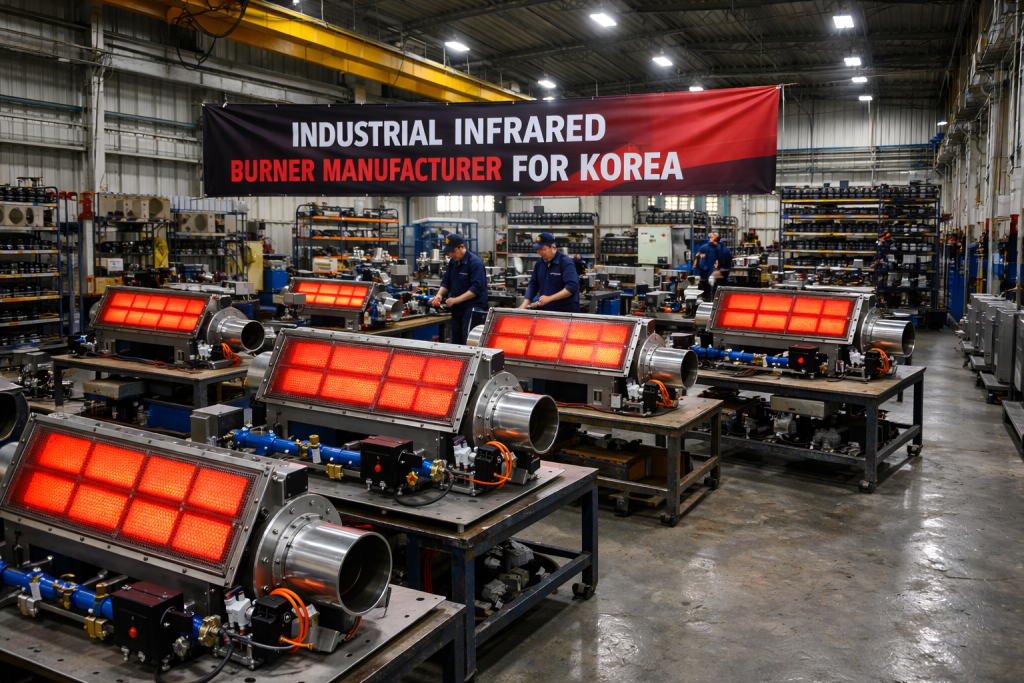
OEM infrared burner manufacturing focuses on creating custom solutions for Korean equipment builders. Each burner is designed to fit specific equipment requirements and performance goals. Manufacturers provide flexible designs to handle various fuels, sizes, and heat outputs.
Customization includes burner shape, material, and control options. Engineers work closely with Korean clients to ensure compatibility and efficiency. This approach guarantees that burners integrate seamlessly into their equipment.
Supply Chain Integration
Strong supply chain integration supports timely delivery and cost control. Manufacturers coordinate closely with Korean suppliers and logistics partners. This cooperation reduces lead times and avoids production delays.
Inventory management and quality control are synchronized between partners. Real-time communication helps resolve issues quickly. This creates a smooth workflow from raw materials to finished burners.
After-sales Support And Service
After-sales support is crucial for maintaining burner performance and customer satisfaction. Manufacturers provide technical assistance and training for Korean equipment builders. This helps with installation, troubleshooting, and maintenance.
Spare parts availability and repair services ensure minimal downtime. Ongoing support strengthens client confidence and promotes long-term cooperation. It also helps Korean builders optimize their equipment operation.
Applications Across Industries
Infrared burners play a crucial role in many industries worldwide. Korean equipment builders rely on OEM infrared burner manufacturing to meet diverse industrial needs. These burners provide efficient and reliable heat, improving production quality and speed. Their applications span several key sectors, each requiring specific heating solutions.
Industrial Heating Systems
Infrared burners are vital in industrial heating systems. They deliver consistent and controlled heat for processes like drying, curing, and heating metals. These burners help reduce energy costs and improve safety. Korean manufacturers trust OEM burners for their durability and performance in harsh environments. This ensures smooth operation and less downtime.
Foodservice Equipment
In foodservice, infrared burners provide even cooking heat. They are used in ovens, grills, and warmers to prepare food quickly and evenly. OEM burners help Korean equipment makers produce reliable cooking appliances. These burners also enhance energy efficiency and reduce heat loss. This leads to better food quality and lower operating costs.
Textile And Powder Coating Processes
Infrared burners support textile and powder coating industries with precise heat control. They speed up drying and curing, improving product finish and durability. Korean OEM manufacturers use infrared burners to meet strict process requirements. These burners enable faster production cycles and higher output quality. Their consistent heat output is essential for fine materials and coatings.
Credit: www.valmet.com
Challenges In Infrared Burner Manufacturing
Manufacturing infrared burners for Korean equipment builders presents several challenges. These burners must perform reliably under tough conditions. The production process demands precision and strict adherence to standards. Manufacturers face pressures from regulatory bodies, cost constraints, and rapid technology shifts. Understanding these challenges helps improve product quality and market success.
Meeting Strict Regulatory Requirements
Infrared burners must comply with national and international safety standards. Regulations cover emissions, materials, and energy efficiency. Manufacturers must keep up with evolving laws to avoid penalties. Testing and certification add time and cost to production. Meeting these requirements ensures safe operation and customer trust.
Balancing Cost And Quality
Producers strive to offer affordable burners without sacrificing durability. High-quality materials increase product lifespan but raise expenses. Cutting corners leads to early failures and warranty claims. Finding the right balance is crucial for competitiveness. Efficient designs and smart sourcing help manage costs while ensuring quality.
Adapting To Technological Advances
New technologies improve burner efficiency and reduce emissions. Manufacturers must integrate innovations into existing models quickly. Research and development require investment and skilled labor. Staying current with trends keeps products relevant in a fast-changing market. Adaptability enables companies to meet customer demands and industry standards.
Future Trends And Innovations
The future of OEM infrared burner manufacturing for Korean equipment builders holds exciting possibilities. Innovations focus on improving efficiency, reducing environmental impact, and expanding market reach. These trends aim to meet the evolving needs of industries relying on infrared heating technology.
Smart Burner Technologies
Smart burner technologies integrate sensors and controls for precise heat management. These burners adjust flame intensity automatically to save energy and boost performance. Real-time monitoring helps detect issues early, reducing downtime. Korean equipment builders benefit from burners that enhance safety and operational efficiency.
Sustainability And Green Manufacturing
Manufacturers prioritize eco-friendly materials and processes in burner production. Low-emission infrared burners minimize harmful gases and pollutants. Energy-efficient designs lower fuel consumption and operating costs. Green manufacturing practices help Korean builders meet strict environmental regulations and appeal to eco-conscious customers.
Global Market Expansion
Korean OEMs explore new markets worldwide to grow their business. Demand for infrared burners rises in industries like food processing, textiles, and automotive. Building strong partnerships with international suppliers and clients is key. Expanding globally encourages innovation and adaptation to diverse market needs.
Credit: hengyiburners.com
Frequently Asked Questions
What Is Oem Infrared Burner Manufacturing?
OEM infrared burner manufacturing involves producing custom burners for original equipment manufacturers. These burners are tailored to meet specific requirements of Korean equipment builders for optimal performance.
Why Choose Infrared Burners For Korean Equipment?
Infrared burners provide efficient, uniform heat and reduce energy consumption. They enhance equipment durability and improve process control in Korean industrial applications.
How Do Oem Burners Benefit Korean Equipment Builders?
OEM burners offer customization, ensuring compatibility with Korean equipment. This leads to improved product quality, reduced downtime, and enhanced operational efficiency.
What Industries Use Oem Infrared Burners In Korea?
Key industries include food processing, textile manufacturing, and powder coating. These sectors rely on infrared burners for fast, even heating and energy savings.
Conclusion
Choosing the right OEM infrared burner manufacturer boosts equipment quality. Korean builders benefit from precise, reliable burner designs. Strong partnerships ensure products meet specific industry needs. Efficient burners improve performance and reduce energy use. Trustworthy manufacturers deliver consistency and timely support.
This collaboration helps Korean equipment stand out globally. Quality burners lead to better customer satisfaction and success.